
Ren, a young Japanese boy, pauses amongst the busy bustle of Tokyo to discover a diary, The Inkstone Diary. Within the pages are stories of places across the country that evoke a sense of adventure in him. With a resolve to find colour, texture and feelings, Ren dives in and takes you along!
Below is the colour reference of the story of the adult colouring book, The Inkstone Diary! Enjoy!
Chapter 1
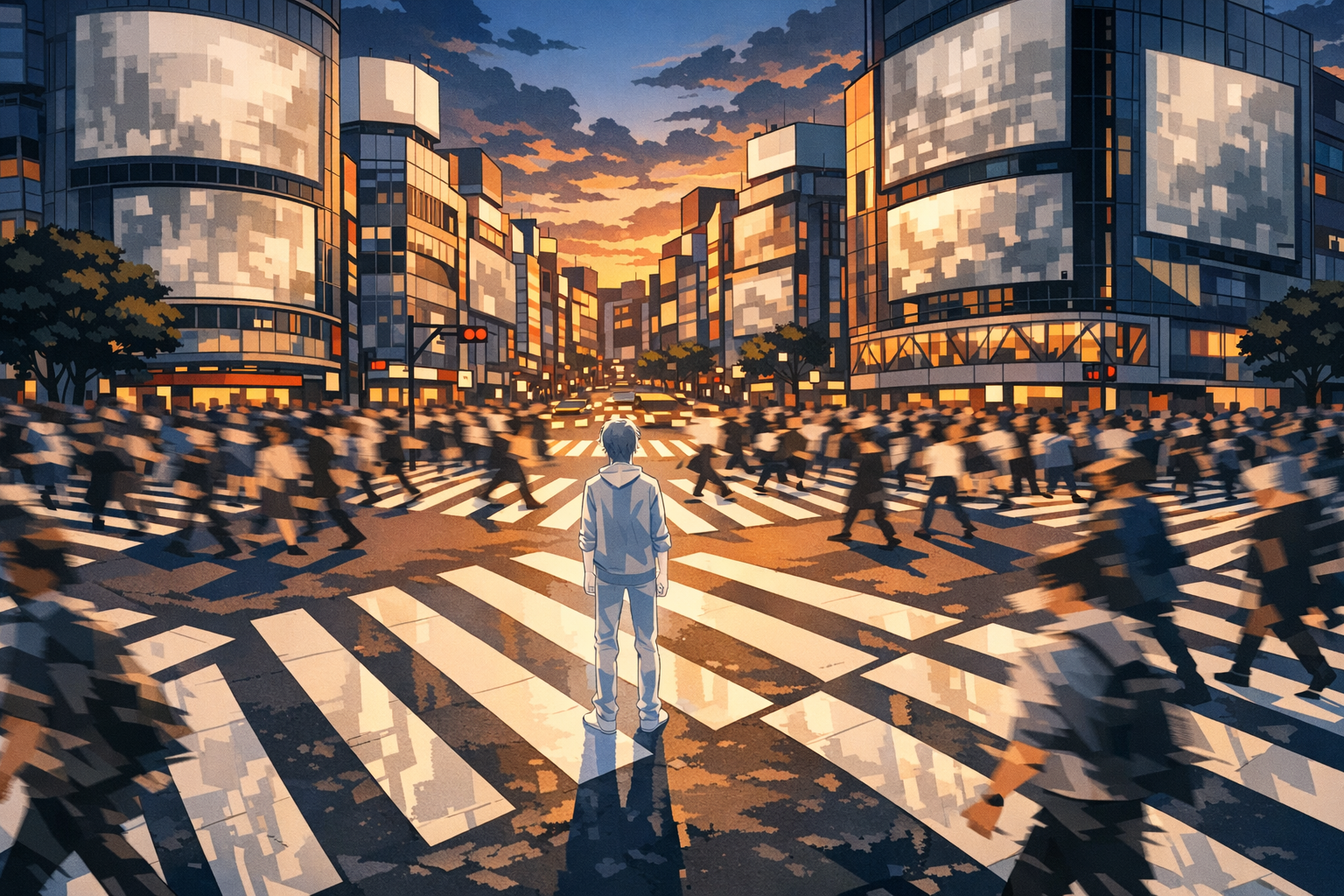
Ren stands at the centre of the scramble. The city is a blur of motion, but he feels static, a ghost in a machine of neon.
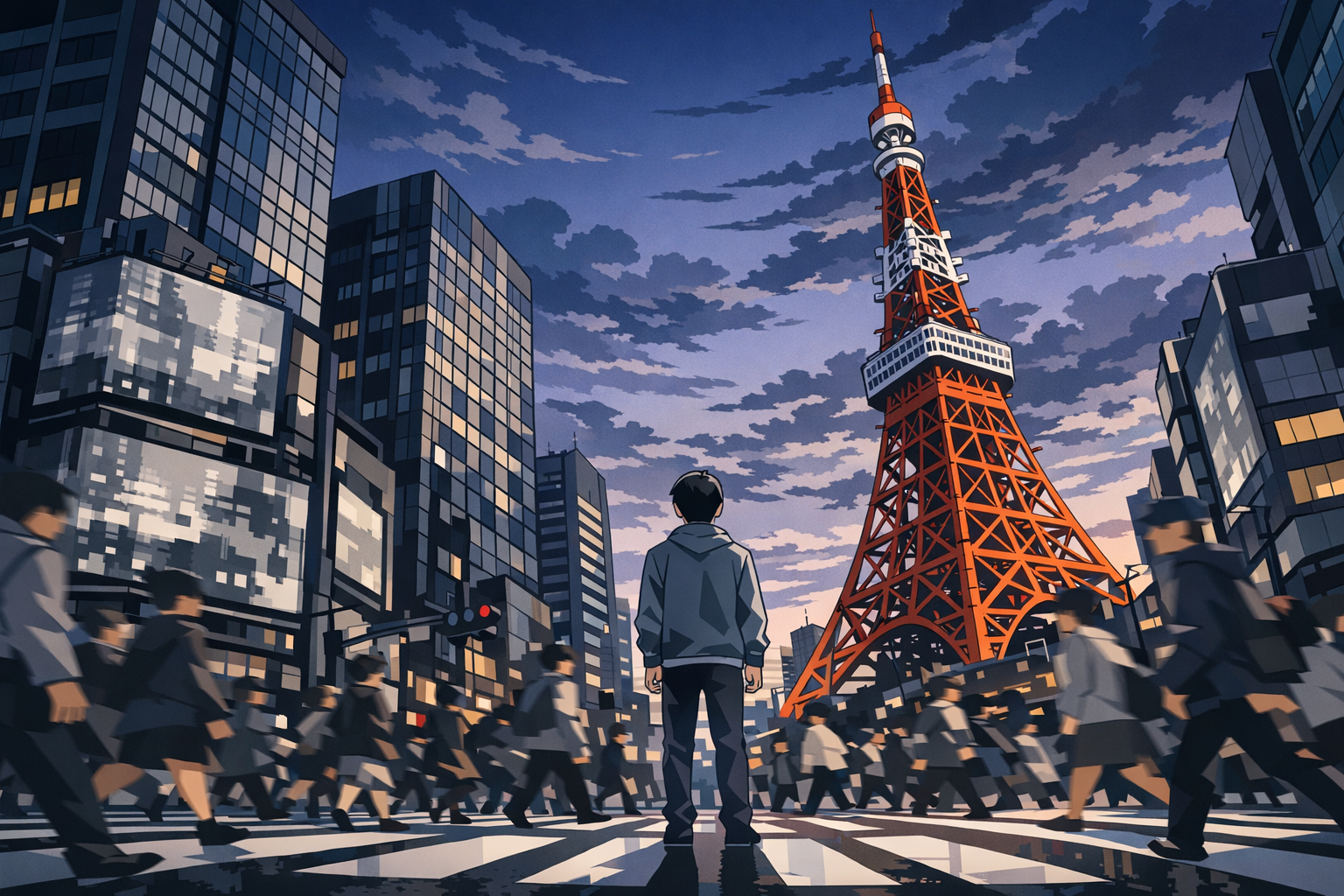
He looks up at the steel skeleton of the city. It is a beacon of a dream built on iron, yet it feels hollow and cold.
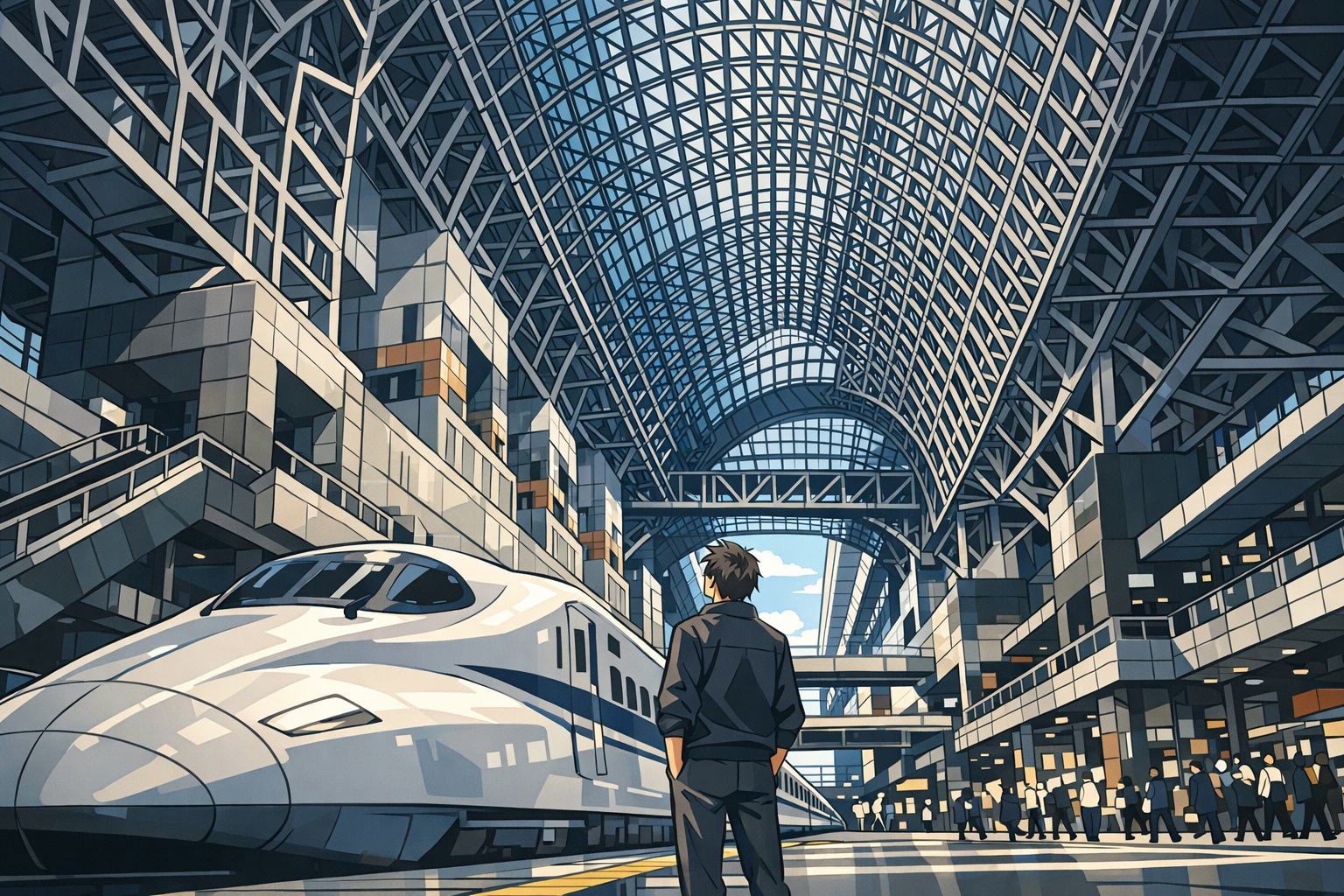
Arriving in Kyoto, the station is a cathedral of glass. Ren feels the weight of modern progress clashing with the ancient air.
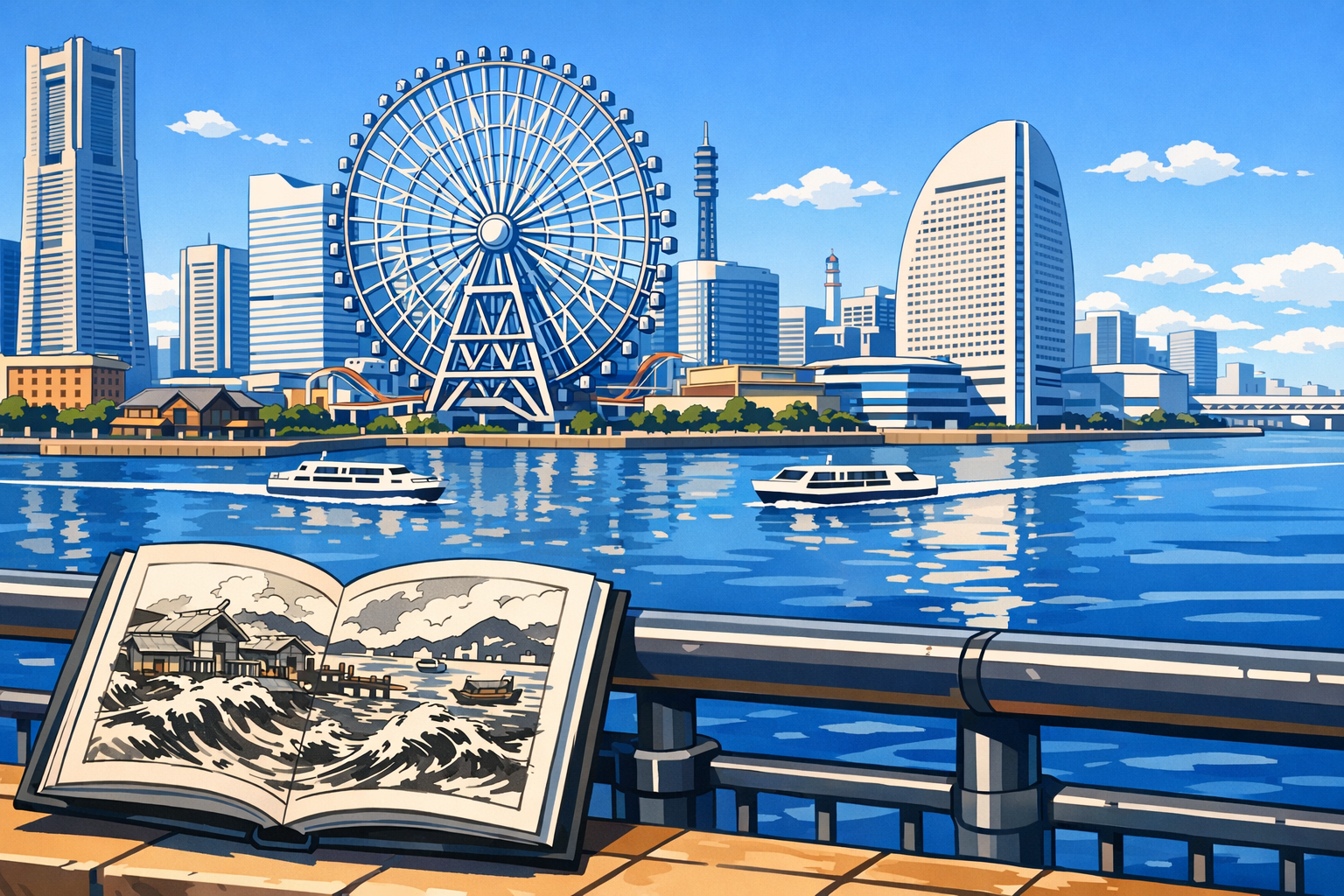
Looking across the harbour, the world feels like a clockwork toy. Perfectly timed, perfectly structured, and perfectly colourless.
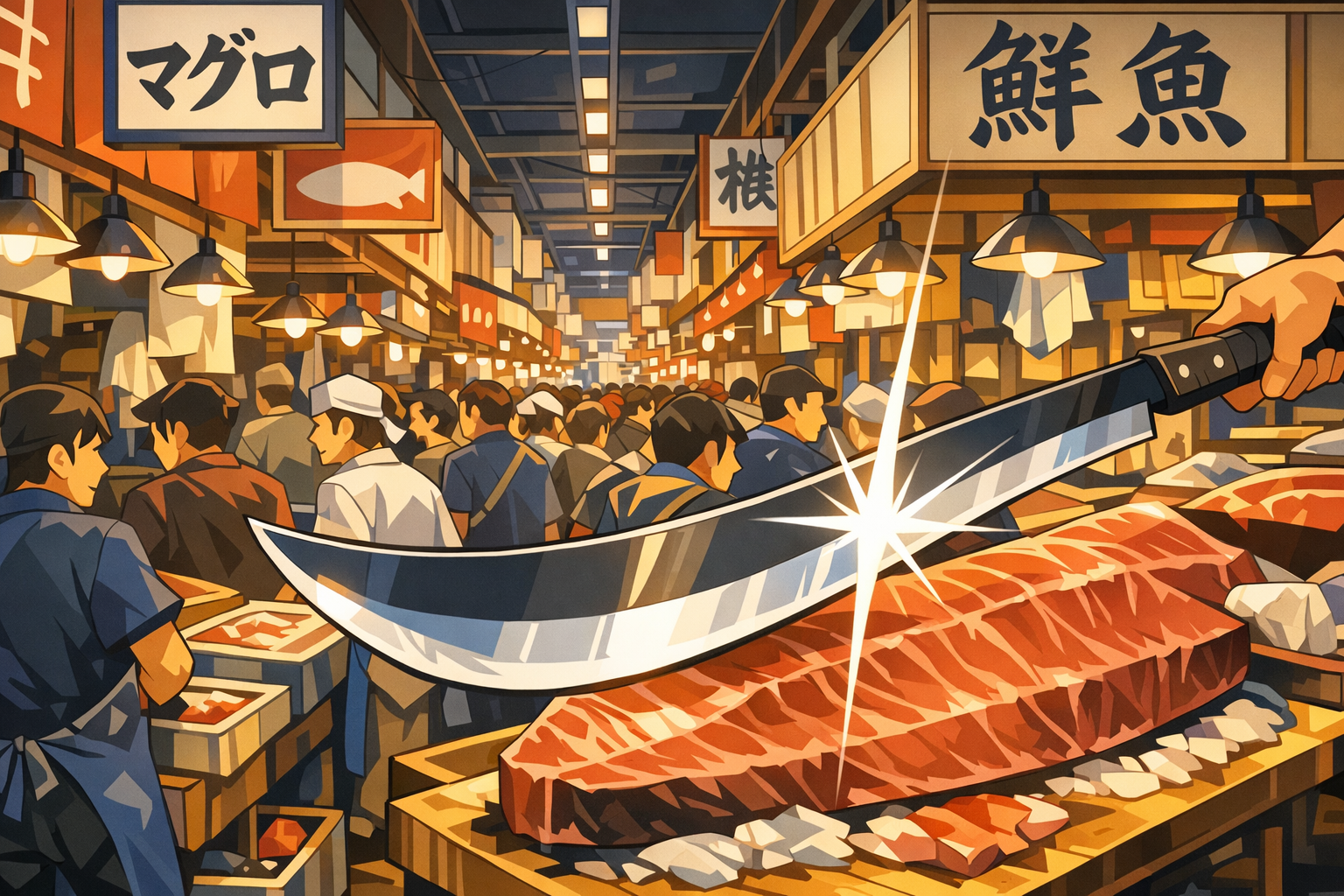
In the market, the noise is a texture. He searches for a sign, an anchor, something to make the grey world feel lively again.
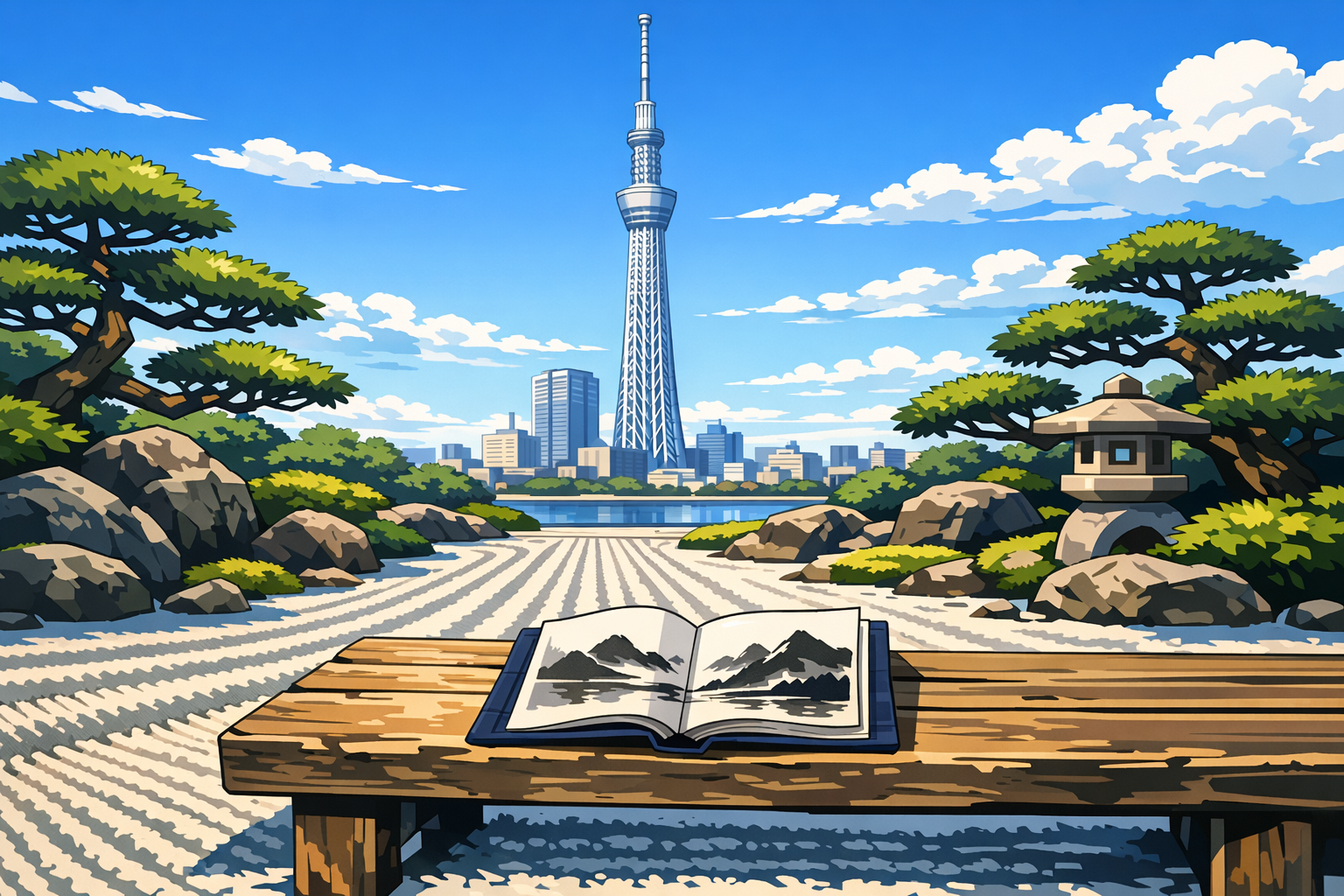
He finds a pocket of silence. The past and future stare at each other. This is where he finds the Inkstone Diary.
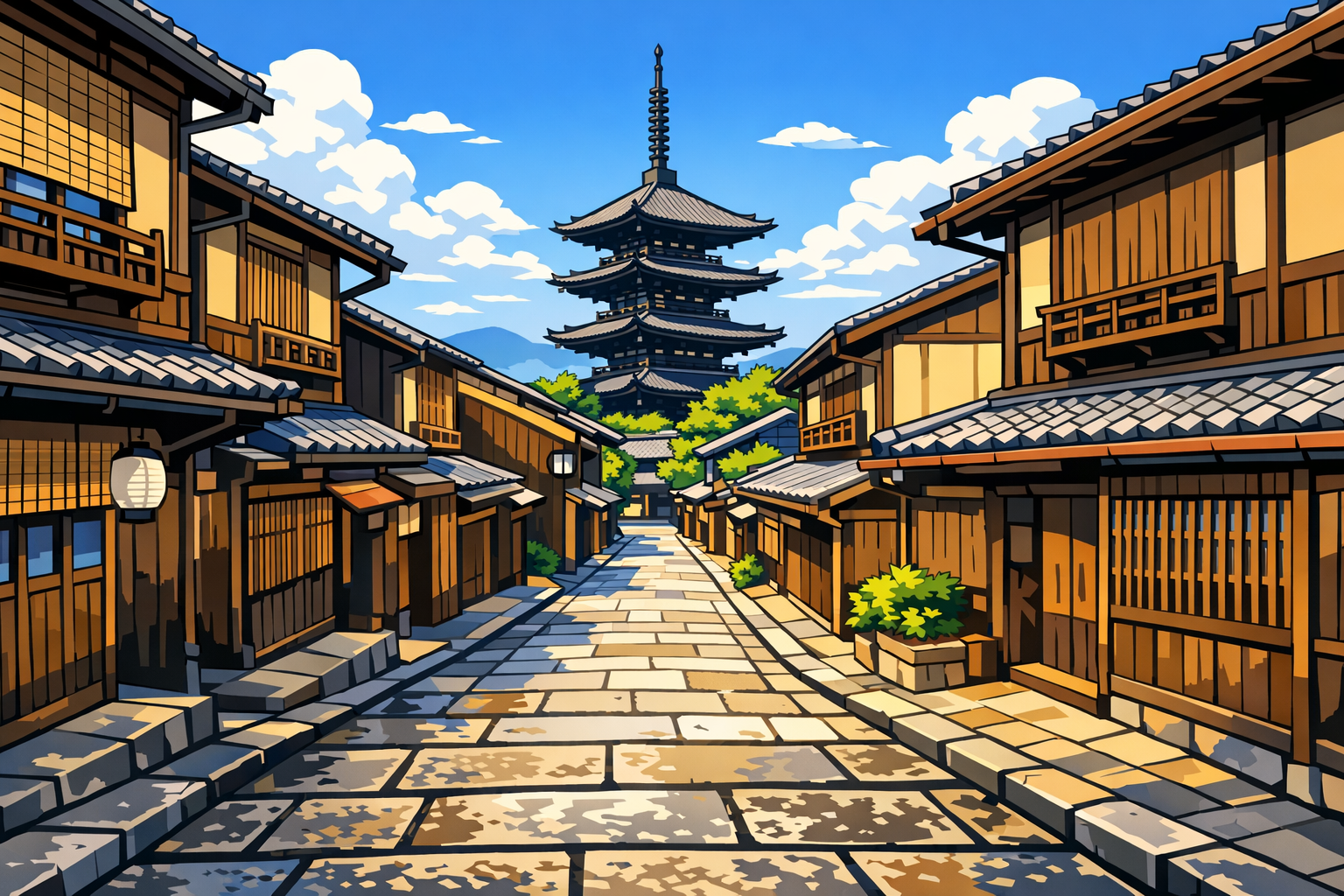
He follows the diary’s first map. The wooden walls of the alley whisper secrets of craftsmen who saw the world in ink.
Chapter 2
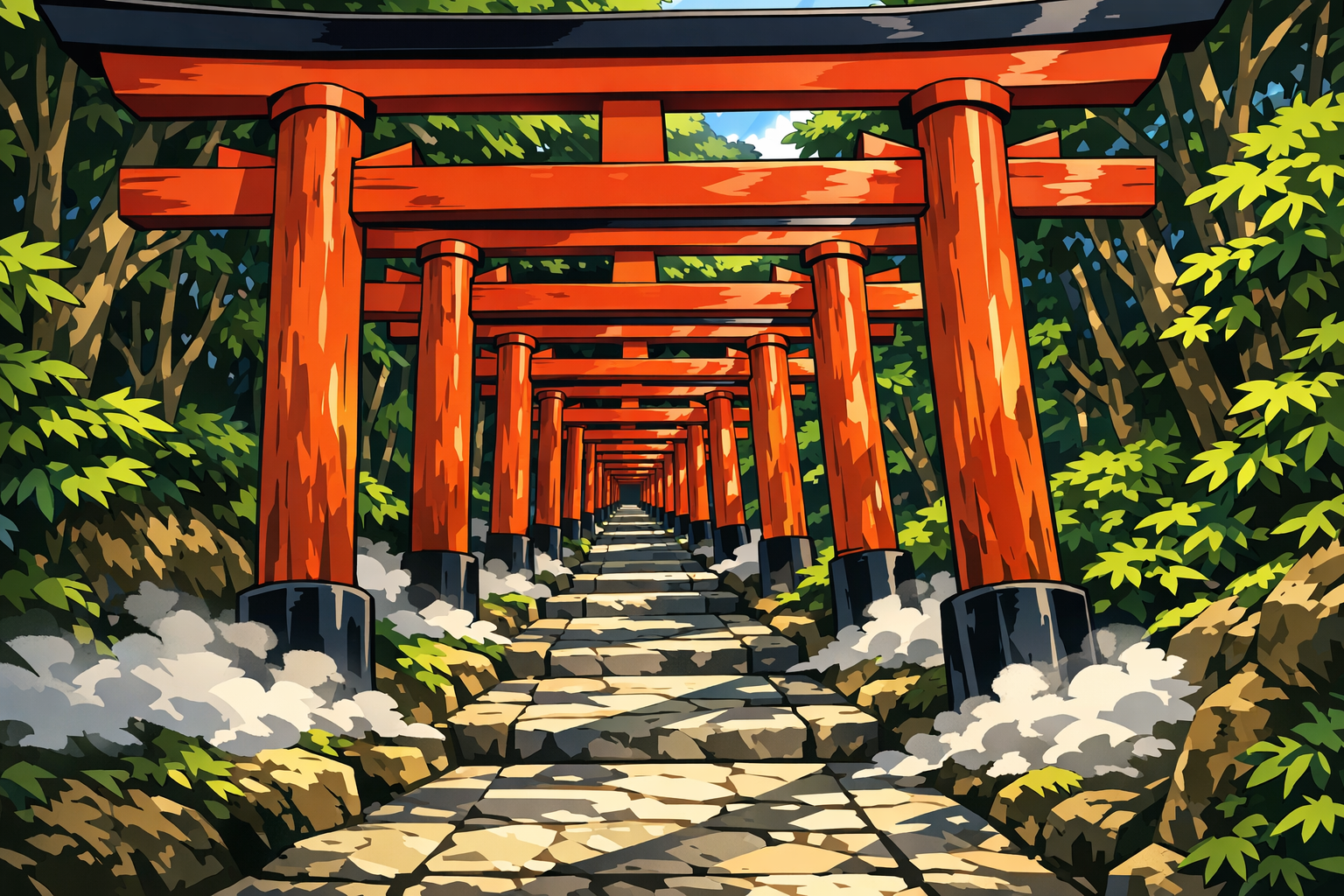
Ren steps into the vermillion tunnel. Every gate is a heartbeat. The lines of the world begin to sharpen under his gaze.
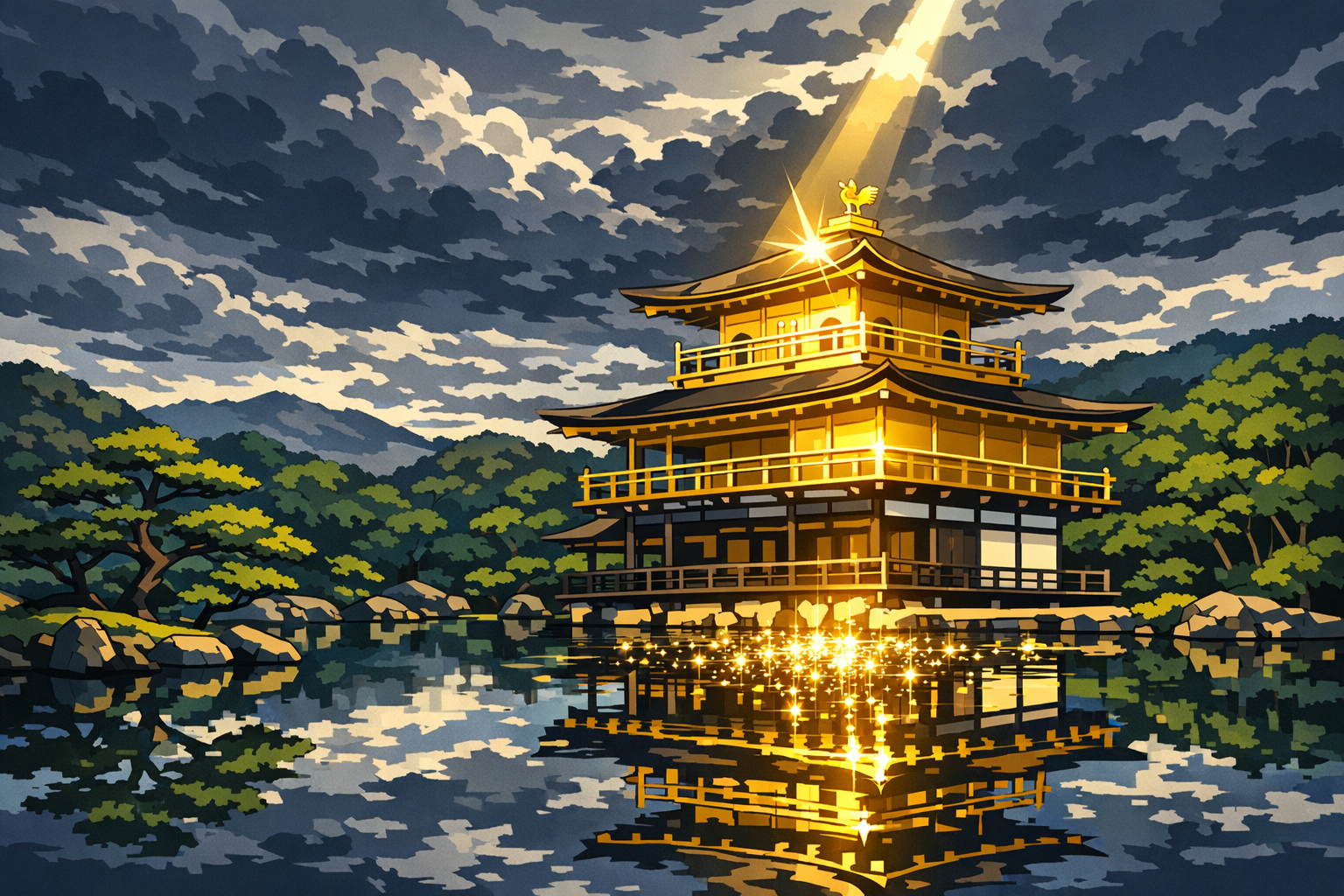
The pavilion is a vision of perfection. Ren realises that even in a world of grey, light finds a way to dance.
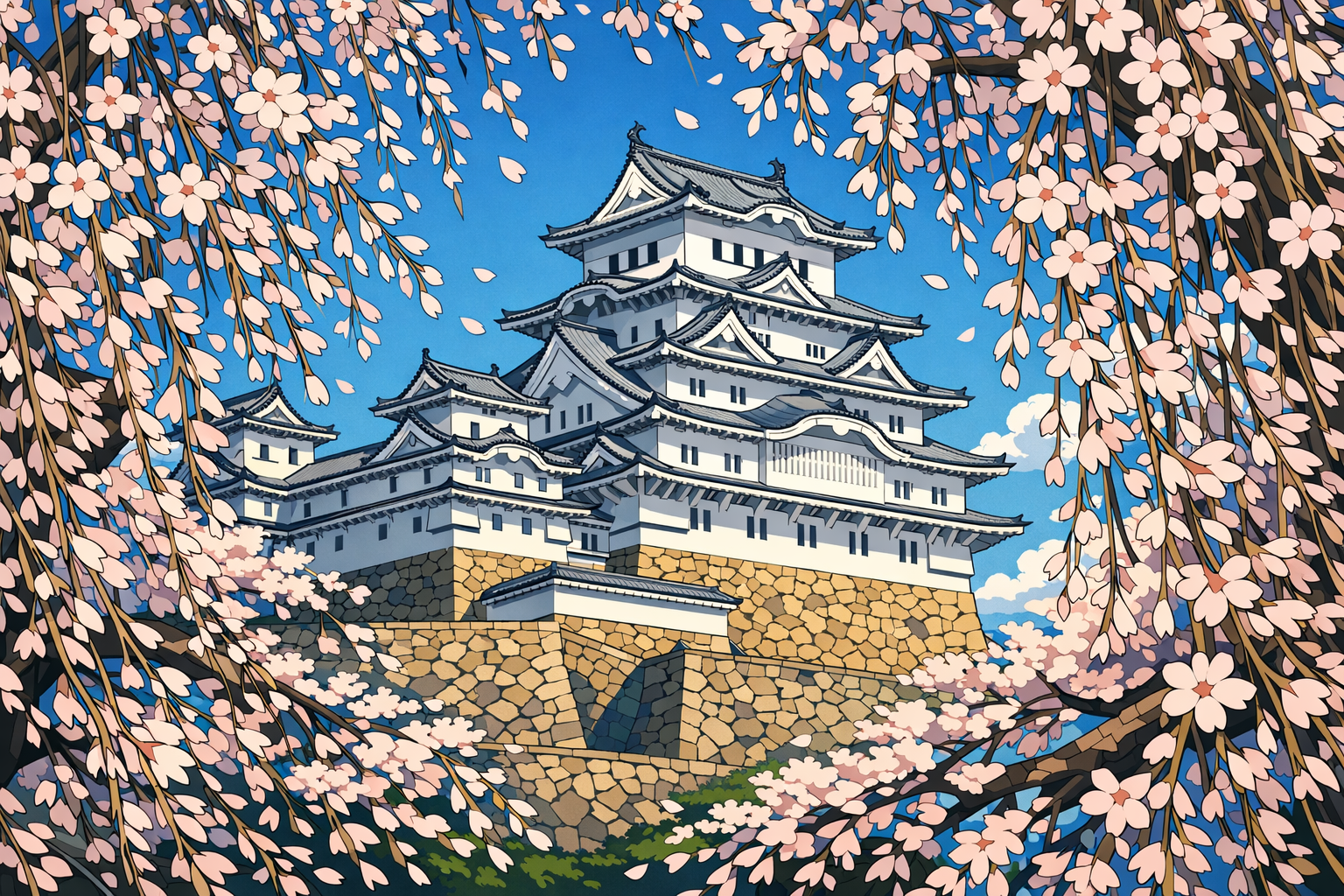
He reaches the fortress of the clouds. Its walls are a testament to endurance. He begins to understand the strength of stillness.
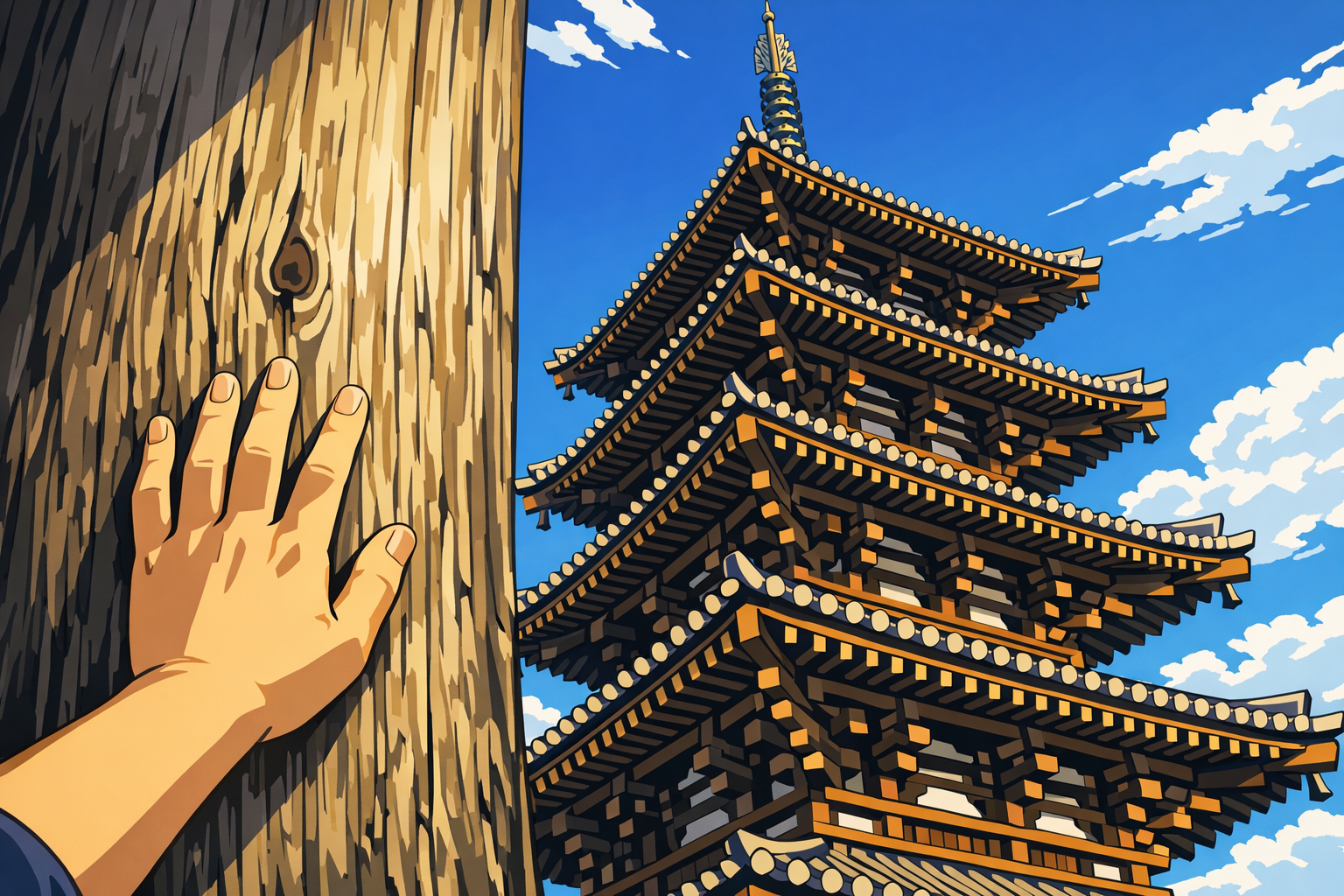
The oldest wood in the world. Ren touches the pillars, feeling the pulse of a thousand years in the ridges of the bark.
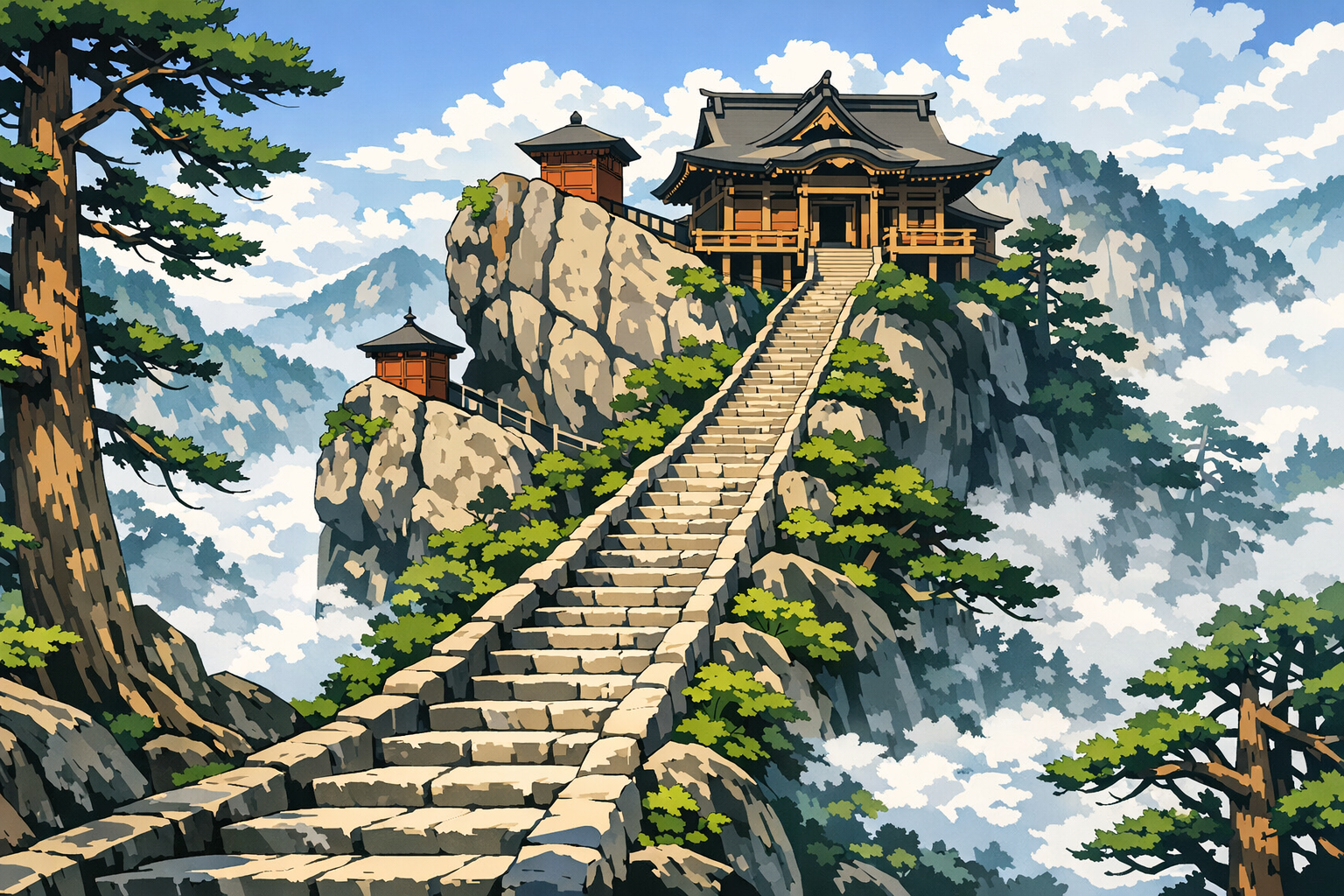
He climbs a thousand steps to the sky. The higher he goes, the less the urban noise matters. The mist becomes his companion.
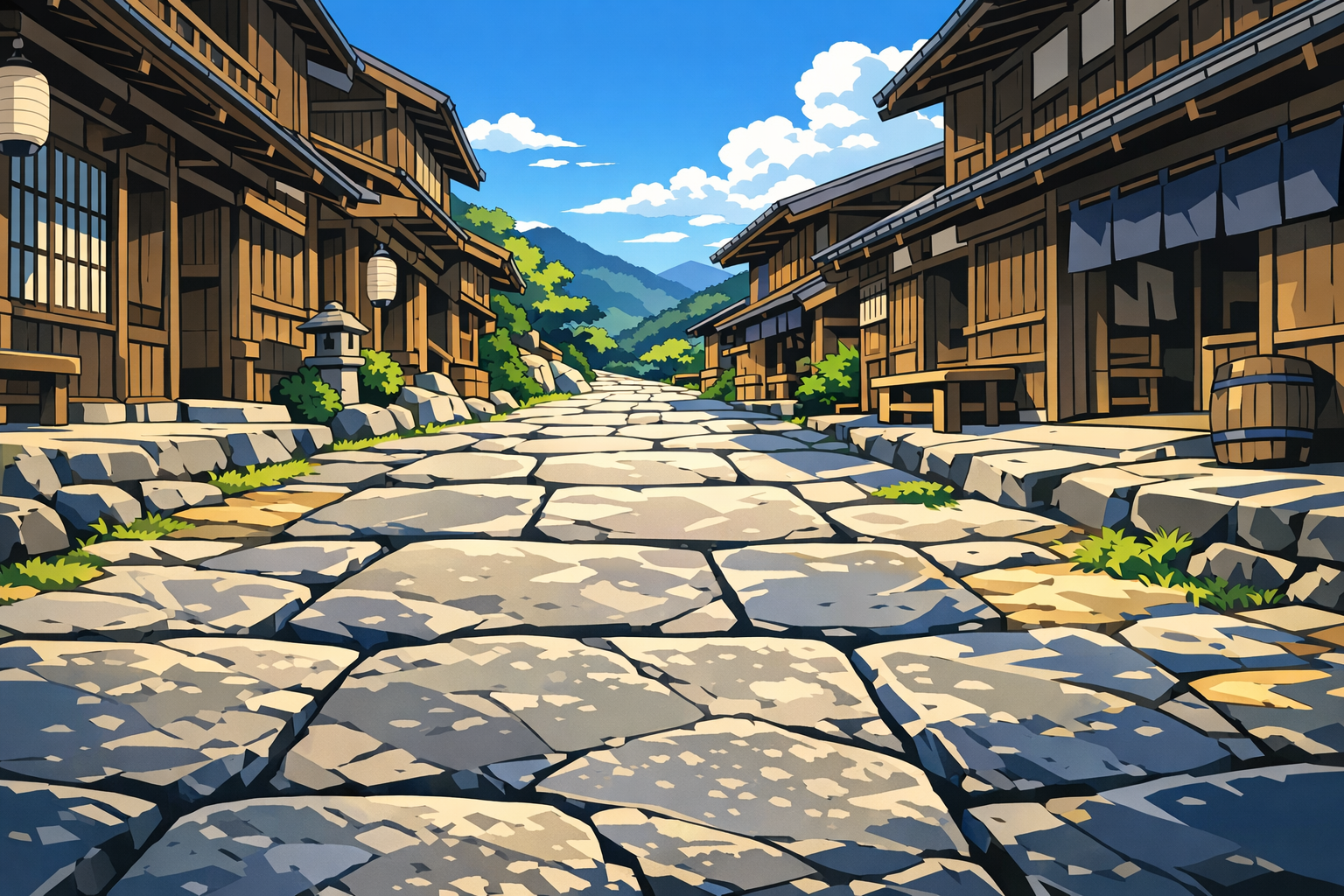
Walking the ancient post-road, he meets the ghosts of travellers past. Every stone is a story of a journey not yet finished.
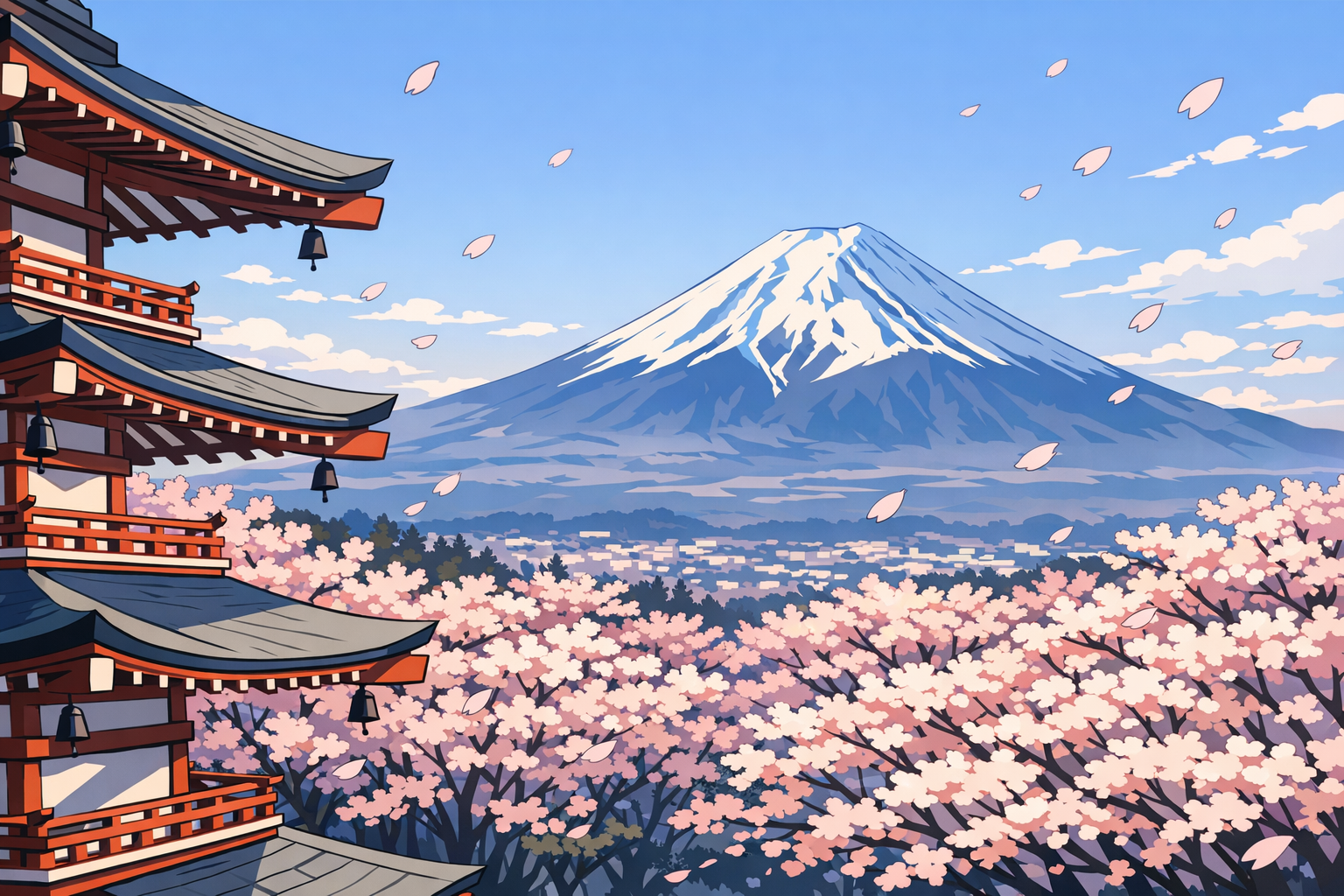
He sees the mountain for the first time. It is a sentinel of the spirit, watching over the blooming transience of life.
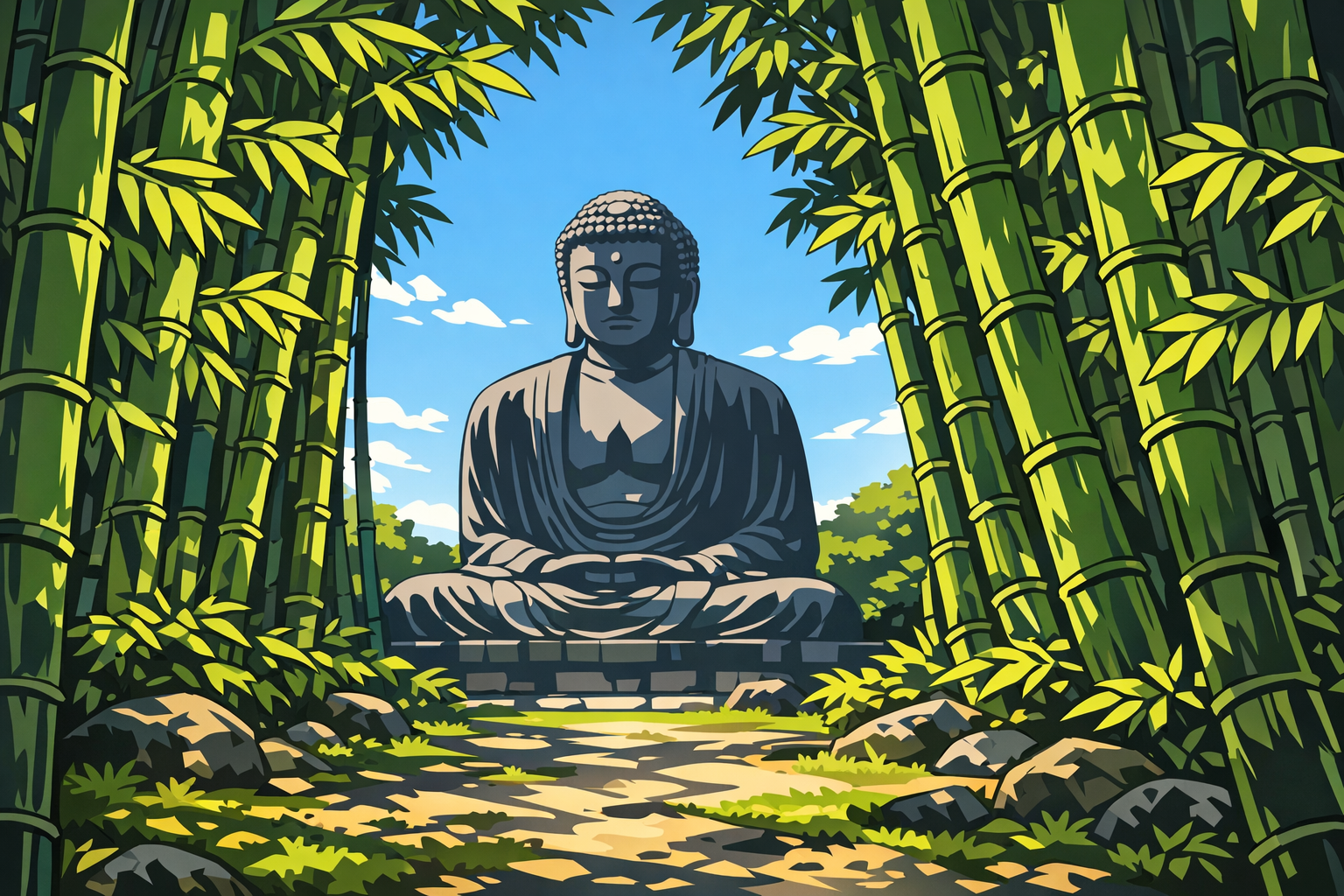
In the shadow of the bronze giant, Ren finds a moment of absolute void. No thought, no colour, just the breath of the wind.
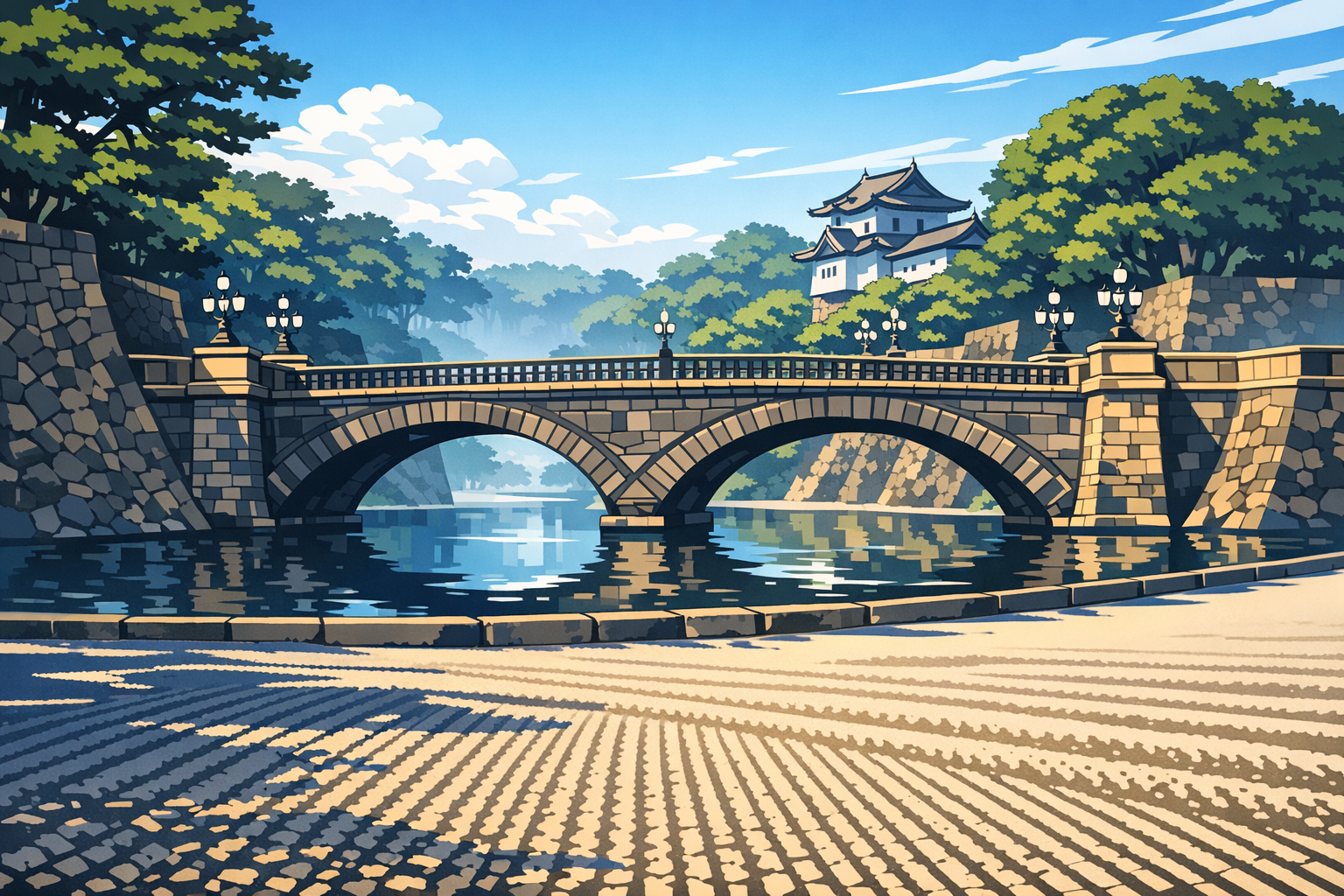
He crosses into the heart of the capital. The bridge is a threshold between the common world and the sacred silence.
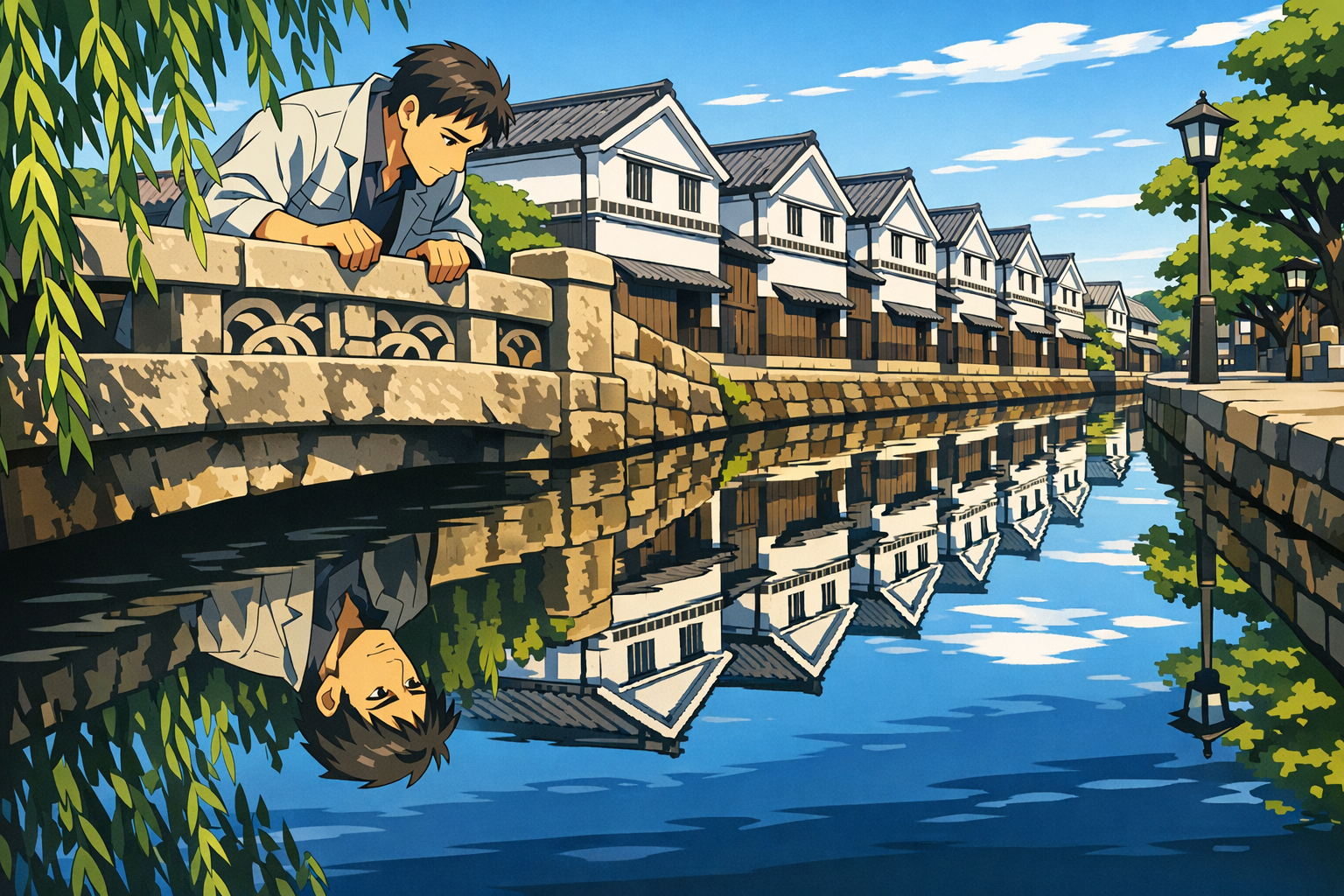
By the water, he sees his own reflection. It is no longer a blur; the lines of his face are returning, etched in ink.
Chapter 3
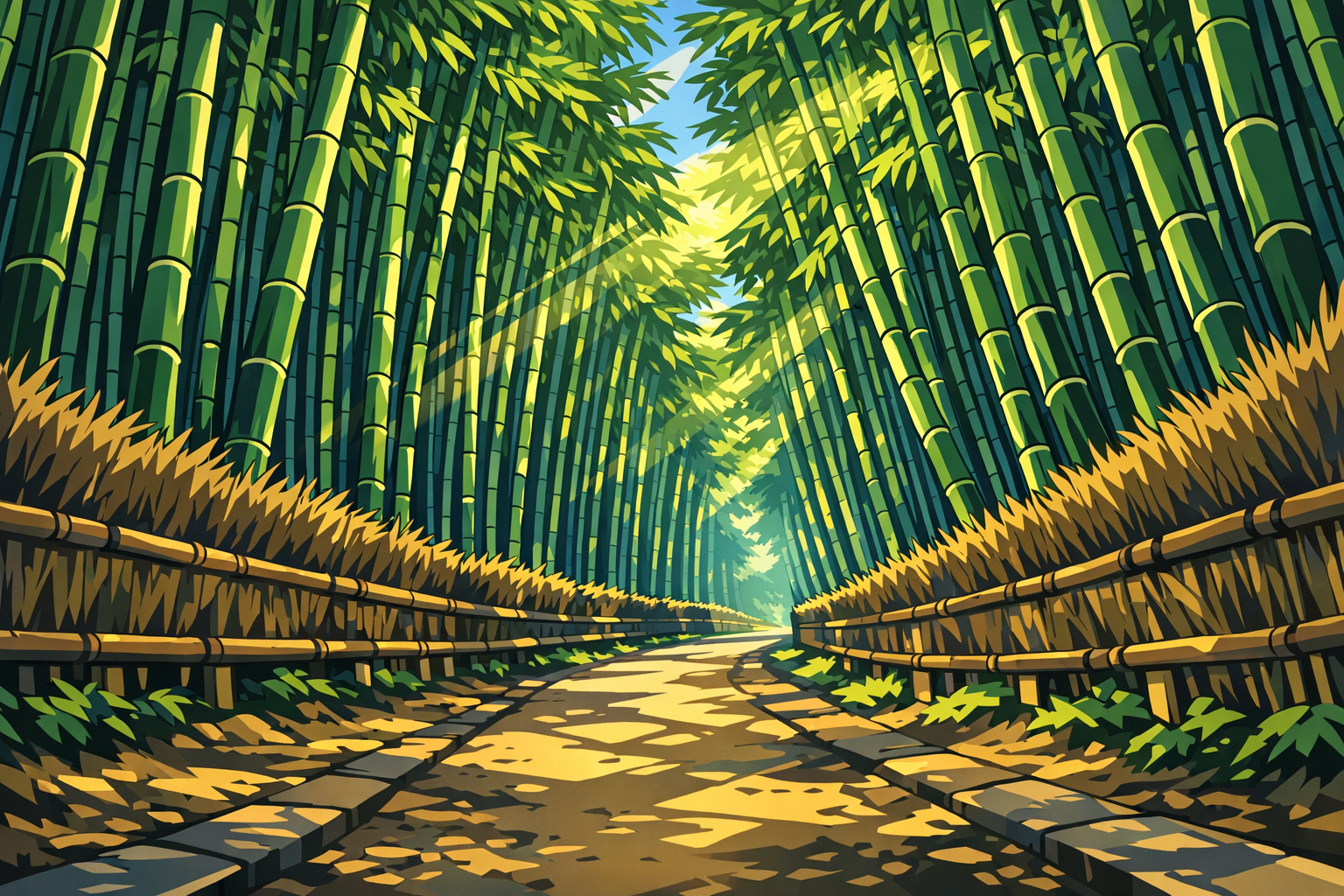
The bamboo forest is a cathedral of verticality. The sound of the stalks rubbing together is the music of the earth.
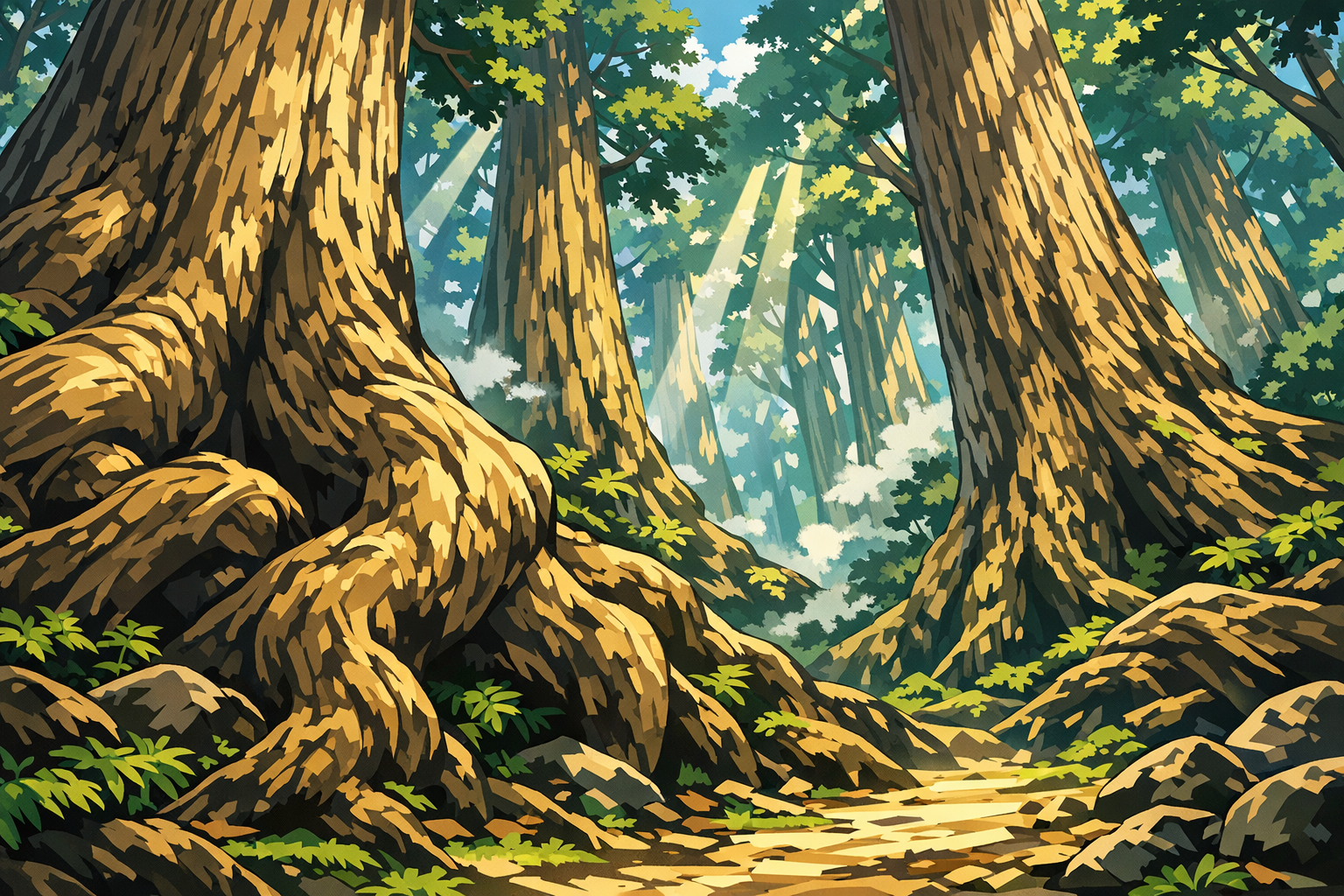
In the deep green (now deep grey) forest, the trees are ancient gods. Ren feels small, and in that smallness, he finds peace.
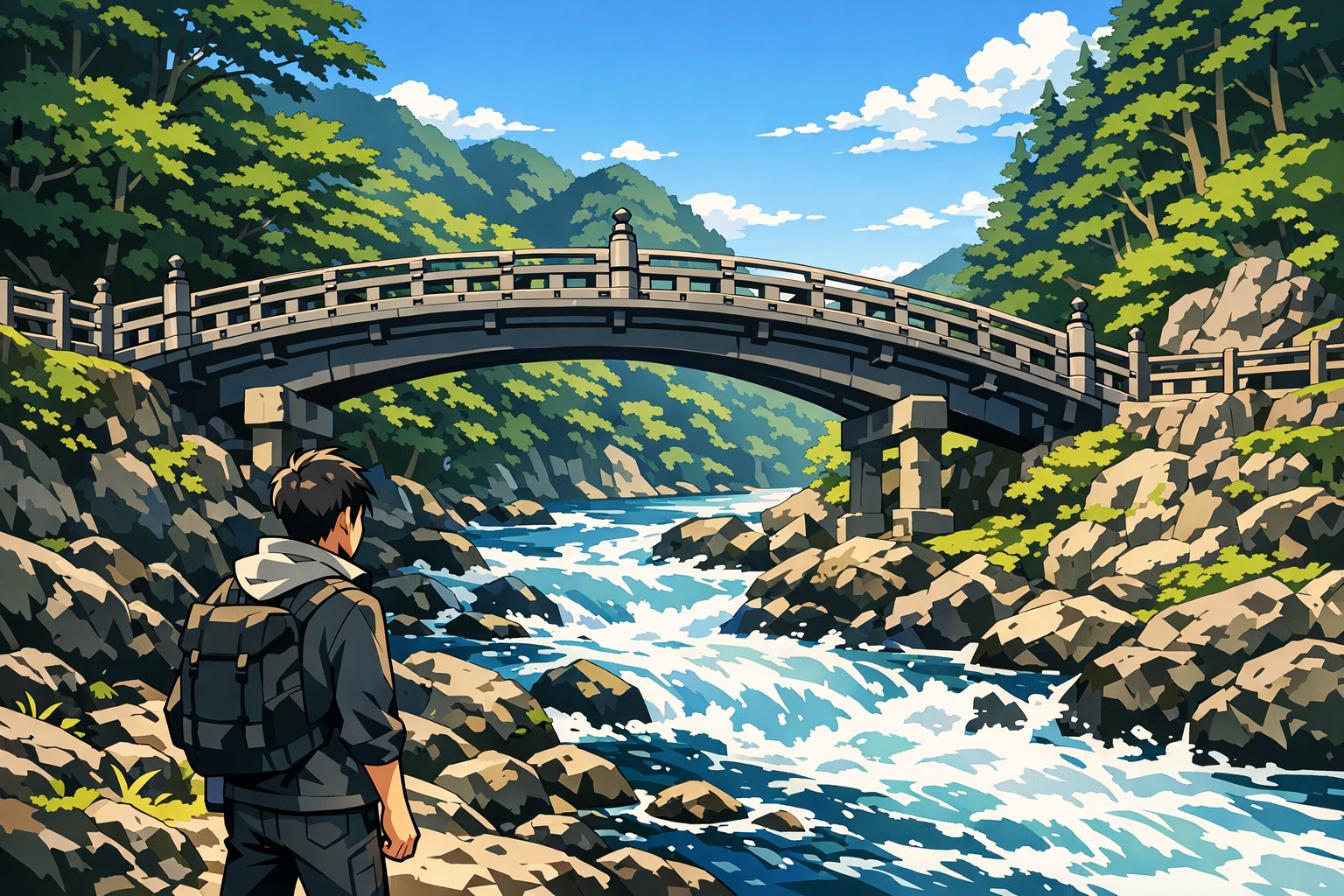
A sacred crossing. The river below doesn’t care about time. It only cares about the path to the sea. Ren decides to follow it.
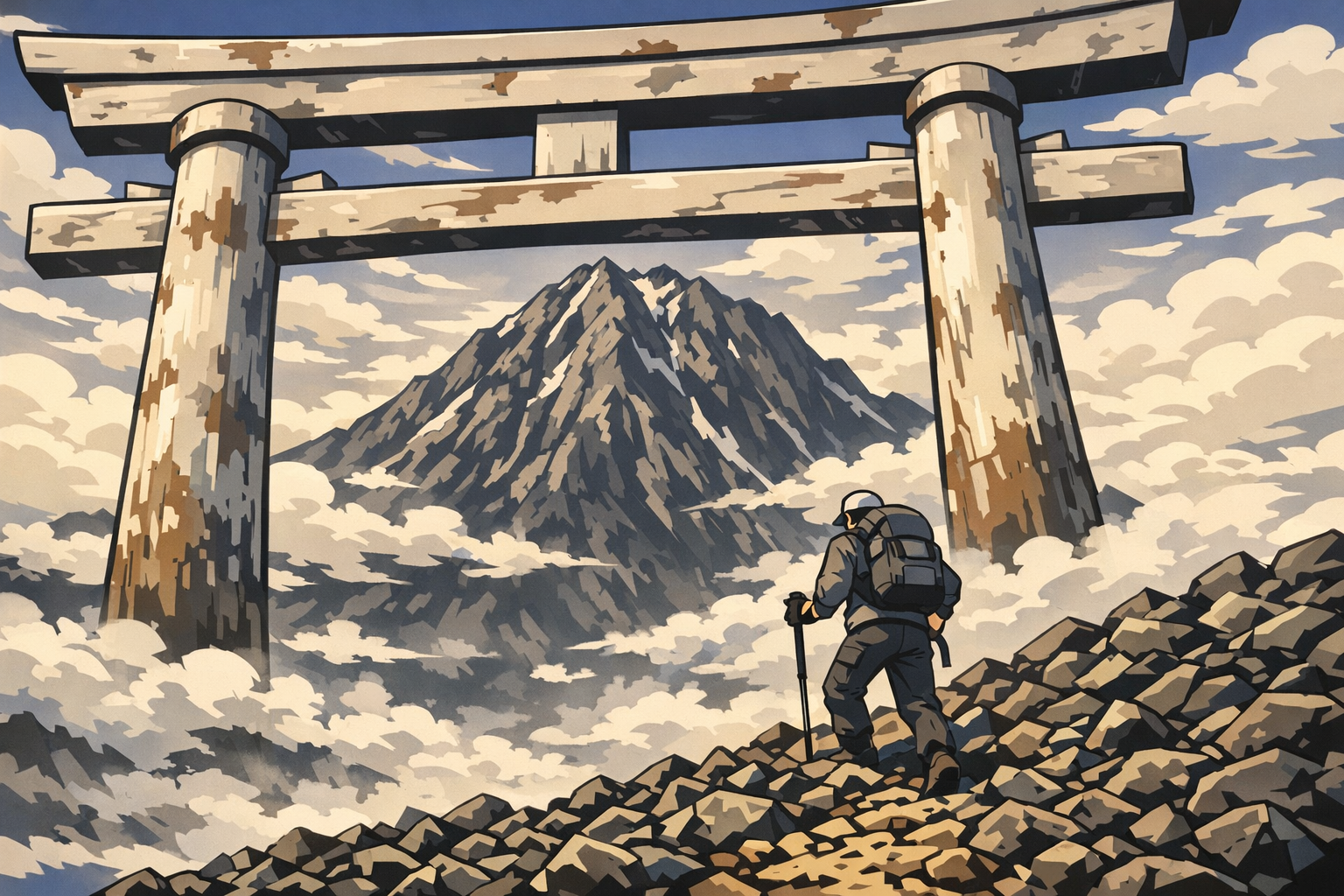
The mountain is a challenge. Ren climbs not to reach the top, but to see what the world looks like from above the clouds.
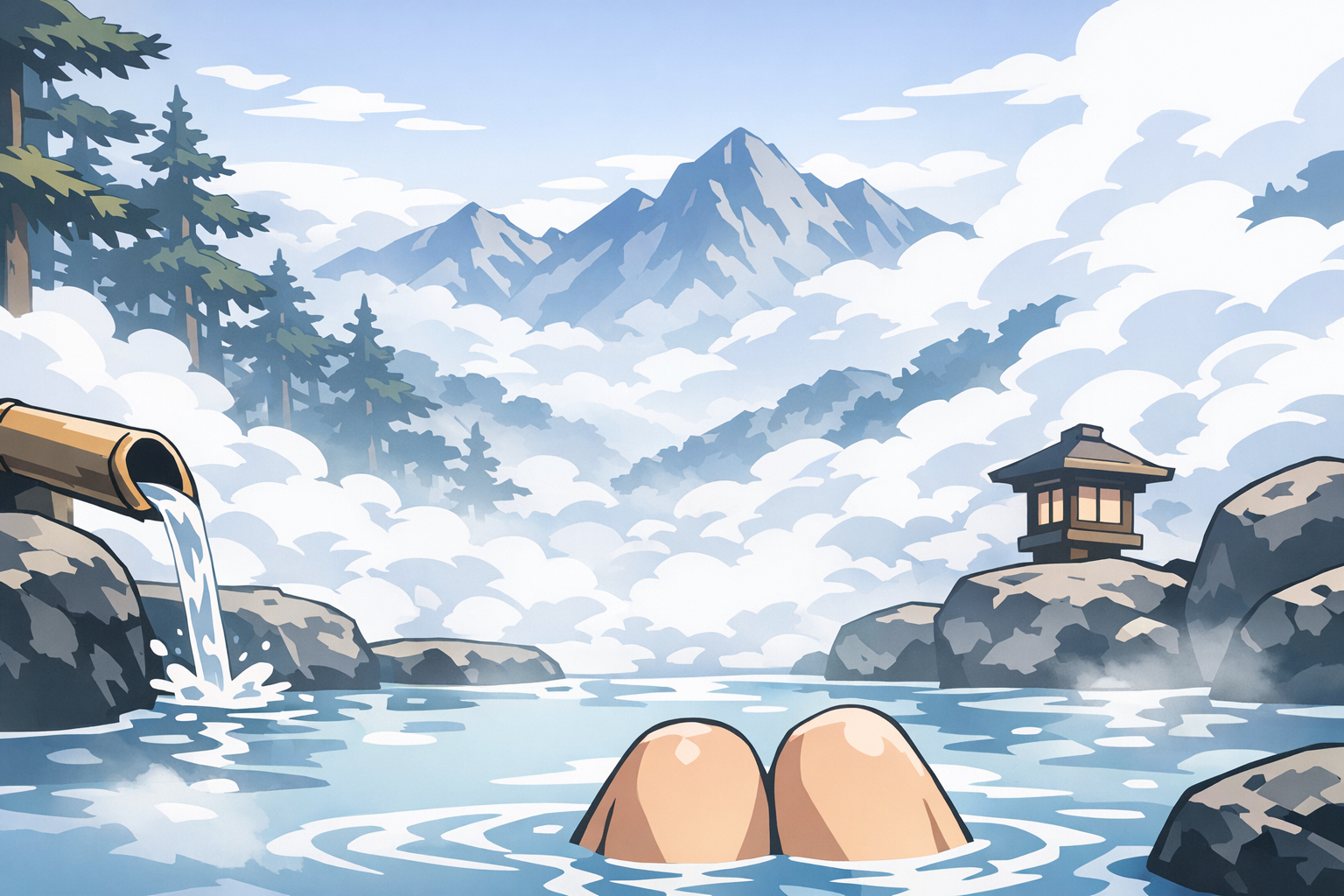
In the heat of the earth, his fatigue melts away. The steam blurs the lines of the world, making everything feel like a dream.
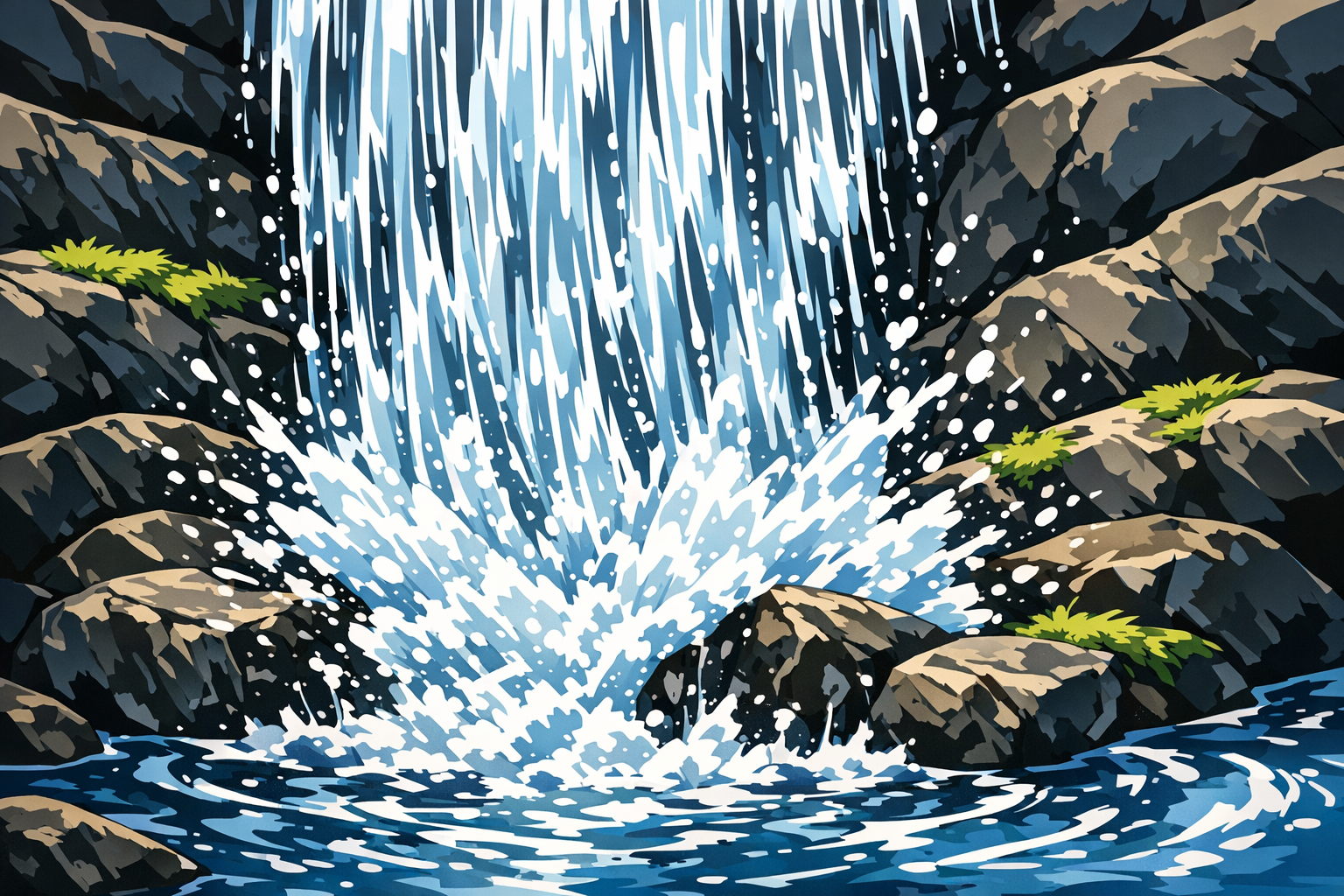
The waterfall is a constant falling. It reminds Ren that even when things fall apart, they create something beautiful below.
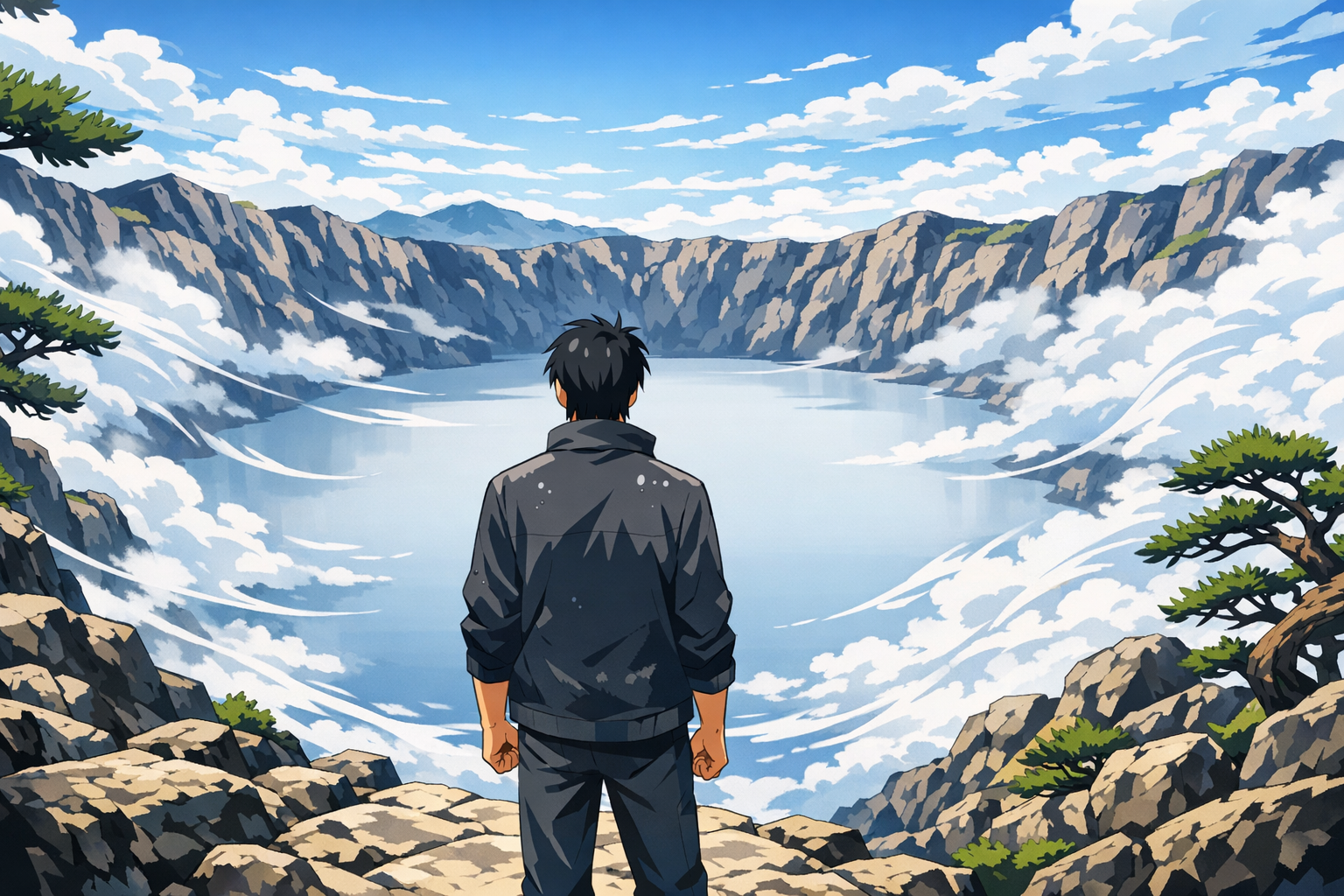
The lake of mist. It hides its secrets from the casual eye. Ren waits until the fog clears, revealing the mirror of the sky.
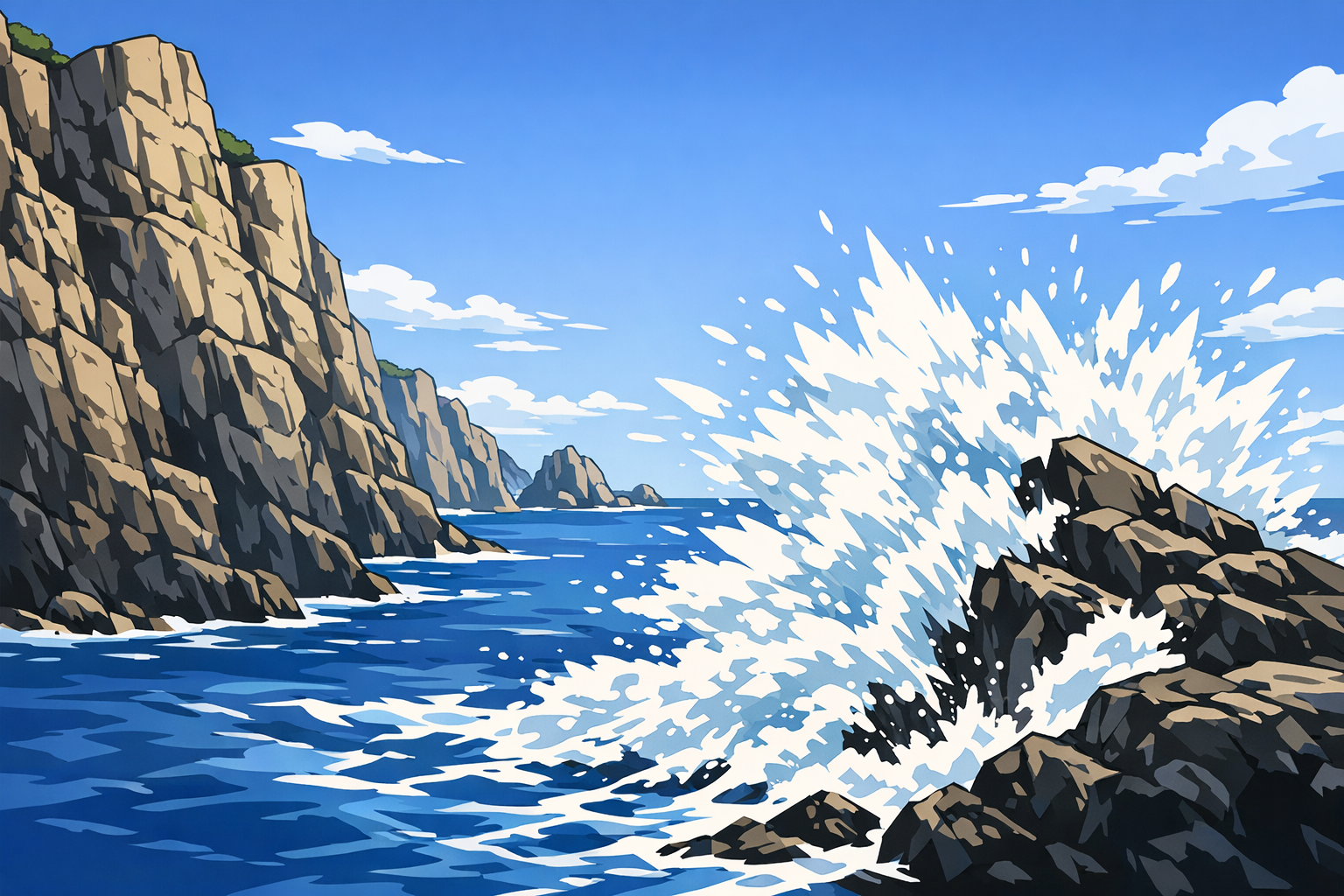
The sea is a sculptor of stone. Ren watches the waves, realising that persistence is the most powerful force in nature.
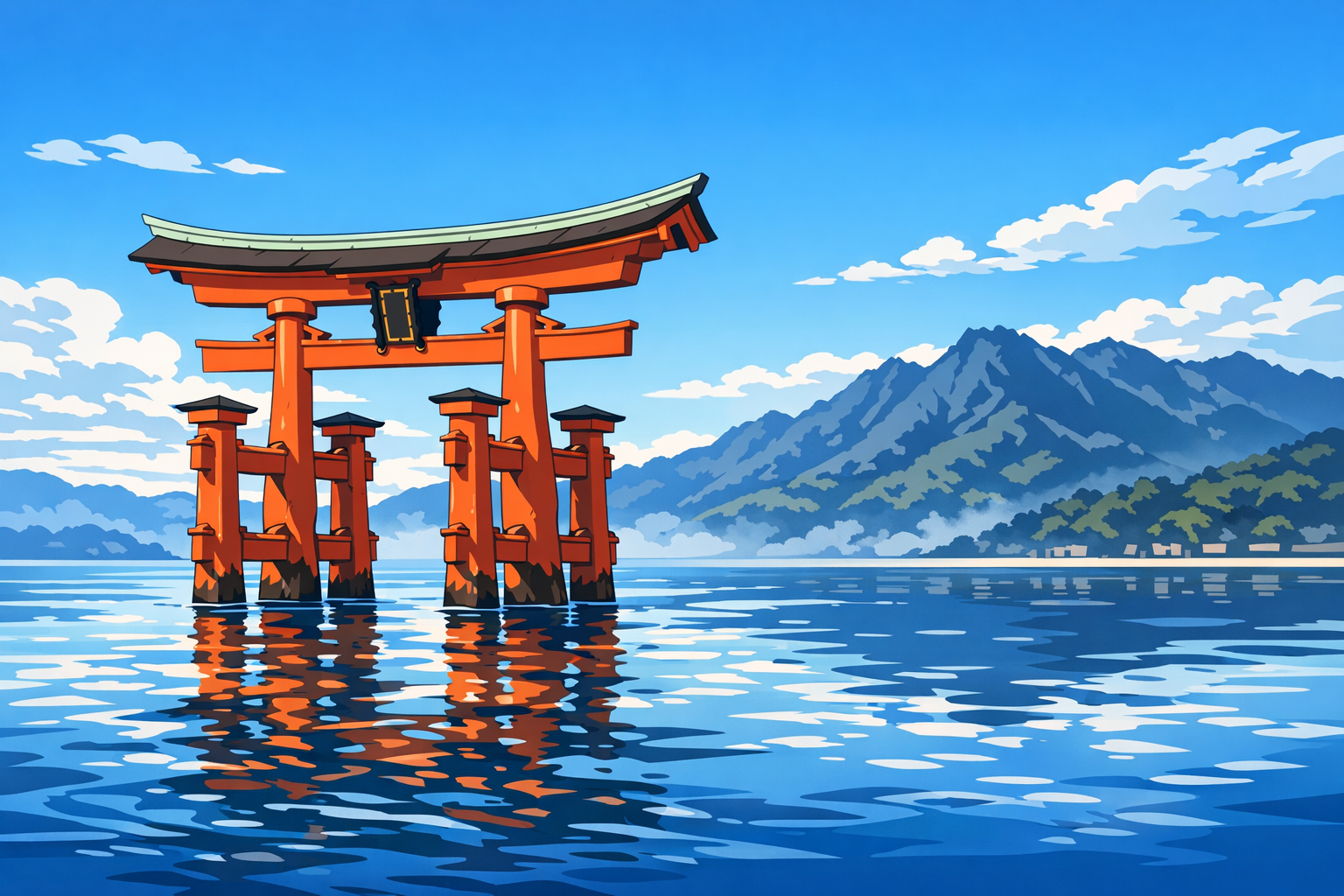
The gate stands in the tide, between the land and the deep. Ren stands with it, rooted but open to the flow.
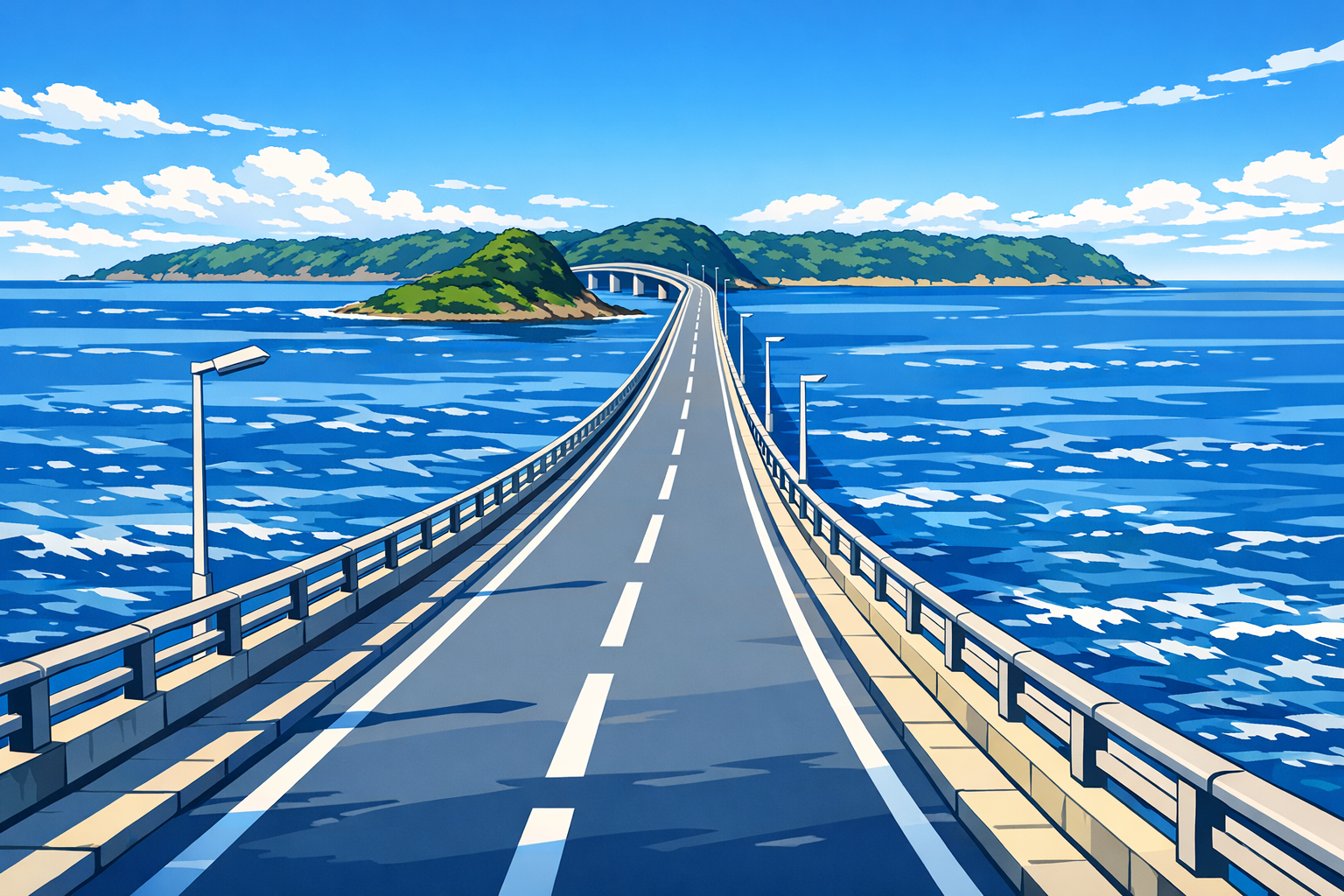
A path across the blue. It is a straight line in a world of curves. Sometimes, the direct way is the only way forward.
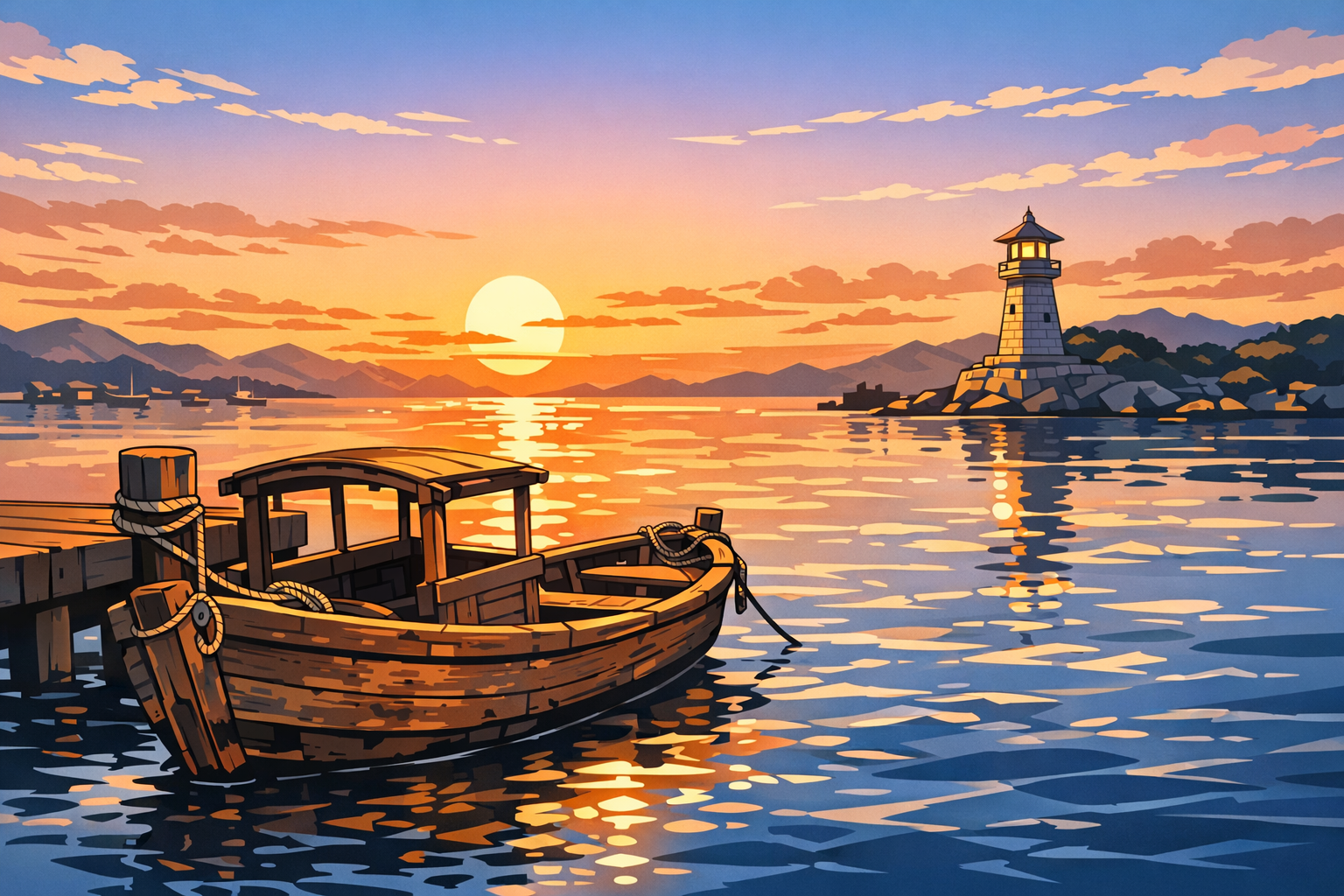
In the fishing village, time moves at the speed of a tide. Ren sits on the pier, watching the light change the color of the grey.
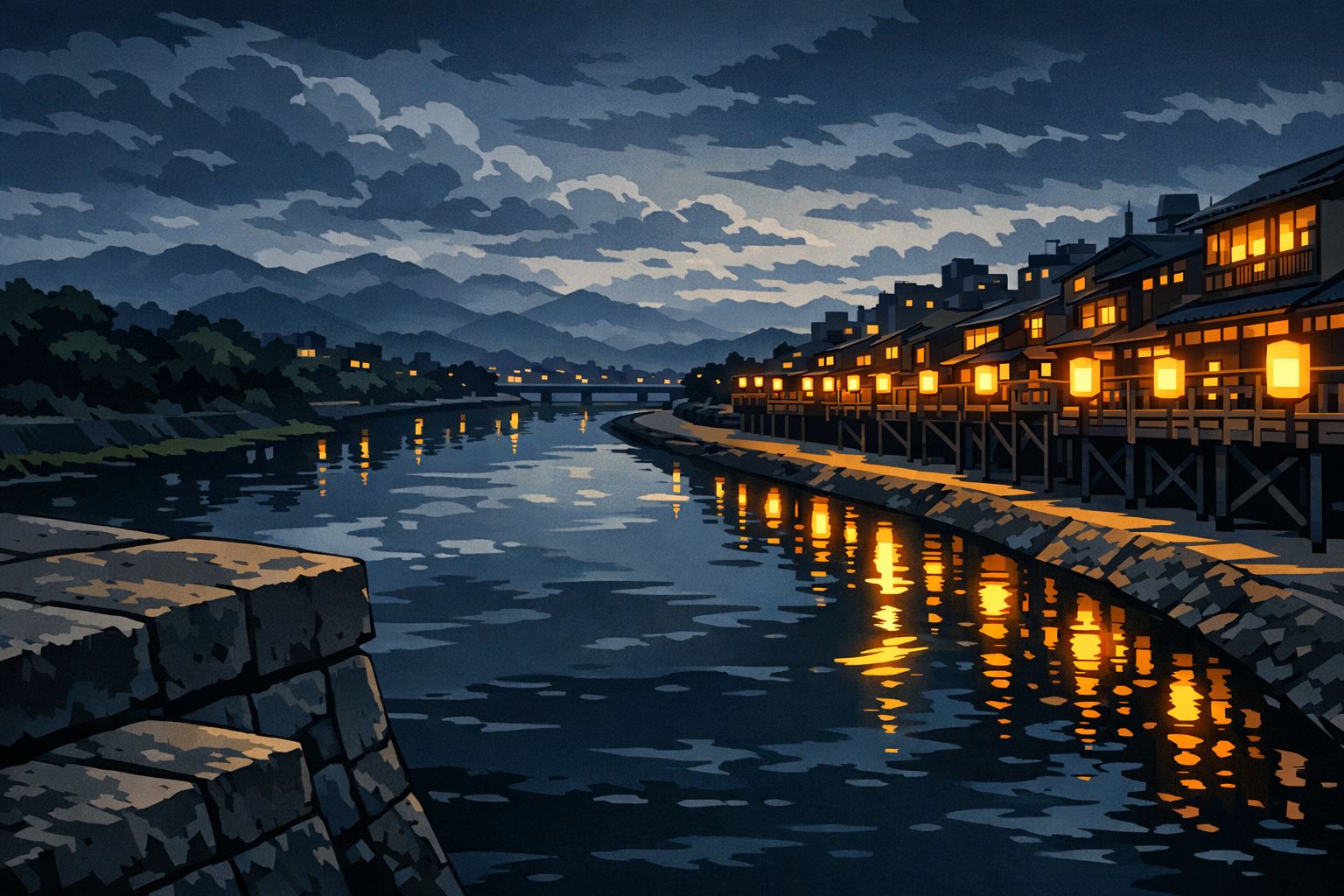
Kyoto at nightfall. The river reflects the first lanterns. The shadows are long, and the air smells of charcoal and rain.
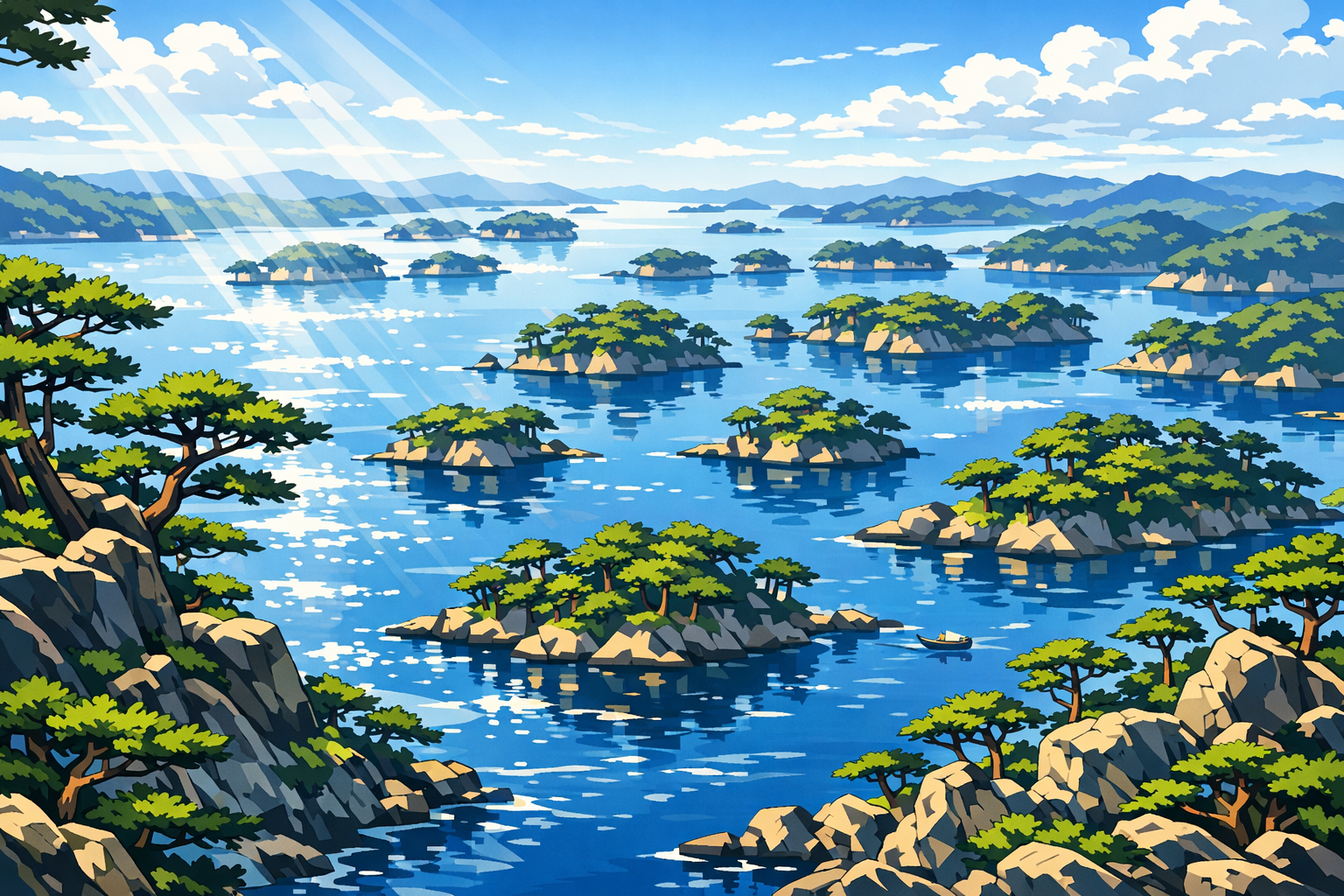
A thousand islands. Each one a world of its own. Ren feels his perspective shifting, seeing the patterns in the chaos.
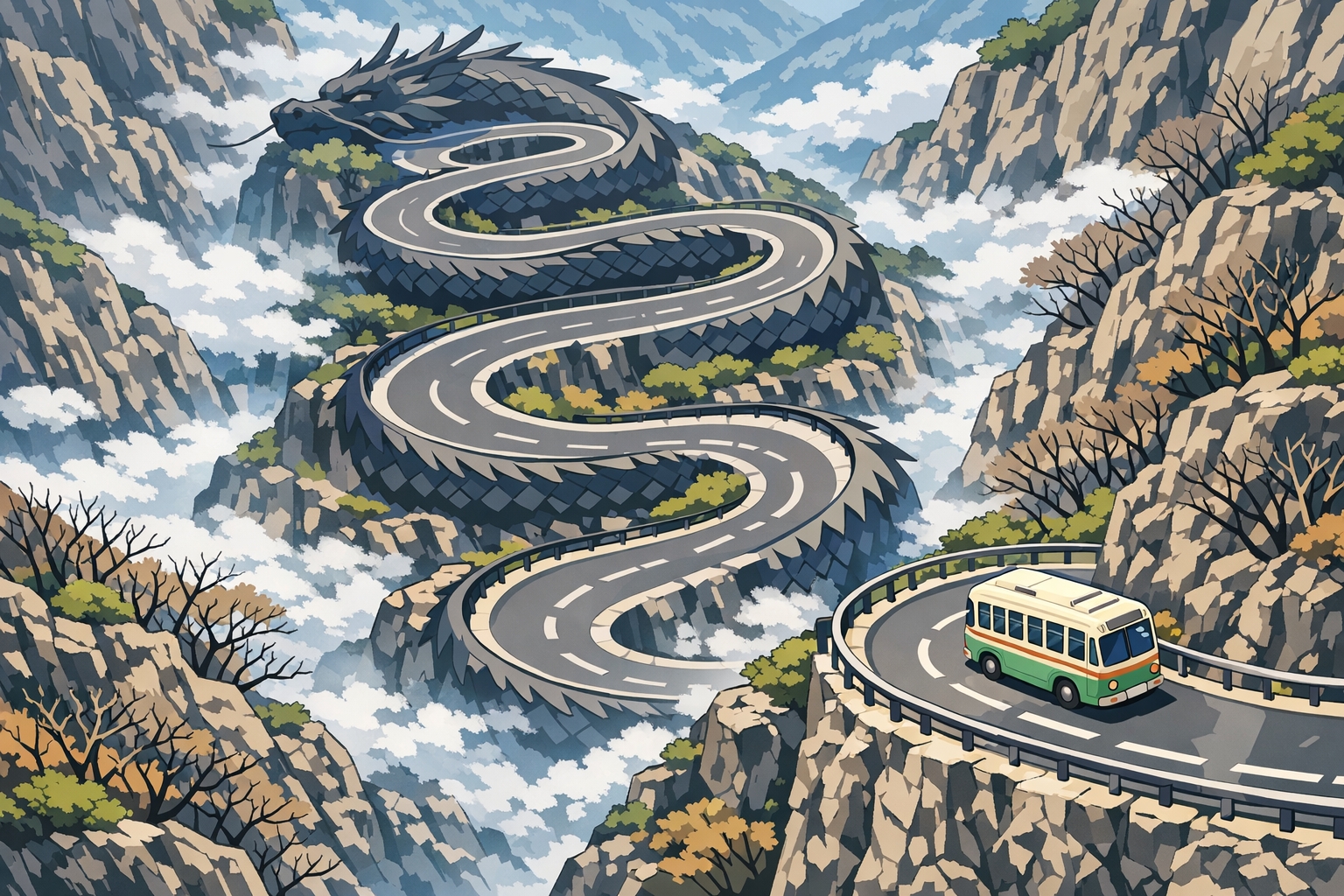
The road is a series of hairpin turns. Life is the same, Ren thinks. You never see the next curve until you’re in it.
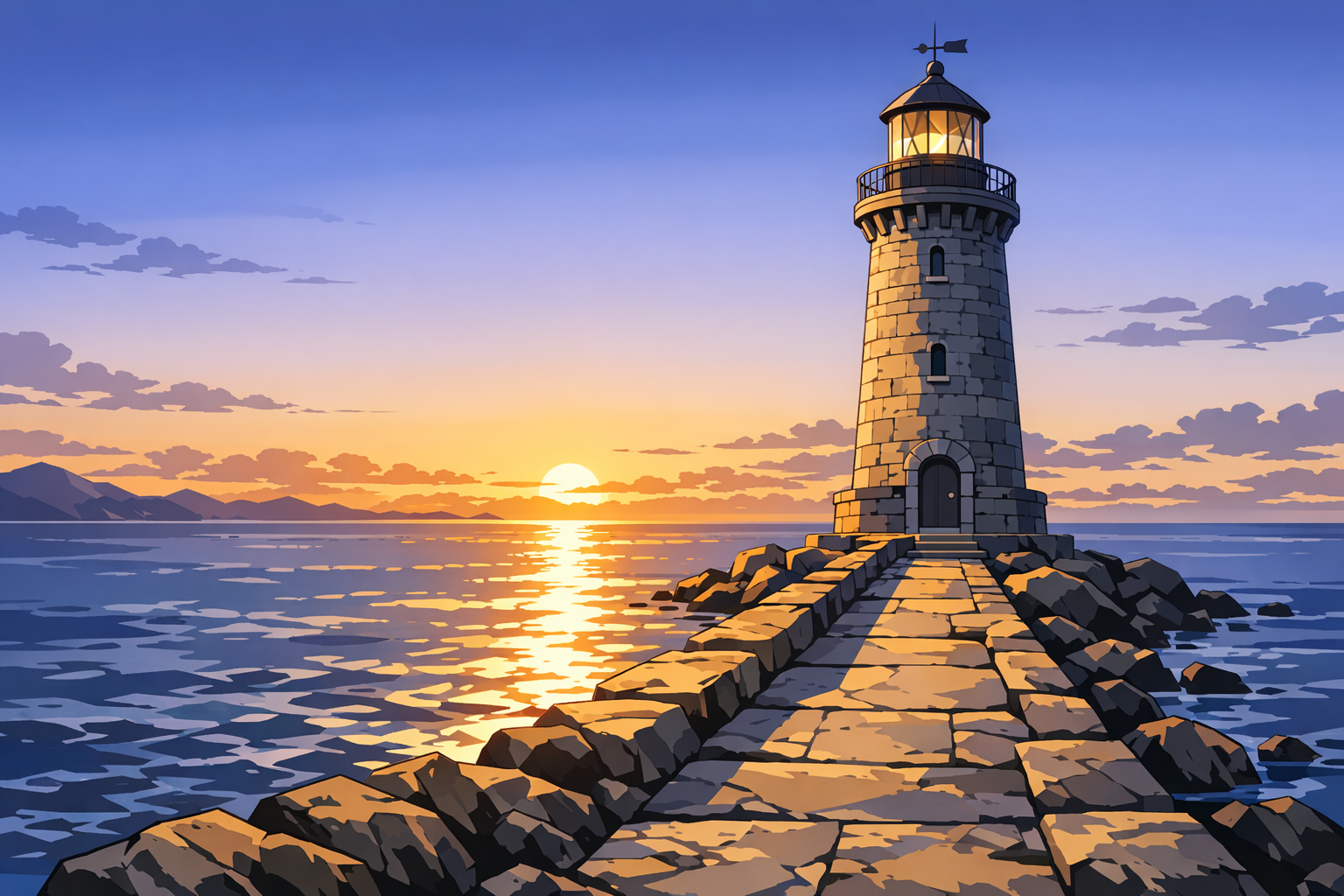
The day ends where the land meets the ocean. The lighthouse is a reminder that even in the dark, there is a way home.
Chapter 4
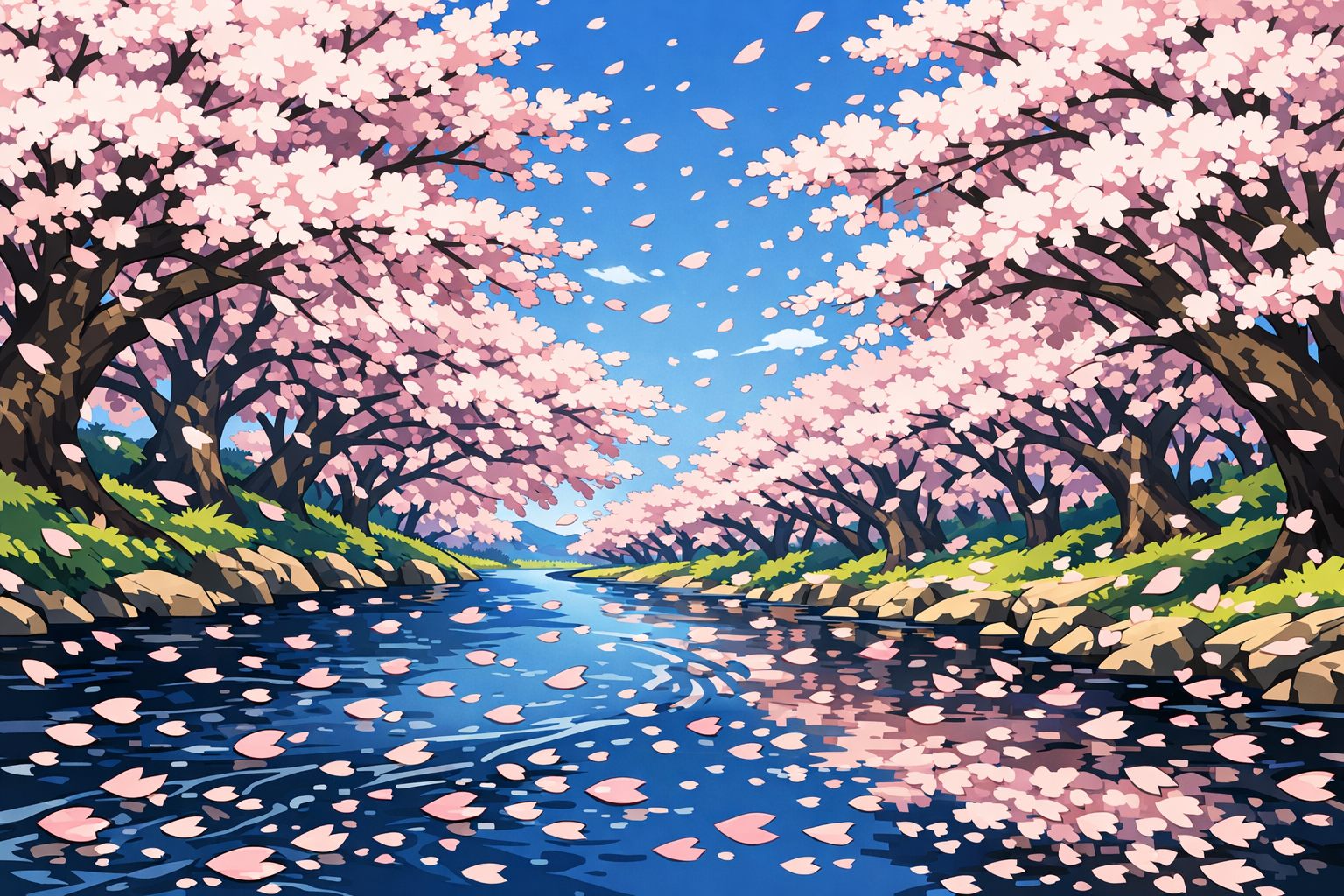
The blossoms fall like snow. Ren realises that beauty doesn’t have to last to be real. Its fleeting nature is its power.
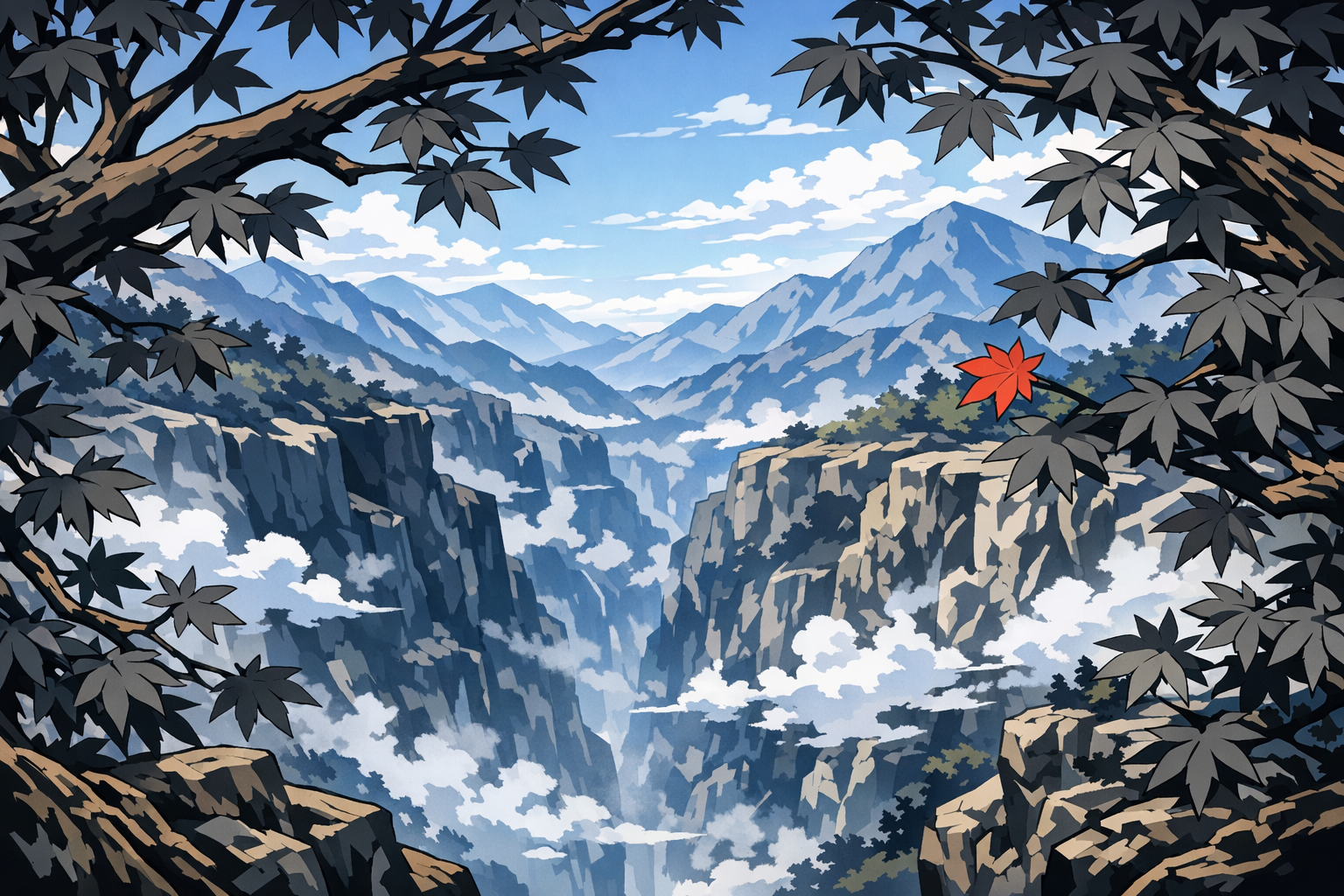
The maples are on fire (in shades of ash). The world is preparing for sleep. Ren feels a sense of quiet gratitude.
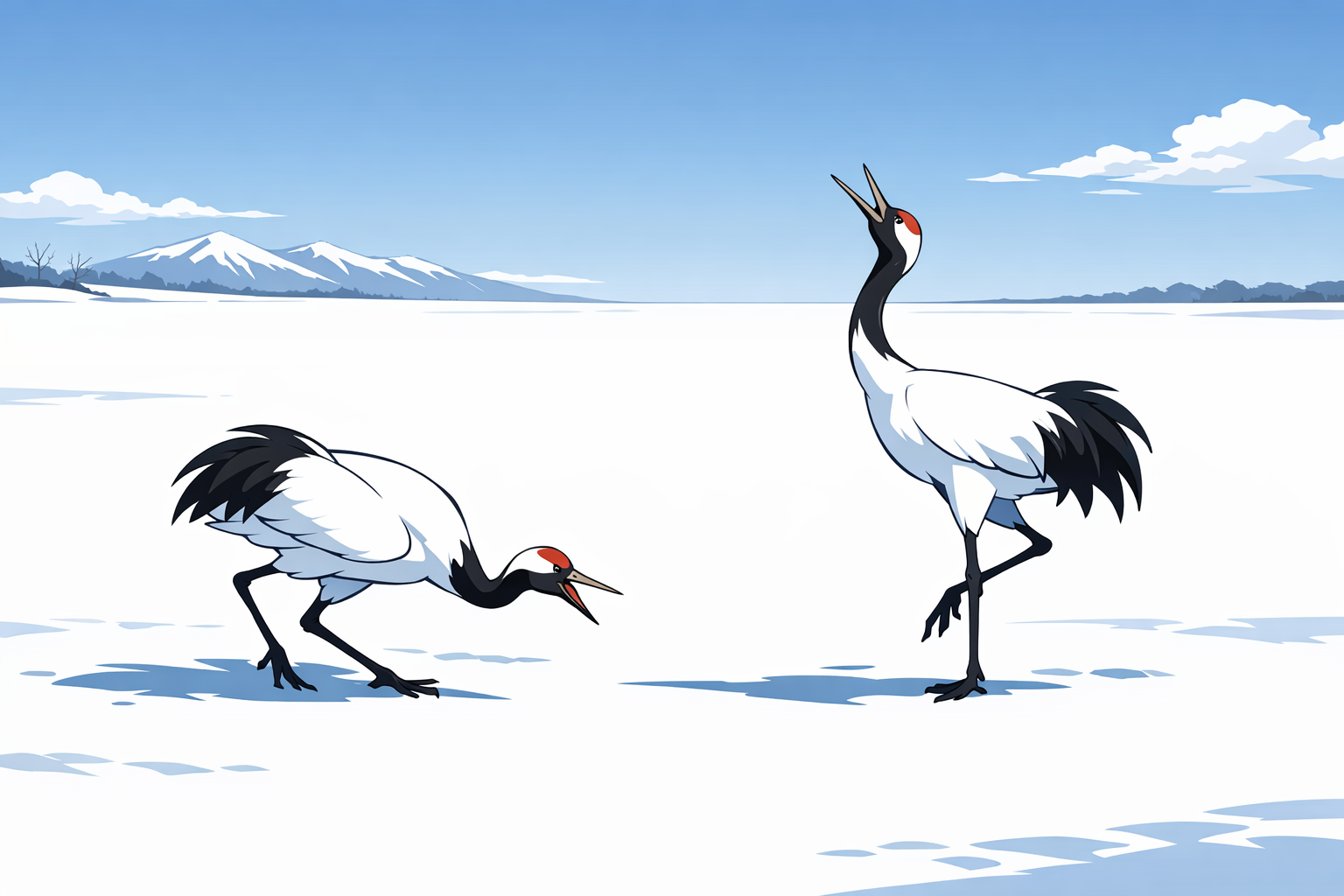
The cranes dance in the void. They are proof that even in the coldest winter, life can be graceful and bold.
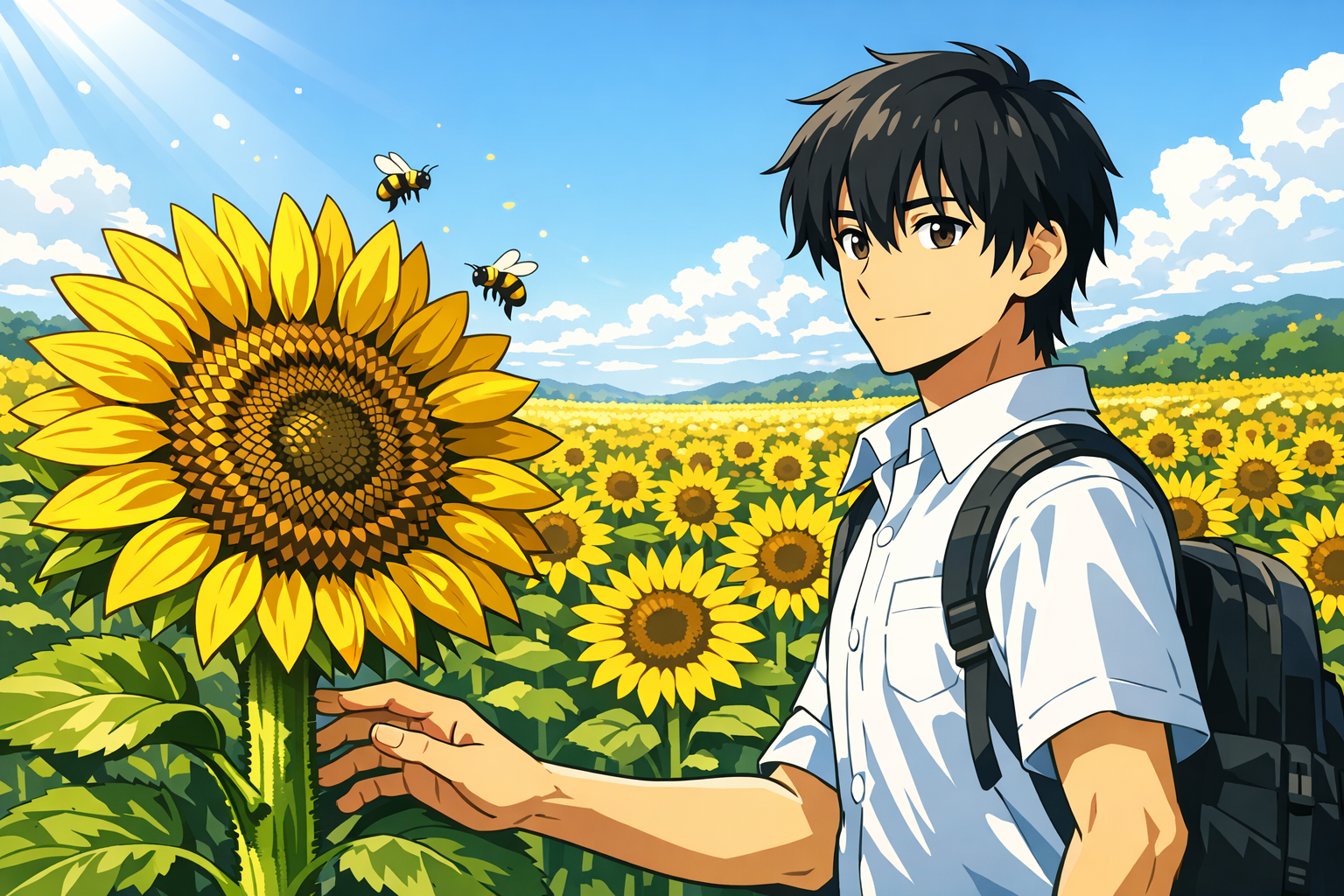
A sea of light. Ren stands among the heavy heads of the flowers, feeling the warmth of a sun he can finally “see.”
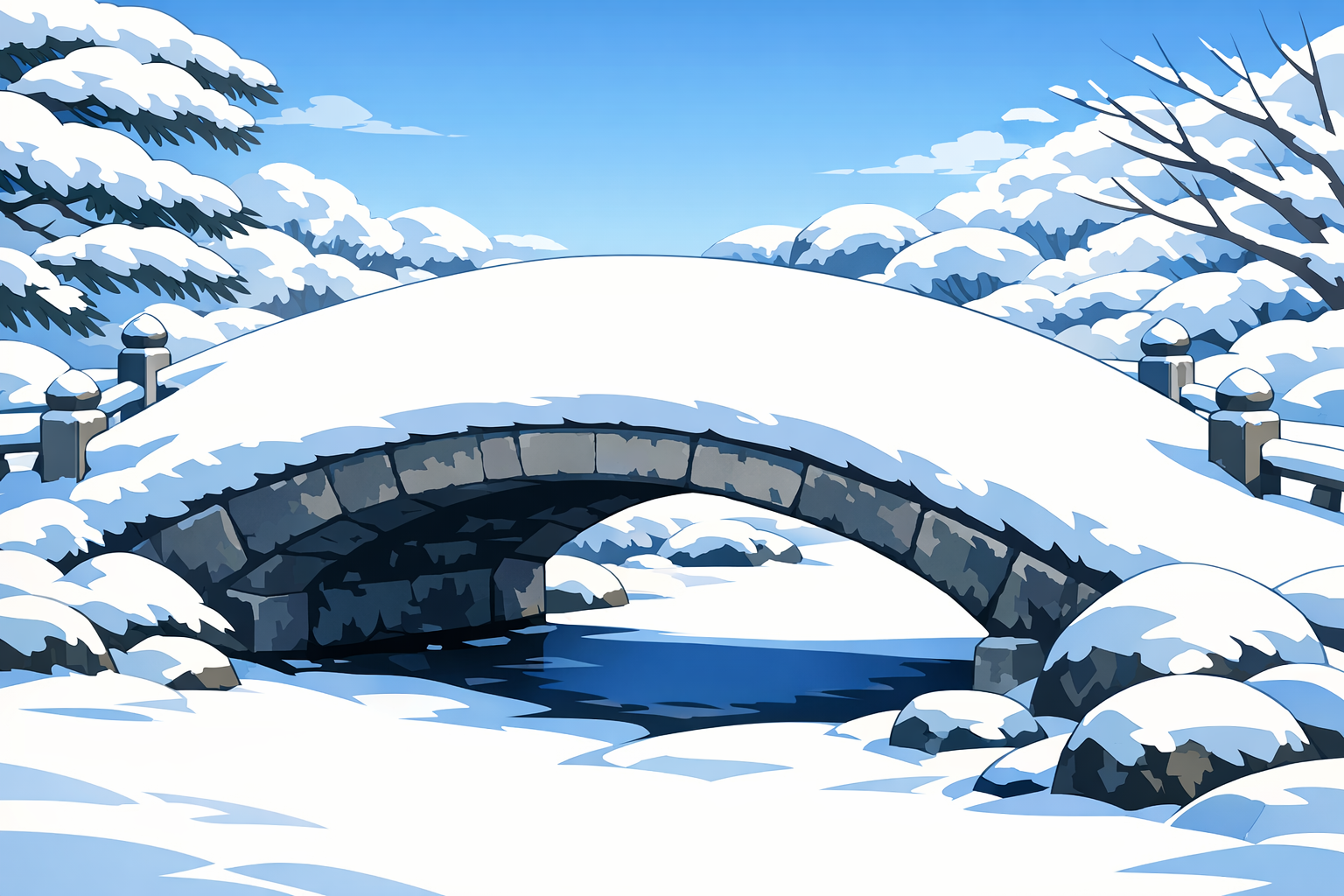
The snow covers the imperfections. It is a clean slate. Ren feels his own heavy thoughts being buried under the quiet.
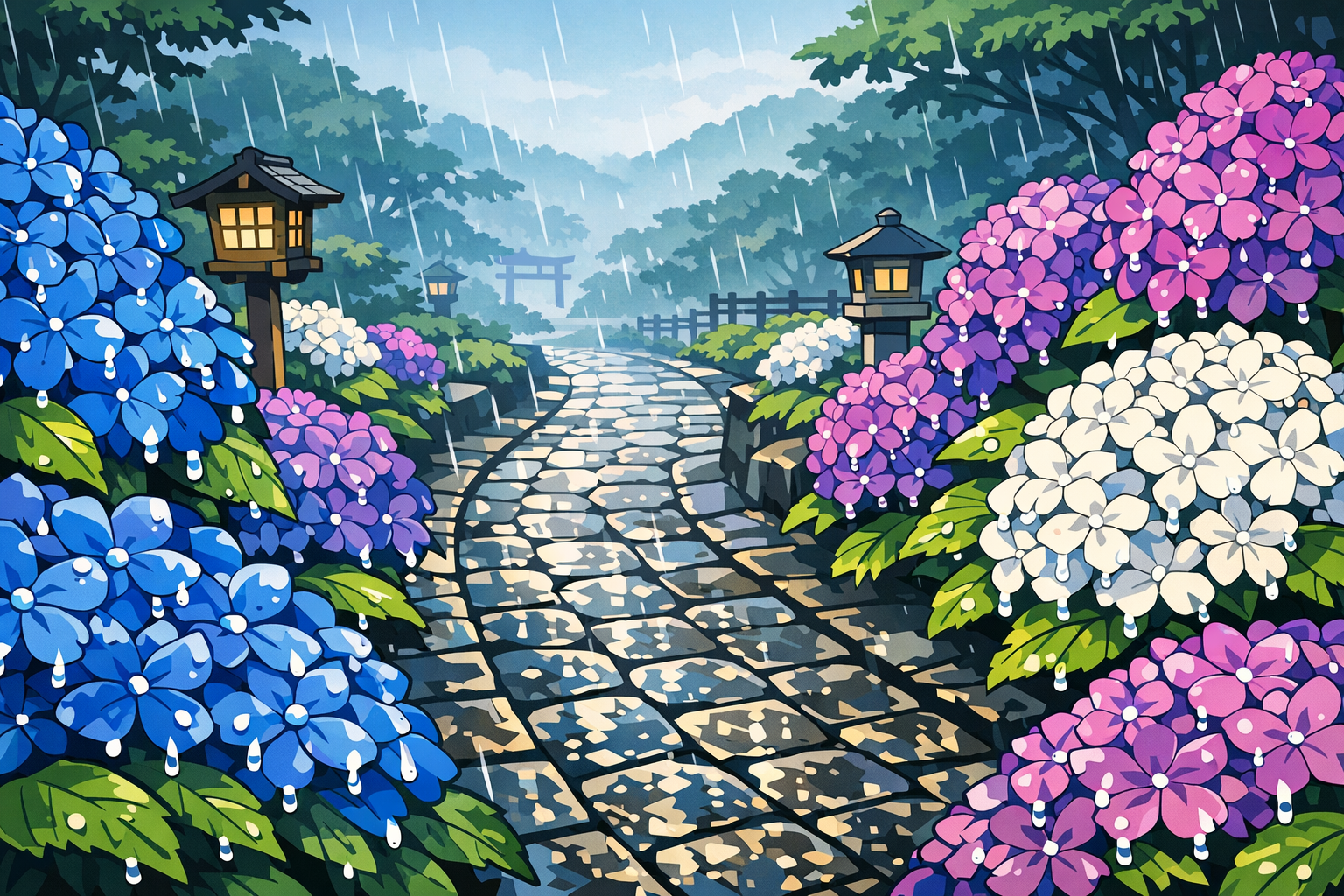
The rain brings a different kind of life. The hydrangeas drink the grey sky and turn it into something soft and round.
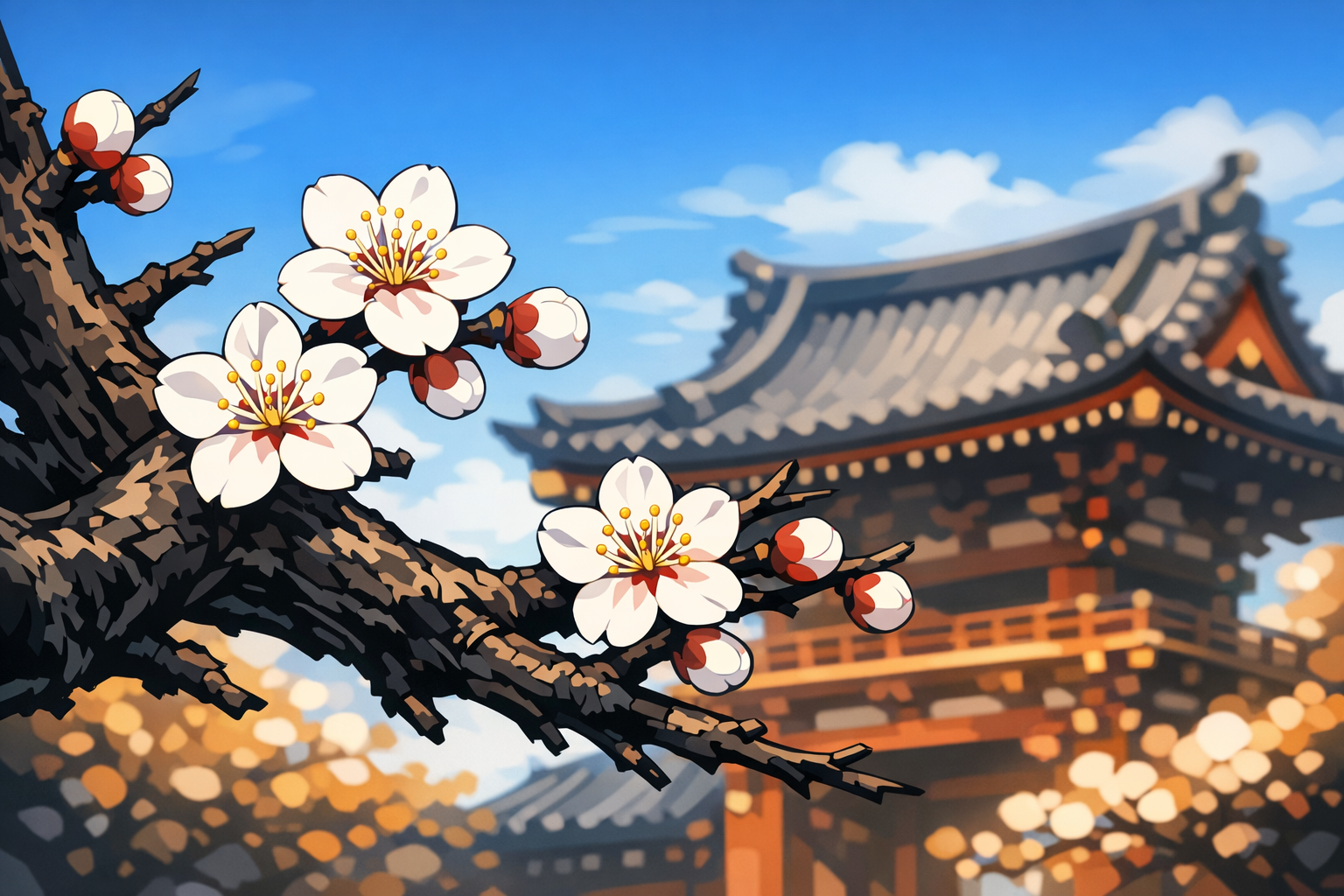
The first heralds of spring. They bloom while the air is still cold. Ren admires their quiet, stubborn bravery.
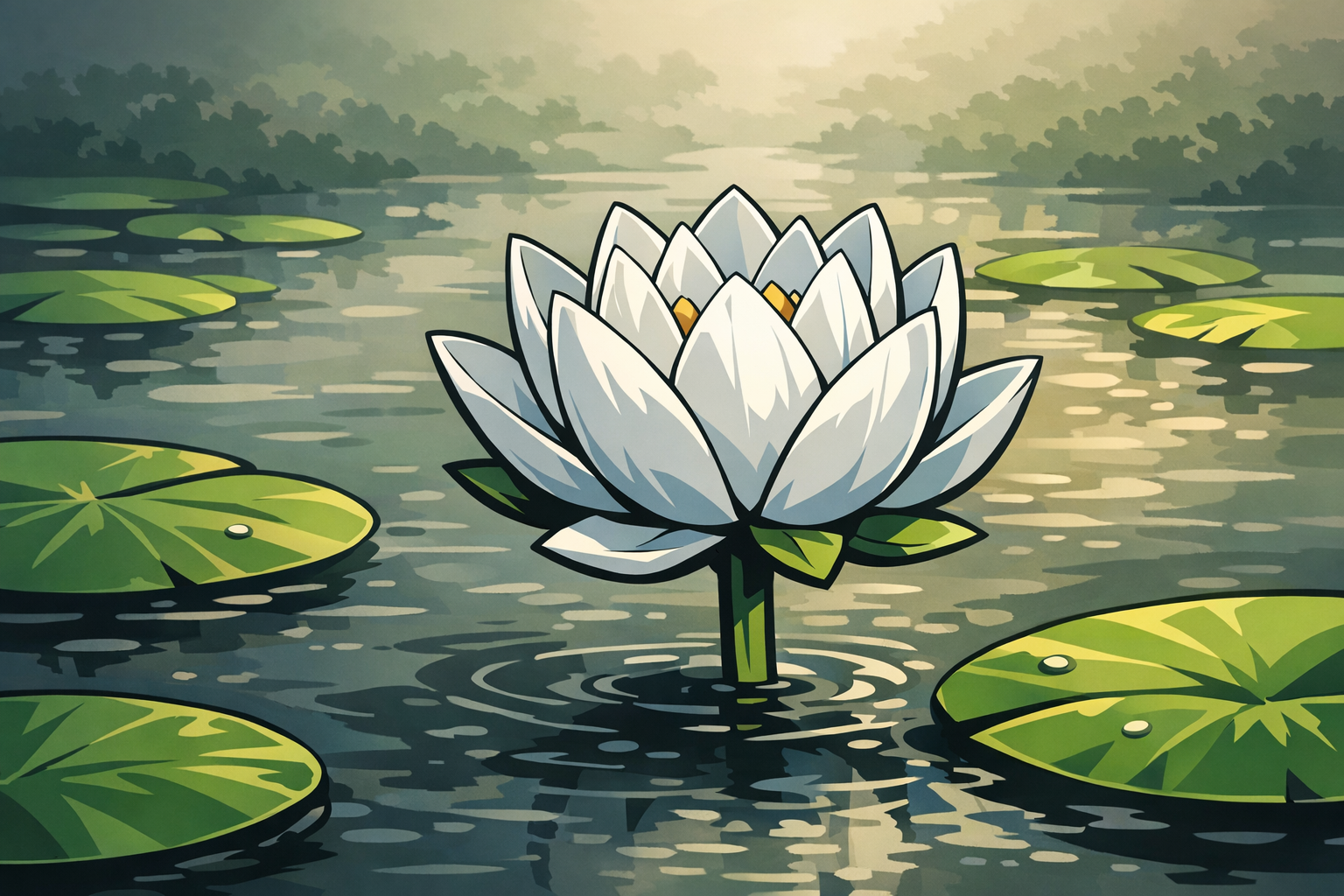
Out of the mud, the flower rises. Ren sees himself in the lotus—growing out of the urban grime into a clearer space.
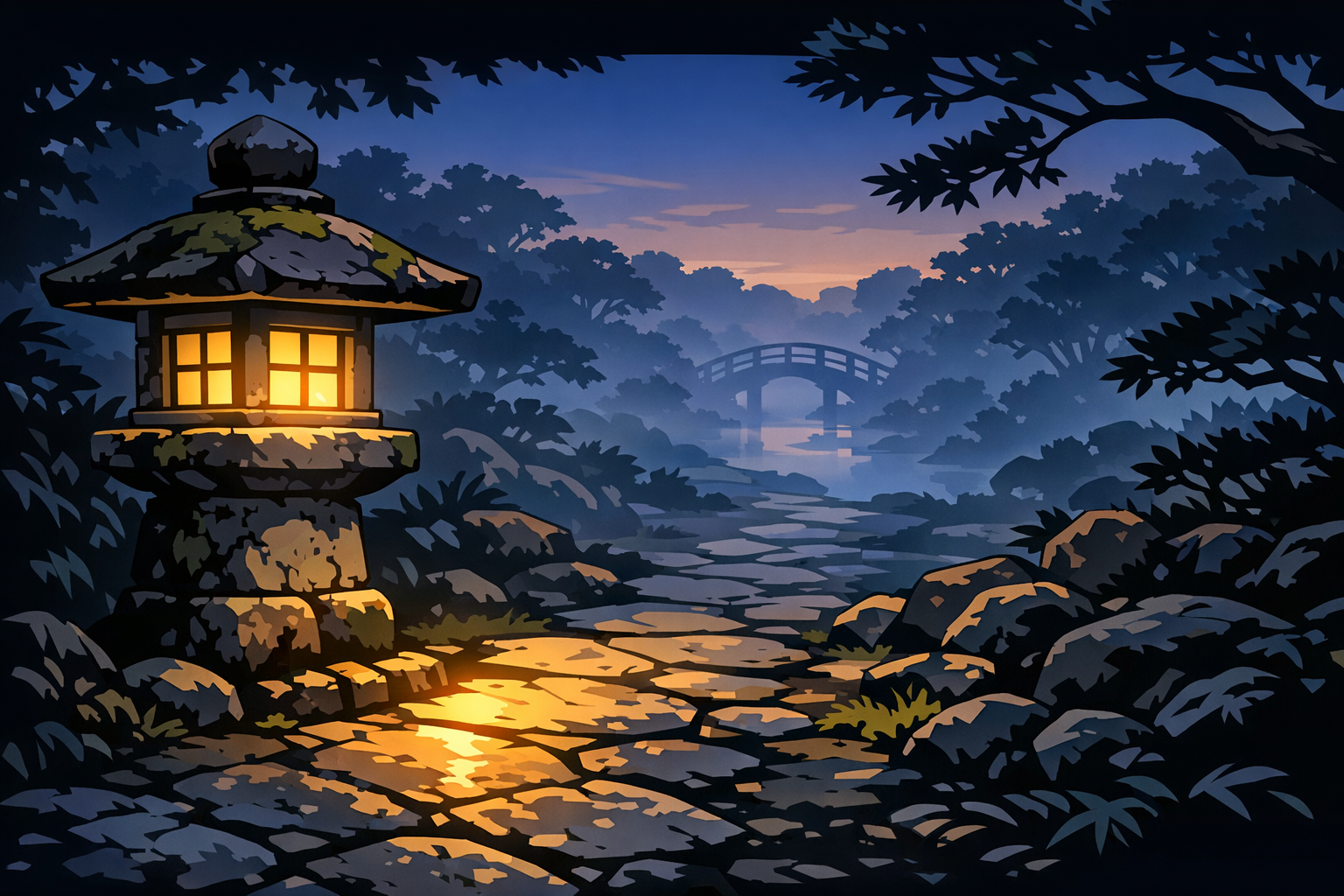
The lantern is a guide through the moss. It doesn’t light the whole path, only the next step. That is enough.
Chapter 5
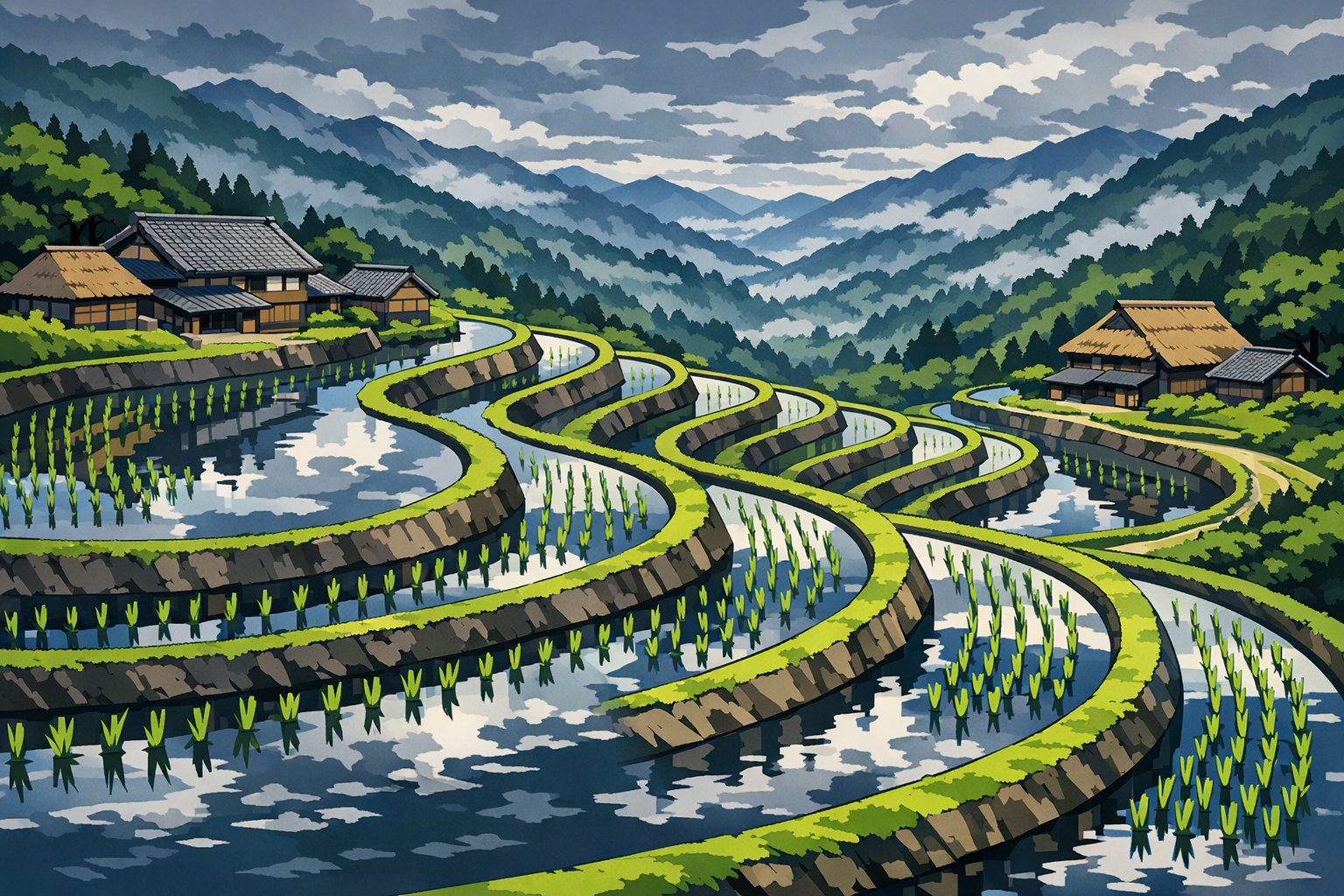
The work of human hands on the earth. Ren sees the harmony in the labor, the geometry of survival and peace.
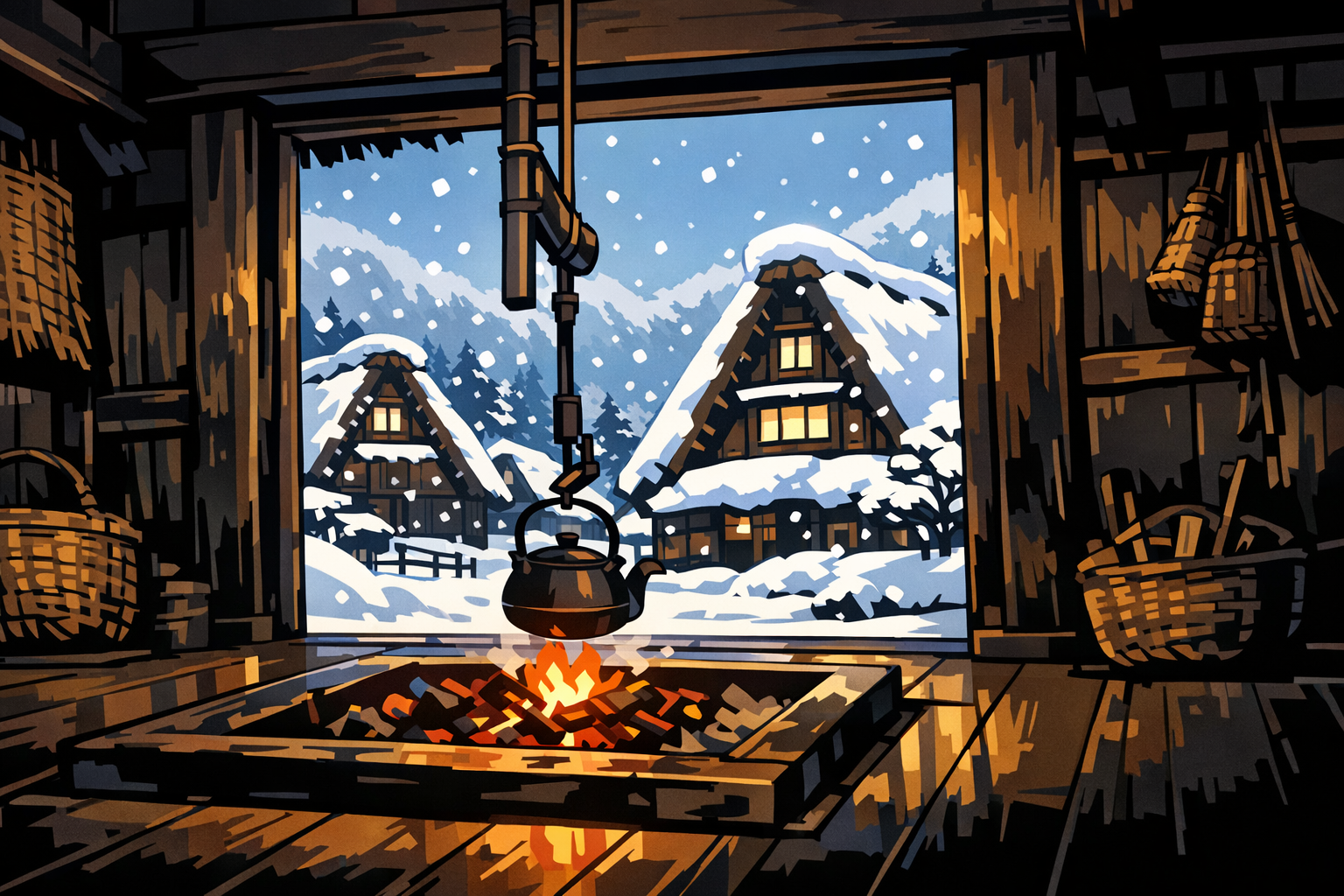
In the hidden village, the houses look like hands pressed together in prayer. Ren feels the warmth of the hearth inside.
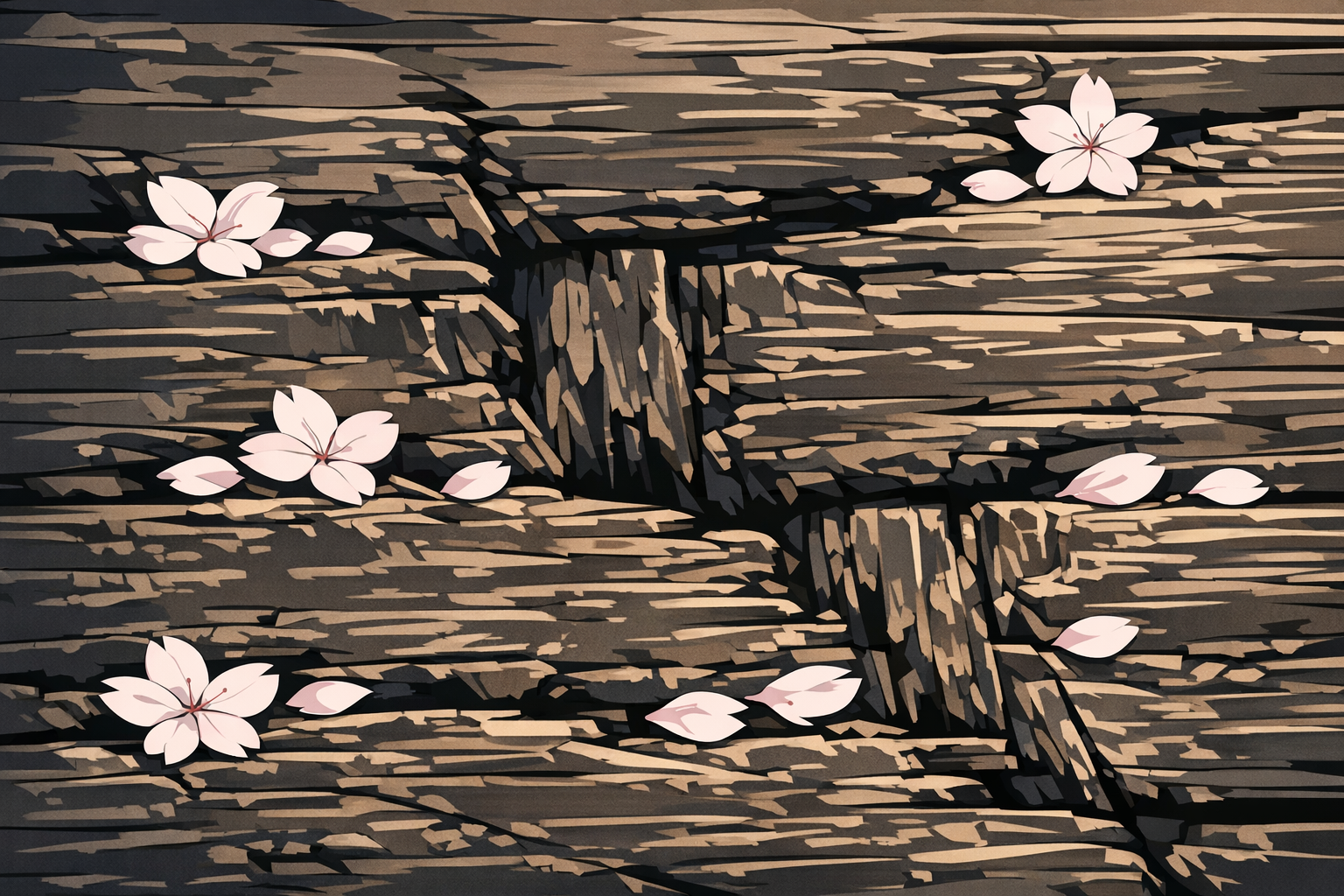
The walls are old and scarred, but they stand firm. Ren learns that strength is often found in what we choose to protect.
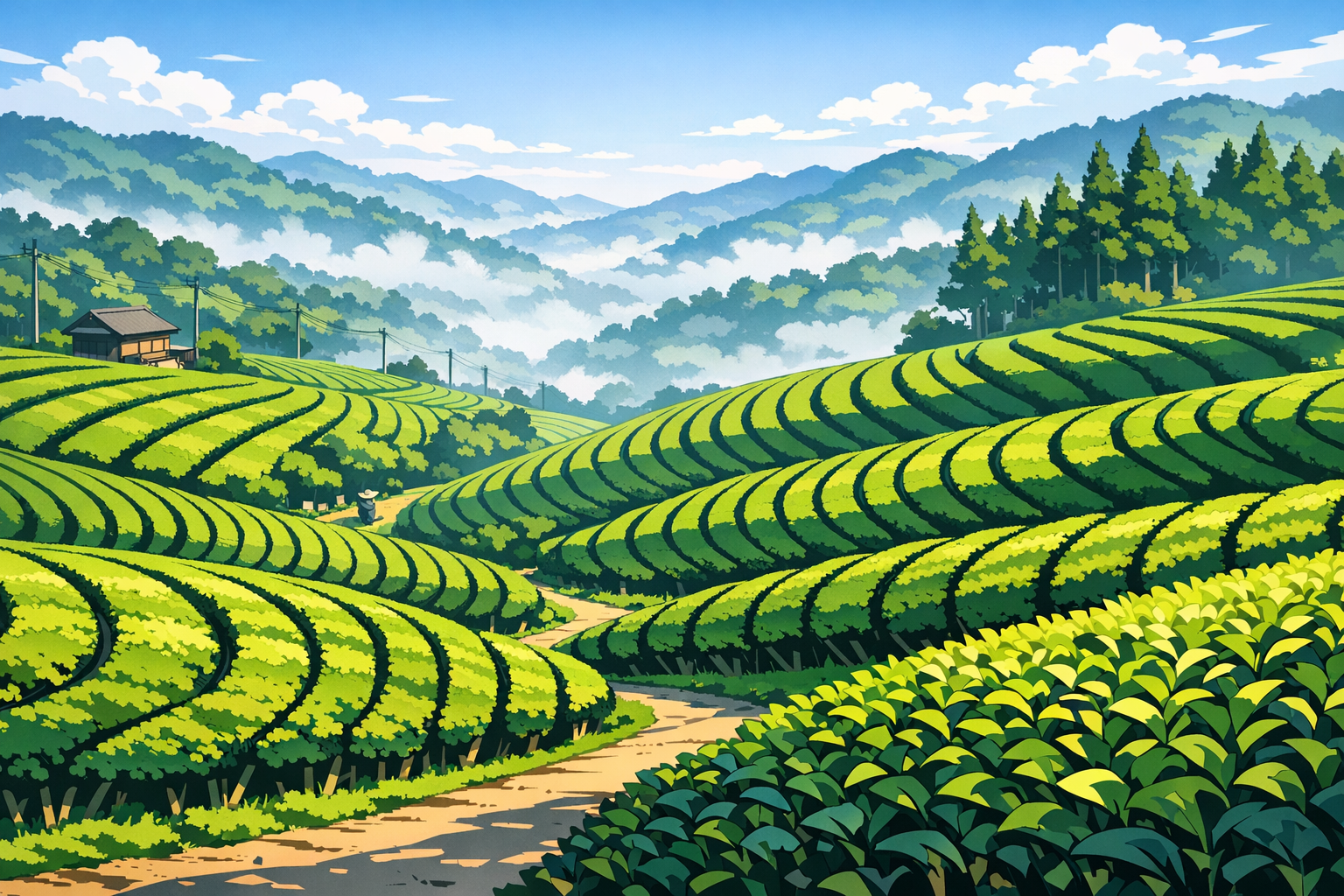
The landscape is a fingerprint of the farmers. Ren sees the order in the green, a pattern he can finally understand.
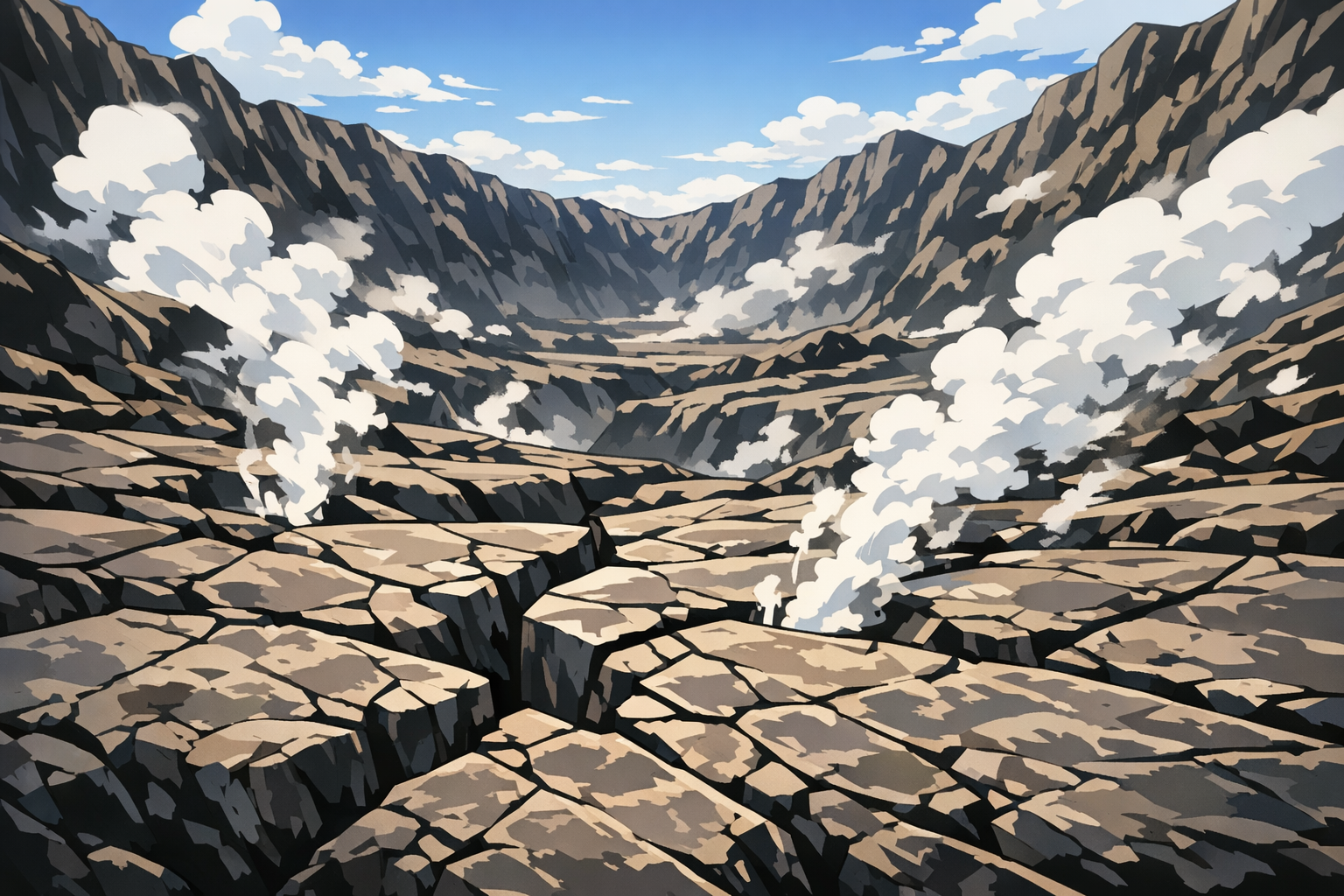
The earth is still alive and breathing. The caldera is a reminder of the fire that lies beneath even the quietest peaks.
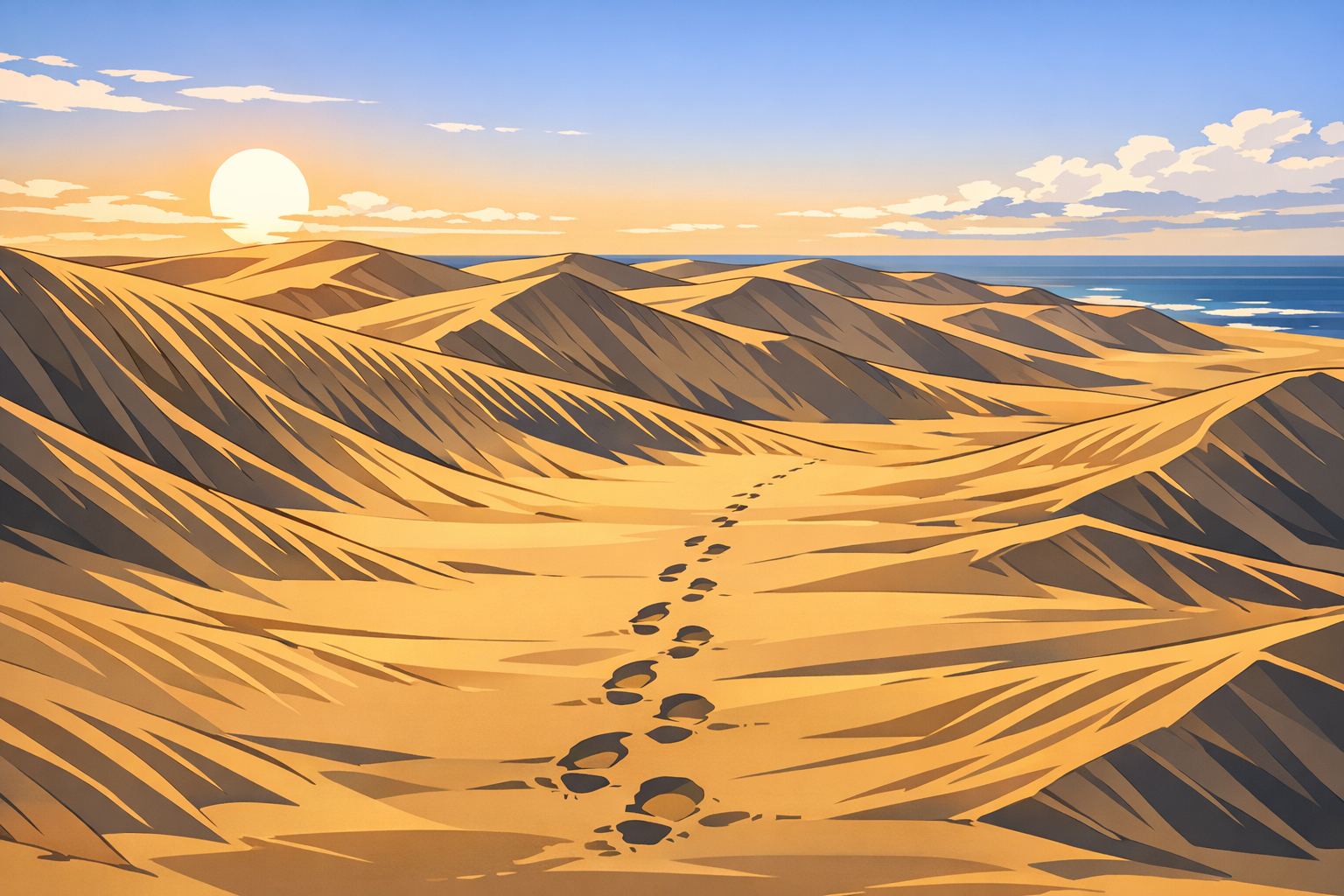
The sand is ever-changing. Ren walks across the dunes, leaving footprints that will be gone by morning. He is okay with that.
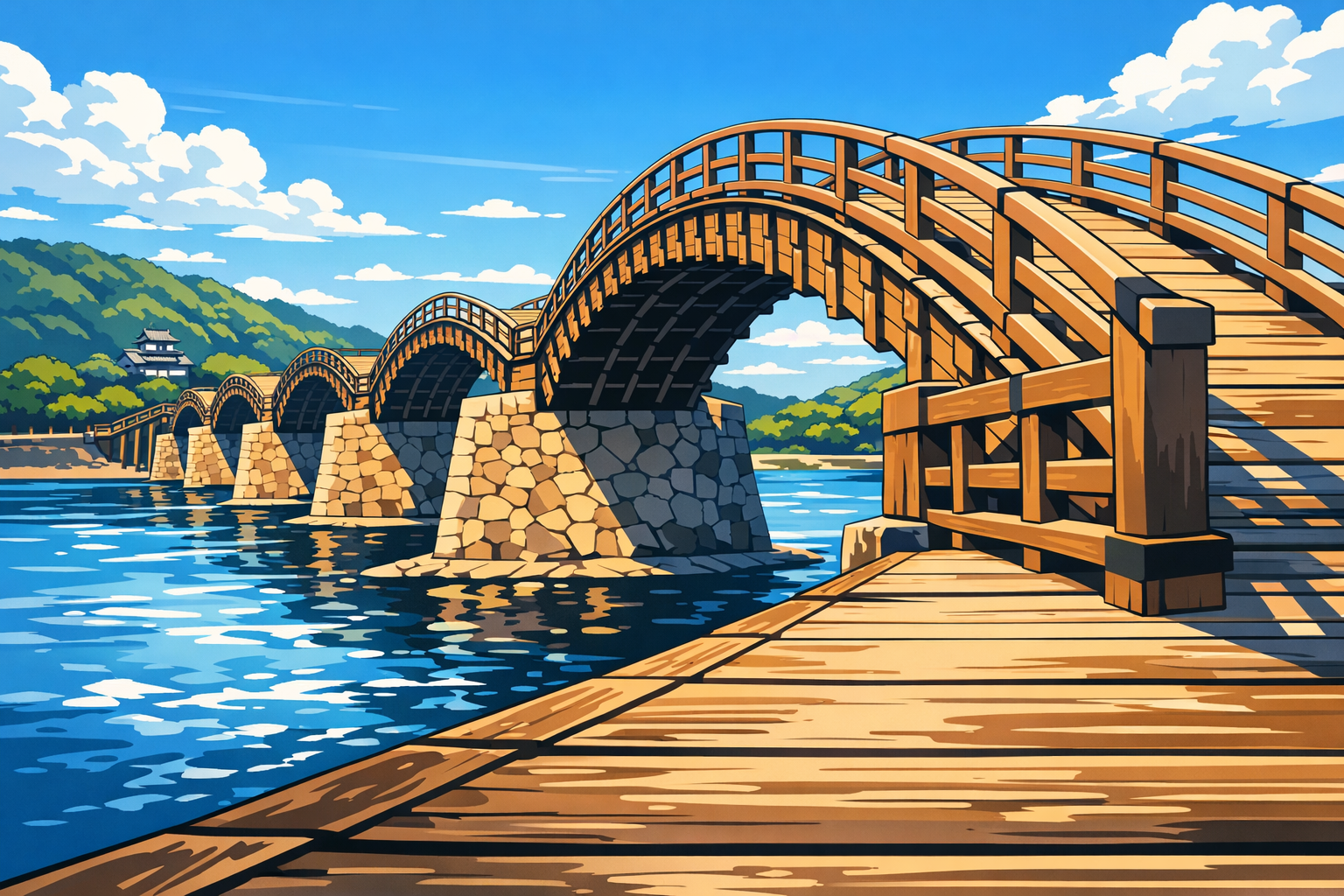
The bridge is a rhythm. One arch for every struggle he has left behind. He walks over the final one with a light step.
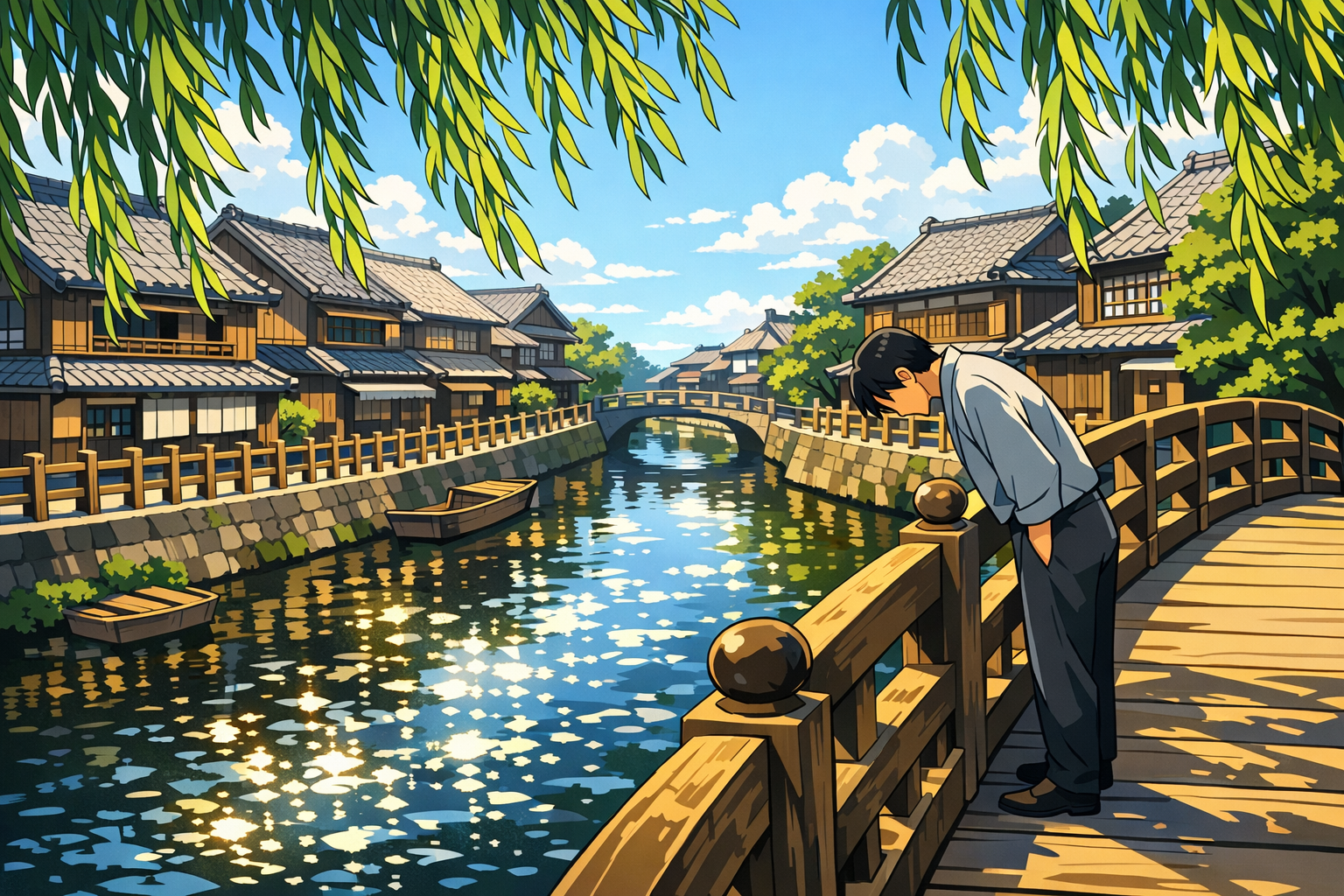
The willows bow to the water. Ren bows to the journey. He is almost back to the start, but he is a different man.
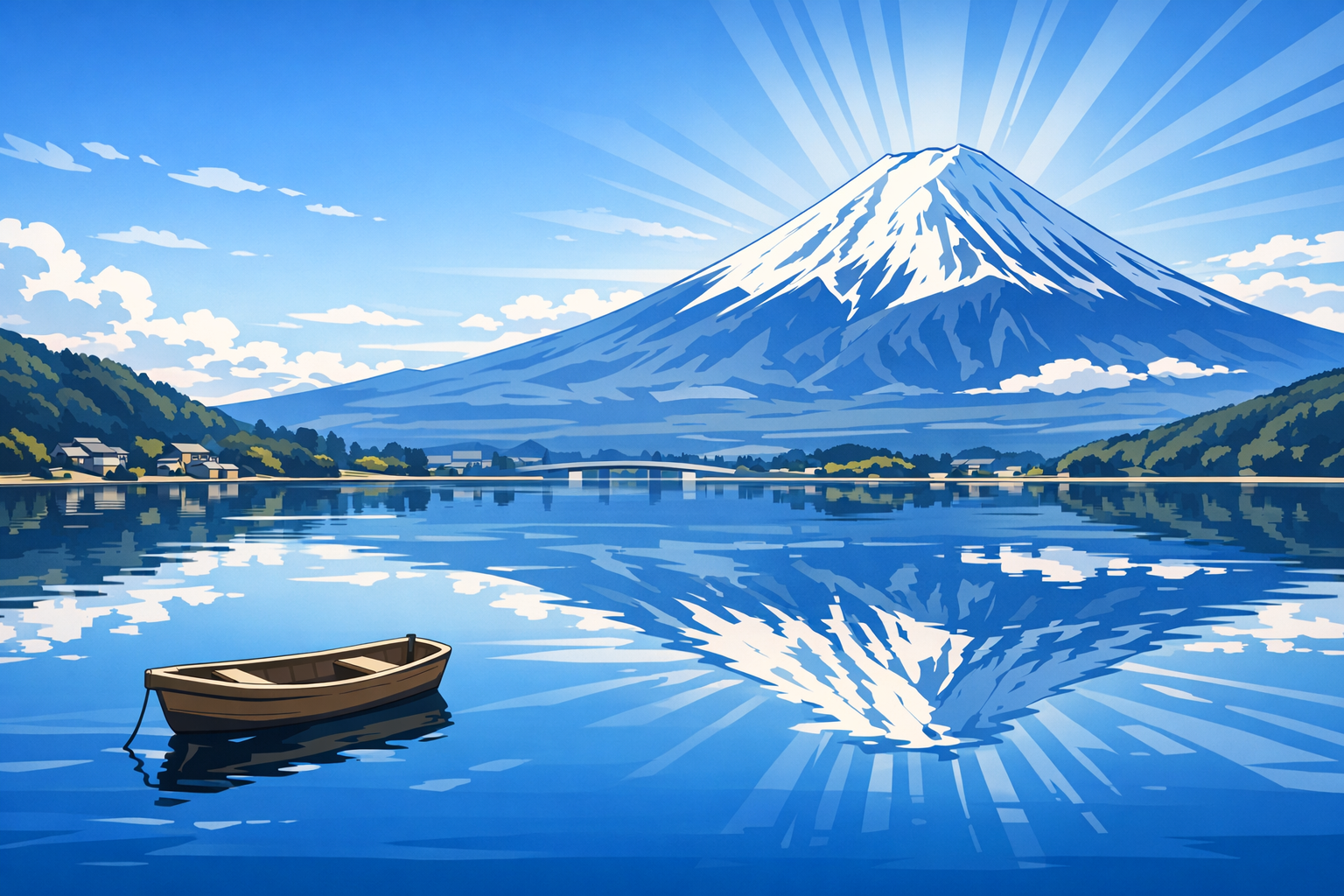
The pilgrimage ends. Fuji stands clear and bright in his mind. He picks up his pen and adds the first stroke of colour.
With this, we come to the end of The Inkstone Diary! We hope you have enjoyed the journey.
Stay tuned for the next book and the next adventure!
Cheers!!

