Mastering White Balance: Bringing Colors to Life in Your Photographs

Capturing vibrant and true-to-life colours is essential in photography. One crucial aspect that contributes to colour accuracy is white balance. Understanding and effectively controlling white balance can transform your images from dull to stunning. In this blog post, we’ll demystify the concept of white balance, explain its importance, and provide practical tips to help you achieve accurate colour representation in your photographs.

What is White Balance?
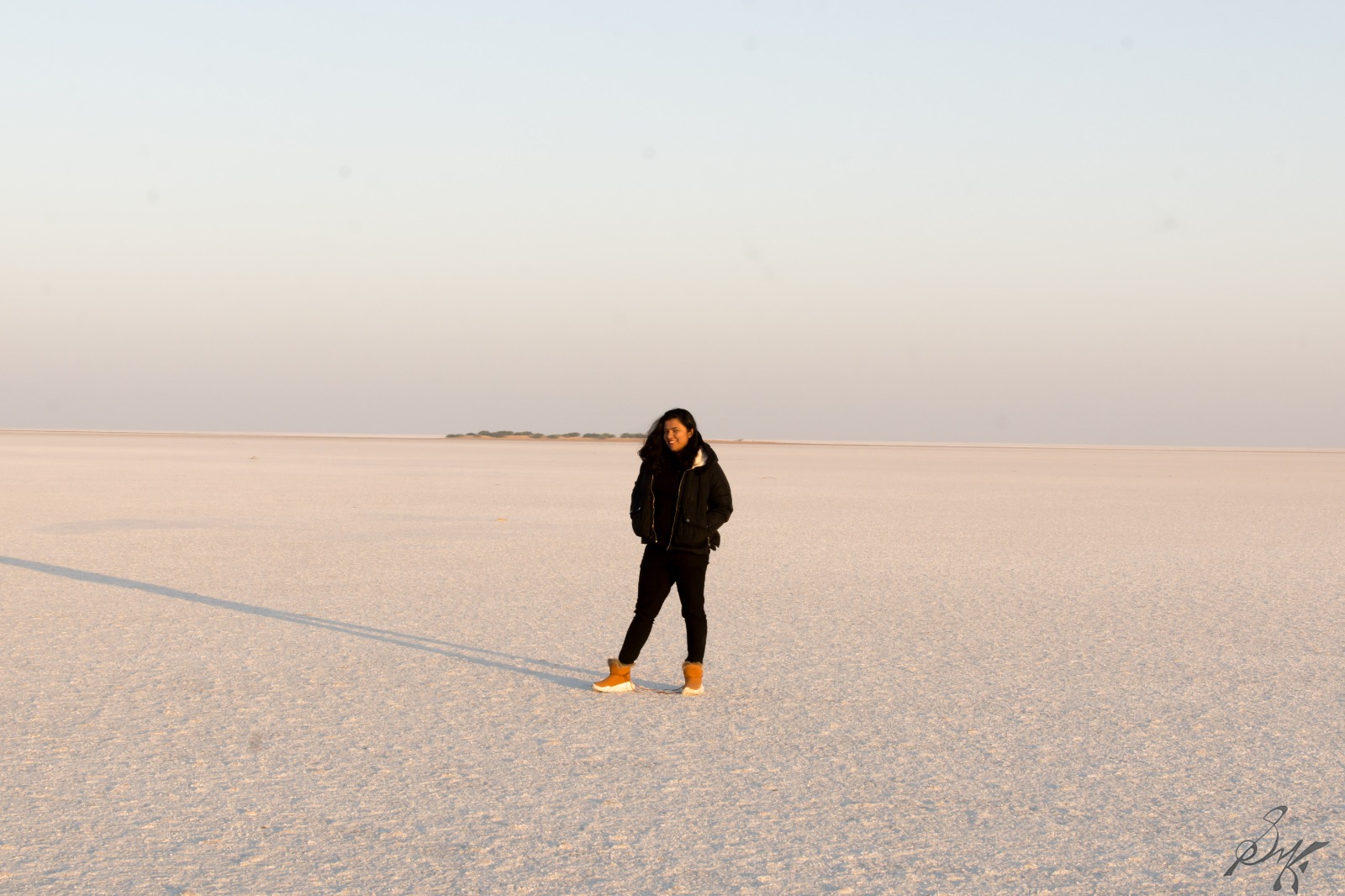
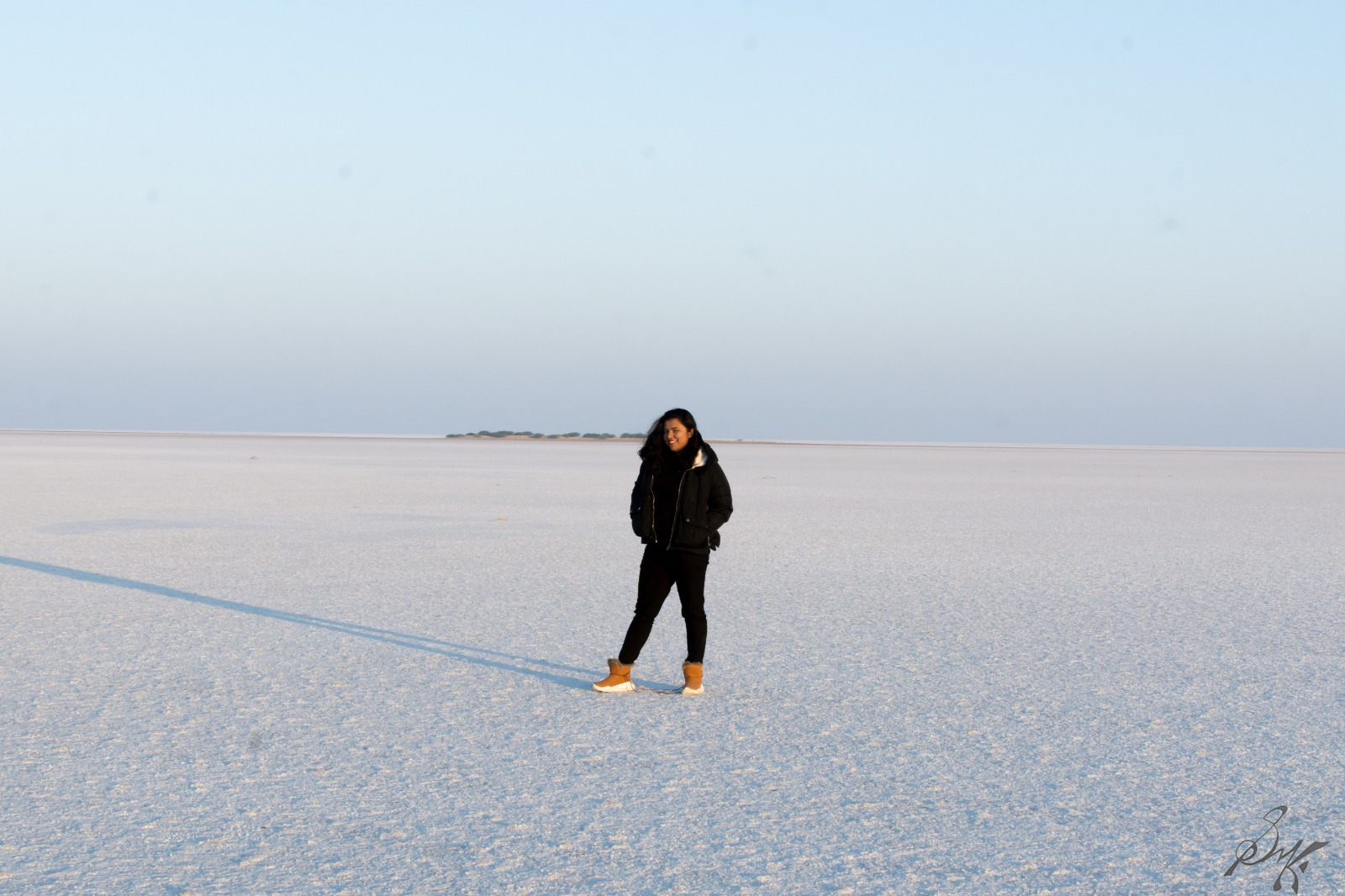
White balance refers to the adjustment of colours in a photograph to ensure that white appears neutral and that other colours are accurately represented. It is a vital setting that balances the temperature of the light source with the camera’s sensor, resulting in natural-looking colours. Different light sources emit varying colour temperatures, such as warm orange tones in incandescent lighting or cool blue hues in daylight. Understanding white balance allows photographers to correct these colour shifts and achieve accurate and pleasing colour renditions.

Importance of White Balance
Accurate white balance enhances the overall mood and impact of your photographs. It ensures that the colours you capture reflect the scene as you witnessed it, creating a sense of realism and authenticity. Proper white balance eliminates unwanted colour casts, such as the bluish tint in shaded areas or the yellowish cast in indoor lighting, providing a more pleasing viewing experience. Whether you’re shooting portraits, landscapes, or still life, mastering white balance empowers you to convey the intended emotions and atmosphere effectively.

White Balance Settings
Modern cameras offer various white balance settings, including Auto, Daylight, Cloudy, Shade, Tungsten, Fluorescent, and Custom. Auto white balance (AWB) is convenient but not always accurate, especially in challenging lighting conditions. Experimenting with different presets or manually adjusting the white balance can yield better results. Custom white balance allows you to calibrate it based on the specific lighting conditions, ensuring precise colour accuracy. Additionally, shooting in RAW format enables greater flexibility in post-processing, allowing white balance adjustments without sacrificing image quality.

Practical Tips for Accurate White Balance
a. Use a grey card or a white reference object to set a custom white balance accurately.
b. Utilize the Kelvin temperature scale to fine-tune white balance manually.
c. Pay attention to the colour of light sources and adjust accordingly (e.g., warm indoor lighting or cool shade).
d. Shoot in RAW format to have greater flexibility during post-processing.
e. Experiment with creative white balance adjustments to enhance the mood or convey a specific atmosphere.

Mastering white balance is a skill that can elevate your photography and breathe life into your images. By understanding the concept, adjusting settings, and employing practical techniques, you’ll achieve accurate and captivating colours in your photographs. To put it simply, white balance ensures that the whites in nature appear as white in the photo as well. Embrace the power of white balance to accurately represent scenes, evoke emotions, and tell your visual stories with impact.

Solar Eclipse From Vadodara

Solar eclipse is one of the natural phenomenons which draws awe every time it is visible.
In the recent past, we were lucky enough to be able to witness a partial solar eclipse from Vadodara, Gujarat, India.

We didn’t use any special devices or gears to capture the eclipse rather than use the basic settings used to shoot the sun, namely, smallest aperture and a reasonably fast shutter speed.

What are the camera settings for capturing solar eclipse?
F/36, 1/1600s and ISO 100 later, the outcome is as below!

As always, general precautions must be followed while looking at the sun. We used double polarized glasses to view the sun, though for little amount of time at a stretch.

An upcoming solar eclipse is scheduled in June 2020. Hopefully it shall be visible from Vadodara and more pictures of the same shall be shared.

Cheers!!

Ganesh Visarjan 2019: Vadodara

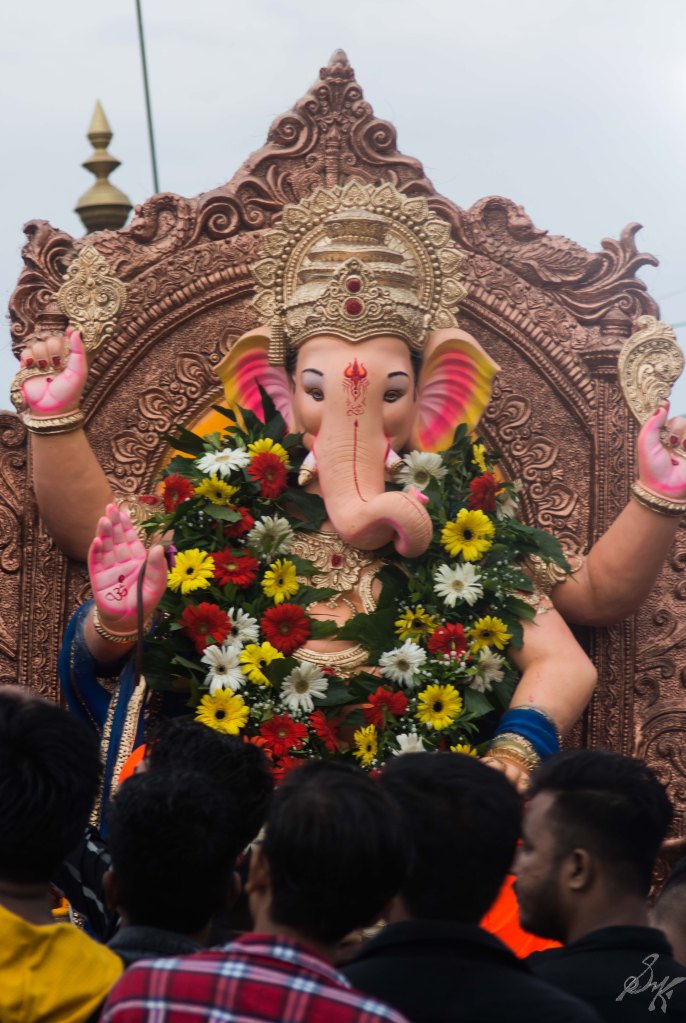
Since staying in Maharasthra, I have found Ganesh Chaturthi and the subsequent Visarjan quite a huge celebration. Off course, comparing the likes of Laalbaagcha Raja or Chinchpoklicha Chintamani is not justified, but here in Vadodara, the celebrations are vibrant and filled with enthusiasm.

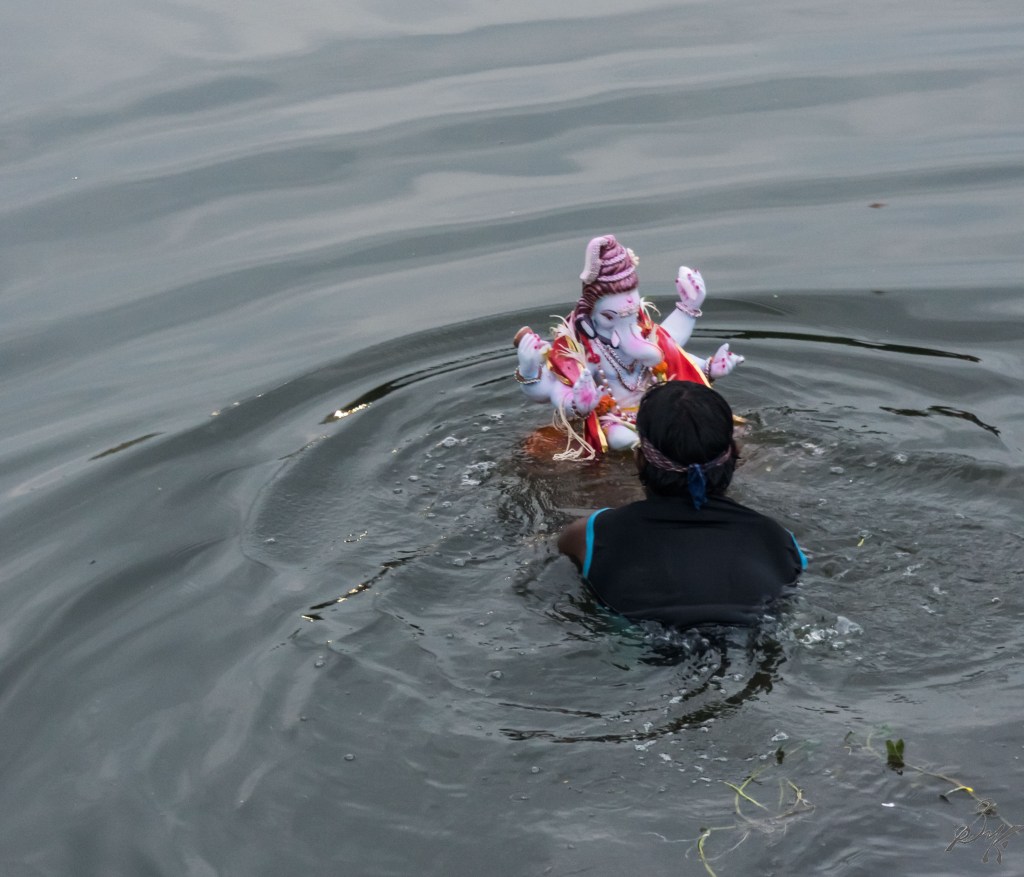
This time, I had the opportunity to cover a part of the visarjan at the Gotri lake at Gotri.

I loved the way each idol would be loaded on the platform and taken to the middle of the lake and then ceremoniously dunked in the water. This ensures a better immersion and hence a more complete dissolution of the idol. Let’s have a look.

I hear that the Sur Sagar lake hosts much bigger idols and draws a bigger crowd, hope to cover it next year.

The Mumbai Visarjan post can be found here.

Until next time,
Cheers!!

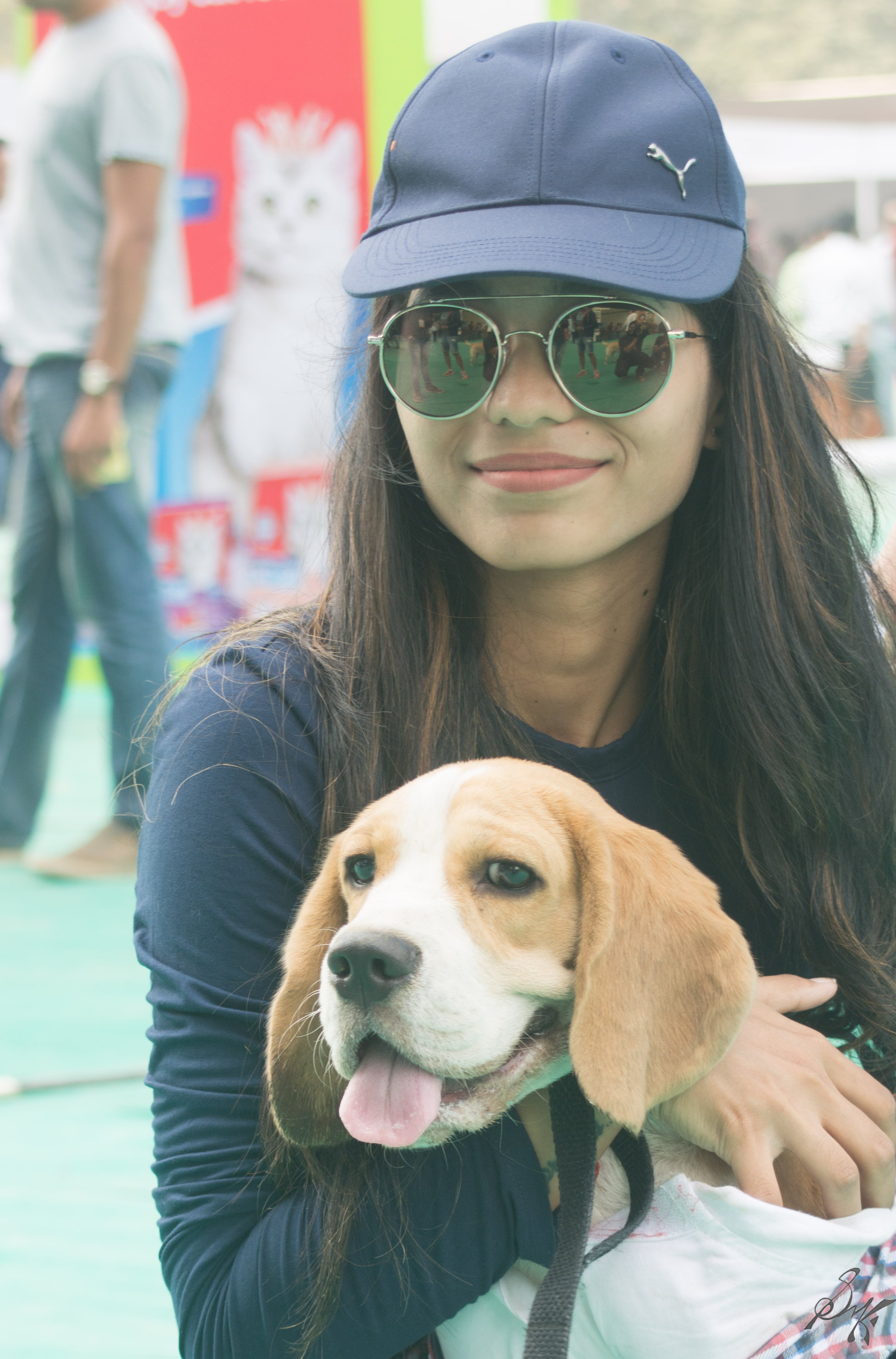
The PetFed Mumbai 2019: Part 1

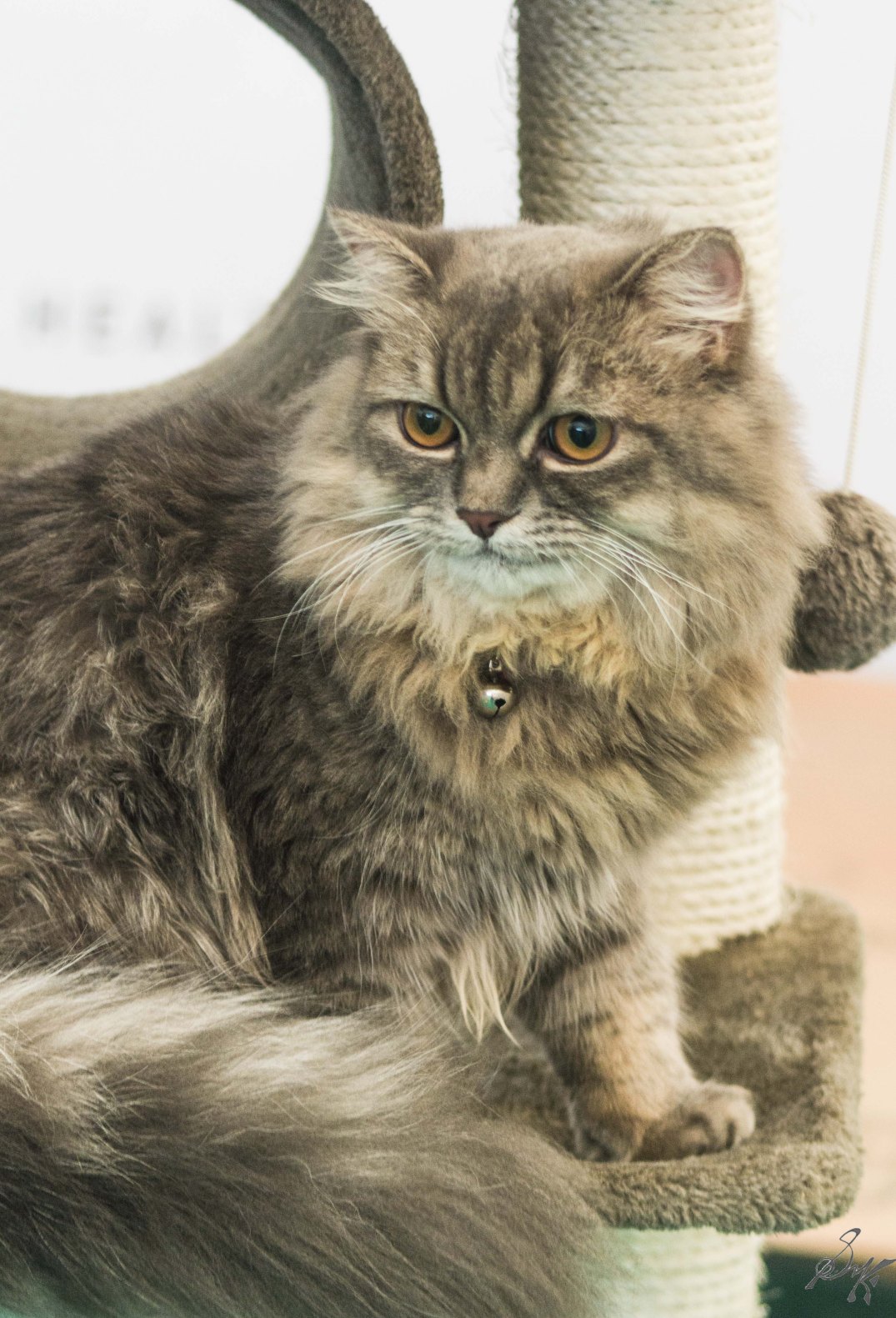
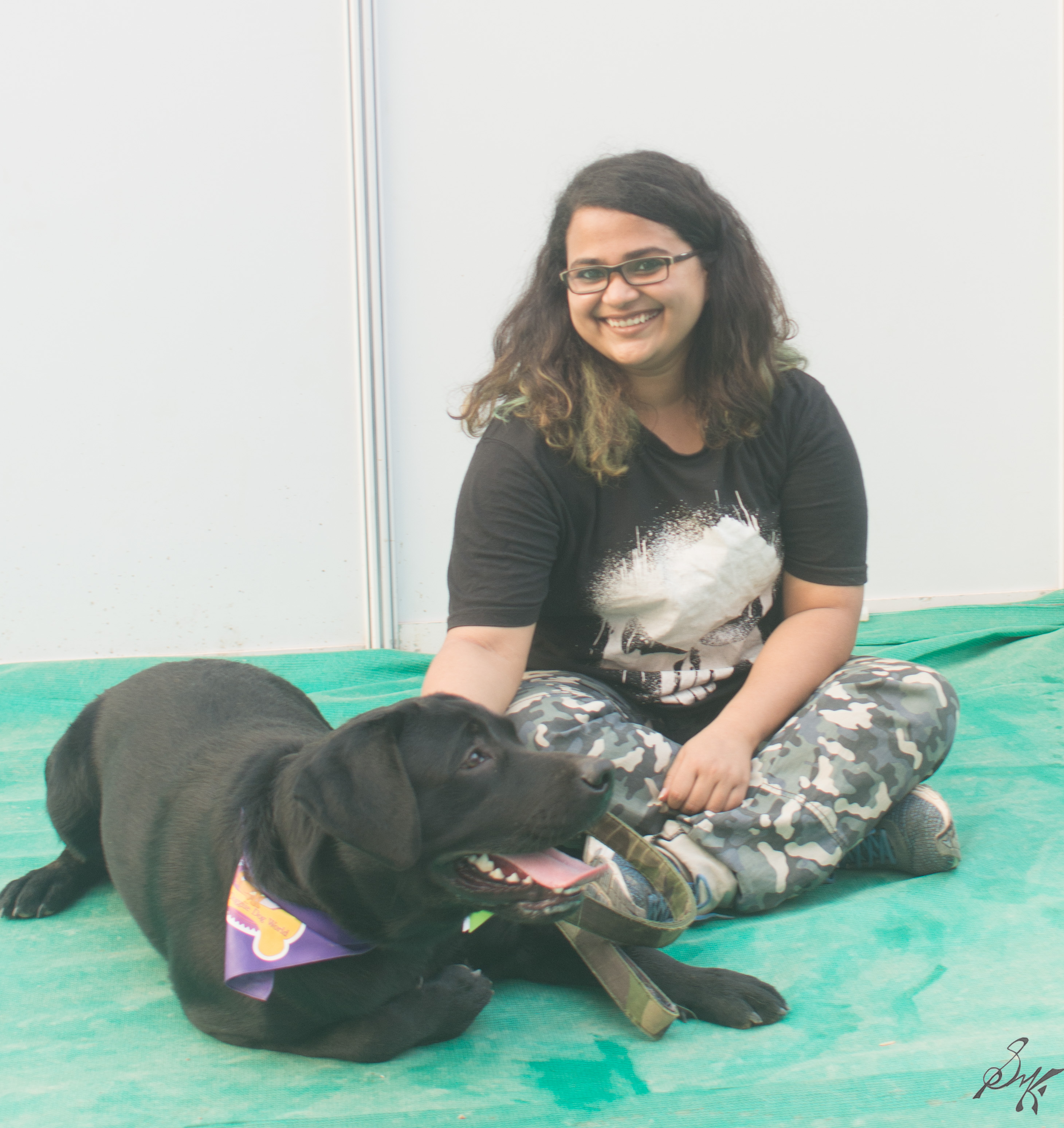
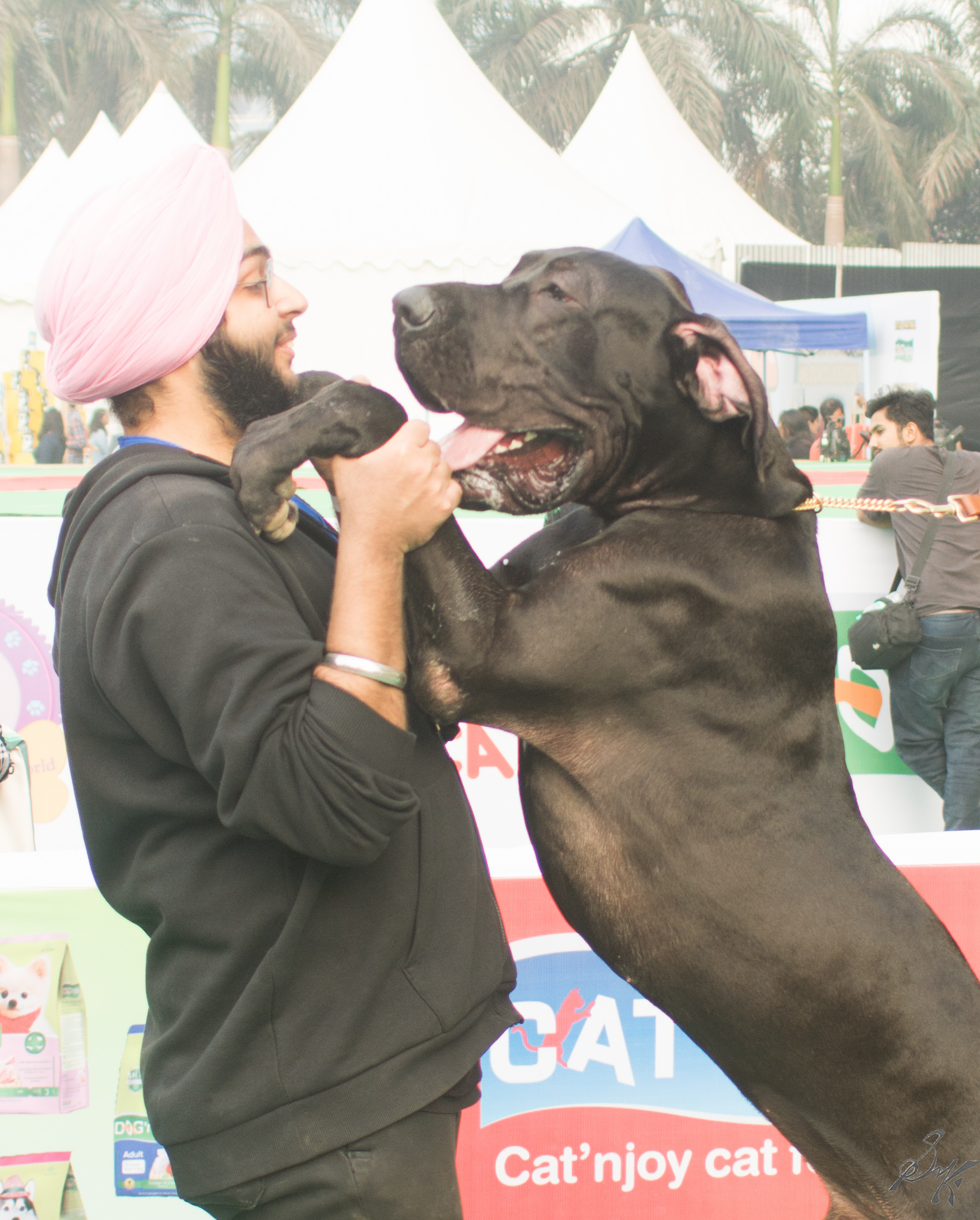
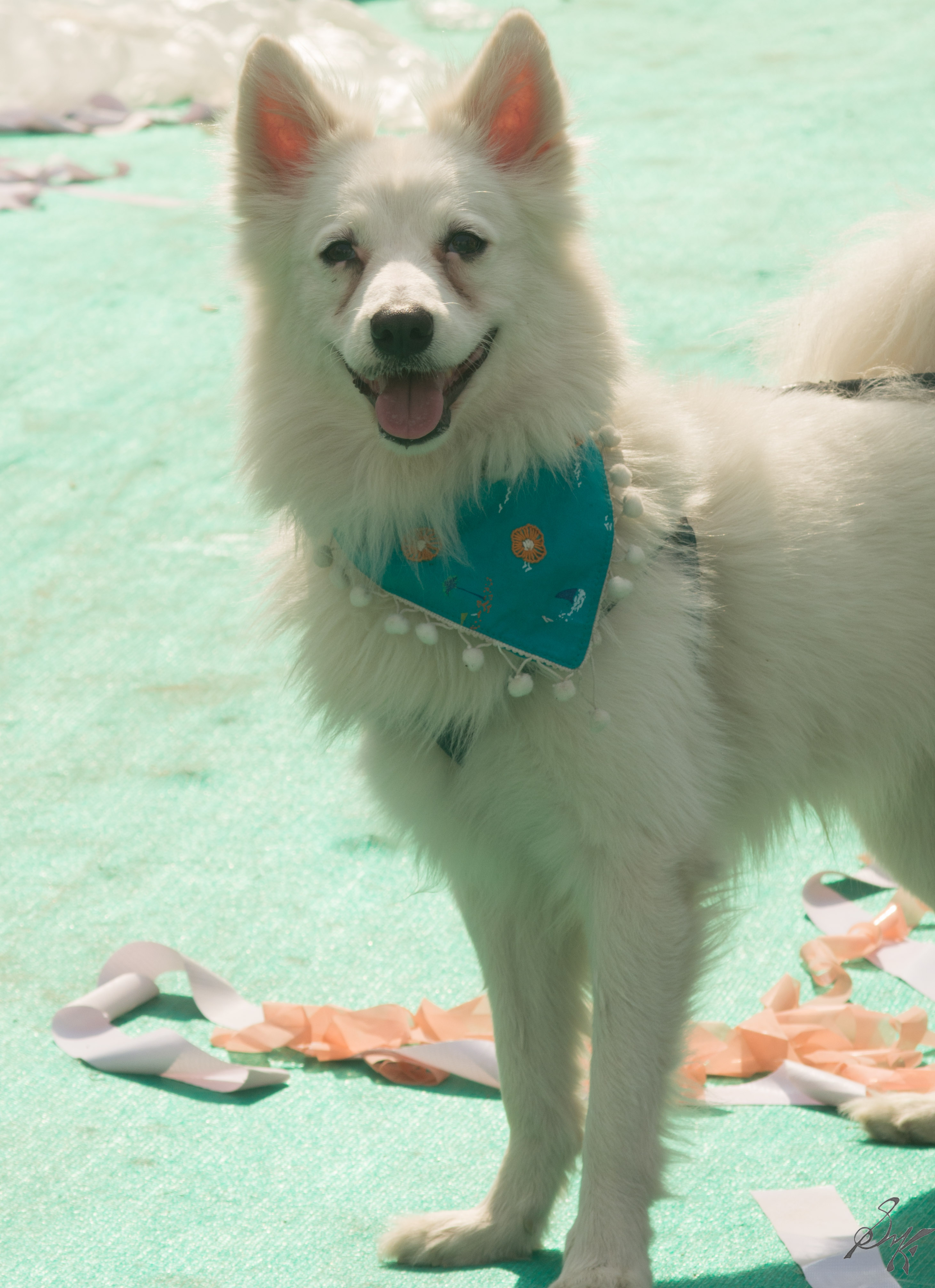
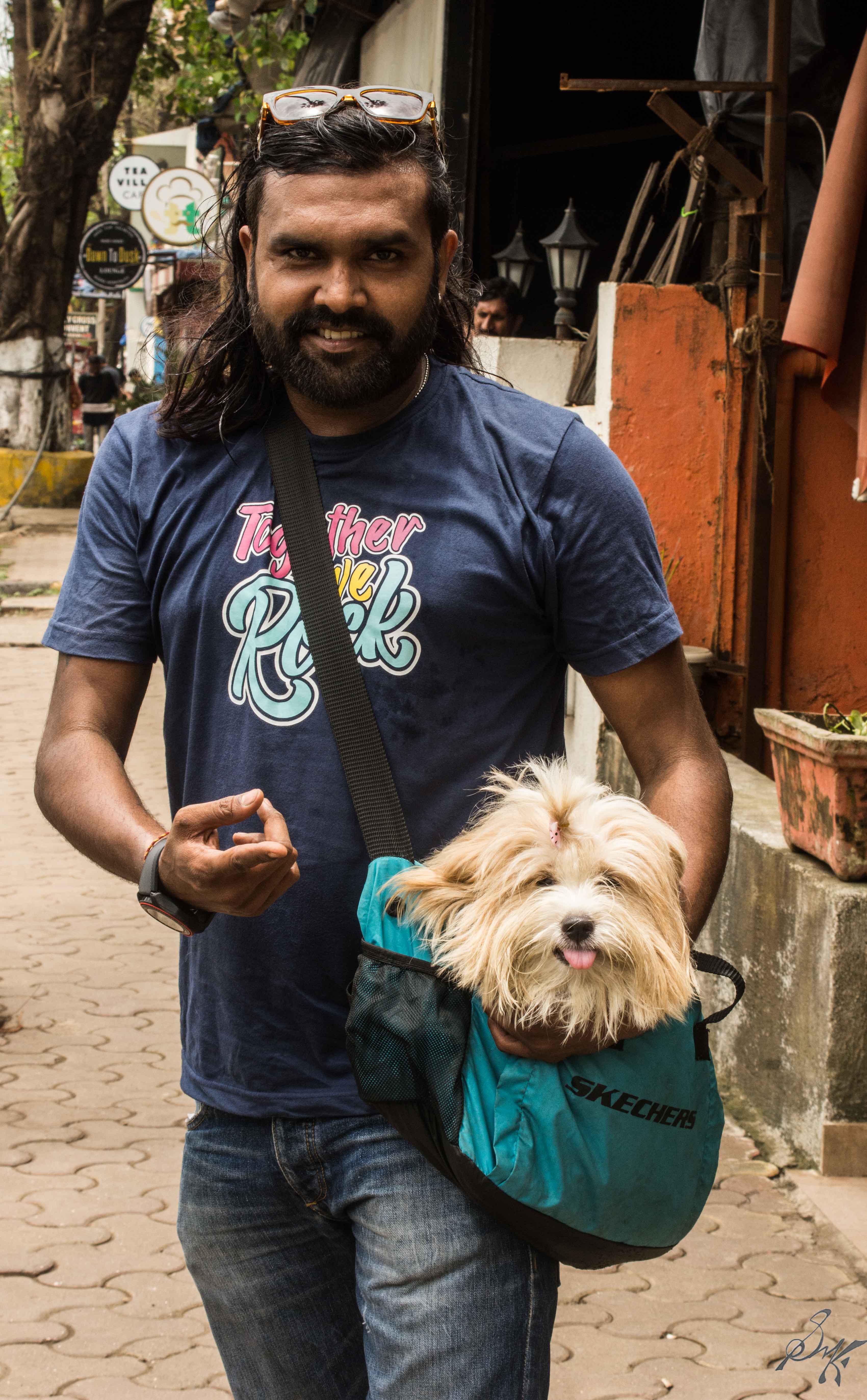
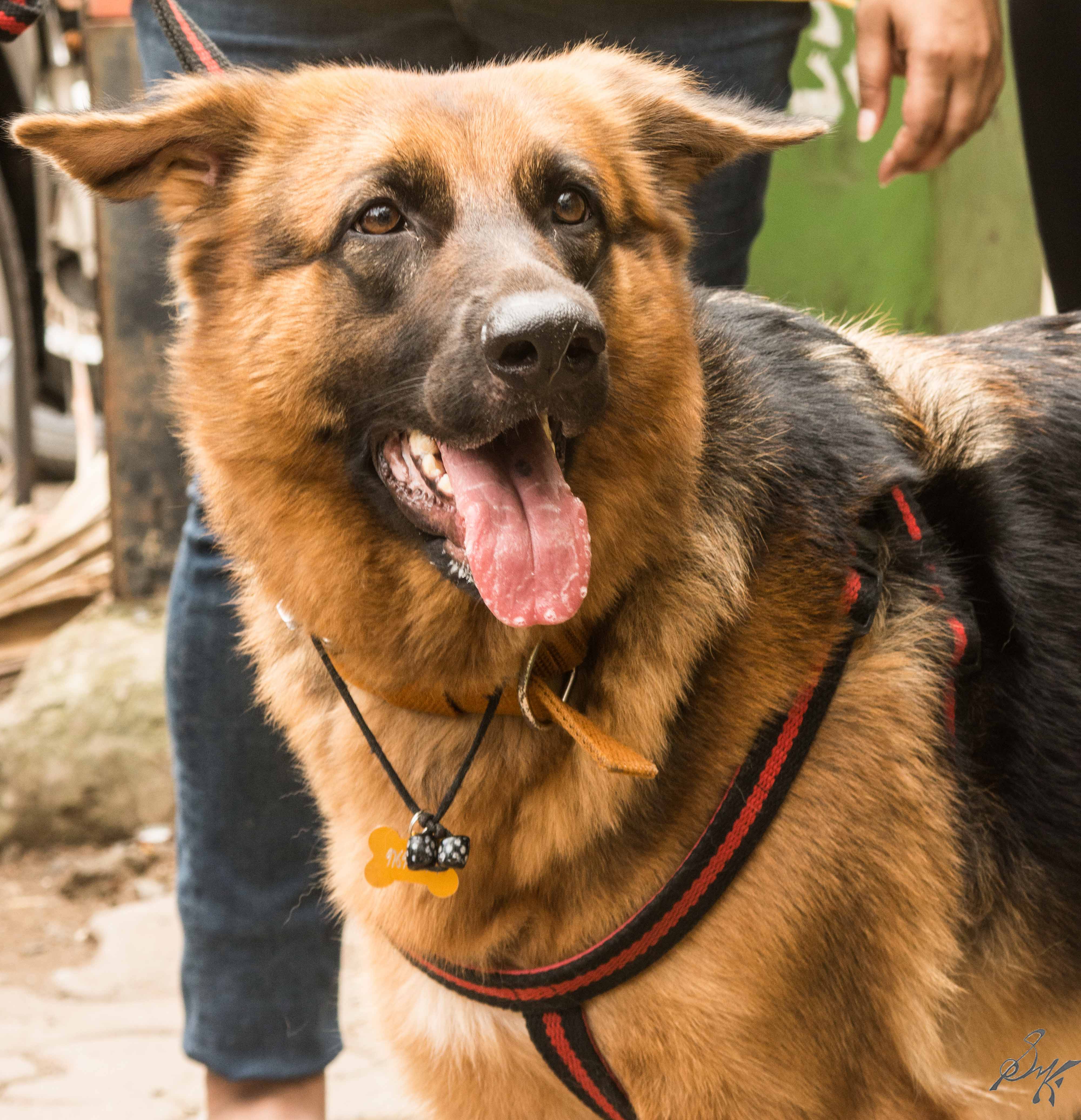
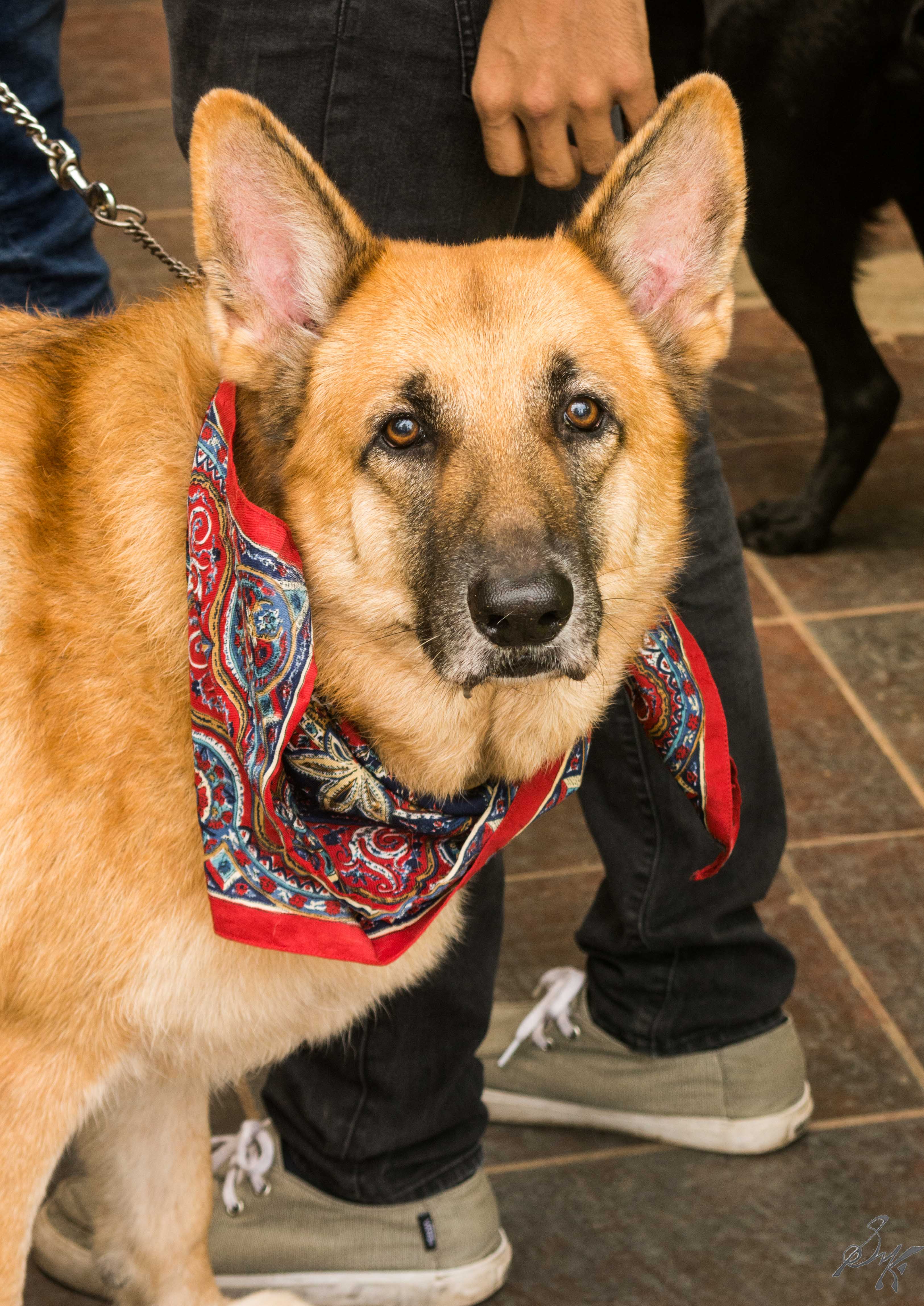
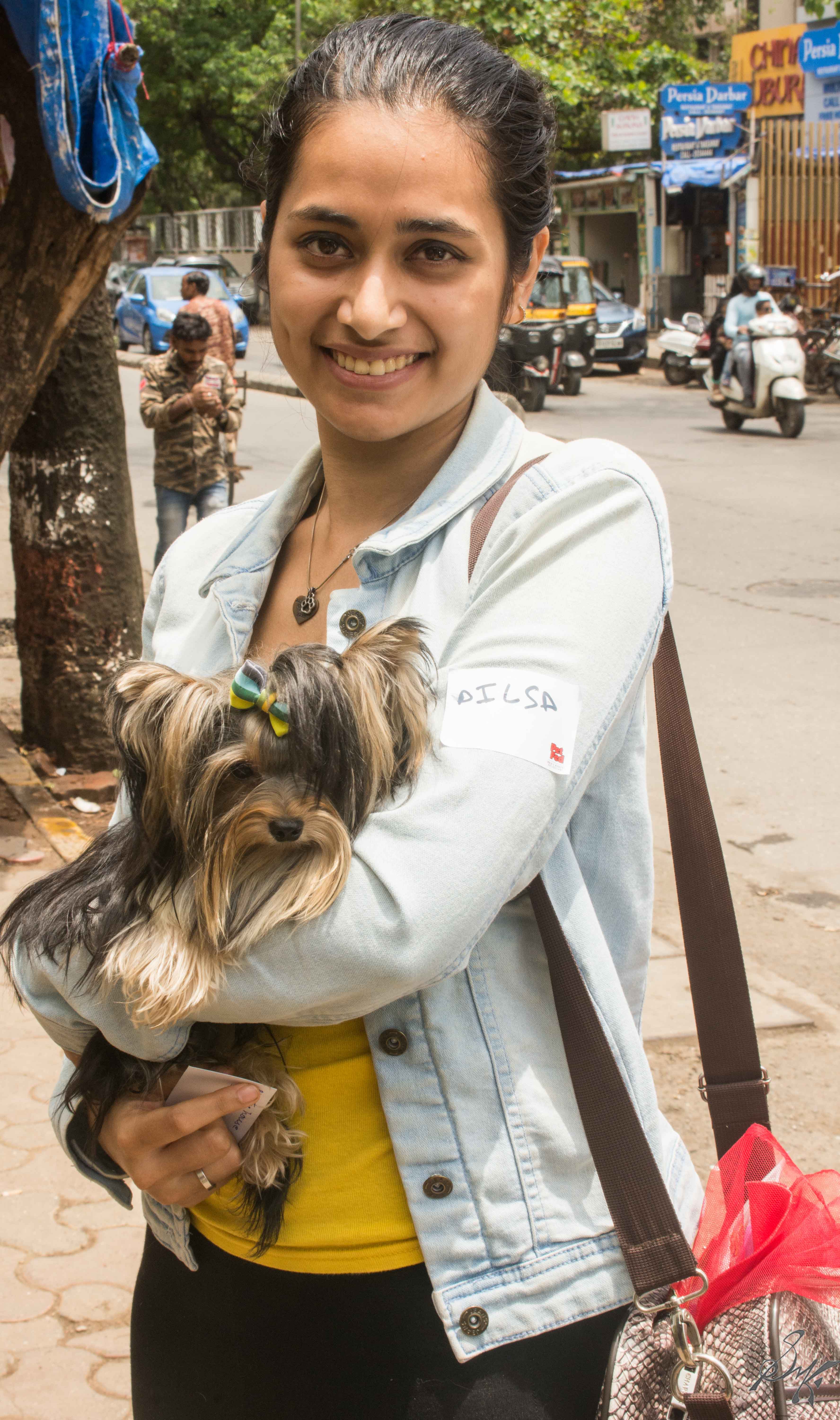
PetFed is one of the most popular pet meet that is organized annually at various locations around the country. Pets of all shapes, sizes and breeds are welcome and there are multiple events organized for them.

This year’s, PetFed Mumbai was organized on 19th and 20th of January. Below are some of the photos from the first day of the event to help bring back memories of the wonderful time spent in company of the furballs. Enjoy!

What I found quite amazing is that there were quite a few number of pets around and there was remarkably less snapping and fighting amongst them, they all got along so well. Kudos to the owners s who have trained their pets to behave well.

More photos from day 2 shall be uploaded soon.
Cheers!!

Additions to the arsenal

Change is the only constant, they say…and one must always strive to be better. To change, to evolve and to try out new things. Keeping in track with time, there has been a couple of changes in my photography and travel arsenal.

Poco F1
This phone, from Xiaomi, is a wonderful piece of technology. Sleek, light and with 6GB of RAM, it packs quite a punch. It has a 12MP primary camera with a 5MP secondary camera to assist in depth perception. Doesn’t shoot RAW files, but does shoot slo mo videos at 120fps, 240fps and a restricted version of 960fps. The camera is quite fine to shoot in a jiffy. Of course, nothing as close to the Nikon D7200, but then, this is the camera that is on me 24/7.

Lensball
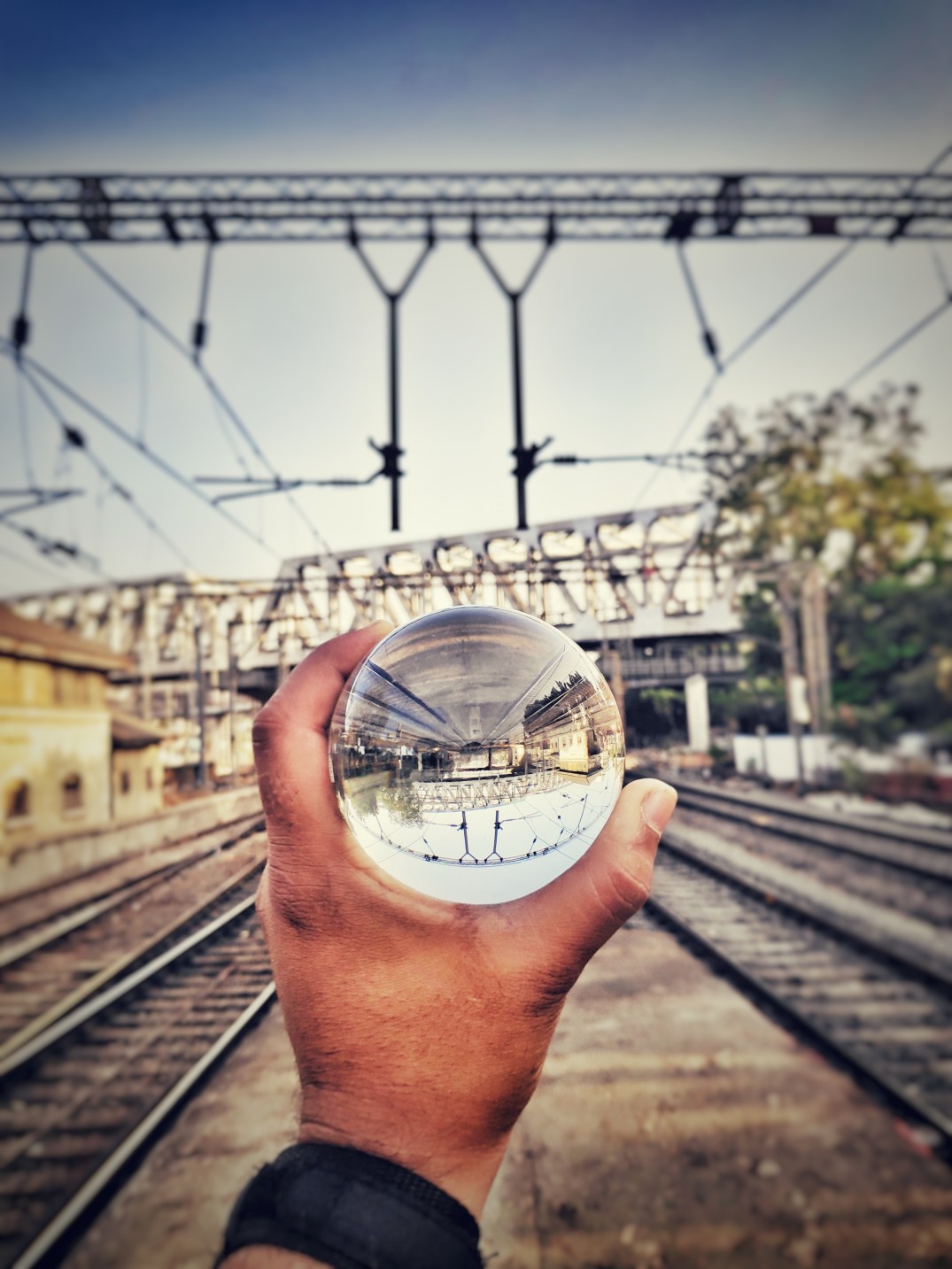
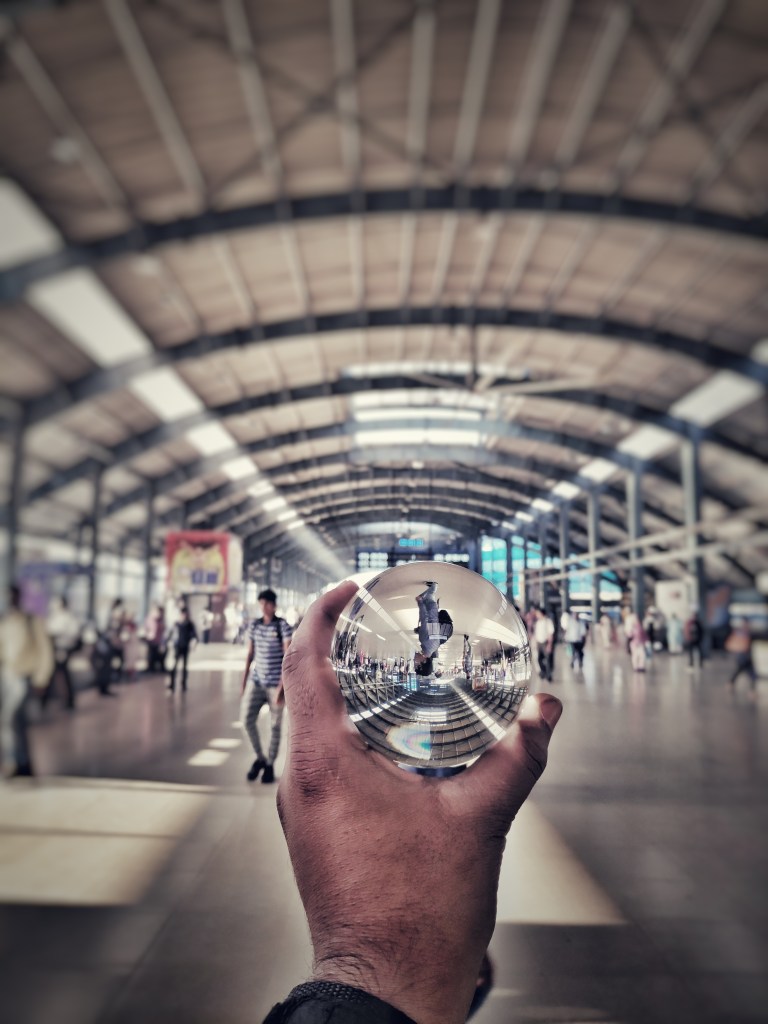
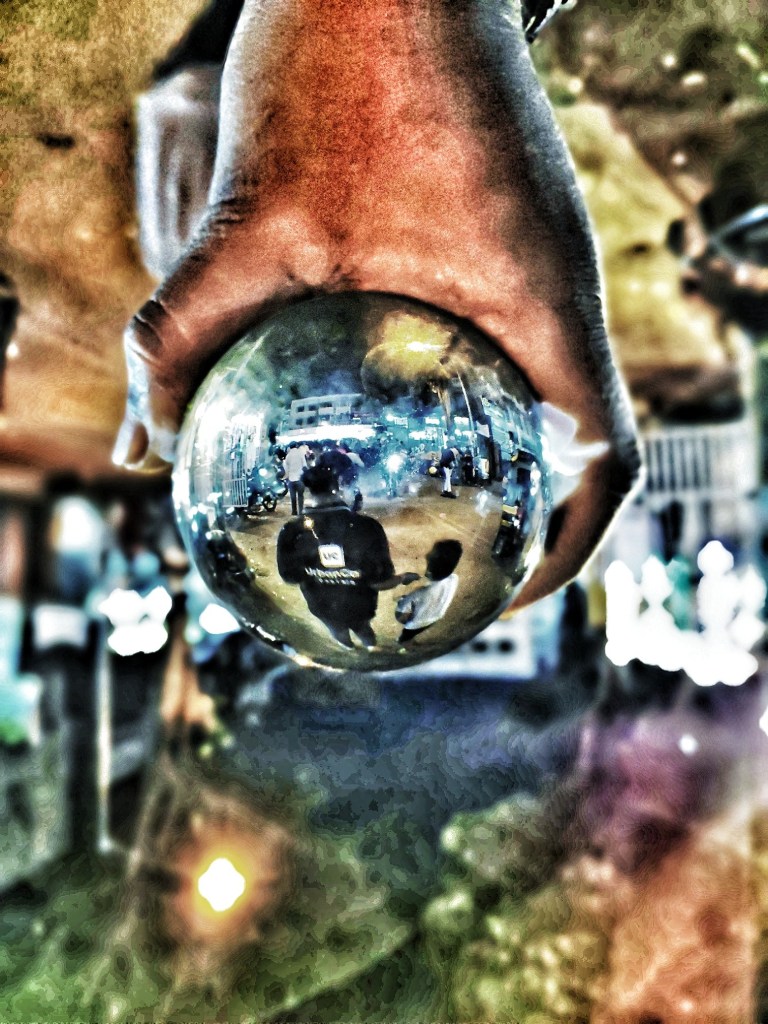
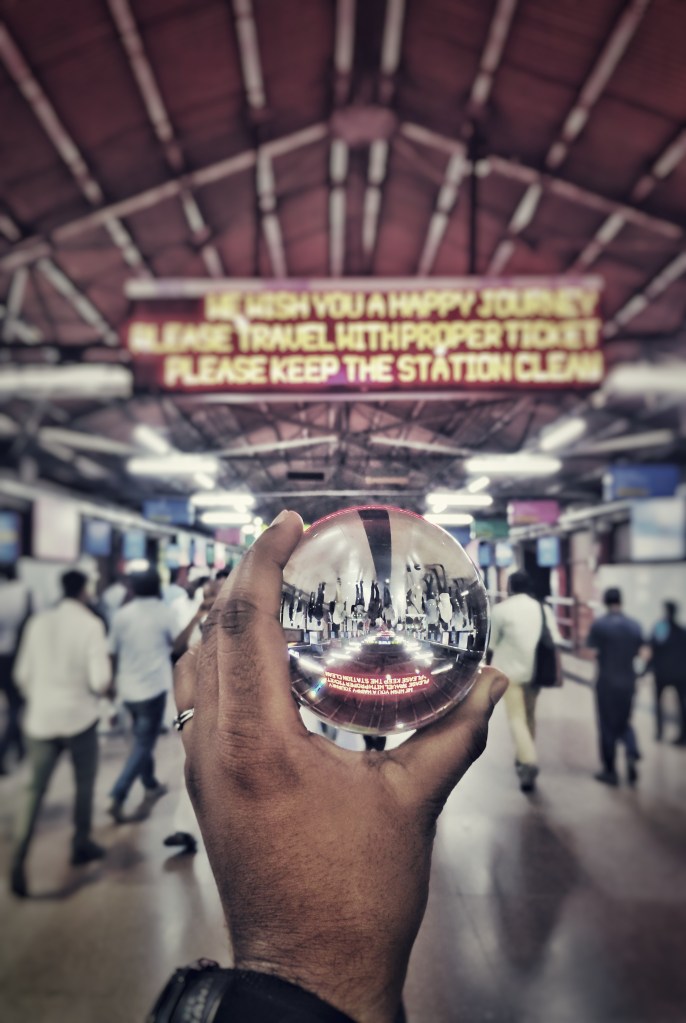
This tiny piece of crystal ball is one the most innovative photography aid I have come across in a long time. It is basically a glass sphere which is being used as a lens. It forms an inverted image on the lens surface, when viewed from the focus, typically around 100mm. If done properly, the images hence captured can be quite interesting.

Am still in the fiddling and getting to know the new toy phase of things with the lensball and honestly, am loving it. When paired with the Poco F1, it does quite an amazing job, I daresay. To me, this lensball is special, since it was a gift from my beloved.

Links to where one may find them is below.
Poco F1 from Xiaomi and Lensball.
Do note that the lensballs come in various shapes and sizes from a variety of dealers and of various quality too. Choose wisely.

Here’s to making amazing photographs. Do tell me about your thoughts on my recent acquisitions.
Cheers!

Hampi : Getting to and getting around!

It had been long overdue, and a holiday was coming up too, so, without wasting much time contemplating, I made the necessary arrangements to get to Hampi.

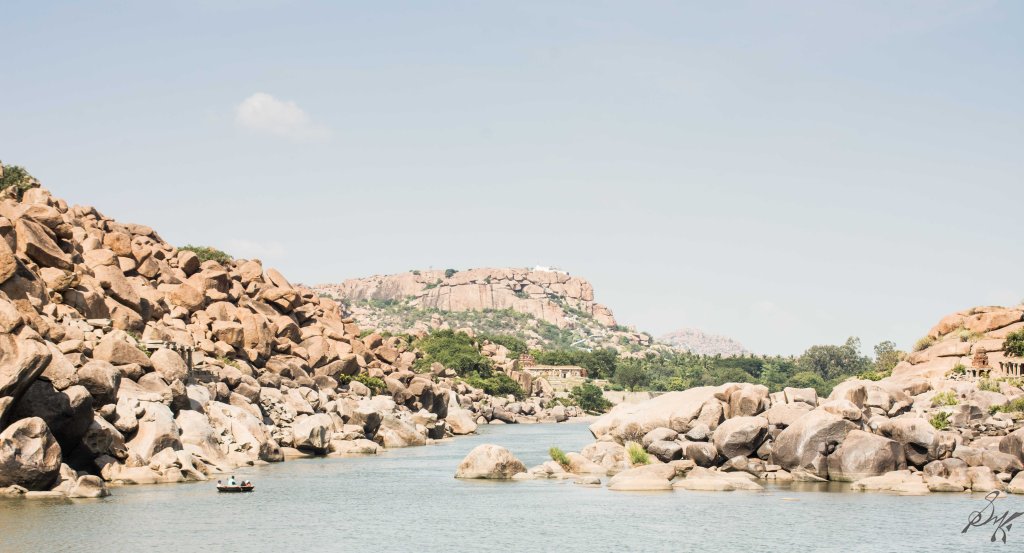
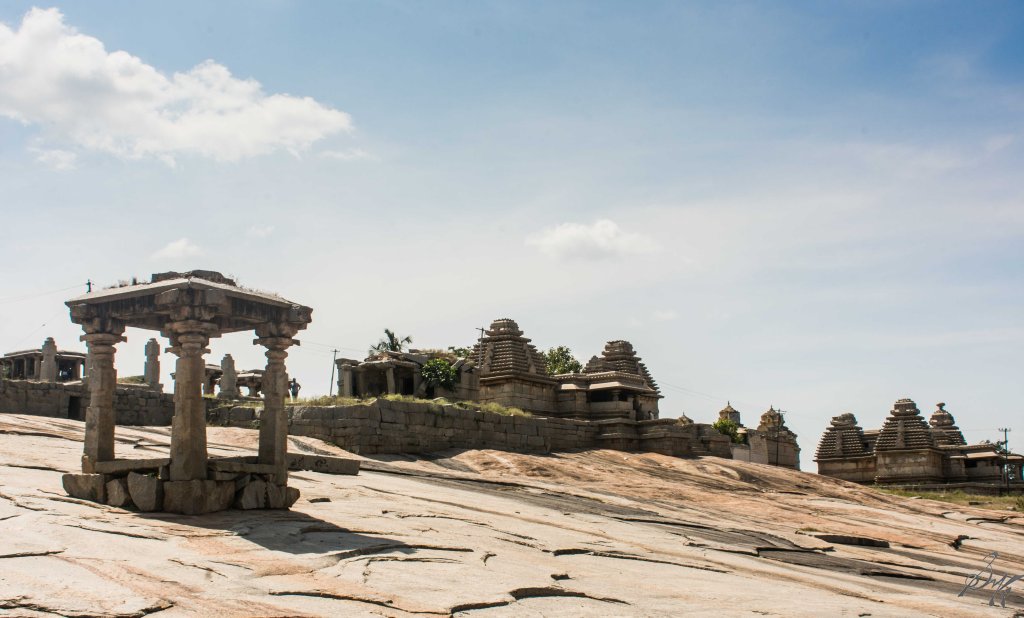
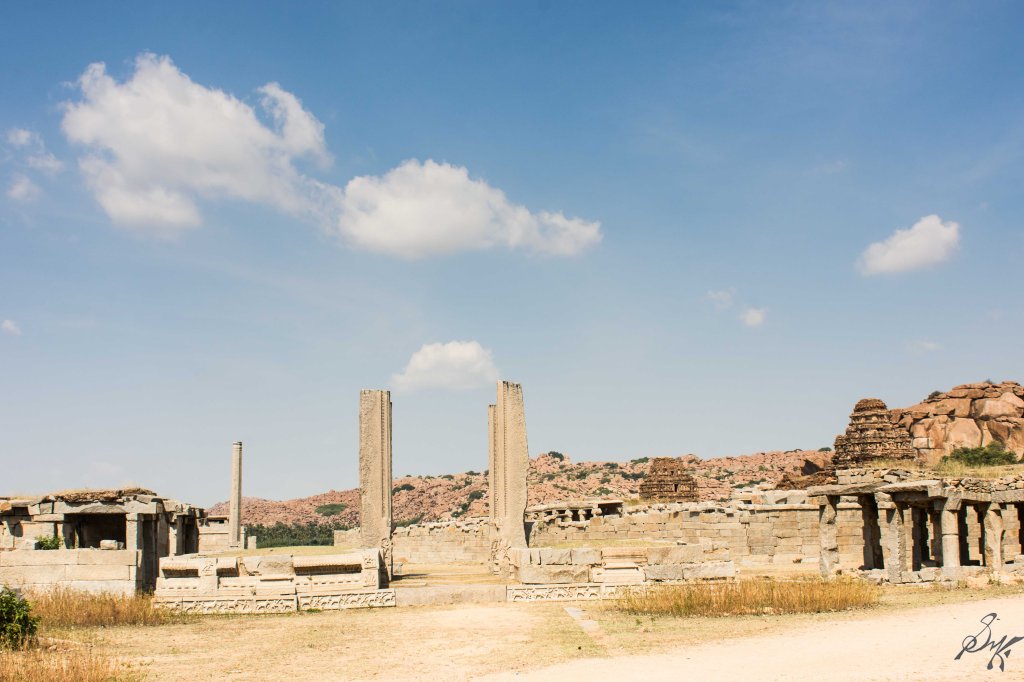
Hampi, is a tiny village on the banks of the river Tungabhadra in Kartaka. It is famous for the ruins of the erstwhile Vijayanagar kingdom. There are ruins of temples, baths, forts, bridges, markets, etc, an entire township in ruins. A major appeal to the place, apart from the ruins and the endless opportunities to hike around, is the setting of the location. It appears to be a valley full of sand coloured boulders all around. There is a warm tone to the entire place, and it feels….cosy!

Getting to Hampi is not the easiest of jobs. It does not have a direct train, bus or flight connection. Hospet or Hosapet is the nearest well connected location, about 15 kms out. Auto rickshaws are available to ply between the towns. Trains are available from Mumbai, Goa and Bangalore. Bus connections exist, but they are long and tiring. 

I took a sleeper bus from Mumbai, and it was the second most horrible bus journey in recent times. For about 15 hours, I spent rolling left and right and feeling dizzy. Reached Hospet in one piece, a little dizzy and hating bus travel to the core. 

I will talk a bit about hotel bookings at Hampi. The place is divided into two major hubs, the Hampi village, and the Hippie Island. The village is on the mainland side, while the island, is across the river. You can find plenty of hotels and homestays on either side within your budget. The hotels in the village are simple and offer a more peaceful environment to stay in. Good for people who want some peace at night. The other side, is a different story all together. You can find a nightlife on the Hippie Island. Free flowing alcohol and puffs of smoke all around, a little party island! As I said earlier, depending on your budget, you can find accommodation almost any time of the year without much hassles.
Most of the hotels operate on the Booking. com website so, do check that out. I made my booking at Kiran Guest House for two nights, and then extended for another. Kiran, the host, and his family was very welcoming and the stay was hassle free. He also made sure that there was an auto rickshaw waiting for me at the bus stop and also to drop me back. His is a no frills hotel, I recommend it.
Within Hampi, getting around is easy. One can  roam around walking, or on bicycles, which are readily available. Most of the temples are nearby. 

Upon reaching Hampi, my day began with a nice long sleep. Woke up, strolled out famished. A place of choice is the Mango Tree Restaurant. I had omelette and bread and was off.

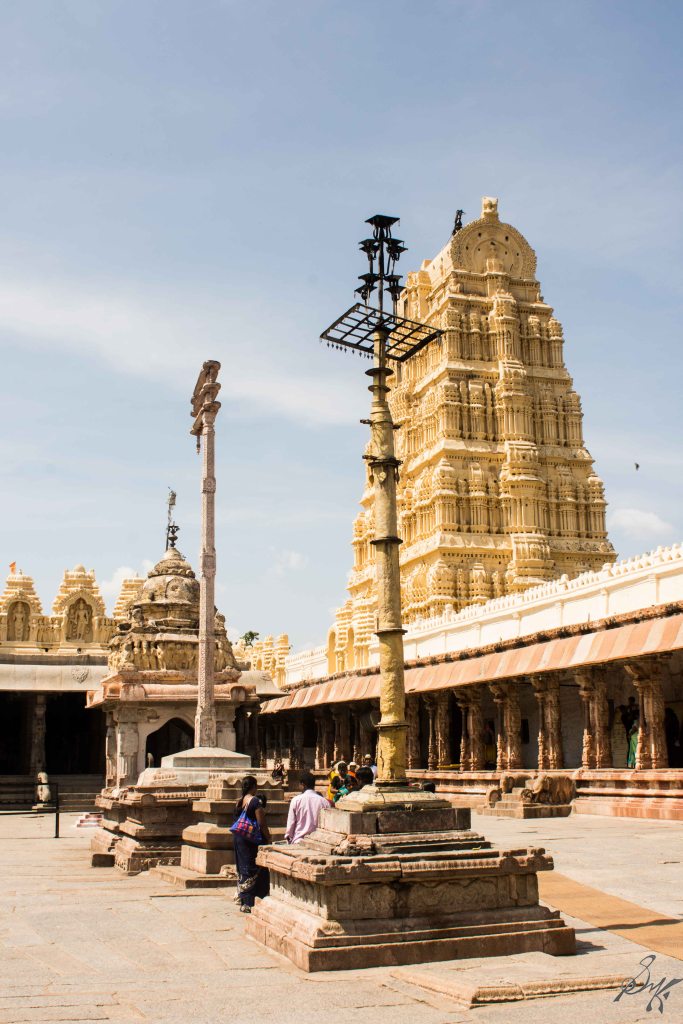
First stop, the Virupaksha Temple! It is the main temple of the place and dedicated to Shiva. Entry is free, camera chargeable. Inside, you can find Lakhsmi, the temple elephant, blessing people and posing for photos, having bananas, and doing other elephanty stuffs. There are a few Nandis around too to keep you company. One must also remember, that Hampi, is also known as Kishkinda. So, anyone who read Ramayana, would know, that Kishkinda used to be the capital of the monkey kingdom, so, you ll find a few of them there too.  

Having visited the temple, I strolled out towards the Kadalekalu Ganesha. He is called so for he appears to have a peanut shaped belly. Grand and carved out of a single stone, Ganesha here is massive. One can see ruins of erstwhile jain temples around too. The setting is beautiful and peaceful.

Next, I turned towards the Vitthala temple. This temple is famous for the Stone Chariots of Hampi, which is widely found printed on the Rs. 50 note of the indian currency. En route, the Kings’ Balance and some other temples were also crossed.

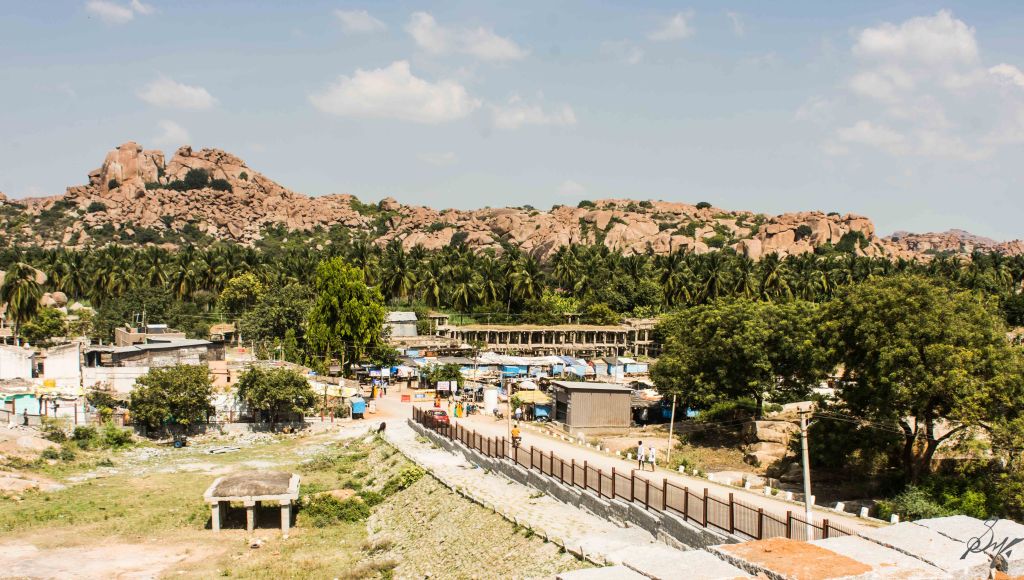
After I was done with the trip to the chariots, I went to the nearby Matanga hill. The hill top is the highest point in Hampi and offers amazing panaromic view of the village. It is a view worth climbing the 600 or so steps.

A view of Hampi village from Mathanga hill. Virupaksha temple can be seen at a distance.

Later, I returned back to my lodging and went to sleep. Next day, I had a bicycle tour of the place booked and I was going to need all the rest that I could get.

A Bengali Durga Puja!

For the bengali folks all around the world, Durga Puja is one of the most important festivals of the year. It is basically a festival of the victory of good over evil.

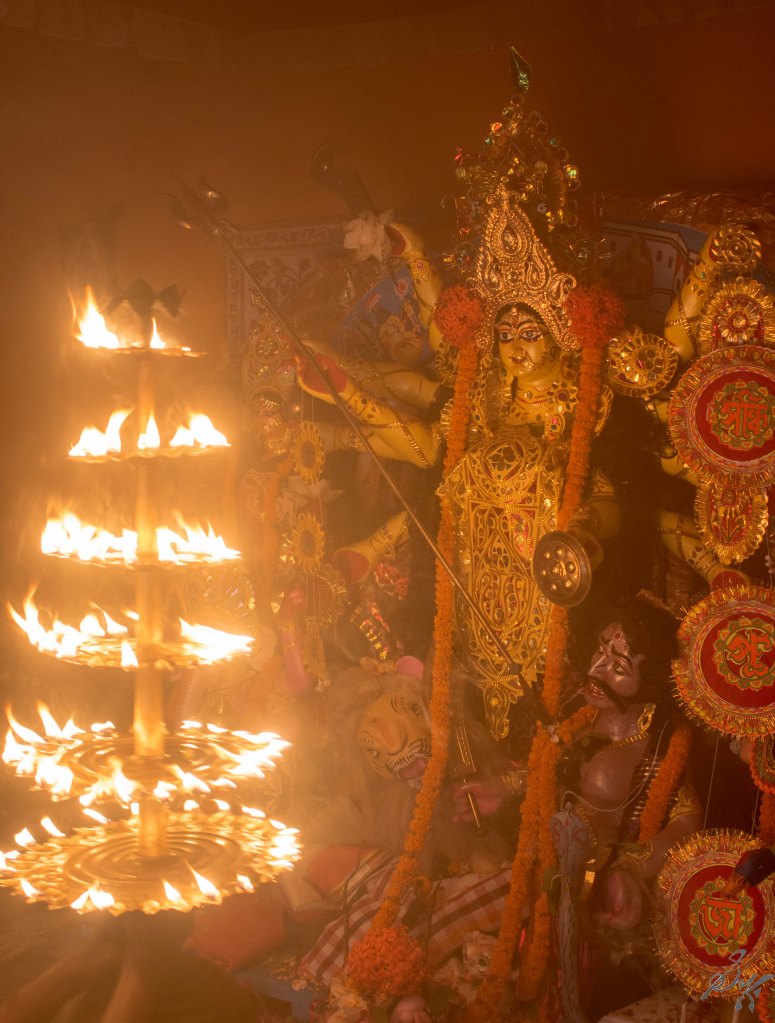
Arati in progress

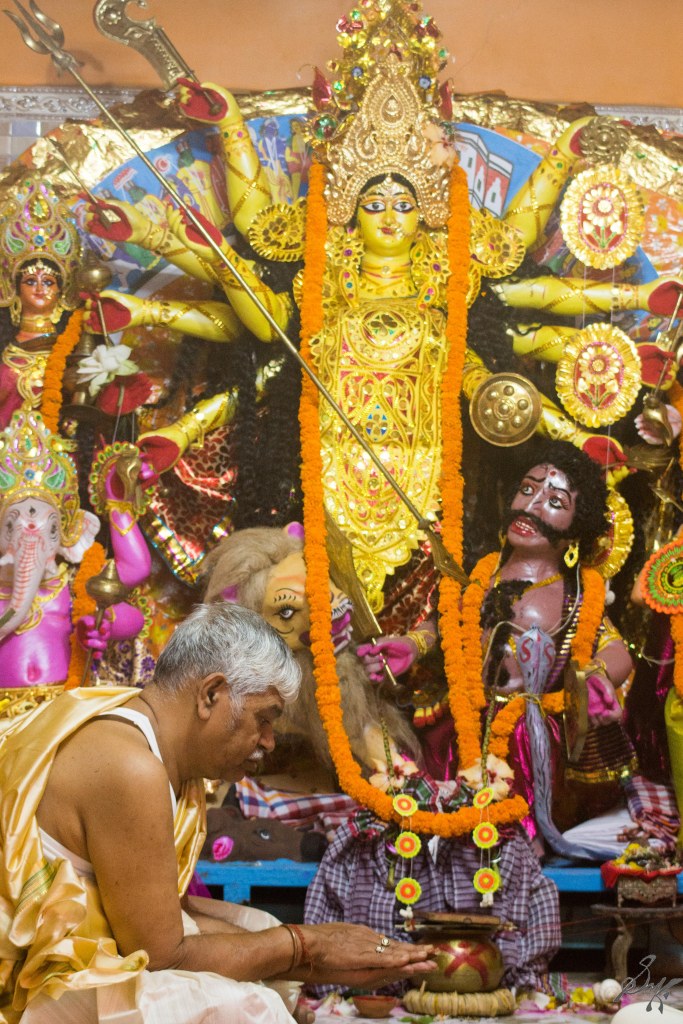
Durga Puja is a multi day festival with each day earmarked for certain pujas and celebrations. The puja is celebrated in a grand manner. 
Generally, the pujas are carried out in two forms, one, the community joins in to have a common puja. People of the locality form groups, they collect the necessities and the puja commences; the other form, in which the puja is a family affair, where all the family members of a particular family are involved and they pitch in to make the puja! 

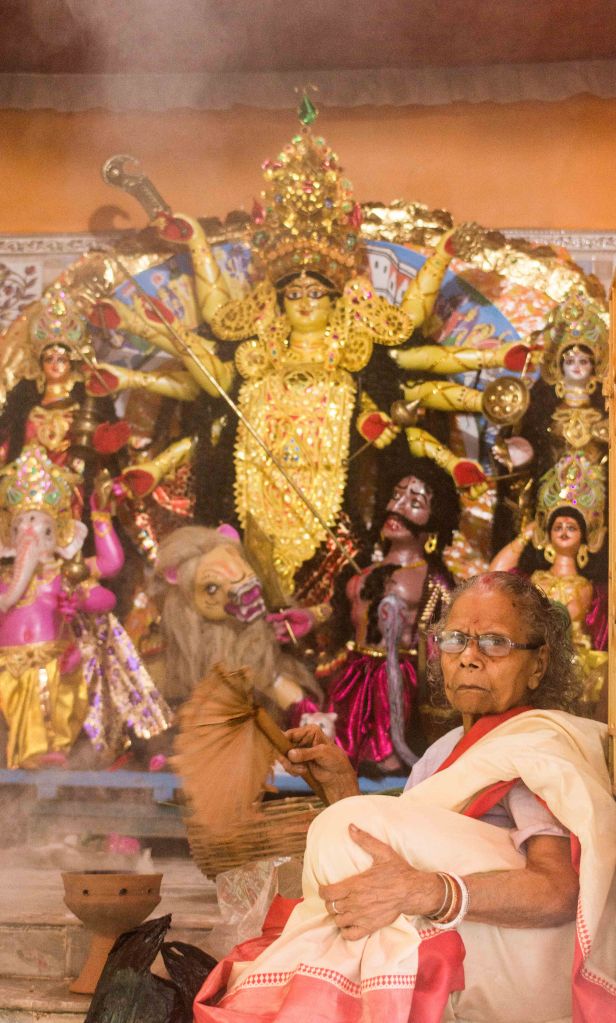
Granny and the godess

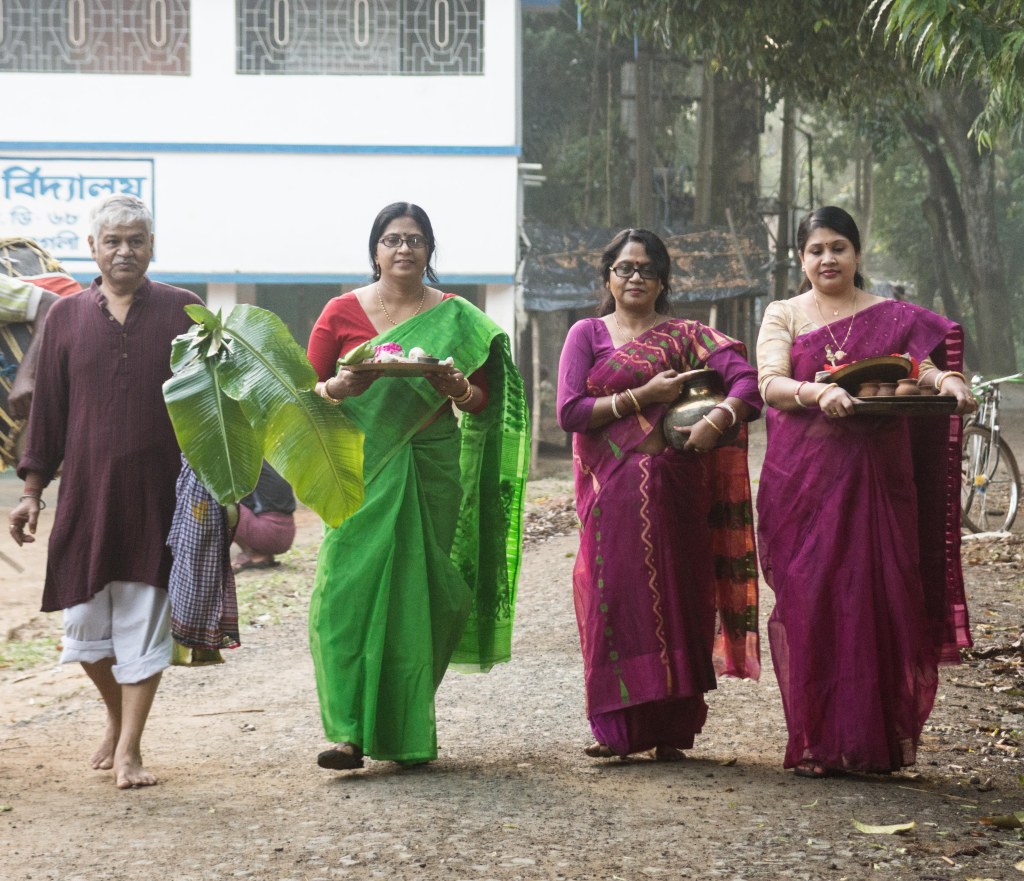
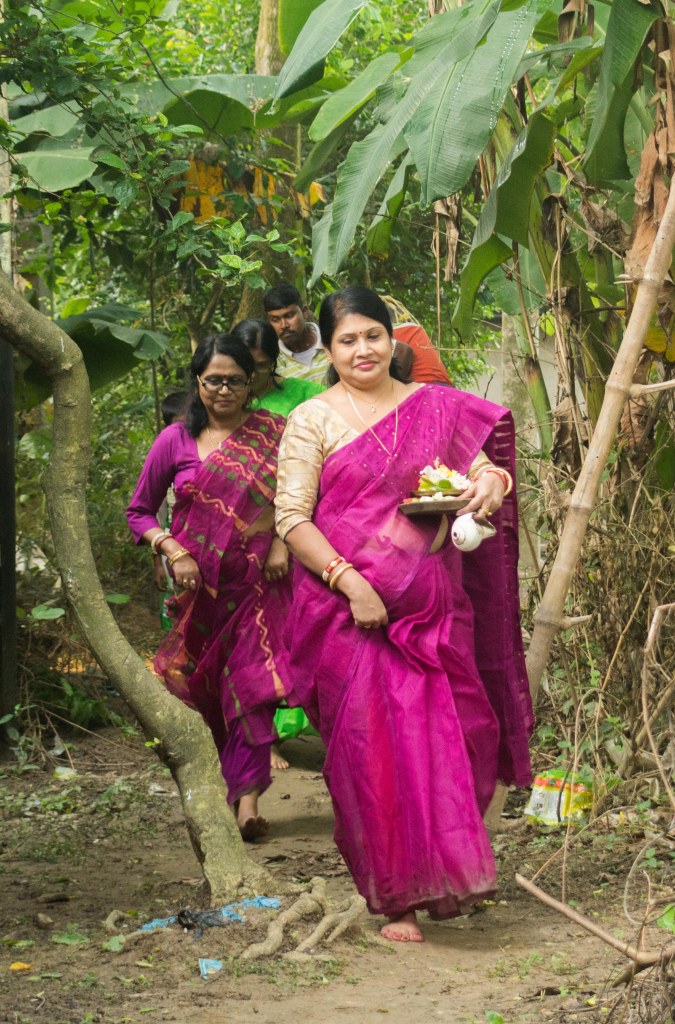
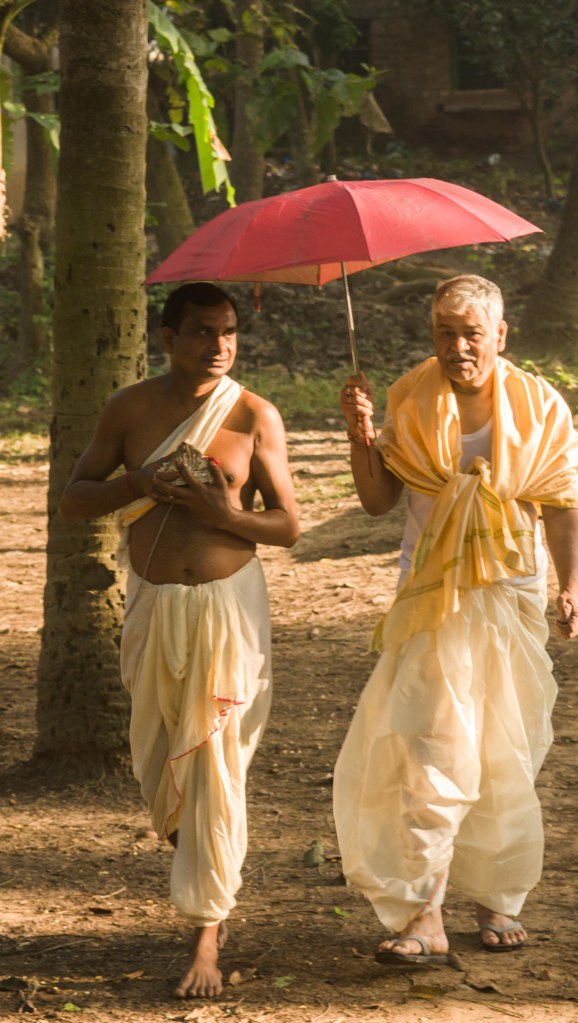
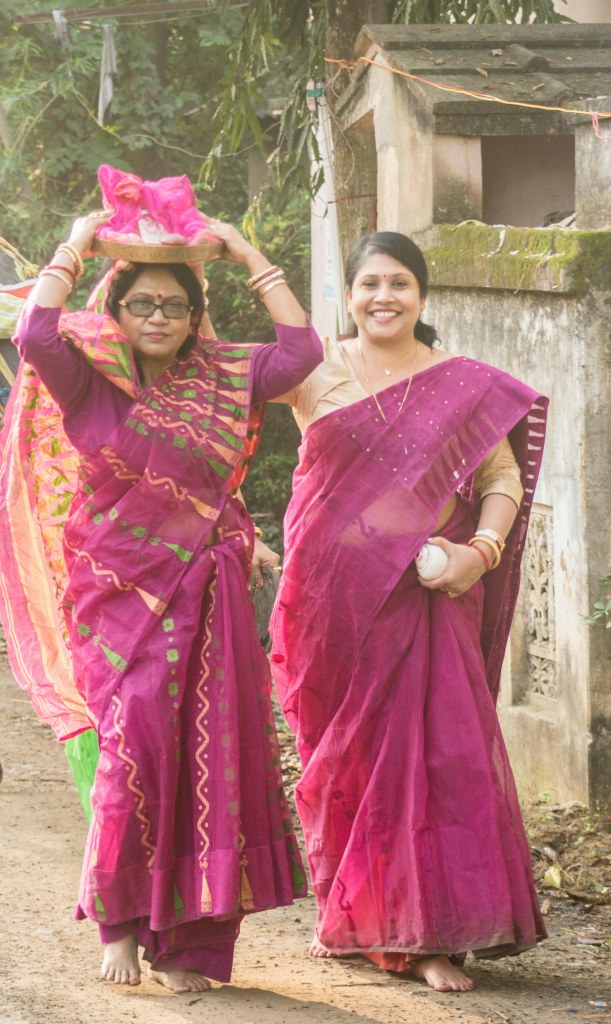
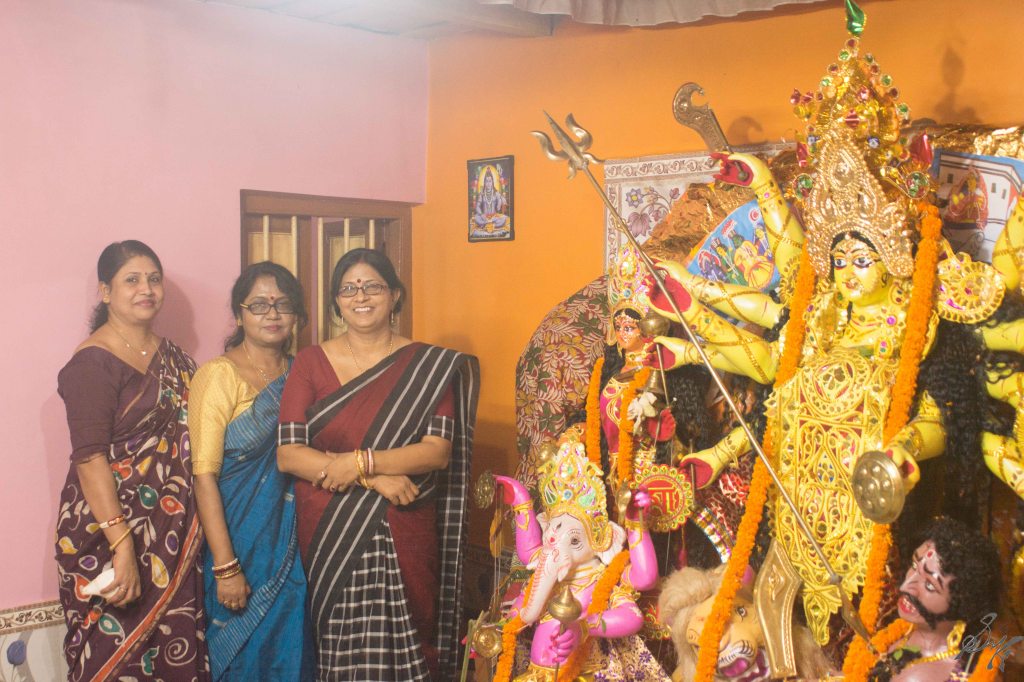
Here, what you see are glimpses from the Sen family’s Durga Puja – 2018. As with most family’s puja, the tradition continues for years and often spans generations. 

The main pujas  commence from the 5th day of the 10 day span. Every day have their own set of rituals that must be carried out and specific worships that must be done. 

Aunts, maa and papa returning home post rituals

The incantation to the goddess in the form of Arati is carried out every day. 

Off the various lamps used during arati, on the juncture of the eighth and ninth day of worship, there is a special lamp, 108 of tiny little lamps make this one huge one, which needs to be lit in 1 minute by the married ladies of the family. So, it becomes a joint effort, and does offer nice photo opportunities.

On the penultimate day of workship, there is a yagna ritual which must be carried out.

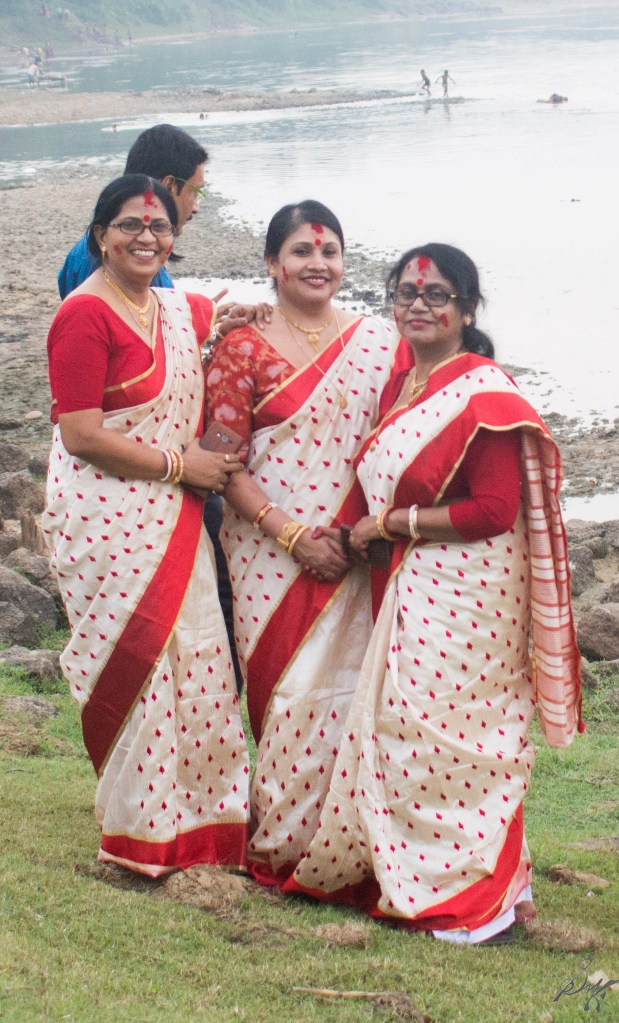
On the last day of the celebration, it is a grand send off to the goddess with her being fed sweets and milk. Often the ladies have a conversation with the Mother as they send her off and wish to see her soon the next year. The send off follows playful smearing of vermilion on each other.

 With the immersion of the idol complete, we all return back and it slowly turns to business as usual and we disperse back to our different workplaces across the country.

So, this is how a simple family based Durga Puja looks like in India. 

I hope you enjoyed the glimpses and it shall be a pleasure to host you, my dear reader at my ancestral place during the upcoming Durga Puja. So, in case you want to have a close up experience, do let me know 🙂

Cheers!!
Dry Ice!

Hi there all. It has been quite sometime since the last post, I ll blame the hectic work schedules and in some effect, laziness for the same.
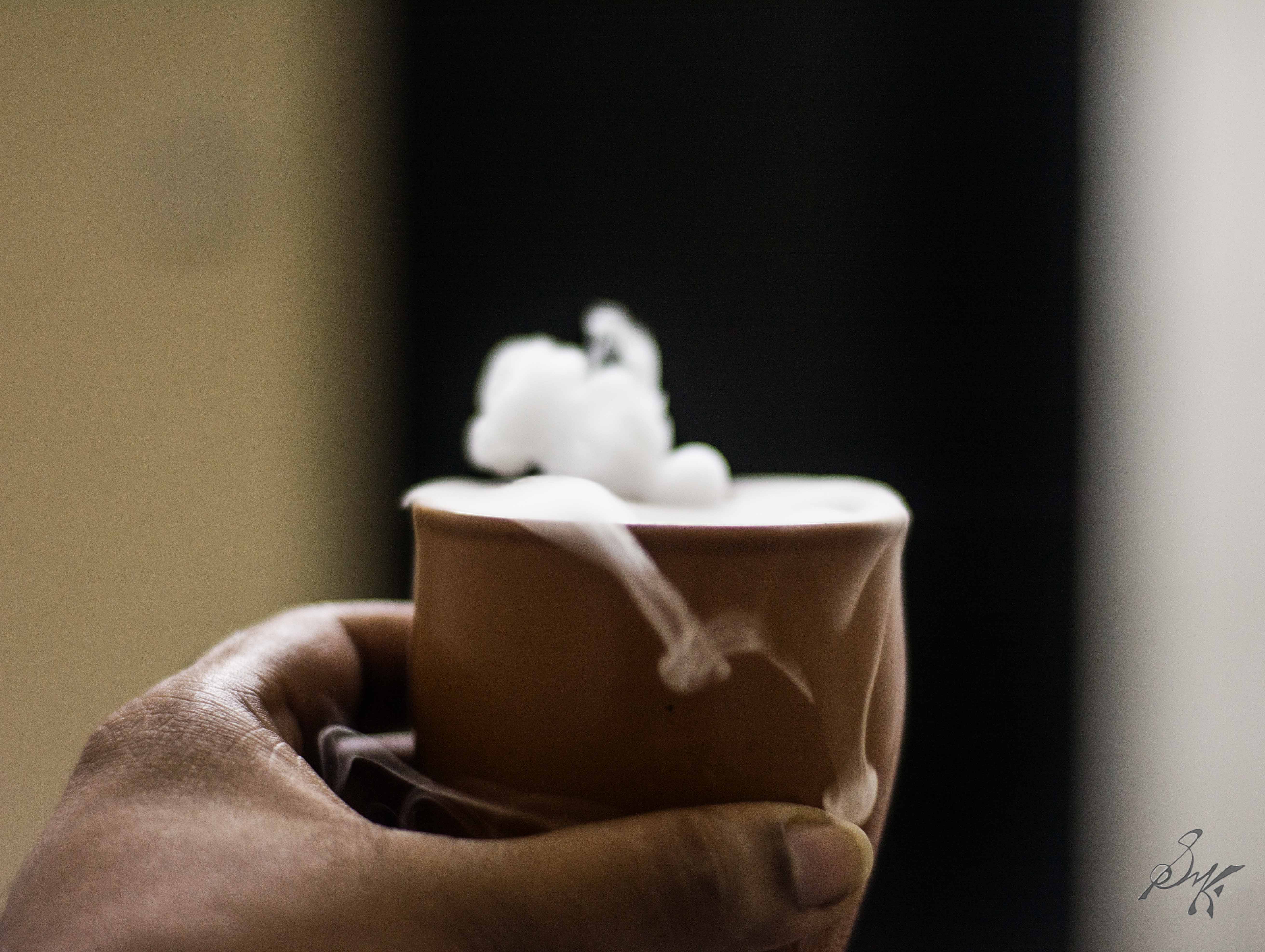
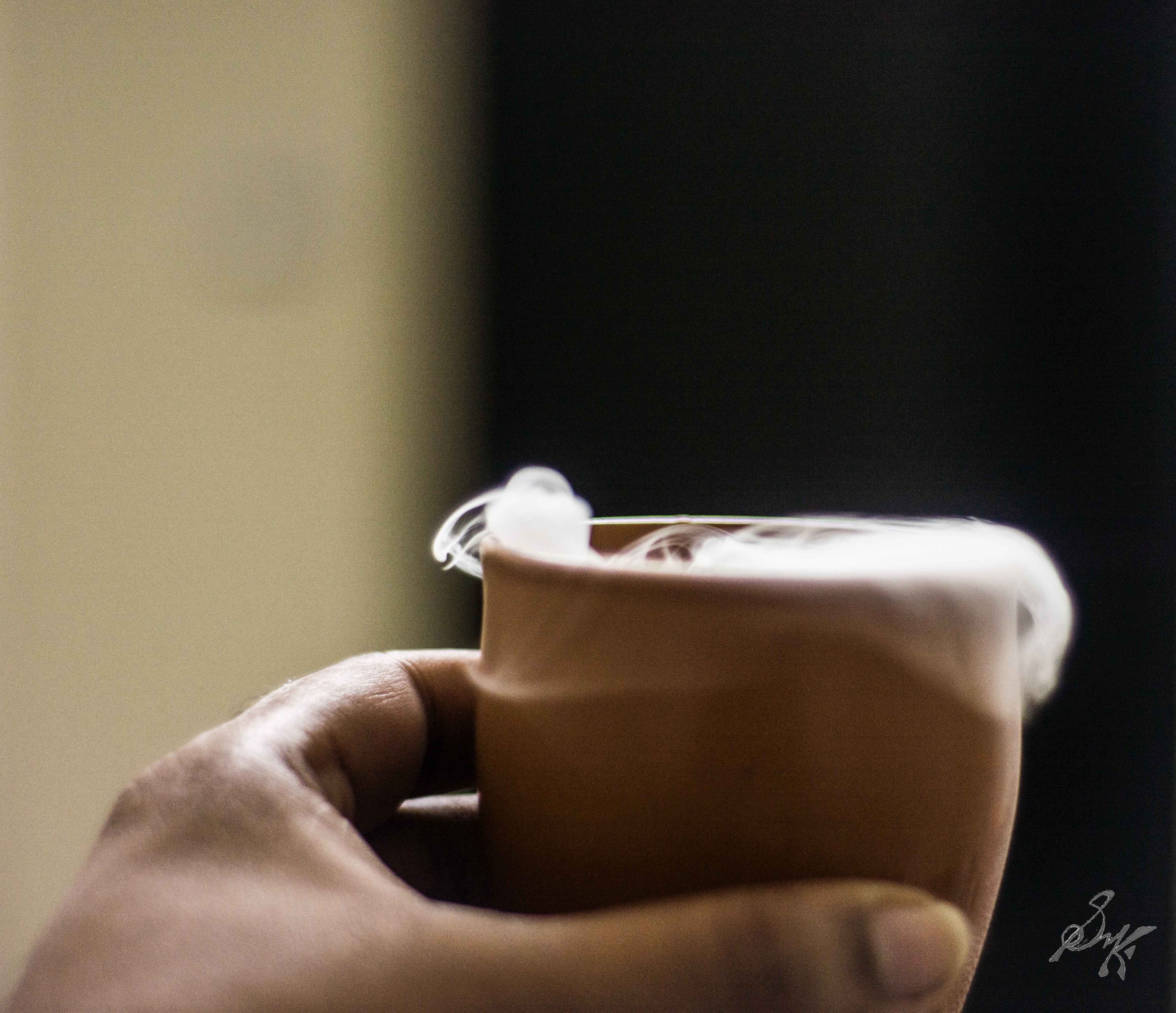
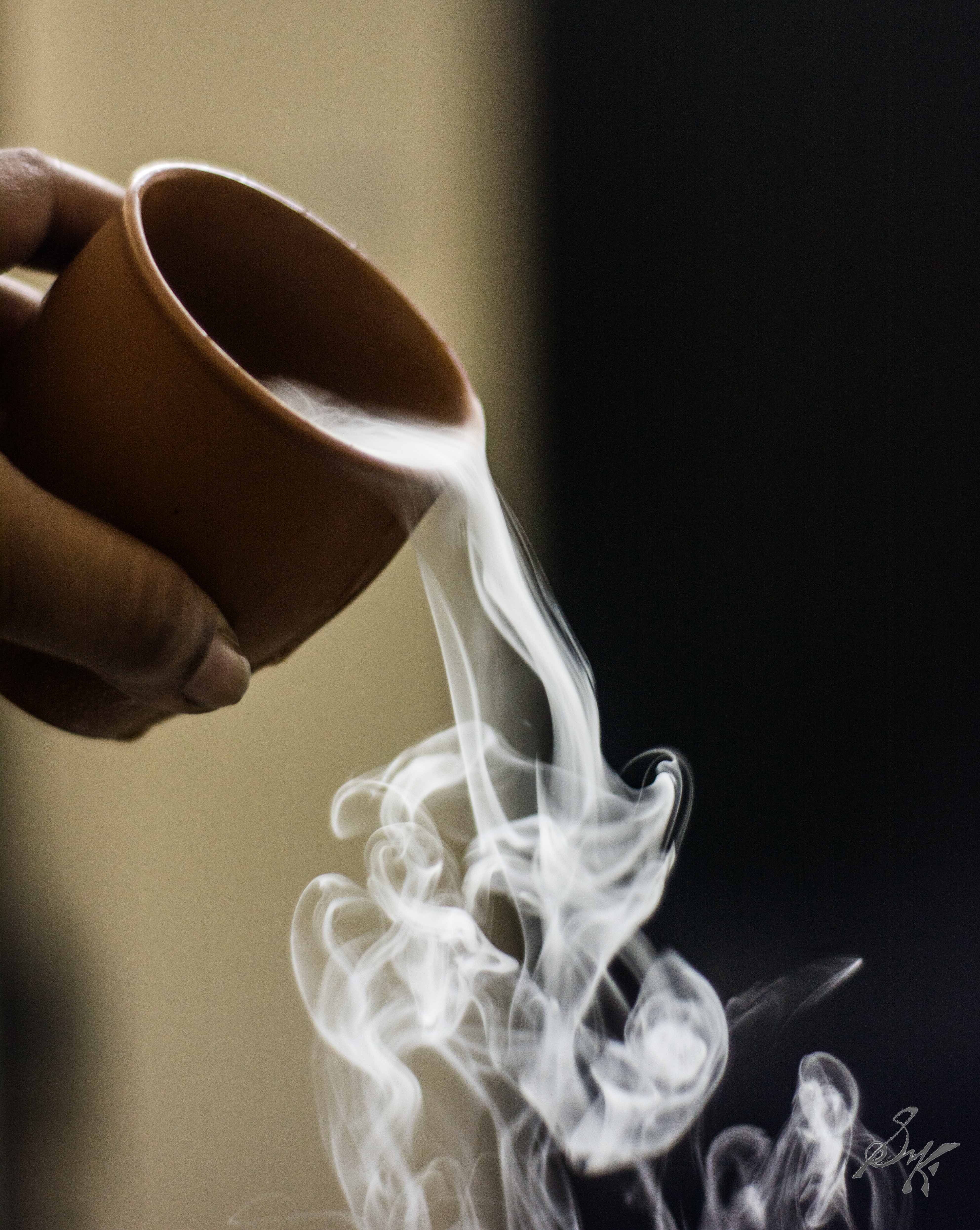
Anyway, today we discuss, Dry Ice. Frozen Carbon Dioxide, when made into pellets to be used for cooling duty, is known as Dry Ice. 

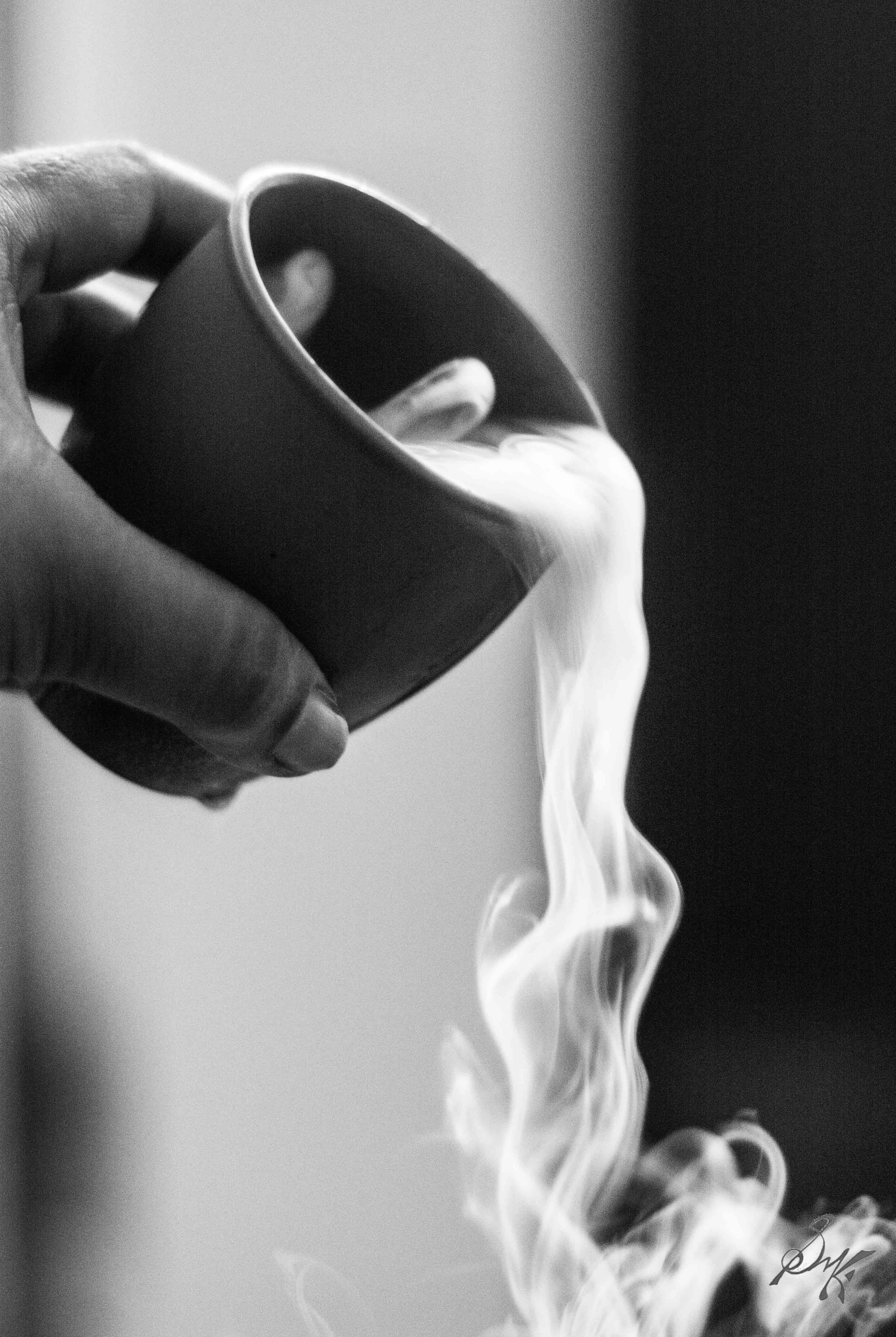
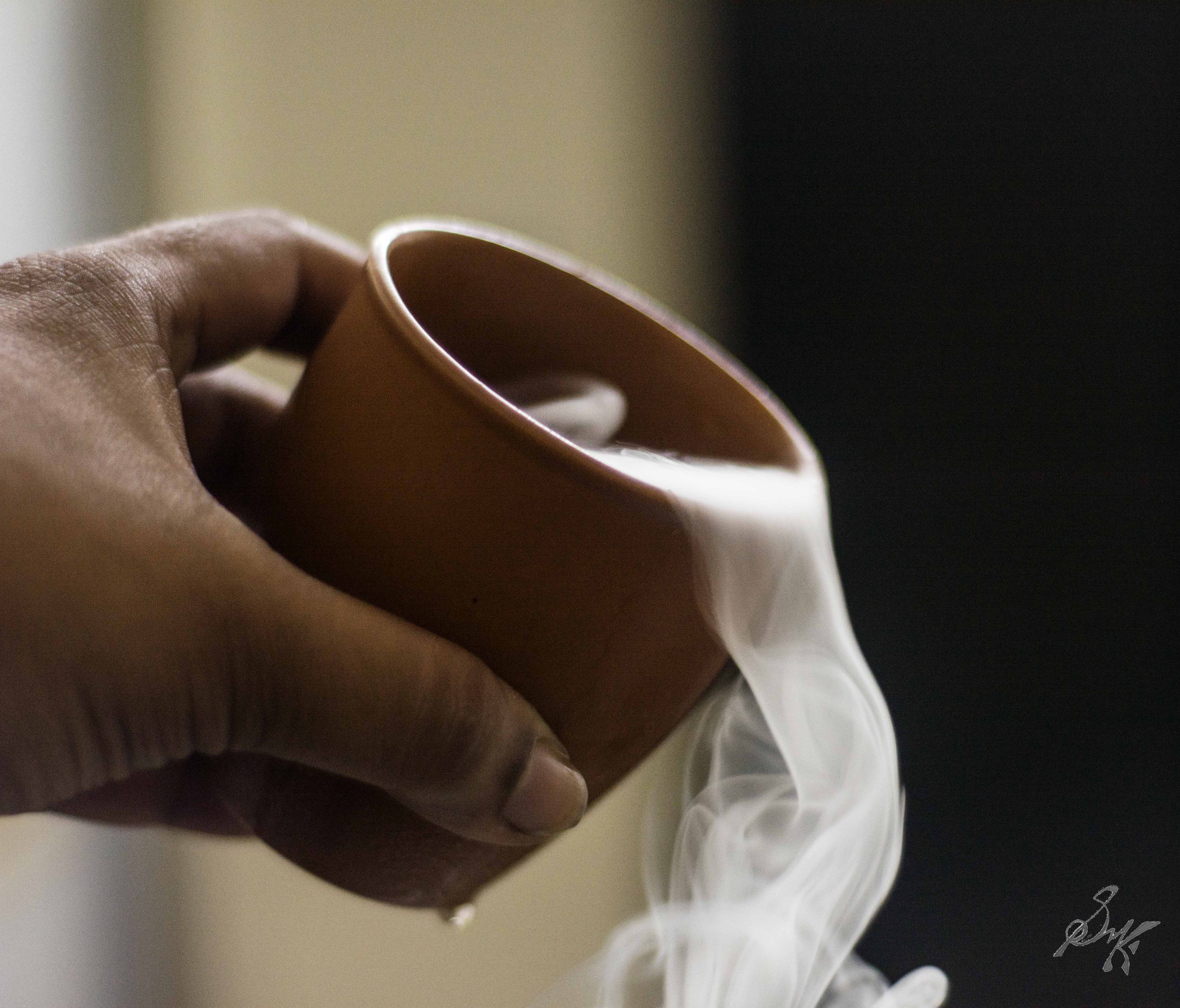
Dry Ice is of interest to us photographers since it produces thick smoke, when it comes in contact with water.

And the best bit, the smoke is cold, and heavier than air, so it flows!

This gives the opportunity to use the flowing smoke creatively. It can be used to provide artificial smoke in photos, to be used to as a background or otherwise. 

So, there you have it, the secret to thick billowing smoke in the photos. Have fun it. Be careful though, it is carbon dioxide, so, preferably do not inhale a lot of it, and experiment in an open space.

Cheers!!
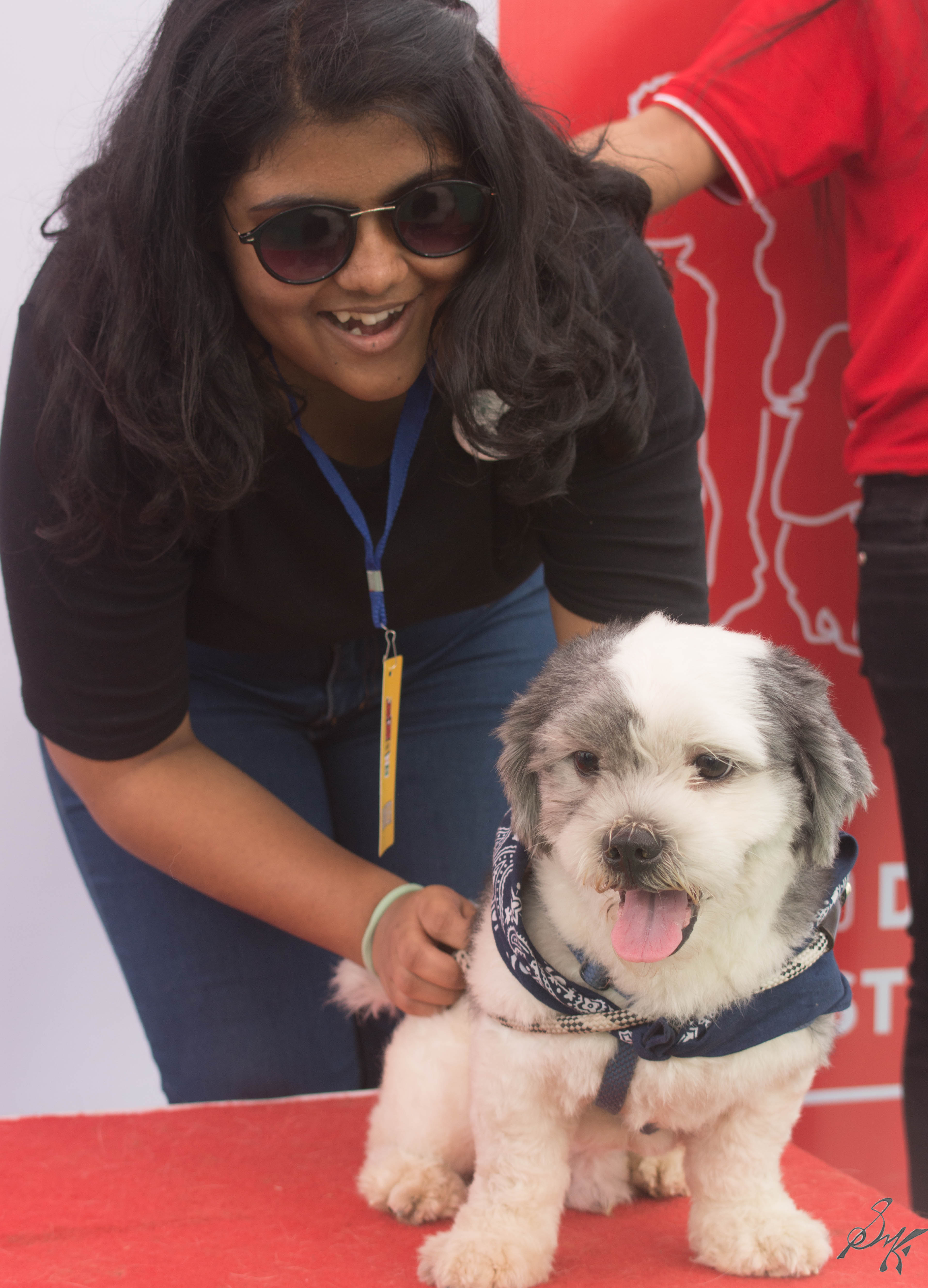
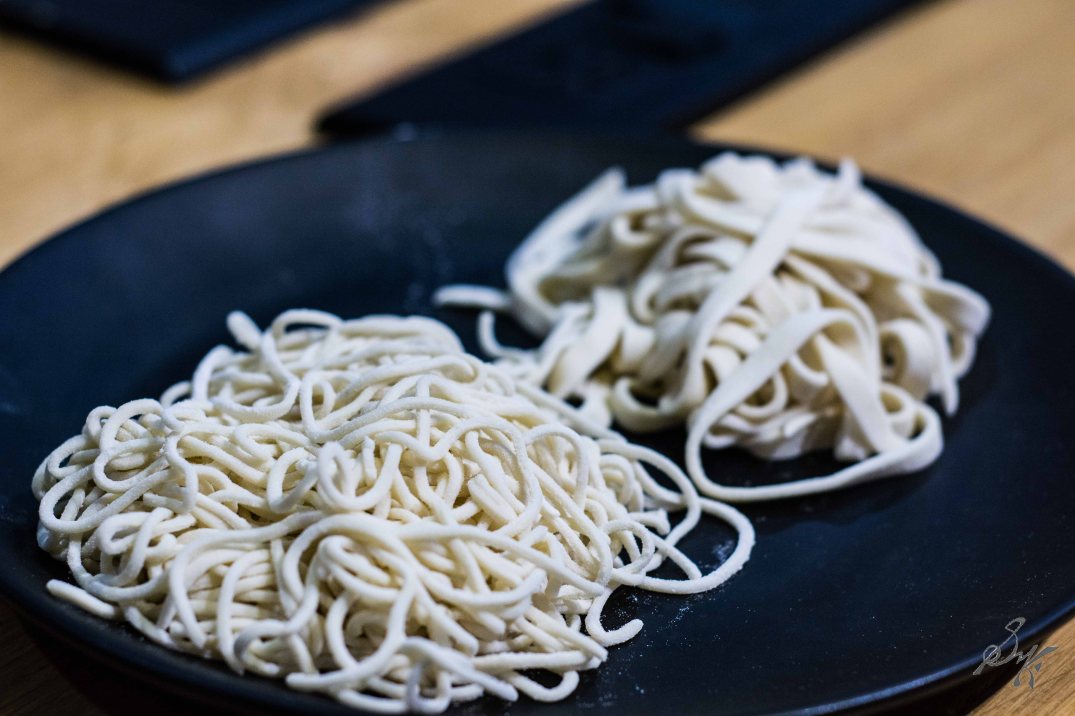
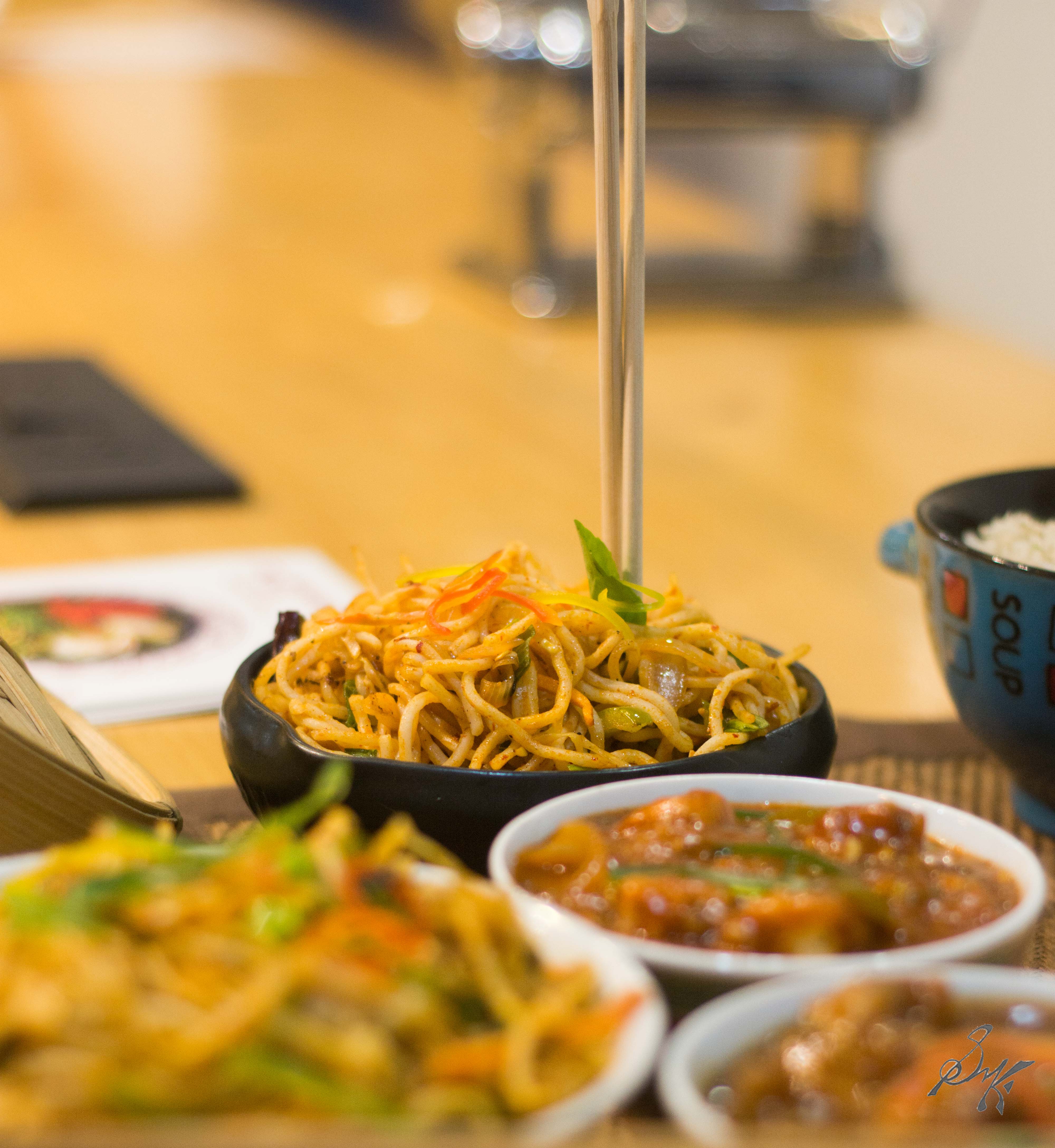
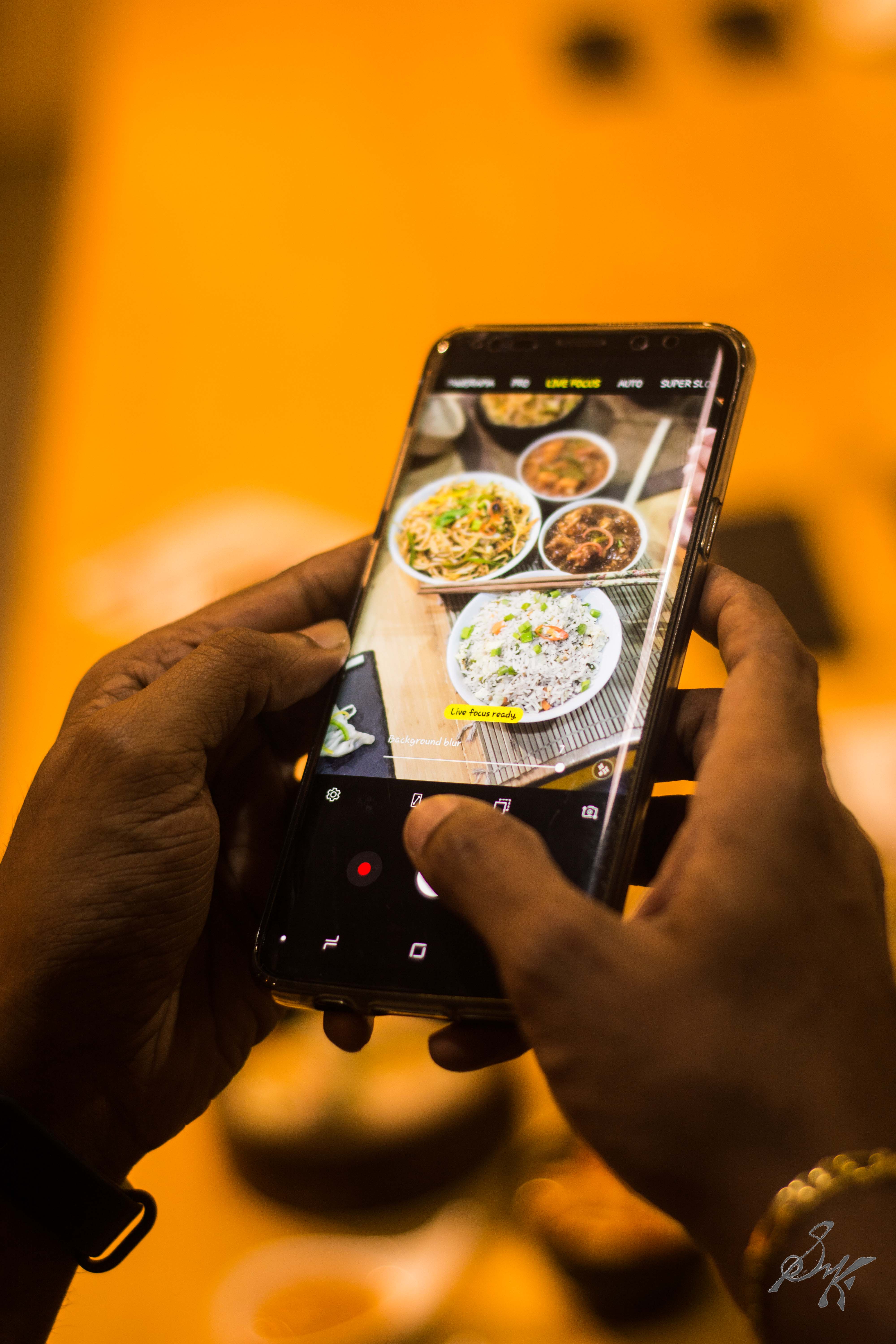
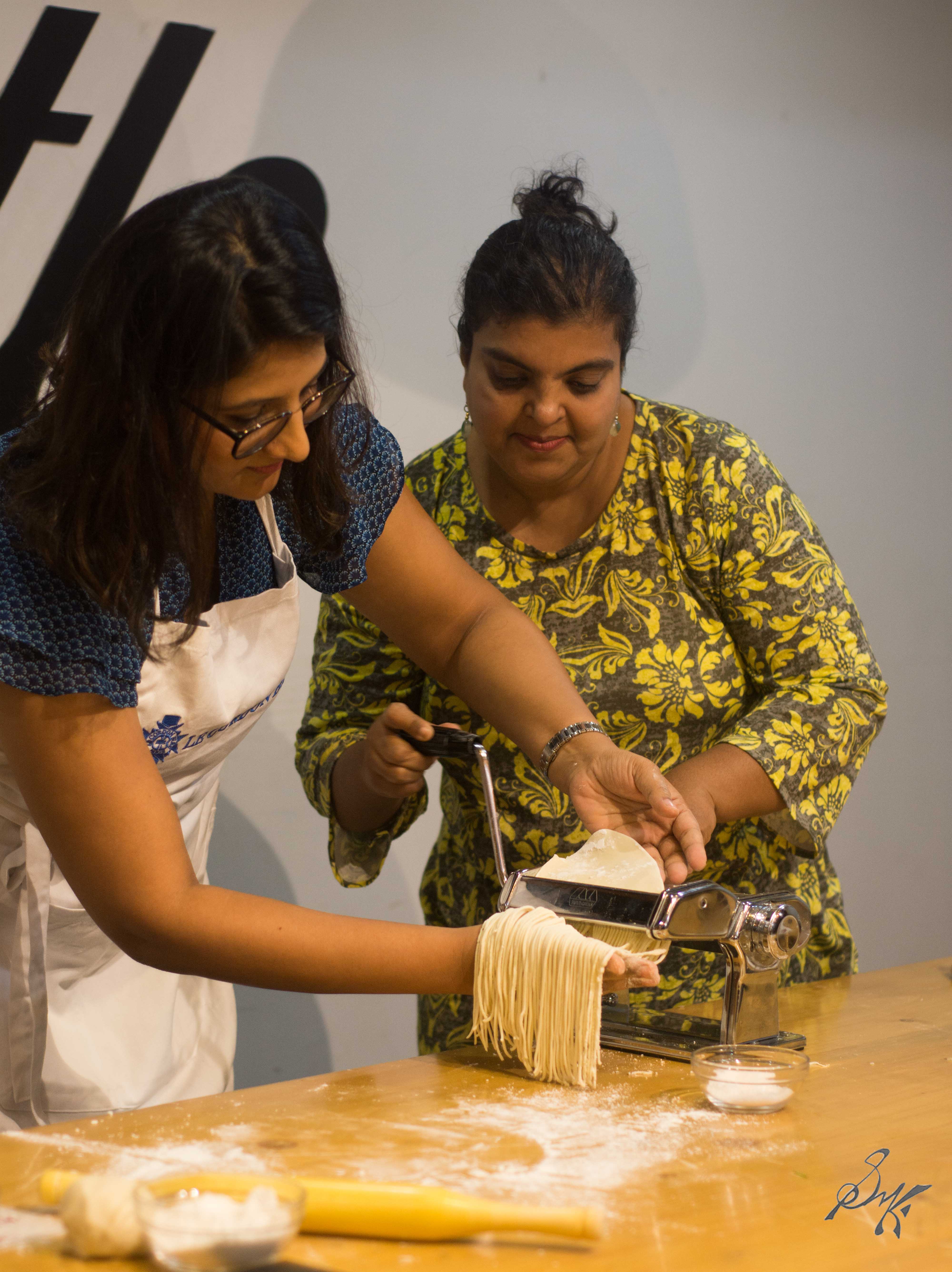
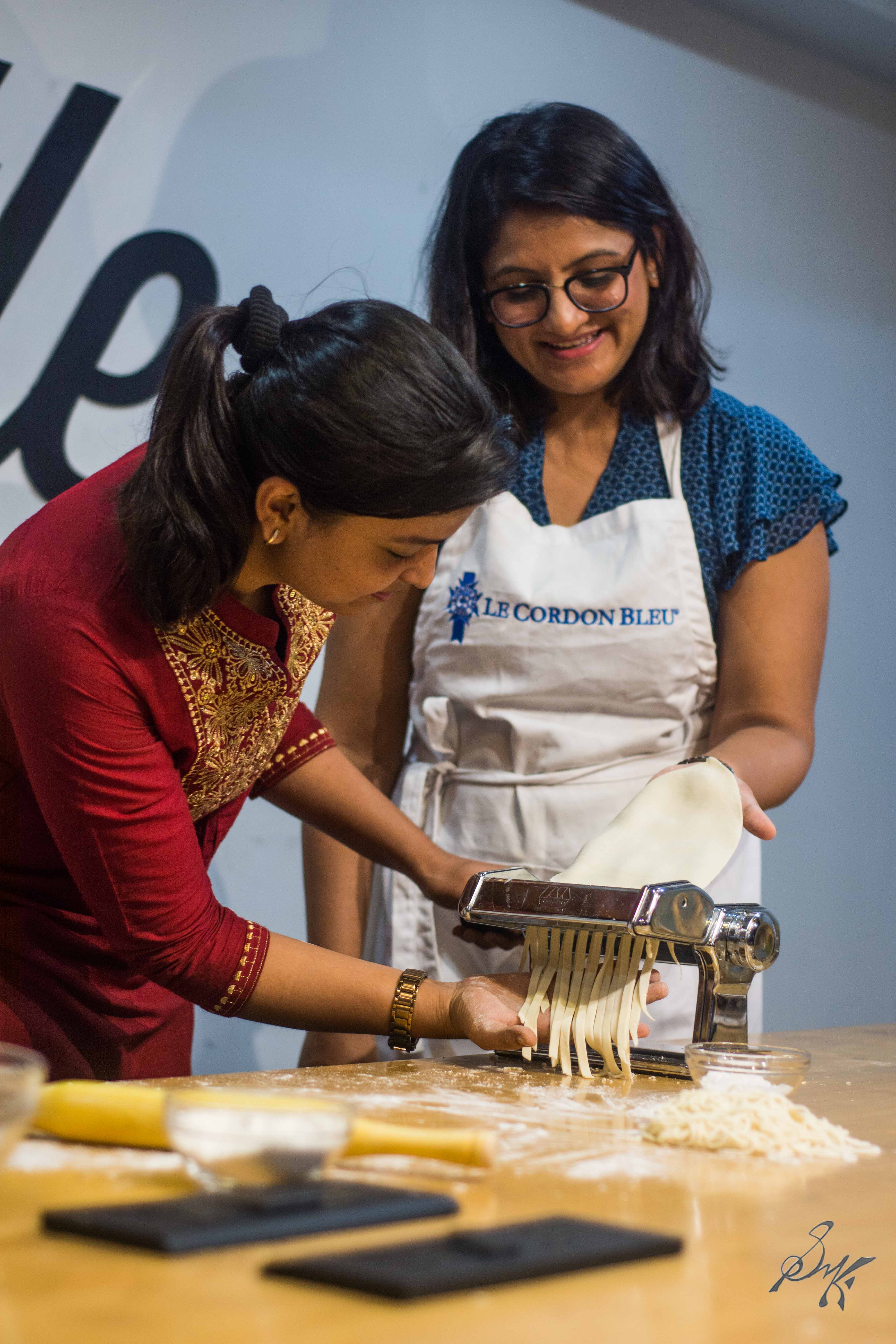
Mandarin Oak’s Noodle Class

A few weeks ago, I received an email from Faaso’s inviting me to a Noodle Making class. It was straightforward, if I wanted to join in, I was to fill out a form and be at the said location that Saturday. I was not ready to give up on an invitation to free lunch :p

Off course, I had my camera with me while I attended the class, and I was not disappointed by my subjects at all.
Behold, snapshots from the amazing noodle making class.

Our trainer for the day was Ms. Nidhi J, who is an amazing lady, a chef and a mompreneur. 

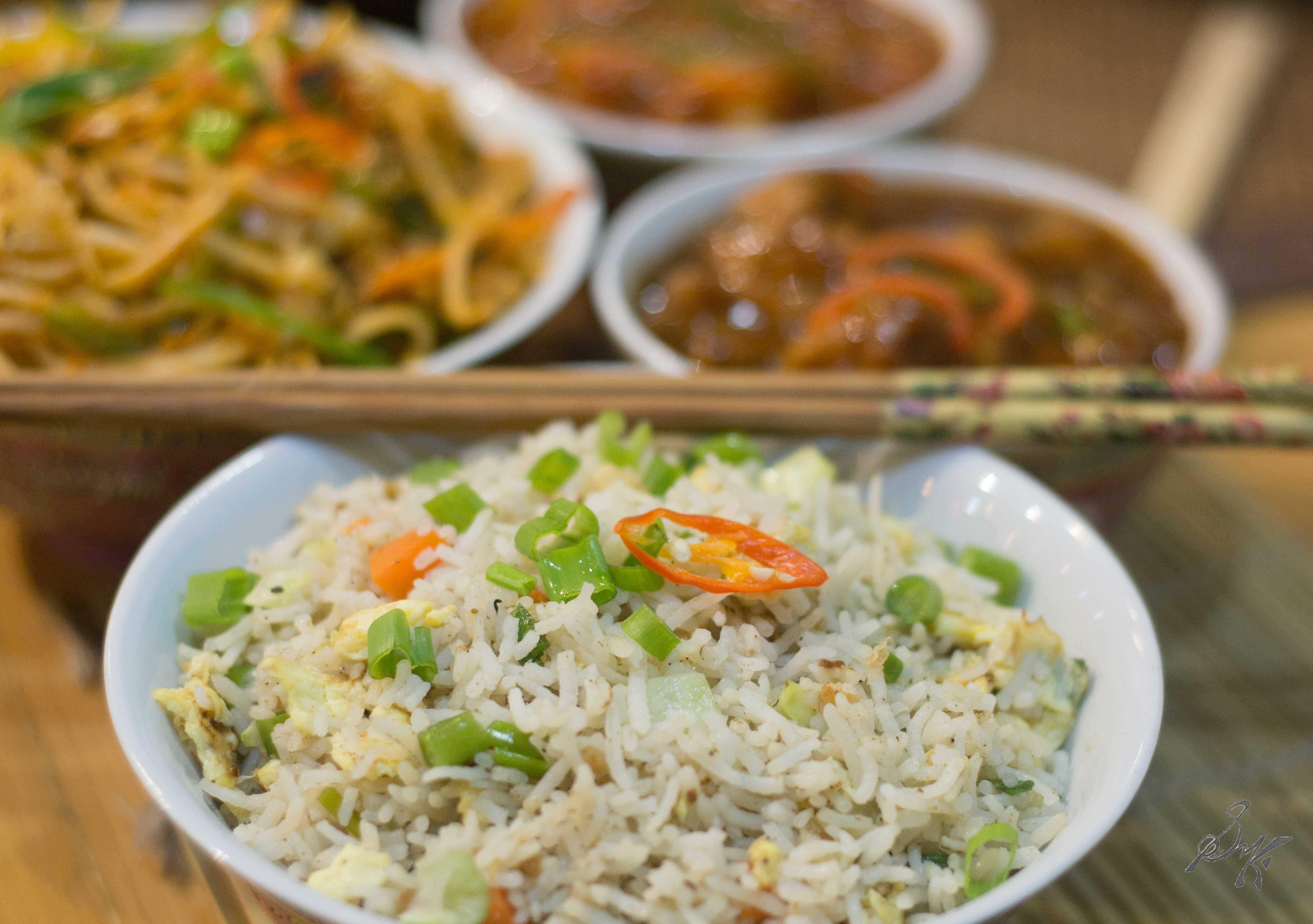
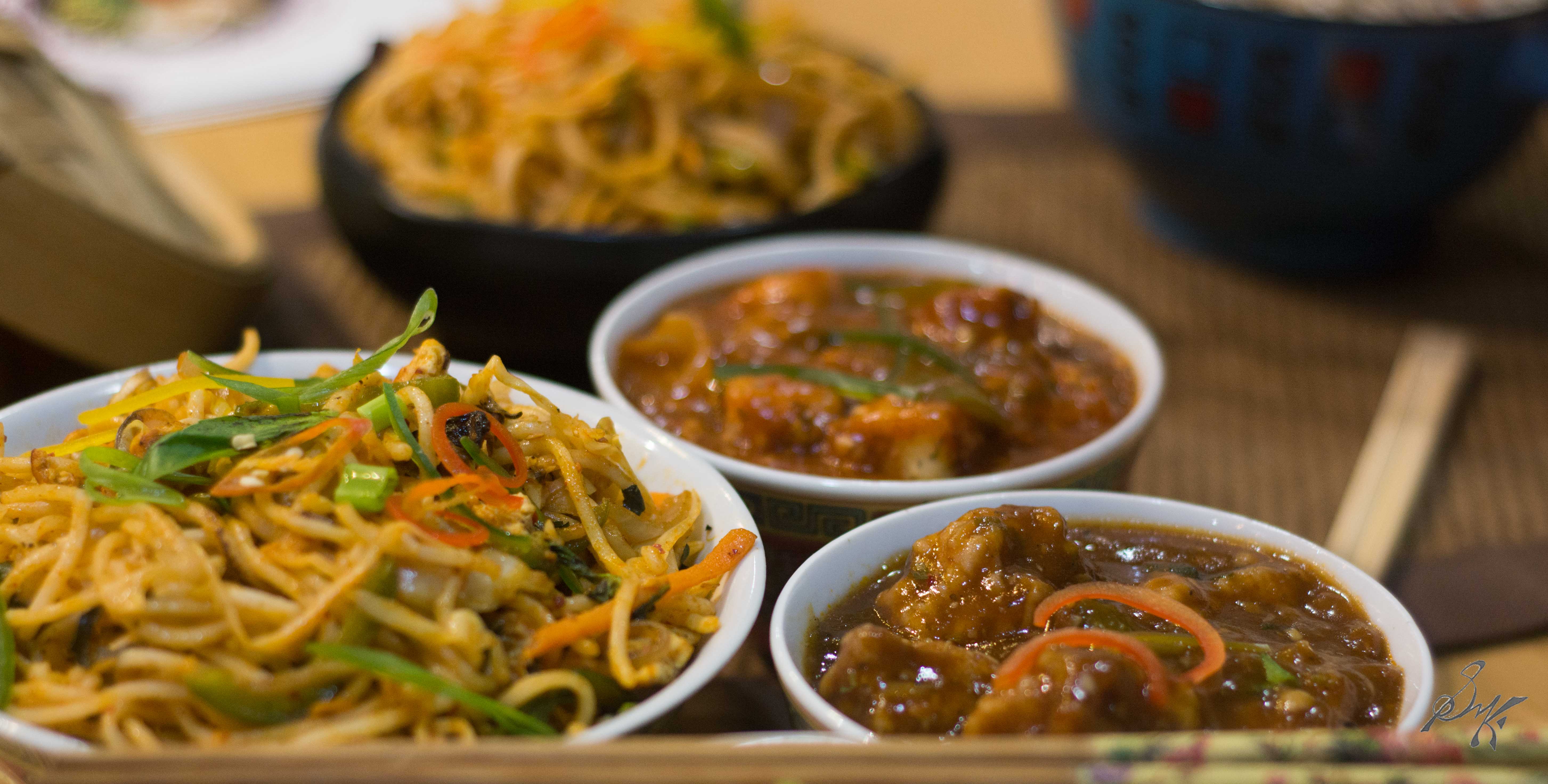
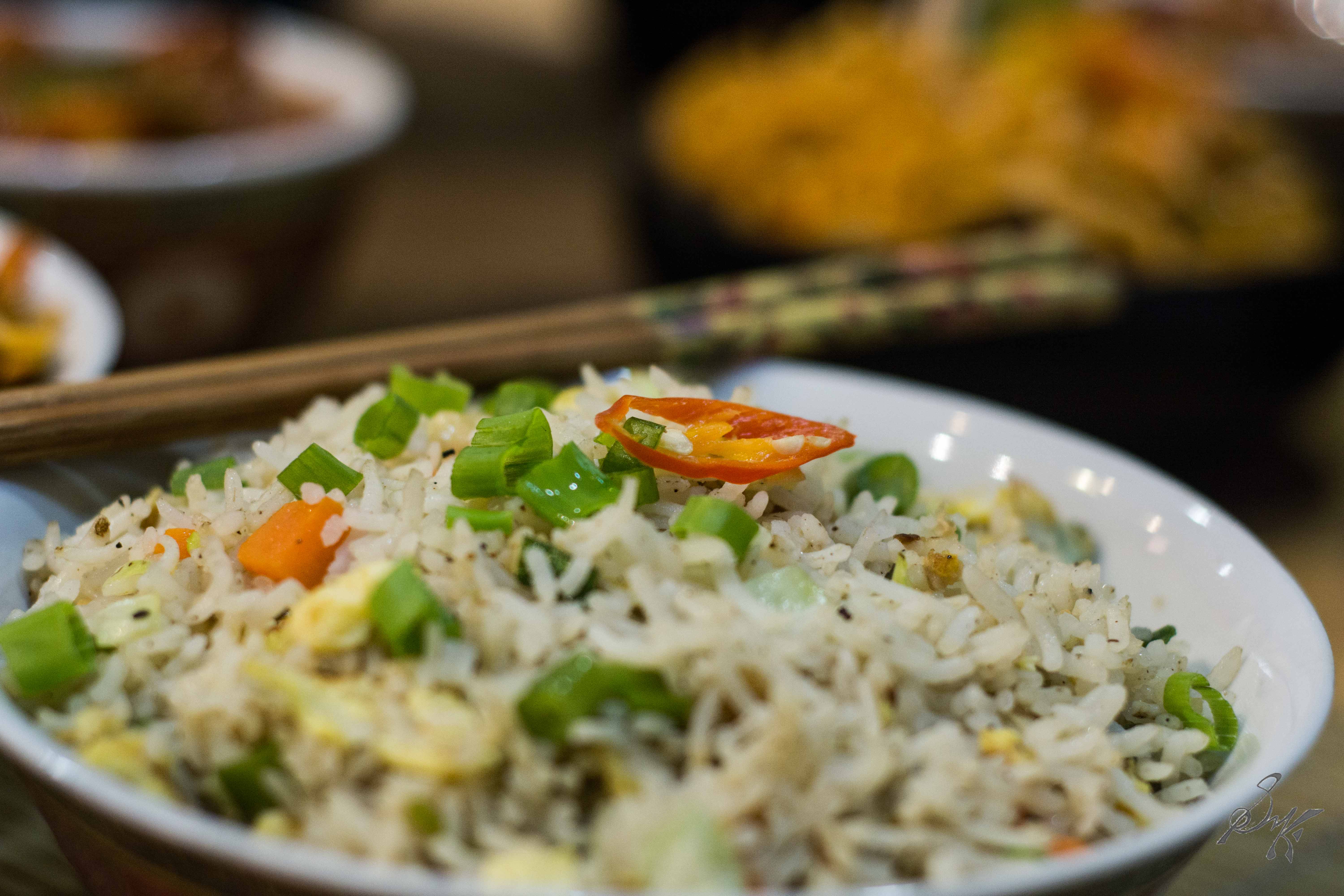
The class ended with us gorging on momos (dimsums), chicken fried rice, chilly chicken and iced tea hosted by the Mandarin Oak. Perks of moonlighting as a reviewer on Zomato 🙂

Next post, should be one about a trip to a beach! 

Cheers!!

From the food bowl of India!

Hi there,

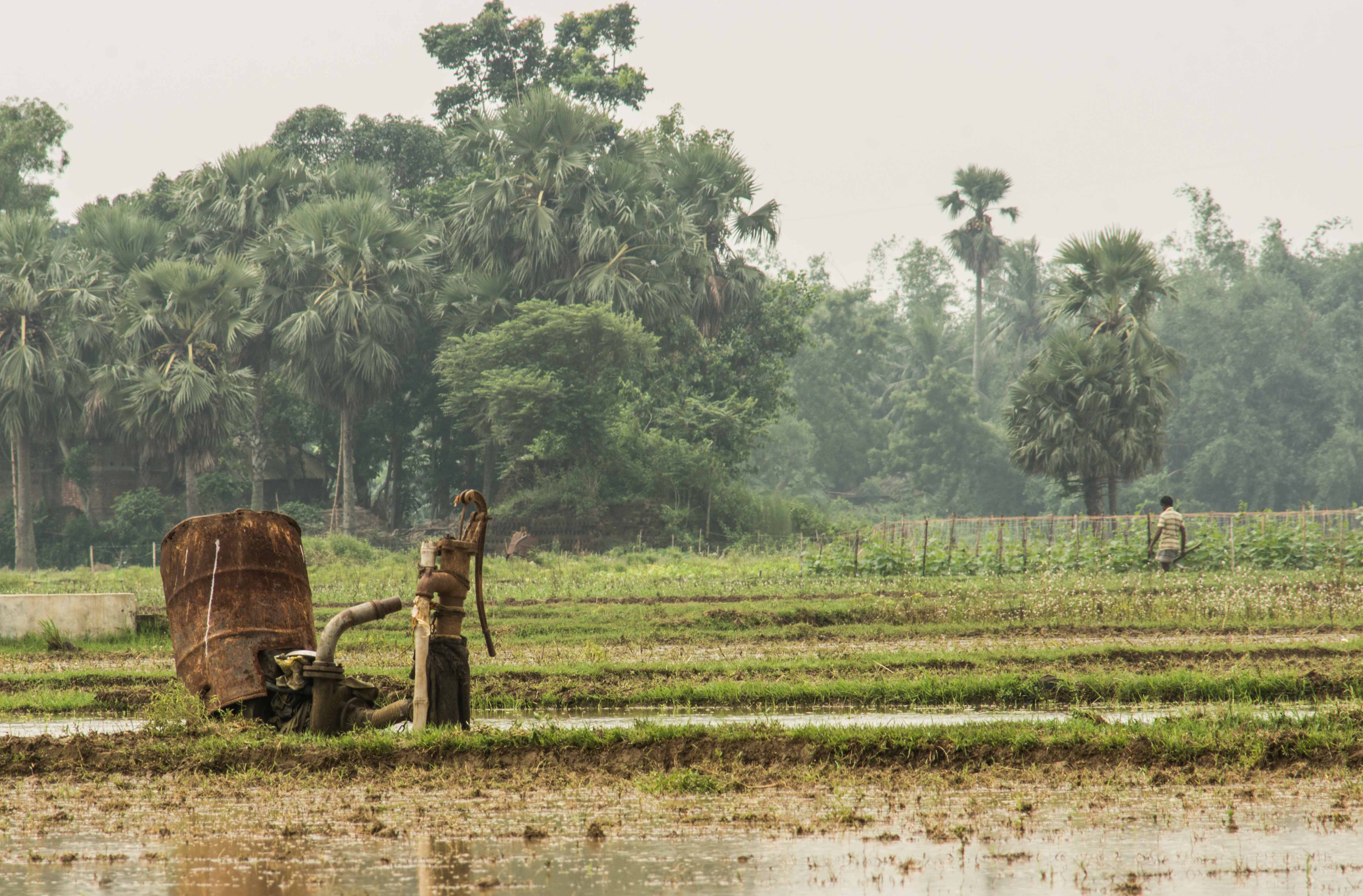
In this post, let me take you to the fields of my village. My village, Birati, is located in Hooghly district in West Bengal, India. Agriculture is still pretty much the mainstay source of income for the majority of the population out there.

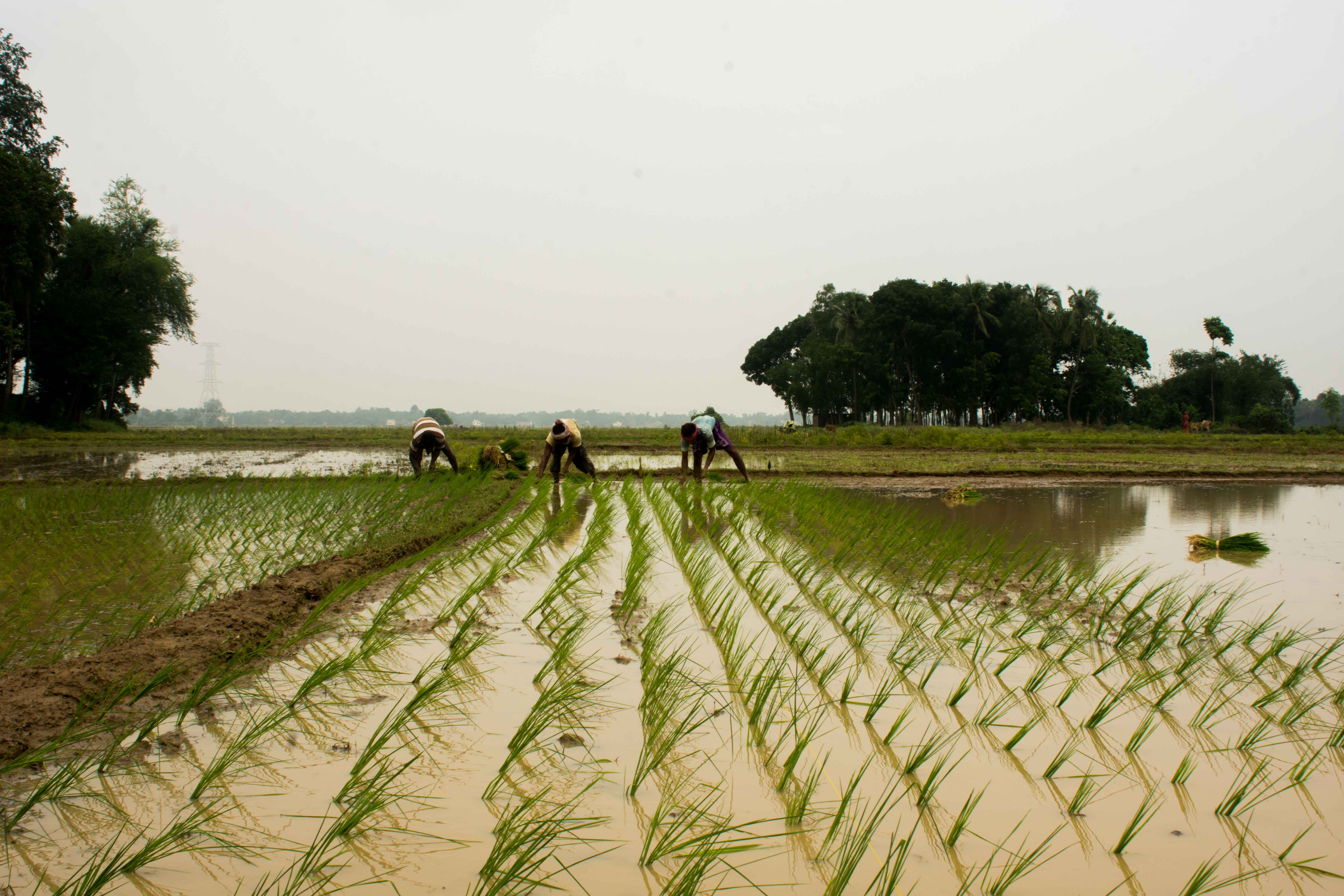
I was there for a couple of days last month, and it was the beginning of the rice plantation season. So, here is what transplantation of paddy looks like. Transplantation is when the saplings of paddy are moved from the nursery where they germinate to the fields where they shall actually grow to become lush green paddy.

A tubewell coupled with a motor to irrigate the fields

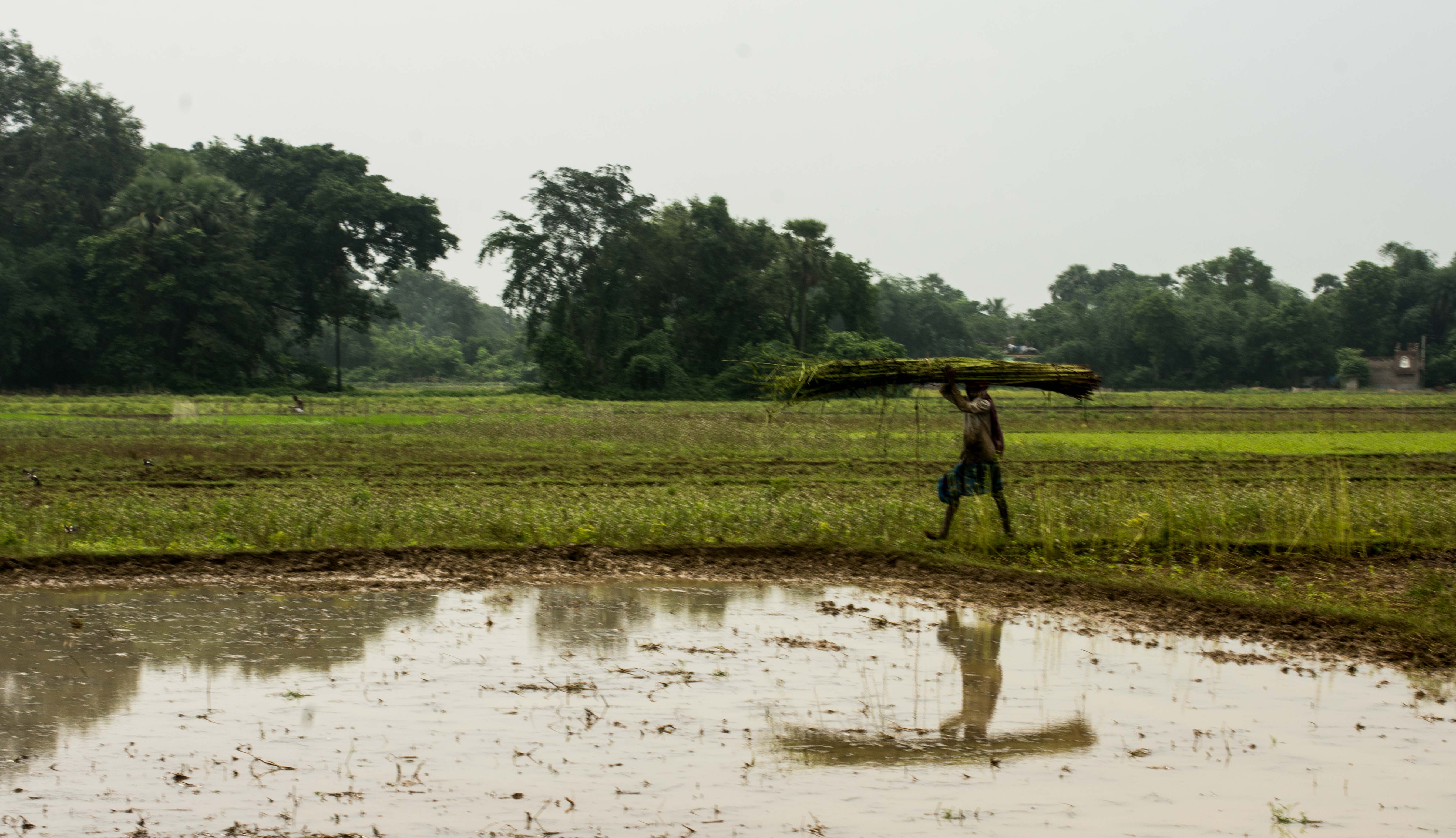
Man carrying a produce of earlier crops

Testing the Autofocus on my camera!

My father and uncles on the way to a field inspection

Transplantation in progress

Man with a bunch of paddy saplings

Transplantation of paddy saplings in progress

In about three months time, these fields will turn golden yellow and the rice plants shall be ready to be cut, sheafed, thrashed, and go on to become edible rice grains. That is also the time around Durga Puja, so, I will be in my village for the same. An update can be expected on this topic. Plus, posts with insights into a Durga Puja at a bengali household shall be up too.

I was at a noodle making workshop lately. While learning how to make noodles, some amazing photo opportunities did come up, and I shall share them here, in the next post. Stay tuned.

Cheers!!
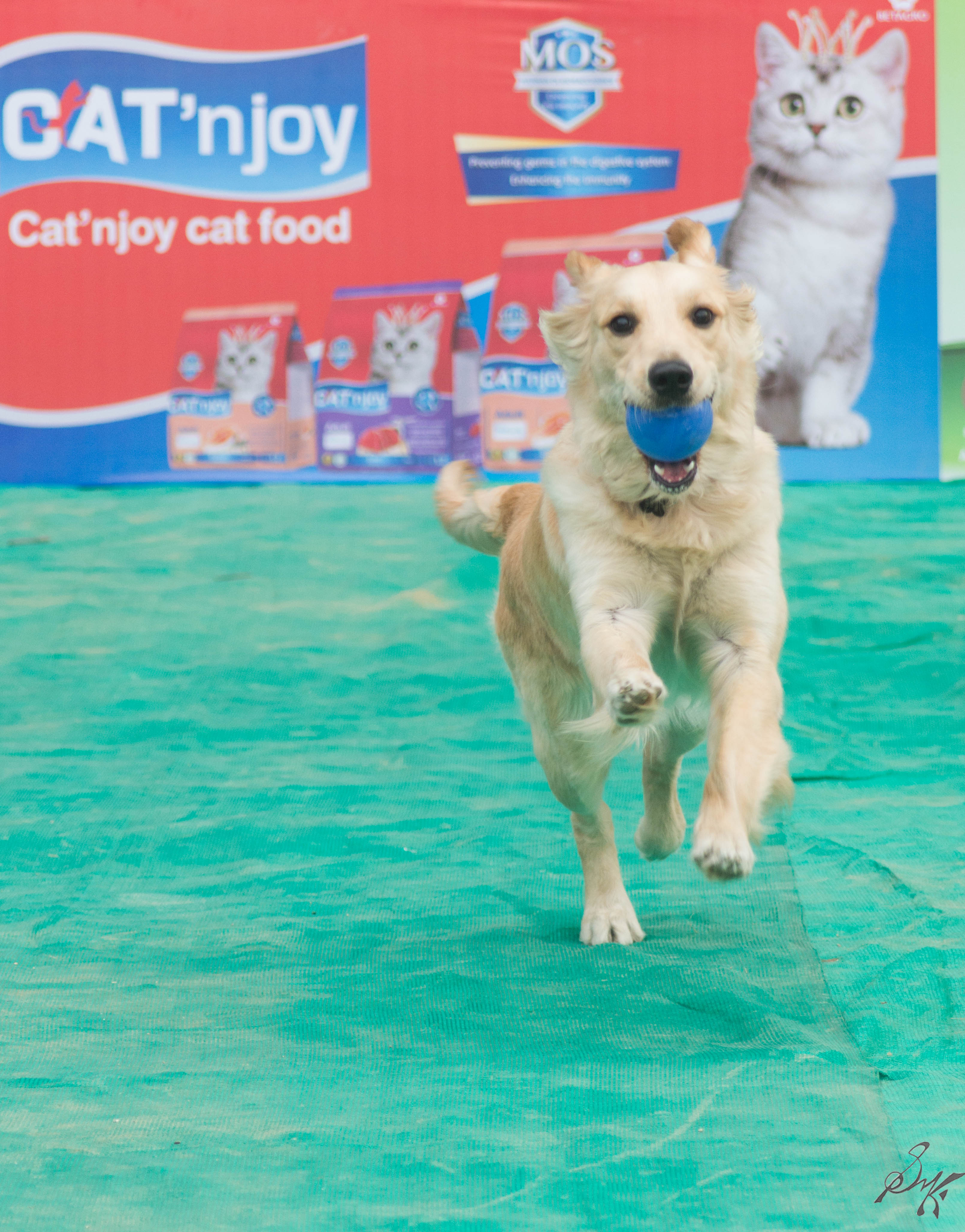
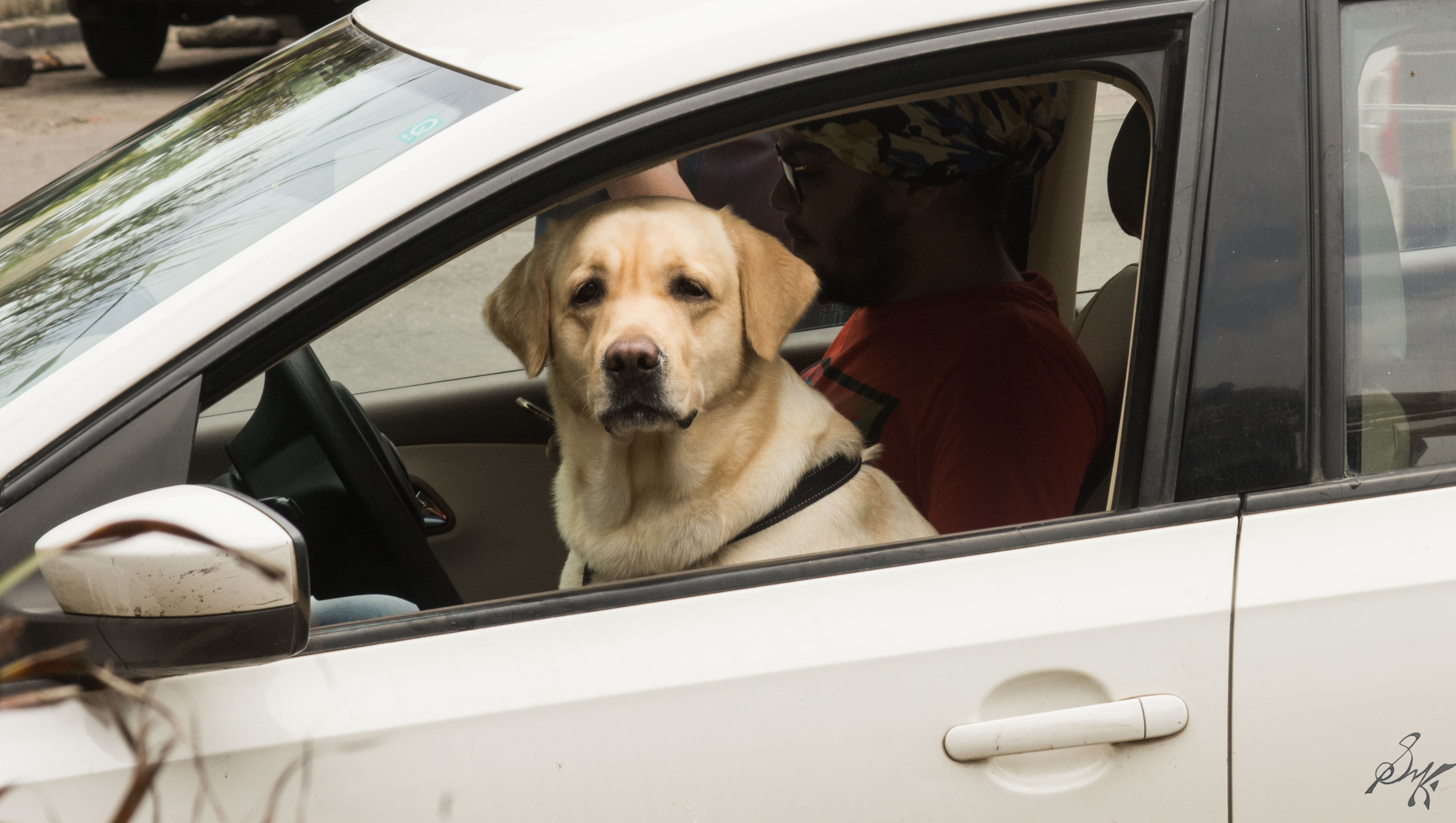
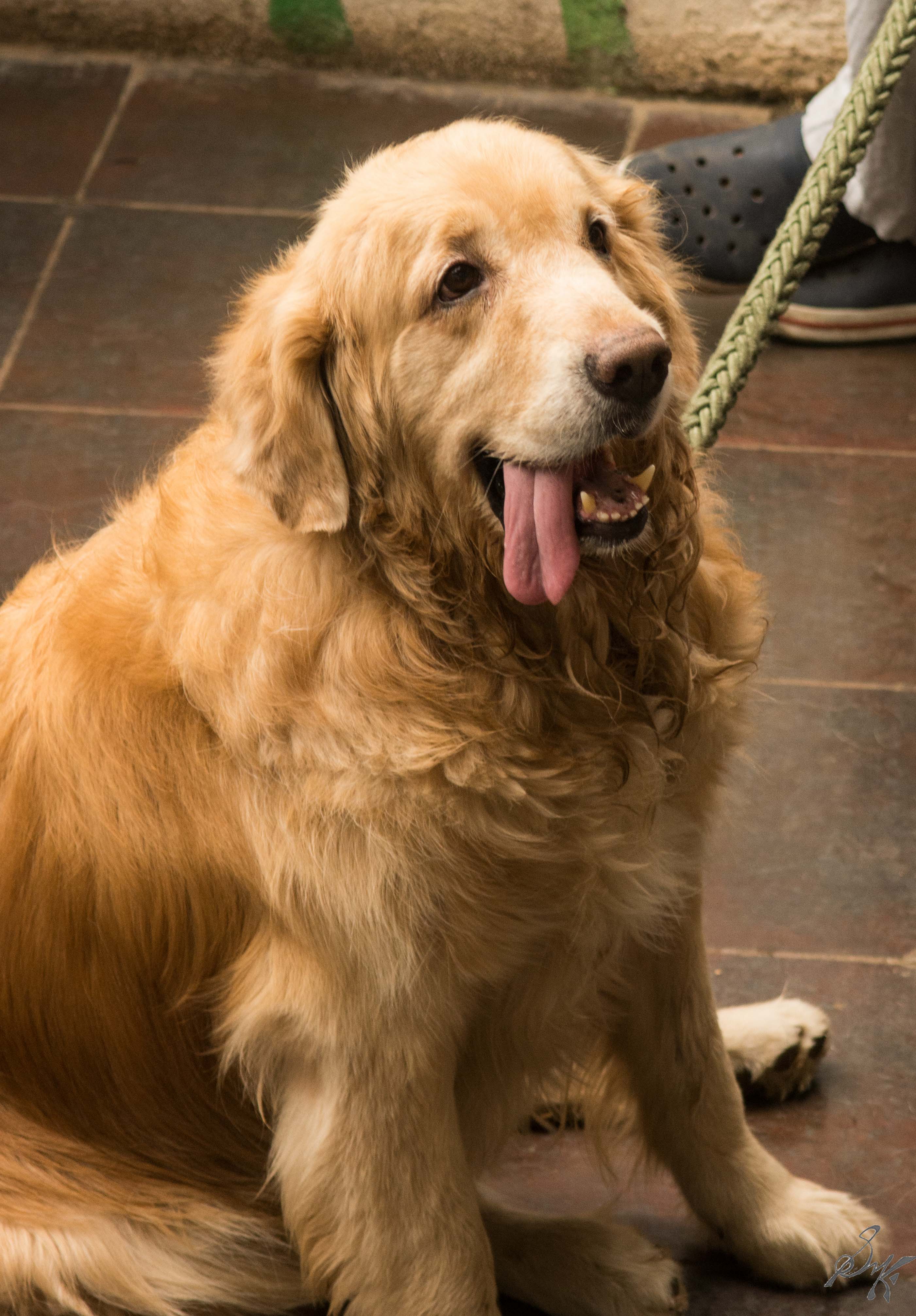
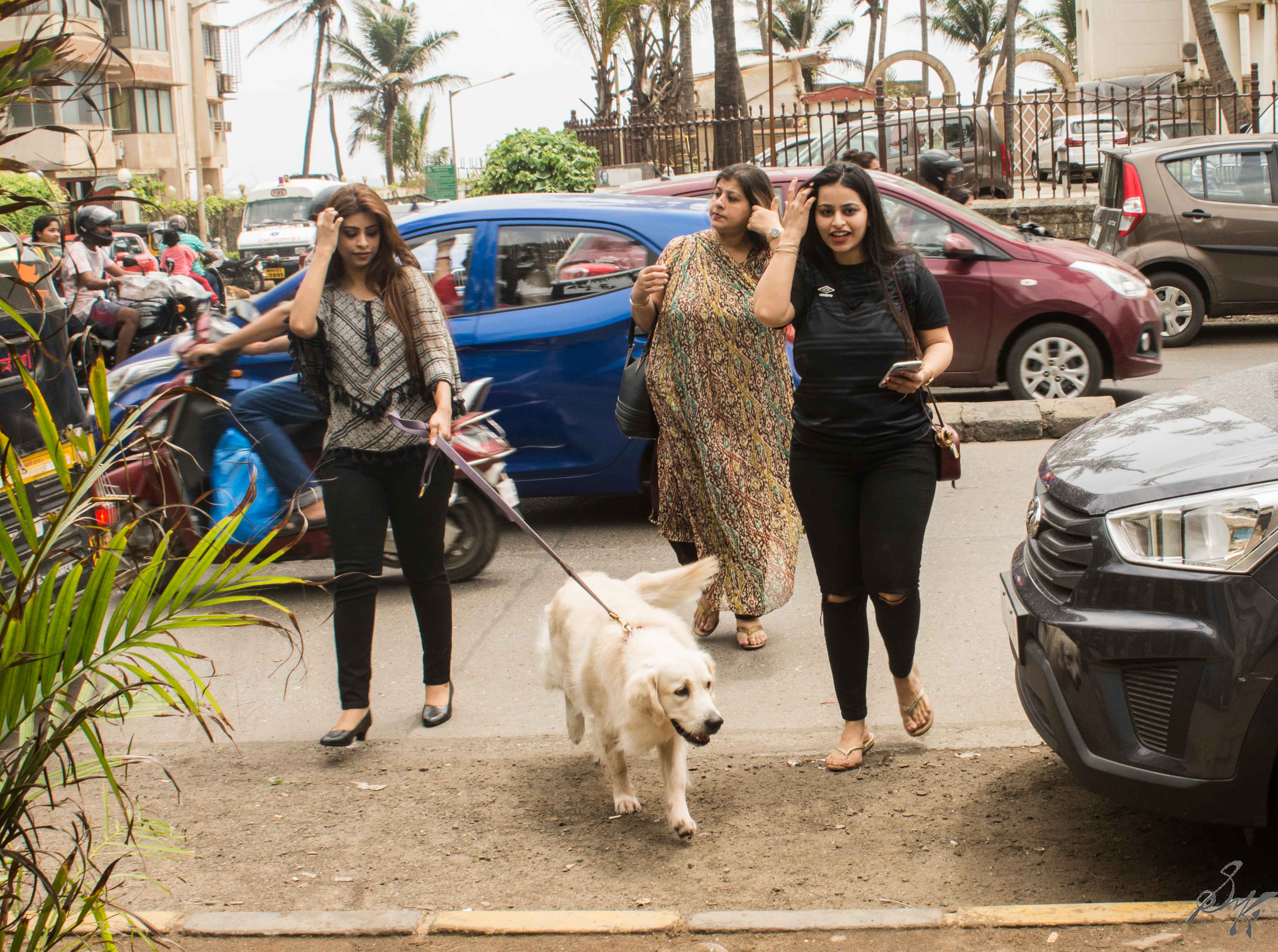
Pupper Party 3.0

Yet another Pupper Party post! This time, we were in The House, Versova! This post is also a part of the ramp up to the ultimate pet event of the city, PetFed 2019.
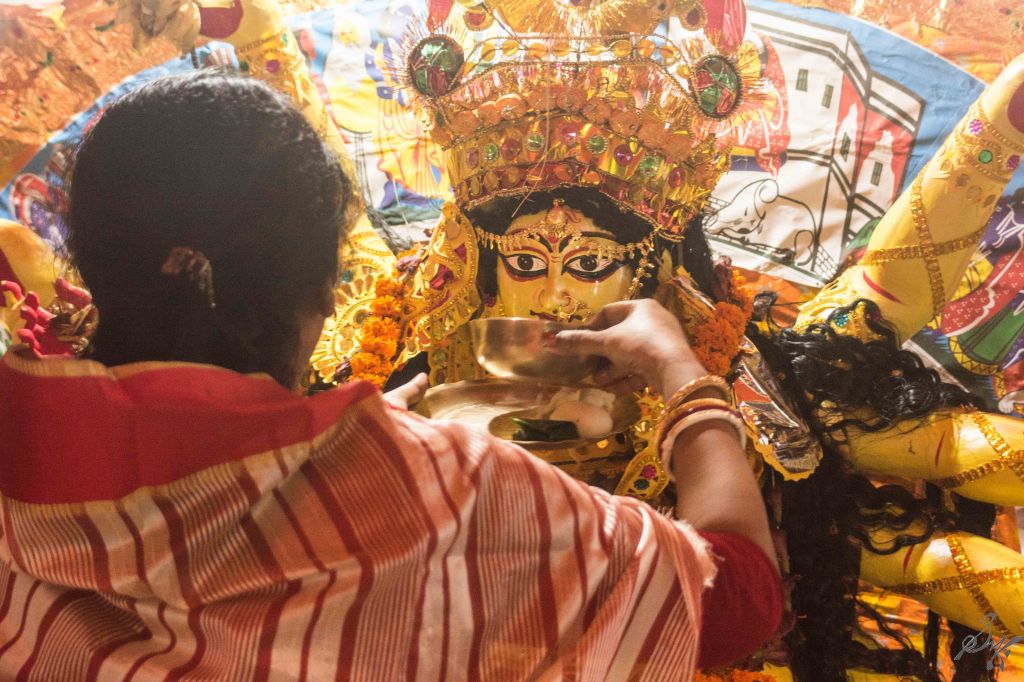
This time we had cocker spaniels, labradors, golden retrievers, pugs and many more! Enjoy 🙂

As always, it is immense fun to cuddle and play with the dogs, while trying best to take the photos too.

Next up, should be a peek into how my village looks like.

Cheers!!