April AtoZ Challenge: PH – S: Shutter Speed

for Shutter Speed

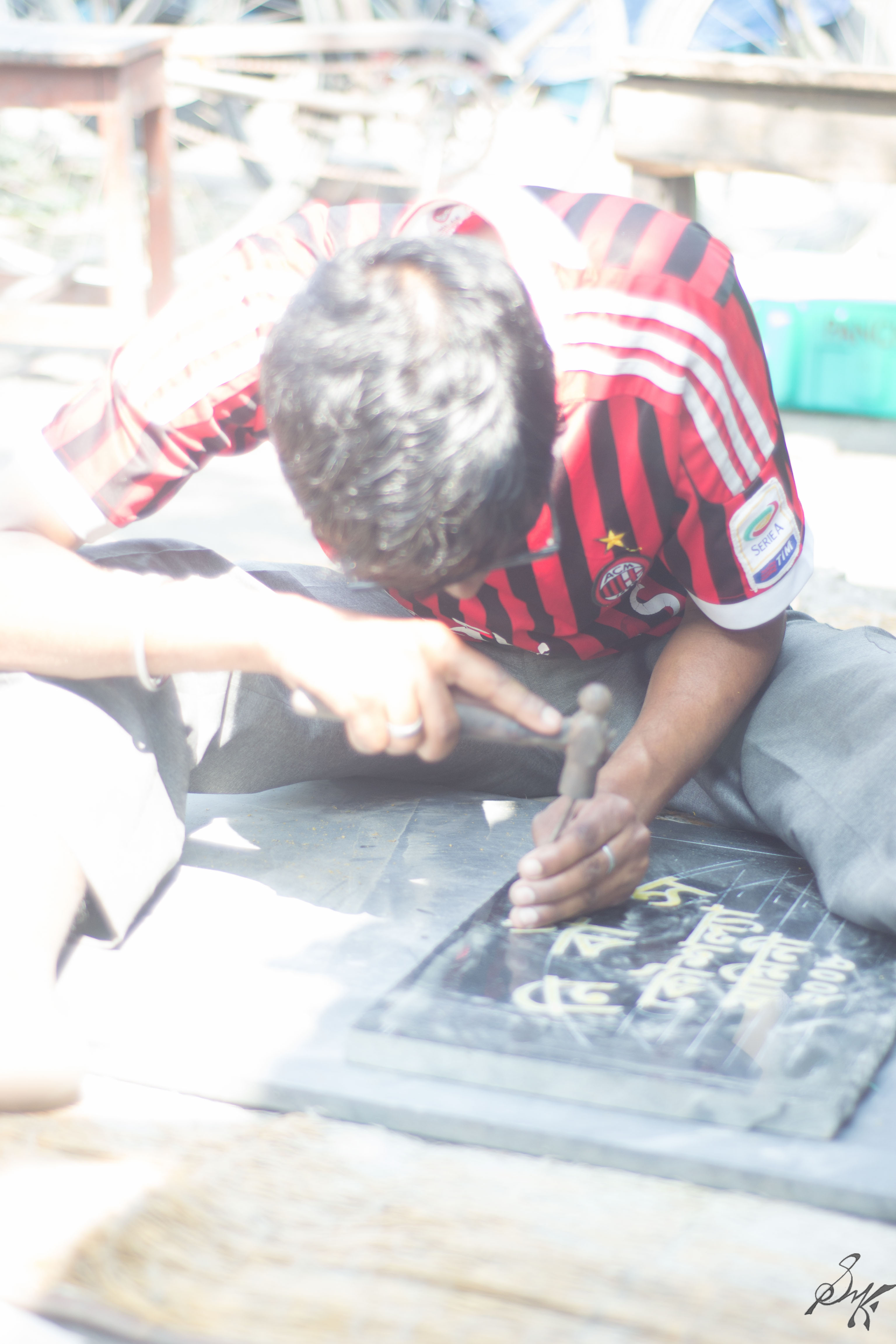
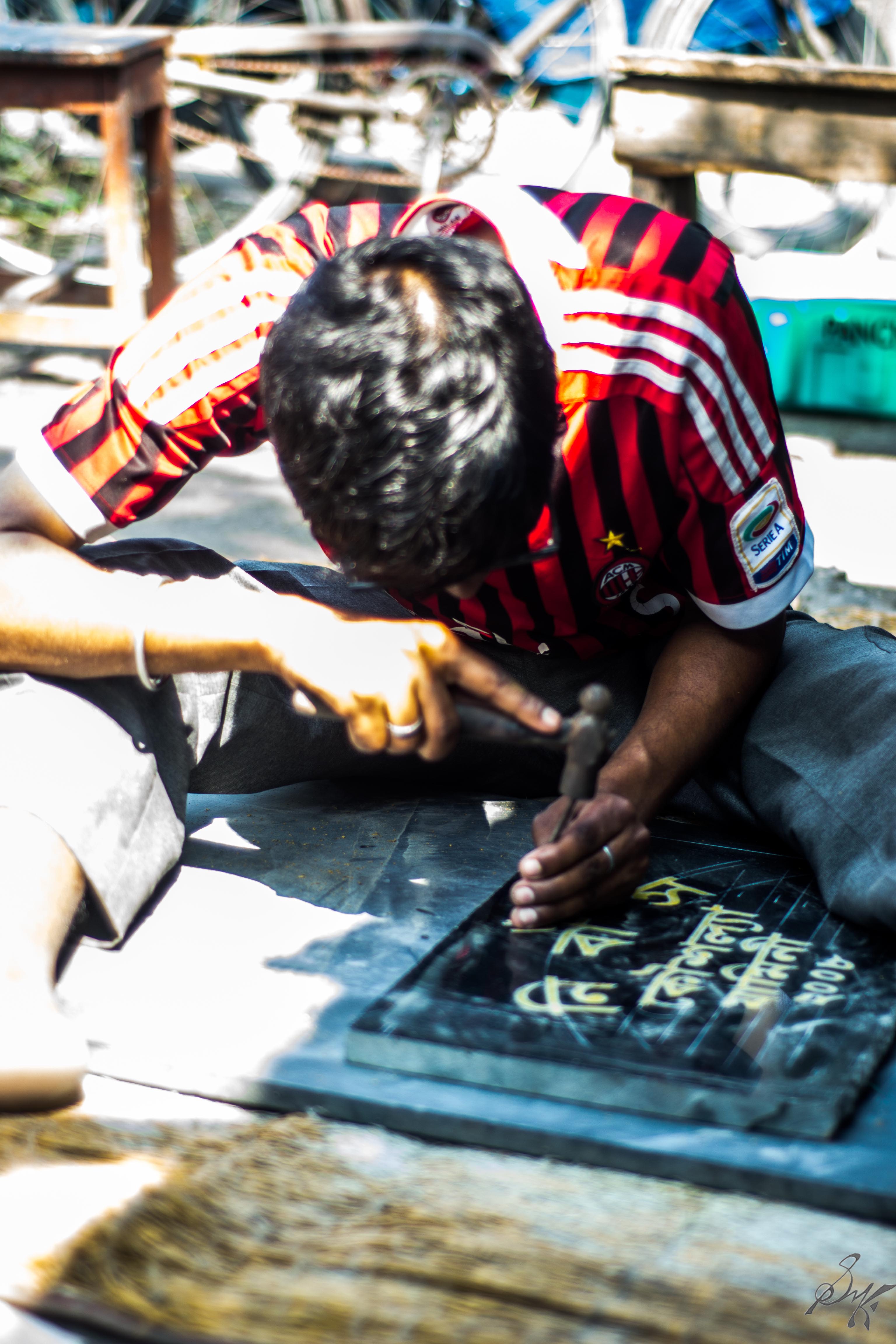
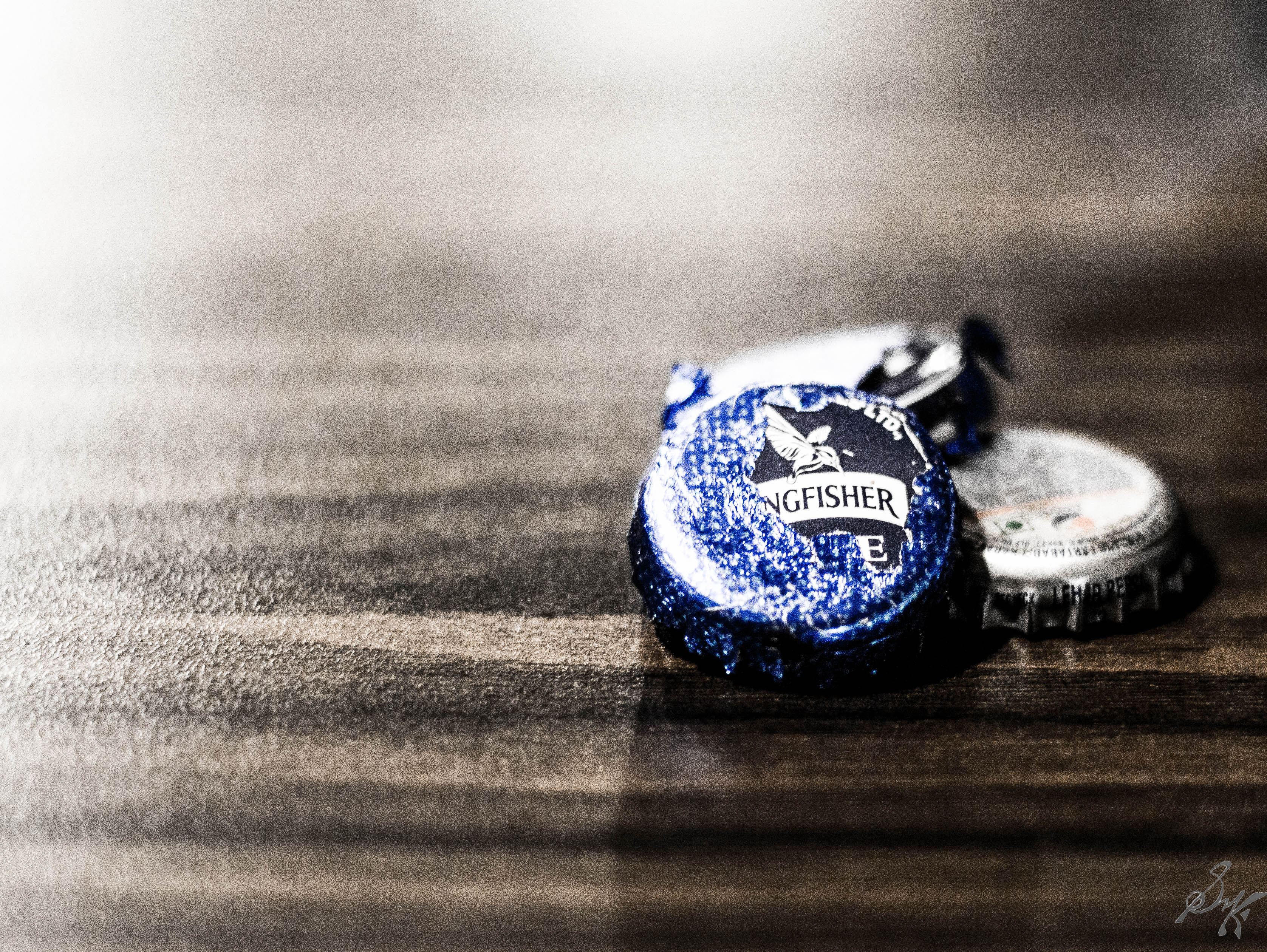
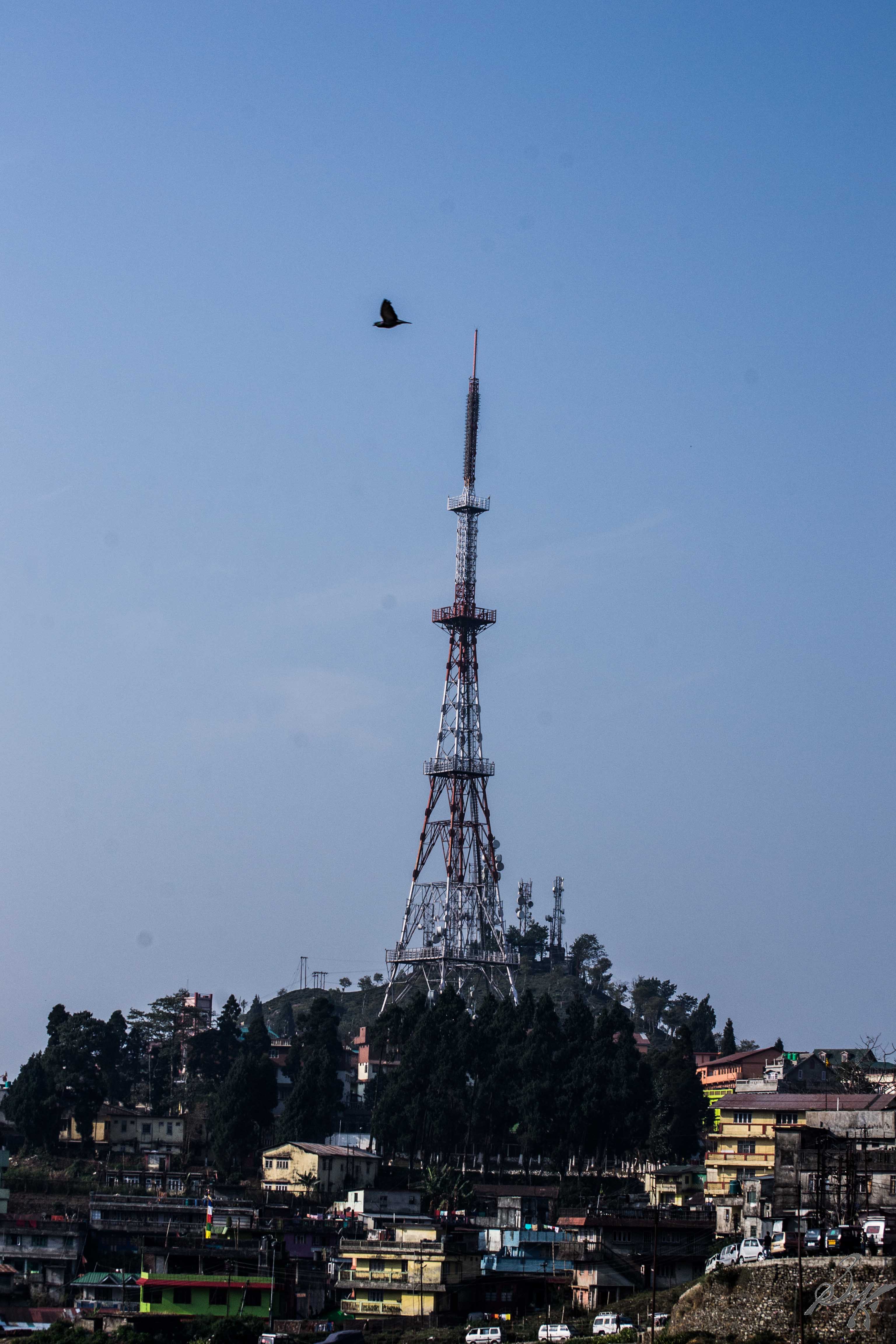
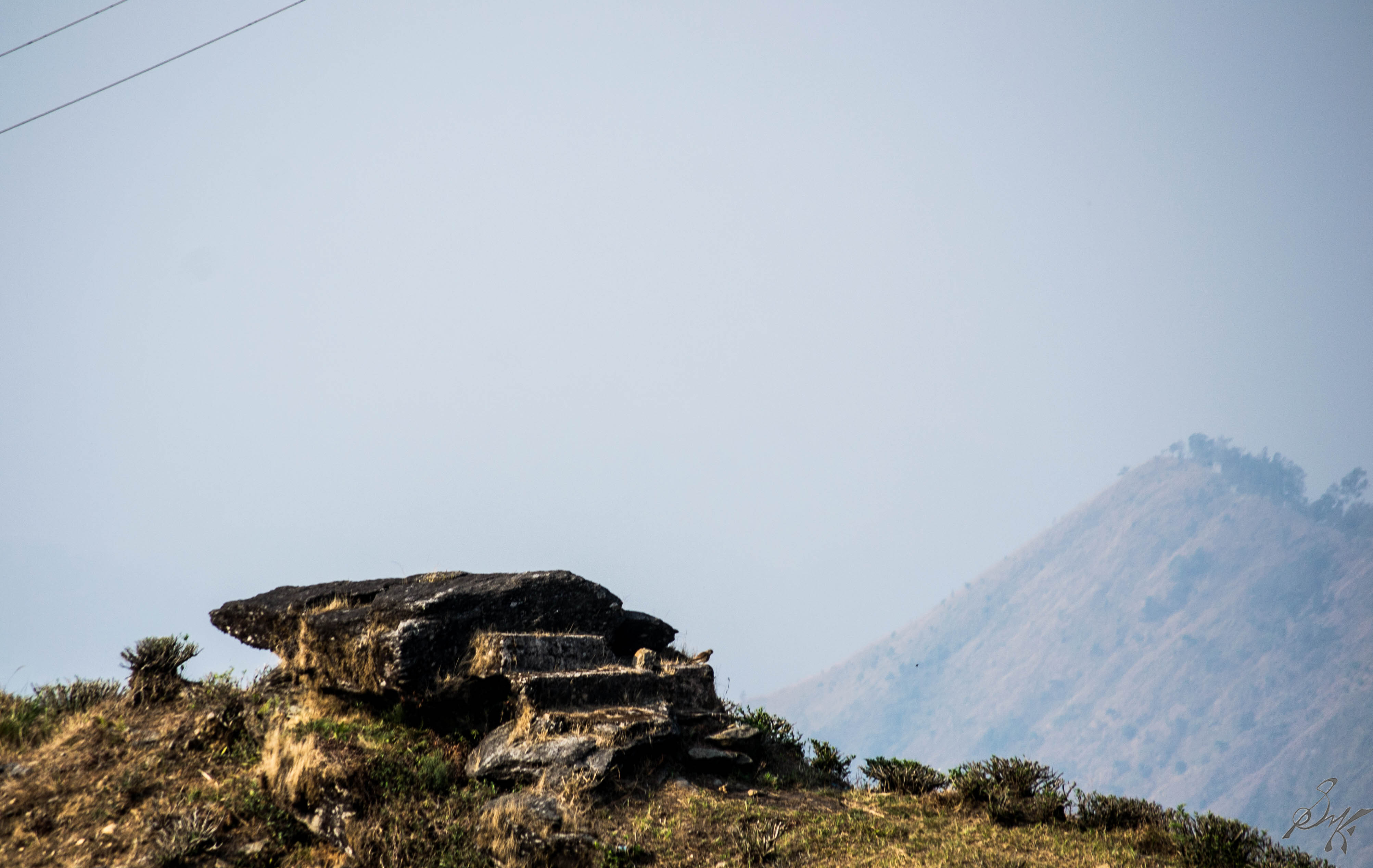
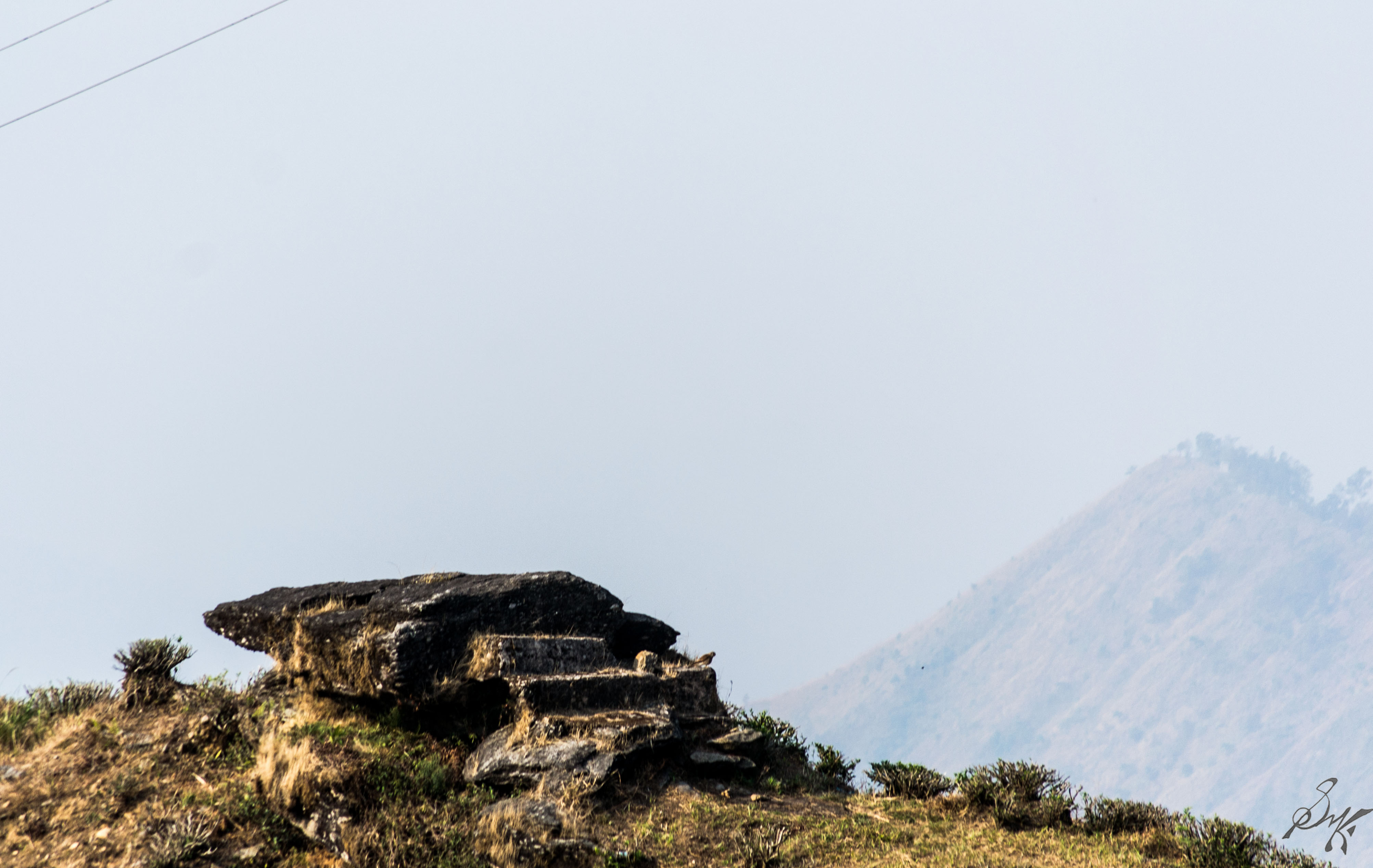
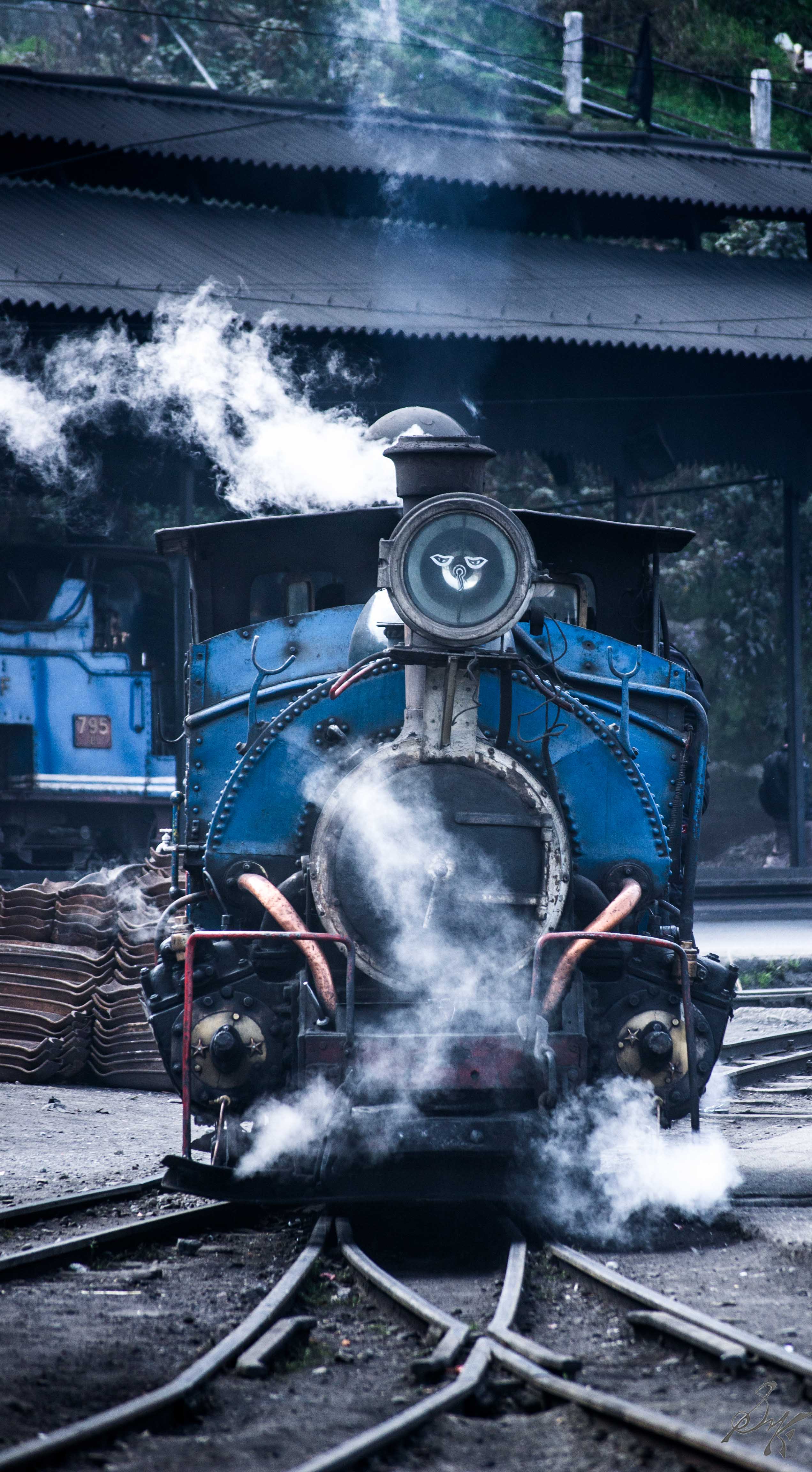
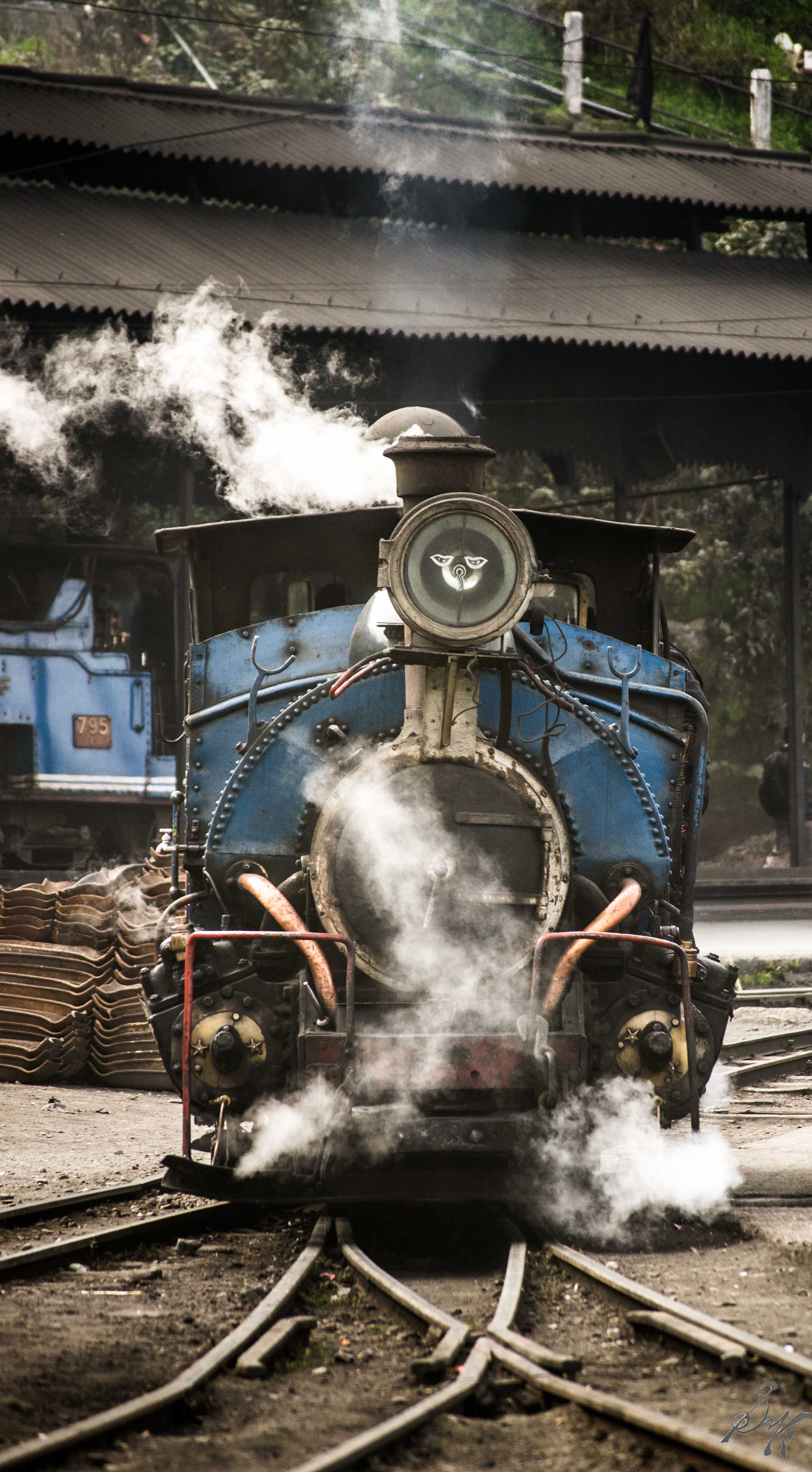
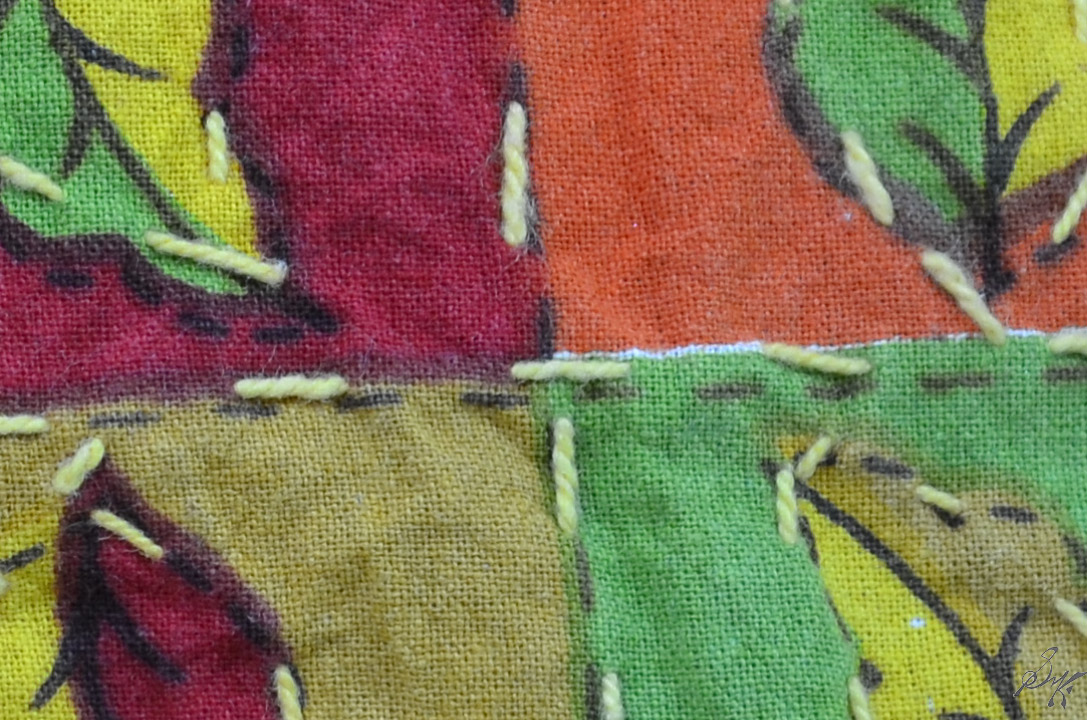
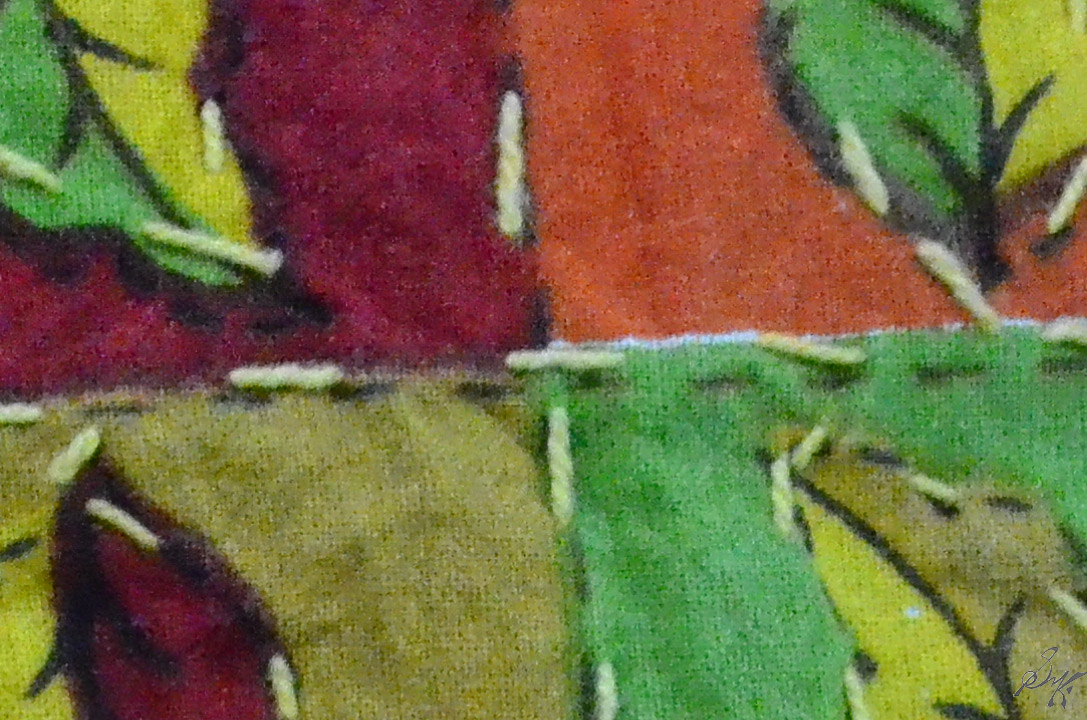
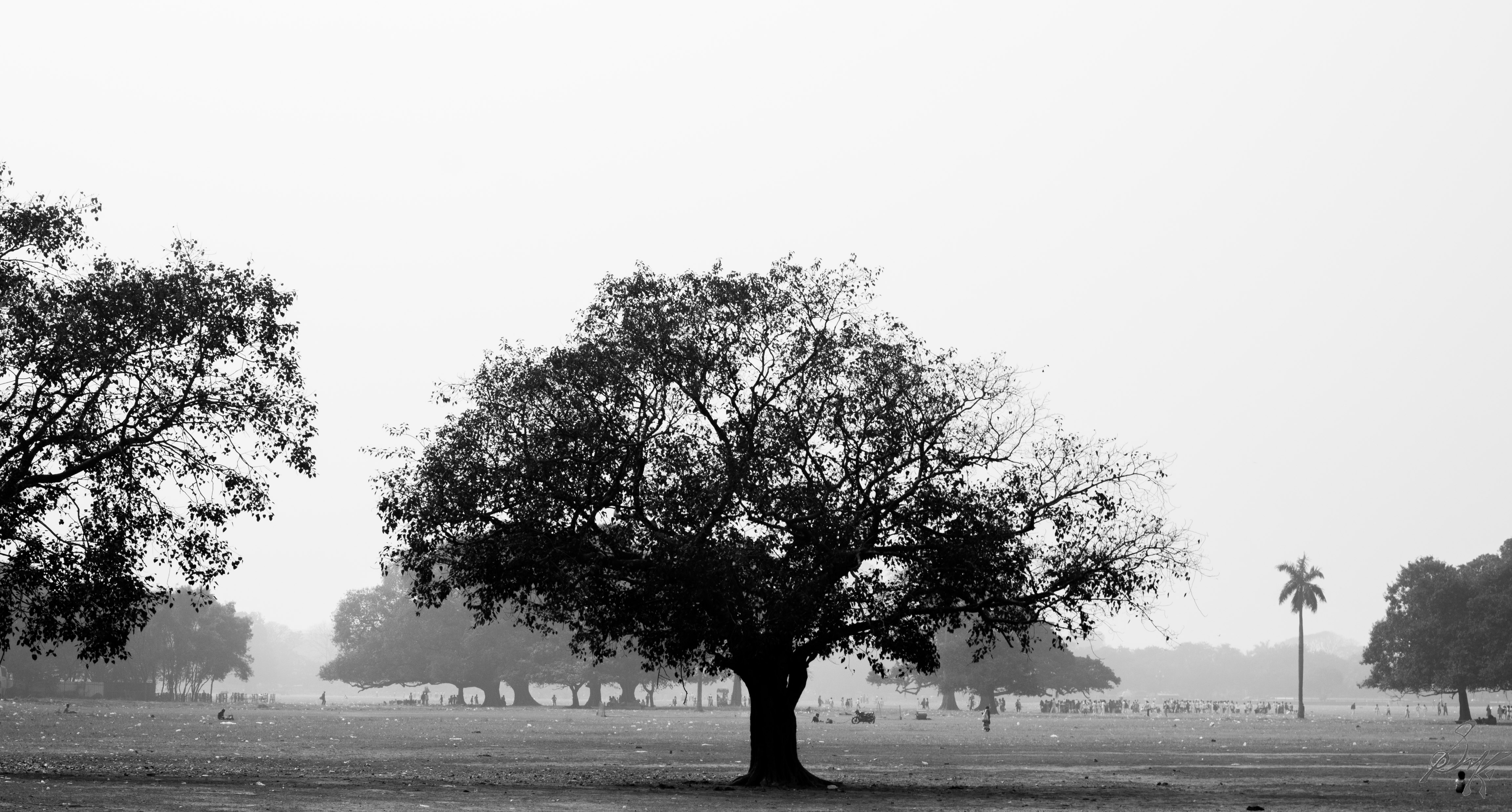
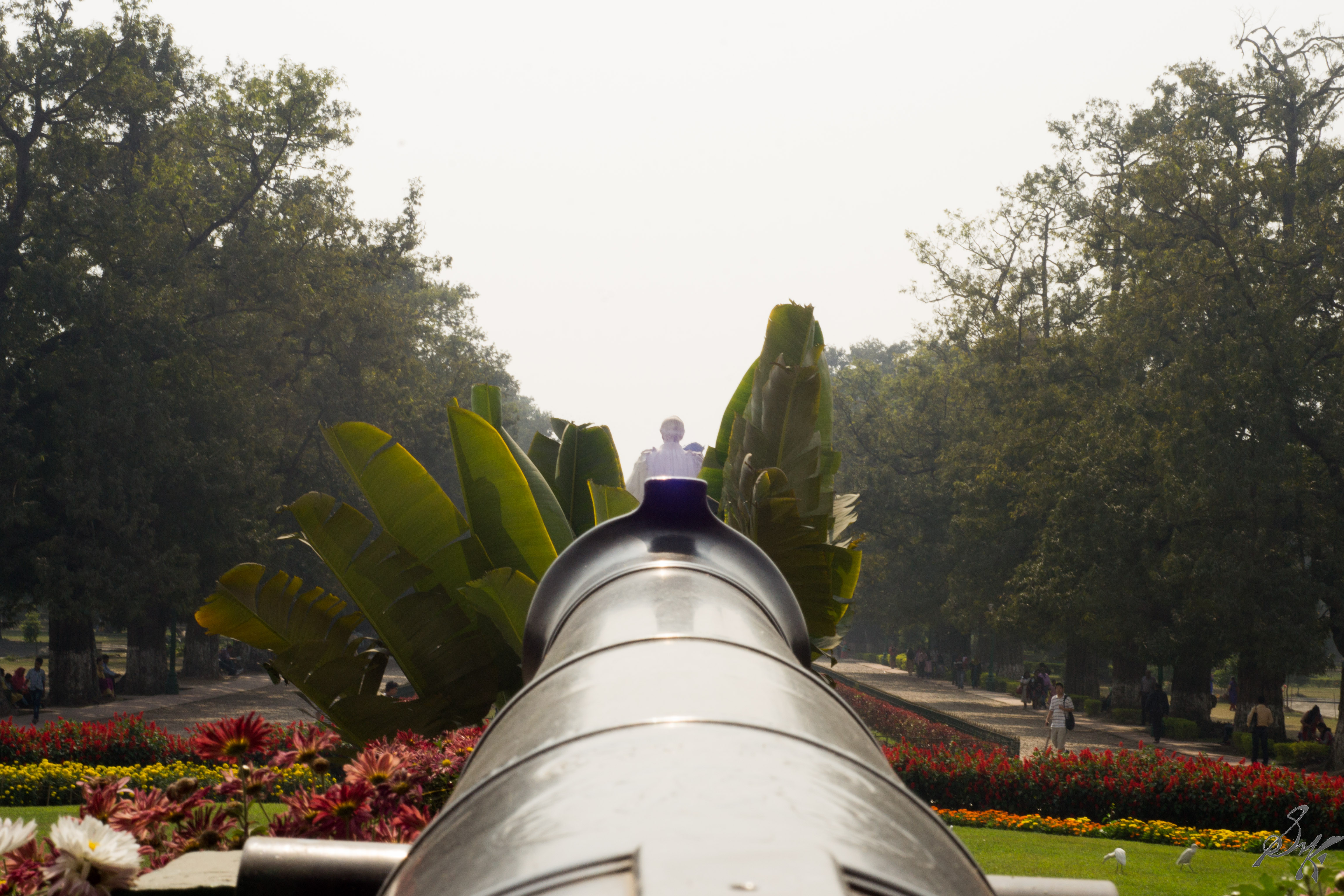
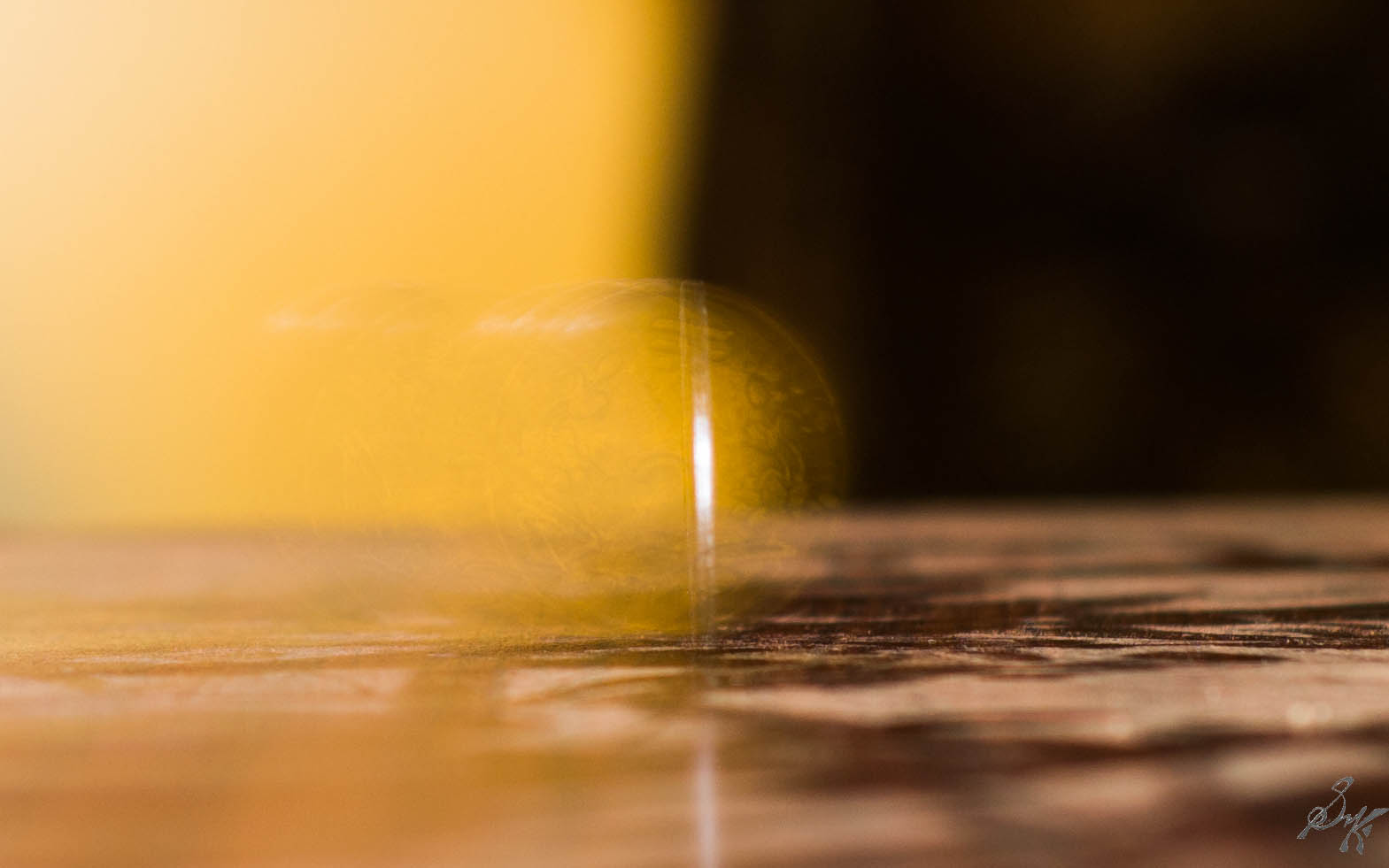
This is one of the basic stuffs that is required for a photo to be correctly exposed and also for unleashing the creativity. As the name suggests, this is the measure of how fast the shutter will actuate. Denoted in terms of parts of second and notation is 1/250, 1/500, 1/2, 1′ etc. Faster shutter speed freezes motion, while slower will blur things out, both with specific uses. It is imperative to learn to master this aspect. A fully detailed and better post can be found here. Check it out, and you ll be able to do these!!
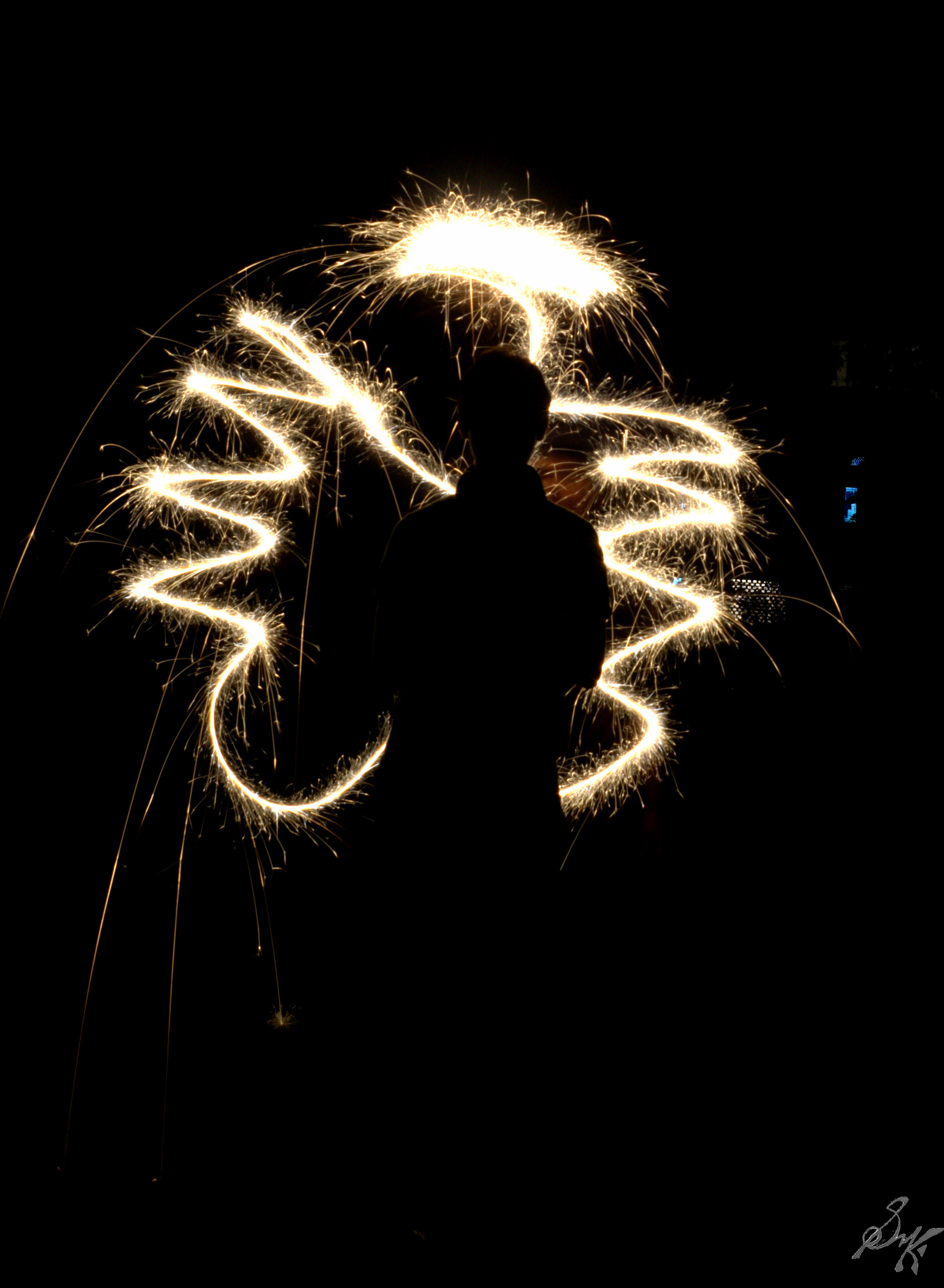
 15s 1/250

1/200


This is a part of April AtoZ Challenge. The letters upto R can be found here.

Cheers!
April AtoZ Challenge: PH – R: Rear Curtain

for Rear Curtain

Rear Curtain is a term used to describe flash setting when the flash is fired at the end of the exposure. In general, the flash is fired at the beginning. In a fast shutter speed, it doesnt really matter, but in the slower ones, having a rear curtain flash has very interesting effects. It shows movement, and then freezes at the end moment. On the flip side, is the front curtain, which also shows movement, but in a different form. I suggest all to try these out. A full detail post can be found here.

Rear Curtain
Rear Curtain

This is a part of April AtoZ Challenge. The letters up to Q can be found here.

Cheers!!

April AtoZ Challenge: PH – Q: Quiet Release Mode

for Quiet Release Mode

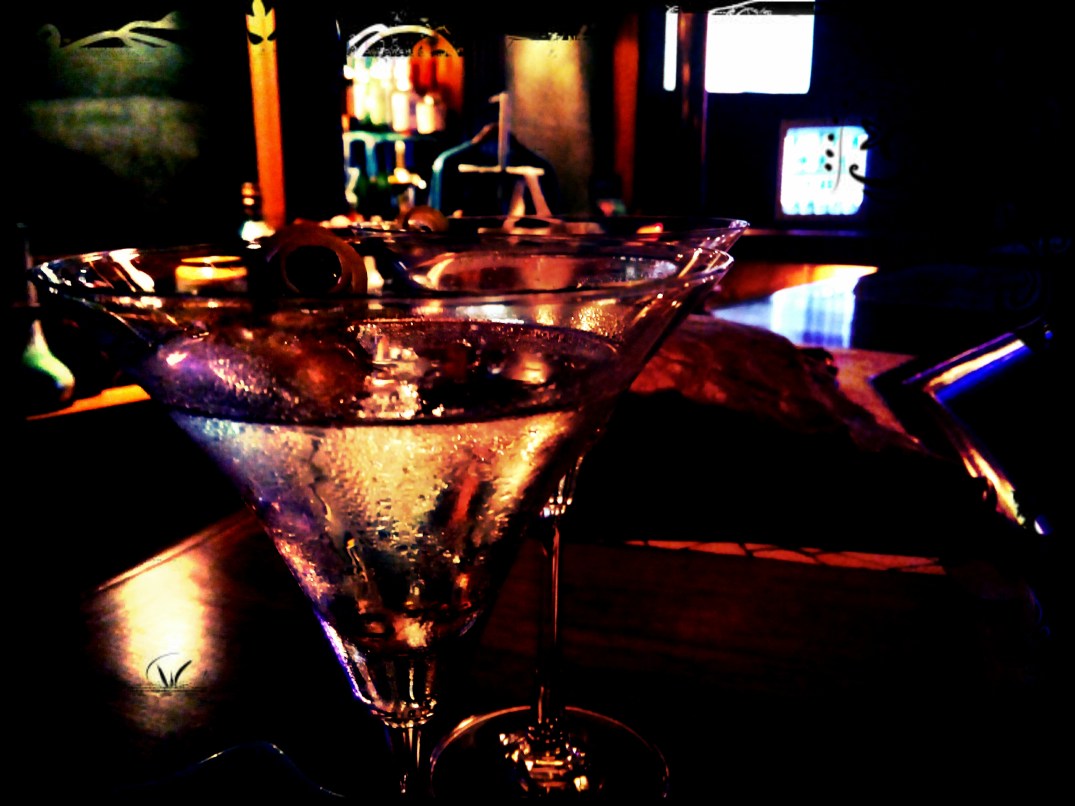
I ll be truthful about it, I couldnt find any other describable photography related word with Q, so here goes. Quiet Release Mode is a shooting mode, available in Nikon DSLR bodies, not sure about the others though, which significantly reduces the sound of the shutter slap. It may be used in sensitive environments, such as in a museum, or when taking a close up of a sleeping beast maybe. It acts similar to the single shot mode, but is a bit slower too. In my camera, its the least used mode.

20150420_082715-1


This is a part of April AtoZ Challenge. Letters upto P, can be found here!

Cheers!!

April AtoZ Challenge: PH – P: Post Processing

for Post Processing

Any editing or tweaking done, after the photo has been taken, is called Post Processing (PP). This includes changing the contrast levels and conversion of RAW files to JPEG to editing parts of the photo in softwares like Photoshop. This is analogous to the developing phase of the film rolls. It is to be kept in mind that, even though, most of the photos can be tweaked during the PP phase, its always a good habit to take a proper shot right in the camera. No point becoming complacent or dependent on it. In detail, here.

 Raveena Raja 20141030_093512 919893097638_Anne_Burn_Dirt

This is a part of April AtoZ Challenge. Letter upto O, can be found here.

Cheers!!

April AtoZ Challenge: PH – O: Overexposure

for Over-Exposure

By definition, Overexposure is a condition when the photo receives more light than it should have. Causes, slower shutter speed or wide open aperture or high ISO. Effects include excessive highlights and washed out details. Some bits of the photos are recoverable, given they have been shot in RAW format (for comparison with JPEG, check here), but often, complete recovery is not possible and some compromises are done. Exposure compensation is an in body technique to control exposure issues, else, we depend on the post processing to sort things out.

 DSC_1771-1  DSC_1771-1-2

This is a part of April AtoZ Challenge. A to N can be found here.

Cheers!!

April AtoZ Challenge: PH – N: Noise Reduction

for Noise Reduction

With improved sensors, came noise too. What is noise, in terms of photography, if you are curious, head over here.
Noise reduction is inbuilt in the camera bodies generally, and also applied during developing the final image. It takes care of the grains at a compromise with the sharpness. The changes are generally subtle and the results are actually better. I find, keeping sharpness and noise reduction sum up to 100 or max of 150 makes my low lights photos fine. I recommend, try out the different settings and softwares too. Trust me, you ll need this someday.

DSC_1759-1-2

DSC_1759-1


This is a part of April AtoZ Challenge. The letters from A to M can be found here.

Cheers!
AtoZ Challenge: PH – M: Macro

for Macro

This is a pretty common term in the photography circuit. A photograph, where we take photos of small subjects, and the photos come out to be bigger than the subjects and in sharp details, that is a macro photograph. For achieving this, there are special lens available. Close up filters, extension tubes and lens reversal are also put to use. Each have their own pros and cons. Do note, while in Macro, the DOF offered is extremely shallow.
Check out a refreshing take on macro, here.

DSC_a-1103

DSC_a-1036


This is a part of April AtoZ Challenge. Letters A to L can be found here.

Cheers!!

AtoZ Challenge: PH – L: Lens Distortion

for Lens Distortion

The lens refract light and hence certain amount of distortion is introduced. It might be in terms of picture quality, or changes in shape. Common are, barrel distortion and vignetting.
Barrel Distortion is where the photos bulge near the mid of the frame. Its pretty common, but less noticeable in the fixed focus lens.
Vignetting, is when the edges of the photo become dark. In some cases, it adds a bit of drama but, it is still a lens issue.

Often, these are corrected by introducing appropriate lens information corrections during post processing.

Viewing full-screen helps 🙂

 DSC_2696-3 DSC_2696-3-2

 DSC_2338-2 DSC_2338-2-2

 DSC_2314-1 DSC_2314-1-2

This is a part of April AtoZ Challenge. Letters from A to K are completed, view them here.

Cheers!!

AtoZ Challenge: PH – K: Kelvin

for Kelvin(Colour Temperature)

Yes, photographs also have a temperature aspect to them. They are judged with respect to which part of the spectrum the light might correspond and at what temperature of emission. What it means to me, I got another setting to fiddle with and tweak to my whim. Generally, changing the temperature, makes the photo appear more cooler or warmer. Cooler, being a bluish shade and warmer being the orange-yellowish shade. I use it to calibrate the white balance in my photos mostly. And yeah, shooting in RAW, helps a lot.

 DSC_a-2384-2  DSC_a-2384-3

This is a part of April AtoZ Challenge. A, B, C, D, E, F, G, H, I, J, K are done. Check them out.

Cheers!

AtoZ Challenge: PH – J: JPEG vs RAW

for JPEG vs RAW

In terms of shooting format, RAW has advantages over JPEG as there is more data ready at your disposal if you want to tweak the photo, such as a better dynamic range, scope of sharpness, noise reductions etc. While in a JPEG photo, smaller size, faster write speeds are the positives. If you need immediate delivery of the photos, go JPEG. But, if you have time to post process and maybe change a few things around, RAW it is. JPEG is like the print photo, while RAW is still the negative. Personally, I shoot RAW.

DSC_a-1672-2
The RAW photo


DSC_a-1672
The finished Product

This is a part of April AtoZ Challenge. A, B, C, D, E, F, G, H, I, J are posted. Do check them.

Cheers!!


AtoZ Challenge: PH – I: ISO

for ISO

ISO, in terms of the camera settings and use, is the measure of the sensitivity of the sensor. More the ISO number, more sensitive it is. More sensitive means more light gathering capacity with allows you more latitude while manipulating the other essential camera settings for the shot. But, there’s a trade off too. With increased sensitivity, there comes, increased noise. The camera software works upto a certain limit to suppress the noise, but then, it becomes a bargain between more light or more sharpness. Keeping a low ISO, is recommended for a crisp photo.
Details, here.

ISO400

ISO12800


This is a part of April AtoZ Challenge. A, B, C, D, E, F, G, H, I are done. Rest soon.

Cheers!!

AtoZ Challenge: PH – H: Hyperfocal Distance

for Hyperfocal Distance

Its basically, the focusing distance at which both the foreground and background are in focus. Generally, if we keep a fairly deep DOF, while focusing at infinity, almost everything stays in focus. But, if your photo has an object of interest in the foreground, that is comparatively closer to you, then Hyperfocal Distance comes into play. Two ways to do this. One, work out the actual point of focus and use it, else, focus almost one-third into the frame, and it should be fine. Else, go with focus stacking 🙂 Do bear in mind, this needs practice.

DSC_a-0280


DSC_a-0324

This is a part of April AtoZ Challenge. A, B, C, D, E, F, G, H are done. Rest of the letters are lined up too.

Cheers!!