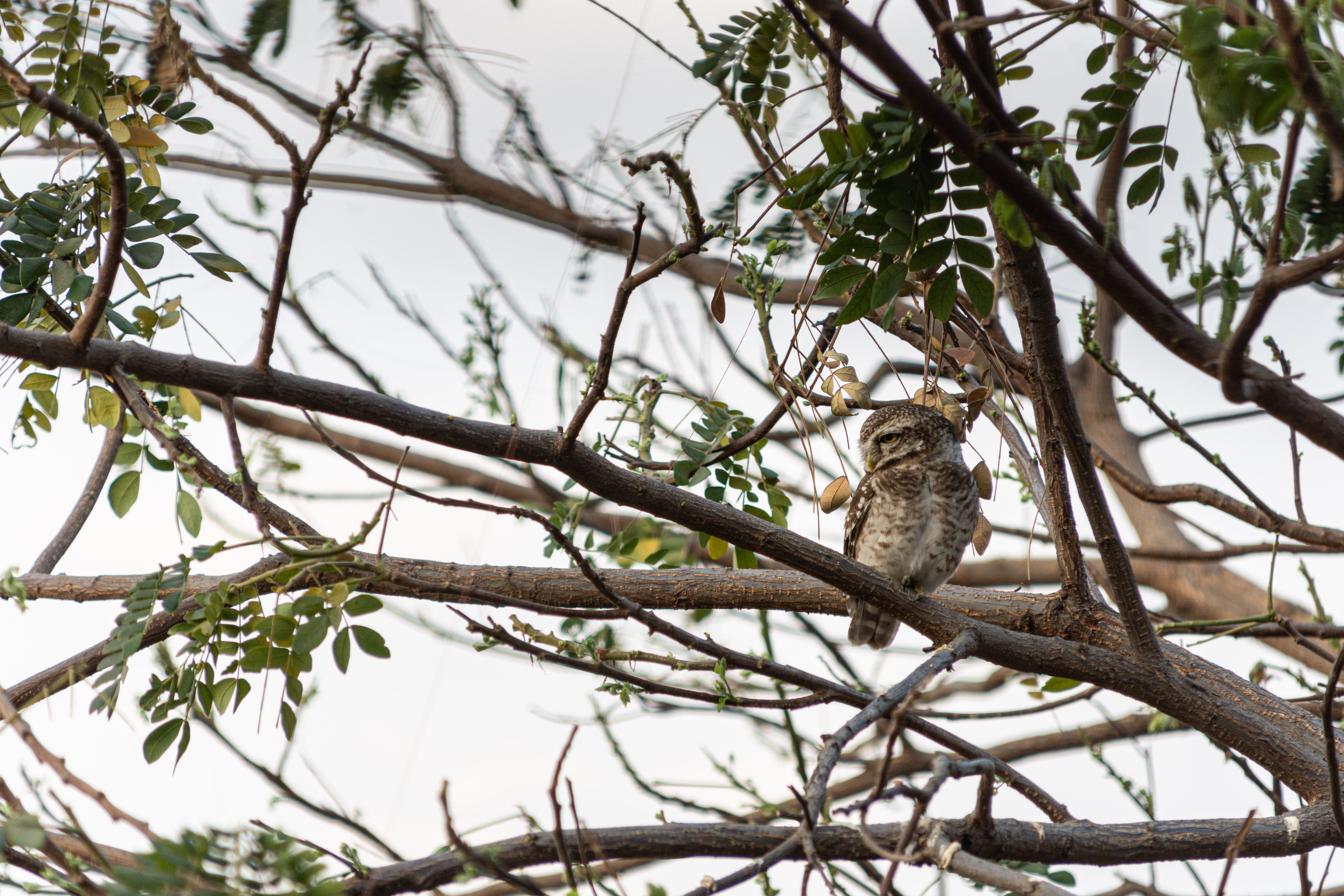
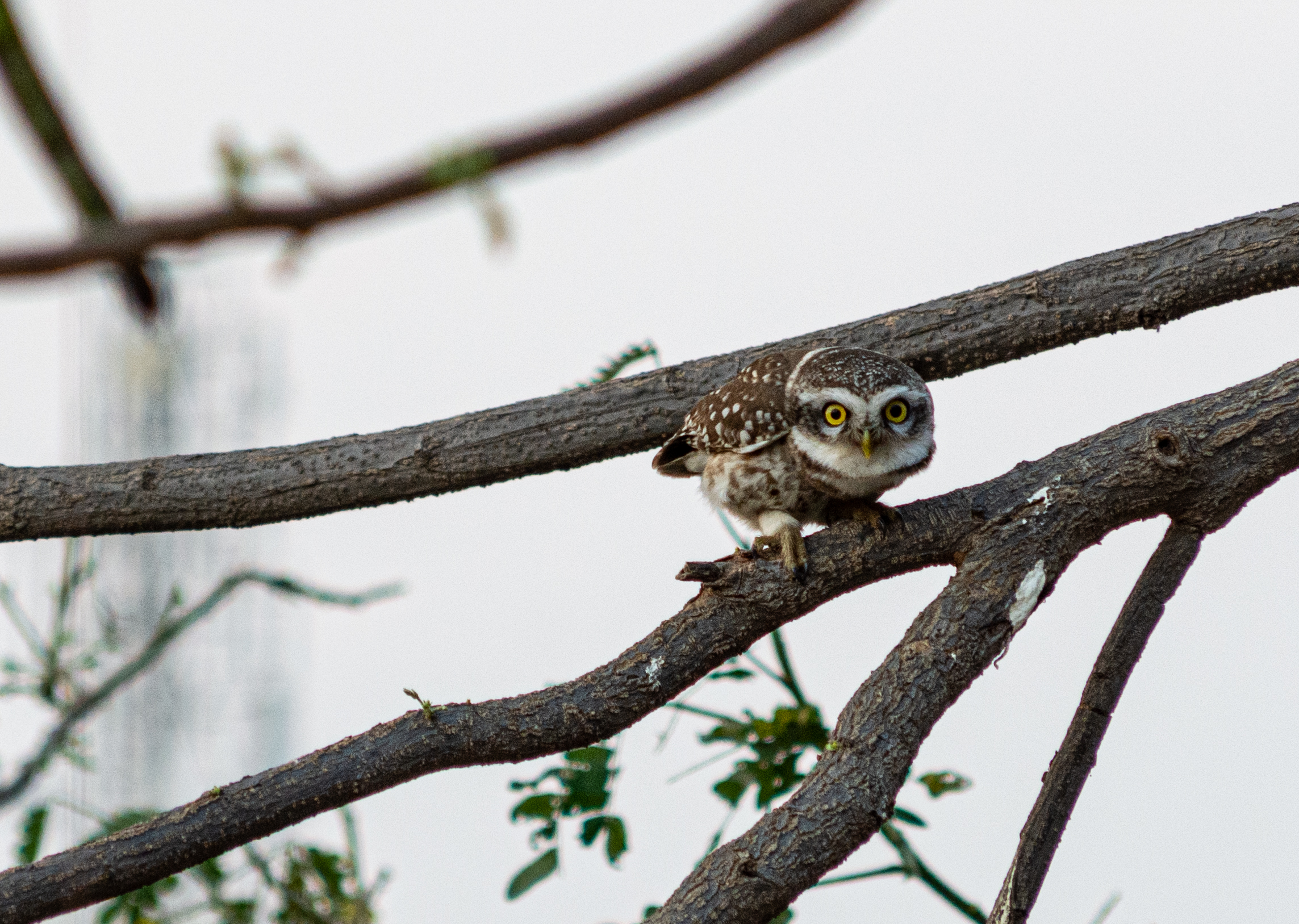
Spotted owlets (Athene brama) are captivating birds of prey that have adapted quite well to urban environments. Their general appearance includes a distinct round head with white eyebrows and spotted plumage on the upperparts, accompanied by a whitish belly. They are small in size, measuring around 8 inches in length, and display striking yellow eyes.
These owlets are nocturnal, meaning they are most active during the night. Despite their diminutive size, they display fearless behavior, often perching prominently and hunting openly even in well-lit urban areas. Their diet primarily consists of insects such as beetles, moths, grasshoppers, and occasionally small rodents or reptiles.
In terms of nesting habits, spotted owlets are known for their adaptability. They readily make use of man-made structures like buildings, old trees, or nest boxes to create their homes. Their nests are often located in the cavities of these structures and can be easily accessed.
One particularly intriguing behavior of the spotted owlet is its social nature. They form monogamous pairs and are frequently found in colonies. The communal roosting and nesting habits of these owls are uncommon among raptors and add to their distinctive characteristics. Additionally, they are known to exhibit a wide range of vocalizations, including hissing, chattering, and various calls, making them quite vocal for their size.
Overall, the adaptation of spotted owlets to urban habitats, their social behaviors, and their hunting techniques make them unique and captivating urban-dwelling owls.
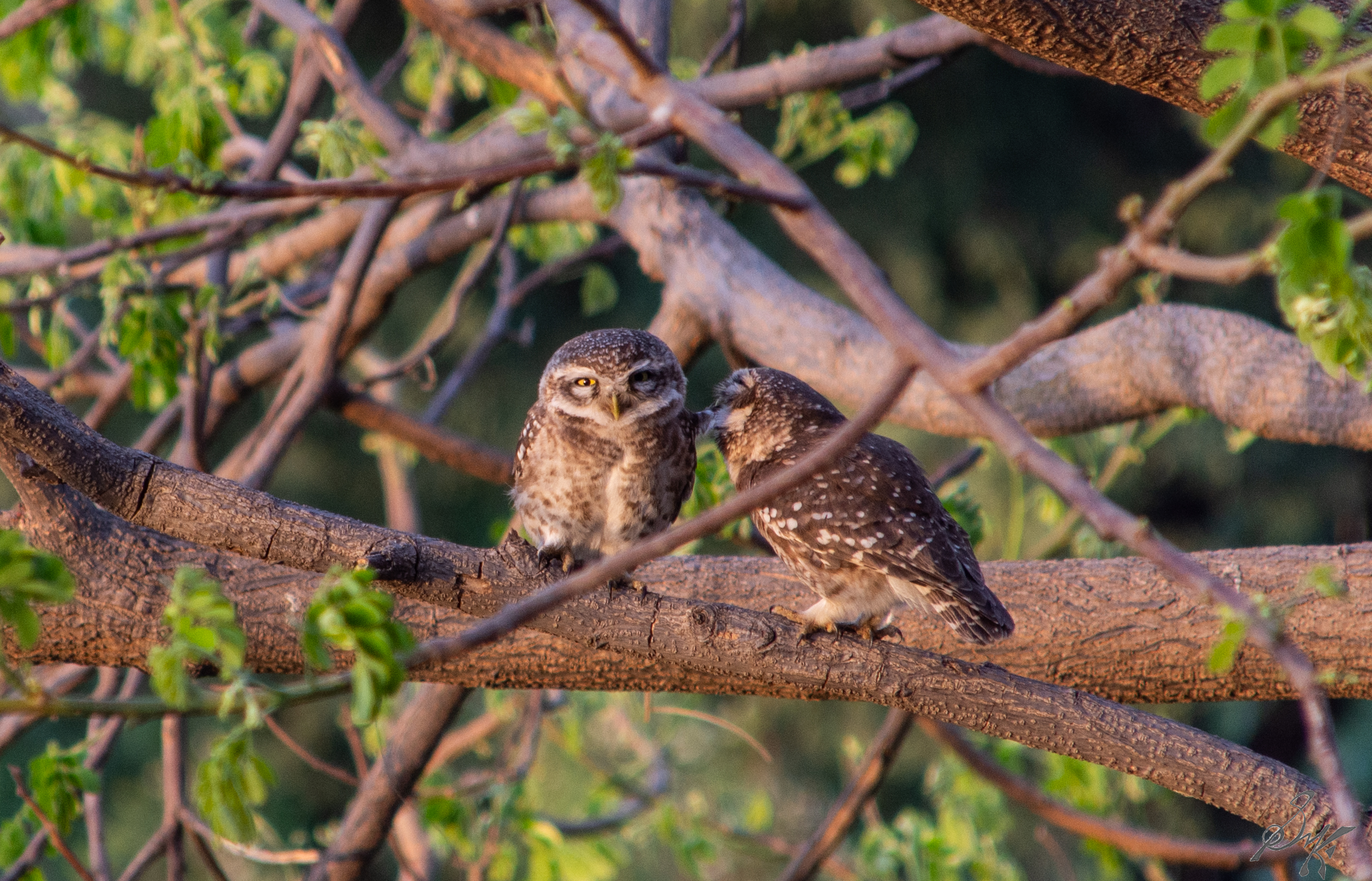
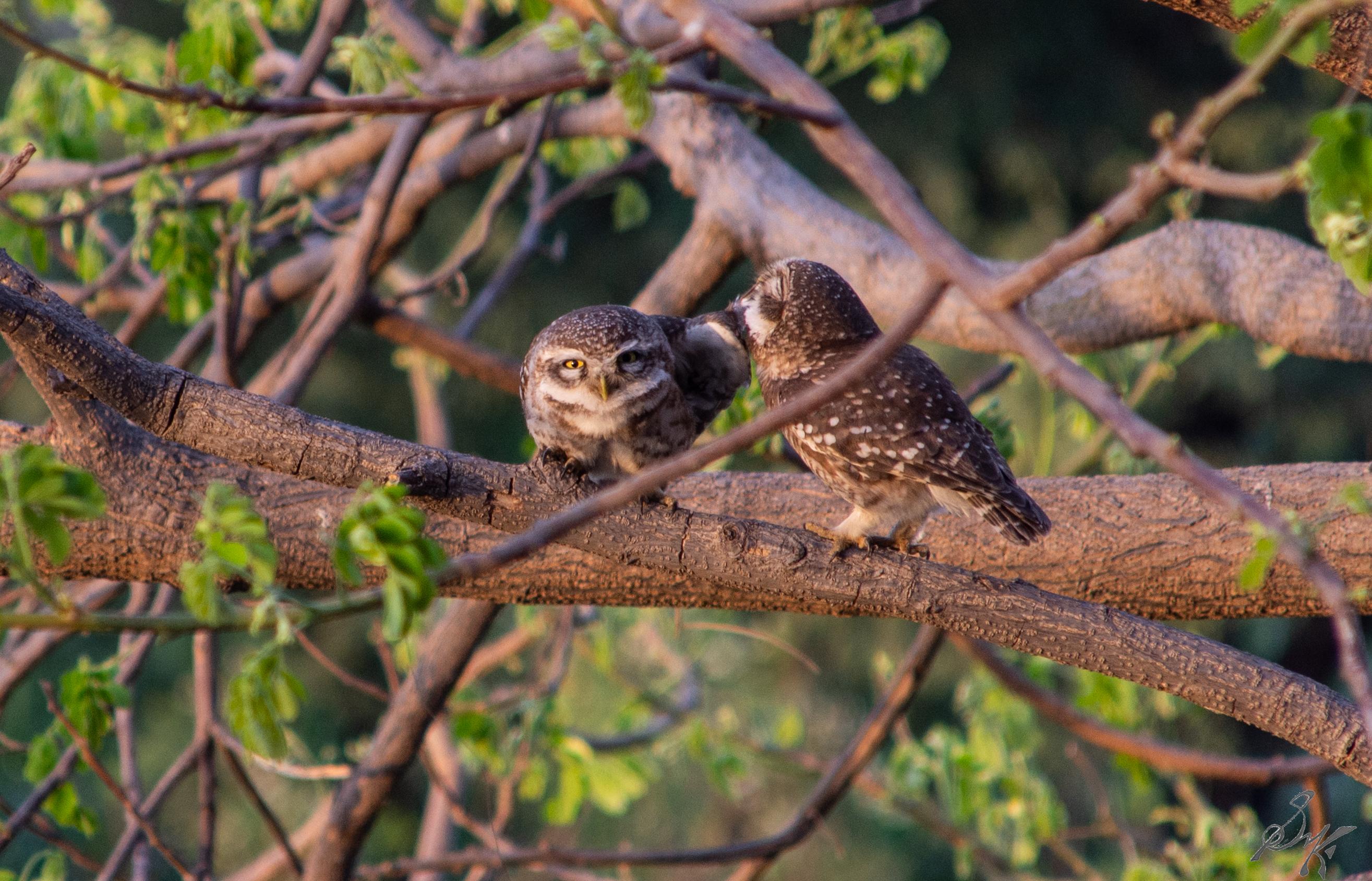
Since the last few weeks, I have noticed a small family of these magnificent birds on a tree within acceptable camera range. The fluffy birds with curious yellow eyes and their antics, be it dozing off slightly in the summer evenings or preening themselves or hopping about, branch to branch, form for quite a bit of light entertainment as well. While post-processing these images, I asked Leonardo what it thought would images of spotted owlets in steampunk gear look like and the following was the best response. Pretty much on point, I would say!
While these birds are fairly common, they do enjoy their privacies and are hence not widely seen by a lot of people during the day; I feel quite elated to spot them nearby and in a way maybe this owl family has come to recognize me as well. If there is progress in this relationship, there shall be more posts on the same for sure.
The camera used is a Nikon D7200 coupled with a Tamron 18-140mm lens.
When was the last time you spotted an unusual bird in your locality? Tell us all in the comments below.
Capturing vibrant and true-to-life colours is essential in photography. One crucial aspect that contributes to colour accuracy is white balance. Understanding and effectively controlling white balance can transform your images from dull to stunning. In this blog post, we’ll demystify the concept of white balance, explain its importance, and provide practical tips to help you achieve accurate colour representation in your photographs.
What is White Balance? White balance refers to the adjustment of colours in a photograph to ensure that white appears neutral and that other colours are accurately represented. It is a vital setting that balances the temperature of the light source with the camera’s sensor, resulting in natural-looking colours. Different light sources emit varying colour temperatures, such as warm orange tones in incandescent lighting or cool blue hues in daylight. Understanding white balance allows photographers to correct these colour shifts and achieve accurate and pleasing colour renditions.
Importance of White Balance Accurate white balance enhances the overall mood and impact of your photographs. It ensures that the colours you capture reflect the scene as you witnessed it, creating a sense of realism and authenticity. Proper white balance eliminates unwanted colour casts, such as the bluish tint in shaded areas or the yellowish cast in indoor lighting, providing a more pleasing viewing experience. Whether you’re shooting portraits, landscapes, or still life, mastering white balance empowers you to convey the intended emotions and atmosphere effectively.
White Balance Settings Modern cameras offer various white balance settings, including Auto, Daylight, Cloudy, Shade, Tungsten, Fluorescent, and Custom. Auto white balance (AWB) is convenient but not always accurate, especially in challenging lighting conditions. Experimenting with different presets or manually adjusting the white balance can yield better results. Custom white balance allows you to calibrate it based on the specific lighting conditions, ensuring precise colour accuracy. Additionally, shooting in RAW format enables greater flexibility in post-processing, allowing white balance adjustments without sacrificing image quality.
Practical Tips for Accurate White Balance a. Use a grey card or a white reference object to set a custom white balance accurately. b. Utilize the Kelvin temperature scale to fine-tune white balance manually. c. Pay attention to the colour of light sources and adjust accordingly (e.g., warm indoor lighting or cool shade). d. Shoot in RAW format to have greater flexibility during post-processing. e. Experiment with creative white balance adjustments to enhance the mood or convey a specific atmosphere.
White balance WarmCorrect White BalanceWhite balance Cool
Mastering white balance is a skill that can elevate your photography and breathe life into your images. By understanding the concept, adjusting settings, and employing practical techniques, you’ll achieve accurate and captivating colours in your photographs. To put it simply, white balance ensures that the whites in nature appear as white in the photo as well. Embrace the power of white balance to accurately represent scenes, evoke emotions, and tell your visual stories with impact.
We bought our car in July 2021 and have been itching for a nice, multi day-long drive since then. We have been on multiple day trips already, had just completed 5000 kms. Our initial plan was for a Nashik-Saputara trip from Vadodara, with some friends coming over during the Christmas-New Year break. But then, Omicron started happening all across, and their trips got cancelled. We, me and my wife, decided that the trip must happen, but maybe somewhere else. The top candidate was the Rann of Kutchh and that is where we planned to go.
Day 1
Our trip began on the cloudy and dark morning of 28th of December, 2021 at around 0630h. Google maps said it would take about 8.5 hours of driving to our destination, we were expecting around 10 hours total. Our breakfast stop was planned near Viramgam. There was a hotel which provided good food and had clean toilets, so, that was the spot. The traffic on the NE1 was moderate and there was quite a bit of weaving involved throughout, but since it is an expressway, the general speed of the traffic was about 70kmph +, so, not a lot of issues there. We arrived at the breakfast spot, Hotel Sahyog at about 0930h. 150 kms in about 2.5 hours, not bad. Our objective was to be consistent in the drive to be able to extract maximum efficiency from the car. After having breakfast, utilizing the toilets and giving the car a quick wash, we were on our way at about 10 am.
Breakfast of Poha and IdlisA quick wash before the next leg!
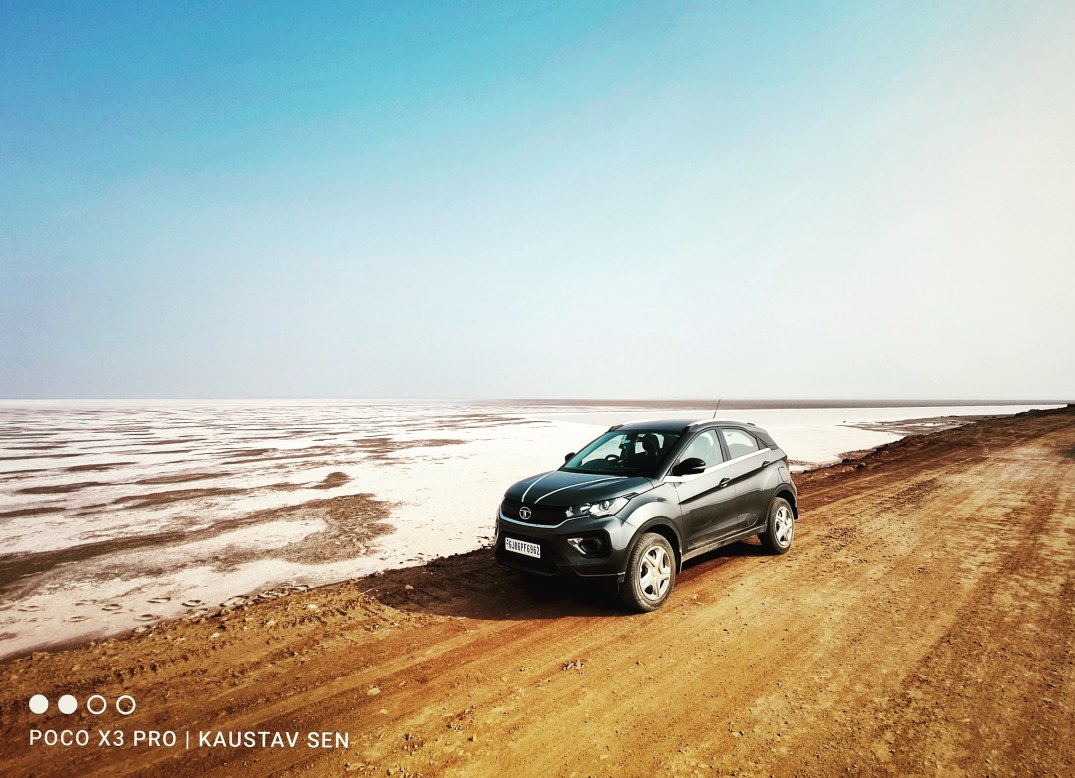
We arrived at the edge of the Rann of Kutch, past the small town of Balasar at about 1500h. This is where you get the first glimpse of the beautiful Rann (Desert, in the local language). My wife had been itching for her share of the drive and I wanted to take some photos and videos, so, we switched seats and off we went. The roads are simply wonderful and a driver’s pleasure. From the edge of the Rann to our resort in the Khadir Bet island, it was about 20 kms and we savoured every bit of the drive.
En route Khadir Bet
There were patches that had dried sea bed on either side to times where there was water. One has to be there to experience it and I dare say, words or photographs do not do enough justice. A point of caution, the town of Balasar is where you find the last petrol pumps. Google maps may show a Reliance Petrol Pump in the Khadir Bet Island, near the Dholavira Metropolis site, it does not exist. We arrived at the Khadir Resort close to 1530h and had some food. On the way, there was a viewpoint named Chipper Point, which we had planned to check out on the next few days, so, after a quick refresh at the resort, we headed towards the Sunset Point at the edge of the island. Again, one must say, that the roads are amazing. Even at a village level, the roads are paved, even though single lane, yet clean, and well maintained. Being a border road may have some merit though. Anyway, at the sunset point, there is a newly erected White Rann Tent City, a sister tent city of the one at Dhordo and offers similar experiences on this side of the Rann. We watched the sunset into the sea while being absolutely swept by the howling wind.
Getting windswept at the Sunset point!
We returned back to the resort, quite cold, but happy at the location and the facilities available. Now, to combat the lack of petrol pump issue, most, if not all of the resorts maintain a stock of fuel with them in 1 litre bottles. Our resort also helped us to a few litres to top-up for the next day, we would embark on a unique kind of trip.
We had freshly baked Rotlos (bigger and stouter cousin of Rotis) made of Bajra, Kadhi, Khichdi, Chutney and lip-smacking potato curry for dinner and turned in for the night. We were tired by the drive and excited at what was coming up the next day, so we slept almost immediately.
Day 2
29th of December began with early morning tea being served. While the hosts were cooking up Poha, we made acquaintances with the other families which had arrived there already. Our itinerary for the day was one that would take us to two unique geographical features, through one of the most scenic routes ever imaginable. At around 0945h, we were on our way towards the White Rann of Kutch, through the Rann of Kutch lake. This road is formally known as the Aadhav-Dholavira Road, more commonly, as the Road to Heaven. It is a 10 feet wide, under construction road that cuts across the lake joining the landmass near Khavda (where there is a petrol pump) to Dholavira. With water or dried sea bed, depending on the season, on either side, driving on this road is a pleasure to the senses. The dried sea bed is white, due to the salt and it is so close to the road that I could actually get down and touch it. Since it was not completely dried out, the land is a bit mushy and you will sink a bit, so any thoughts of taking your car on to the Rann at this place, kindly throw it out immediately. Anyway, through this amazing road we went and arrived at the Khavda petrol pump.
Emptiness on either side and a nice road in front of us!
Our car, being the only petrol car waiting in line got served quickly and we were on our way towards the White Rann, near the tent city of Dhordo. There is a road which borders the Rann, with absolute emptiness on either side from a little south of Khavda to effectively the gates of the White Rann, we found and took it. While the road surface is awesome and invites high-speed driving, please be careful since it is also a single lane road and you have to move away from the road to the shoulder to give way for oncoming traffic, and the shoulder is a couple of inches below the tarmac, so caution is advised. There is a BSF checkpoint at the entrance to the White Rann where you must show your pass, which can be obtained online easily, or there itself at the check post. Past that, we arrived at the White Rann of Kutch.
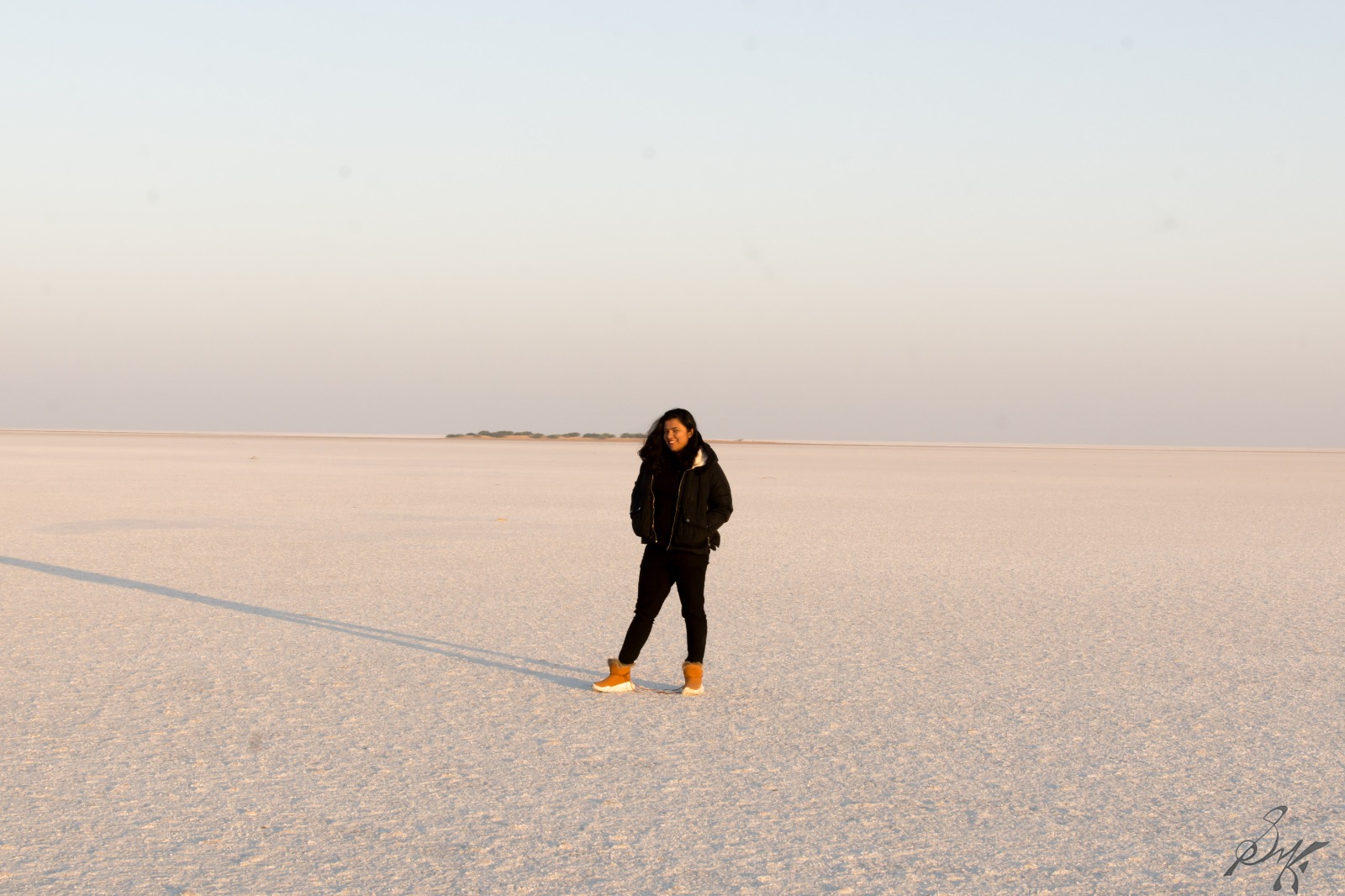
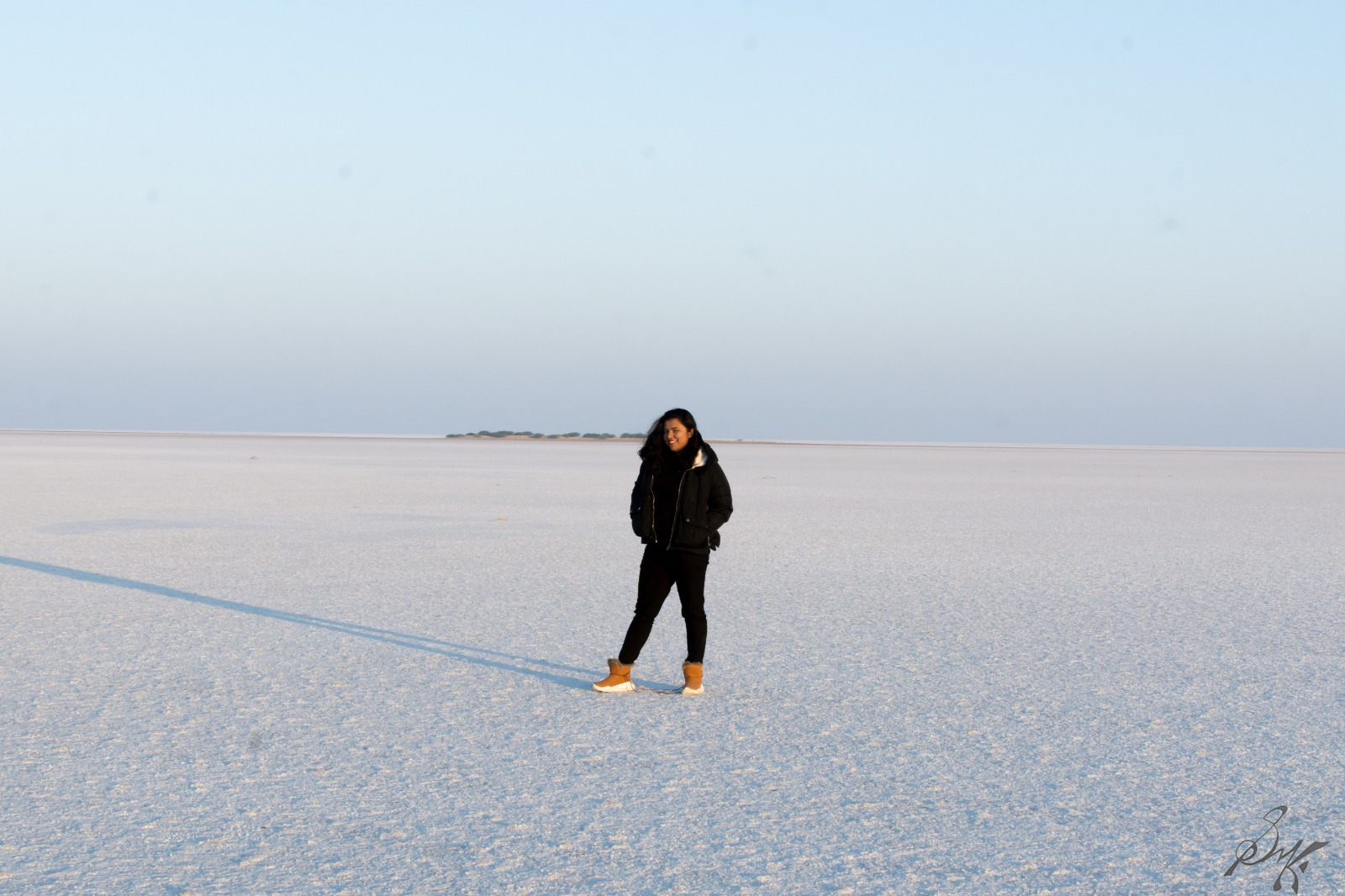
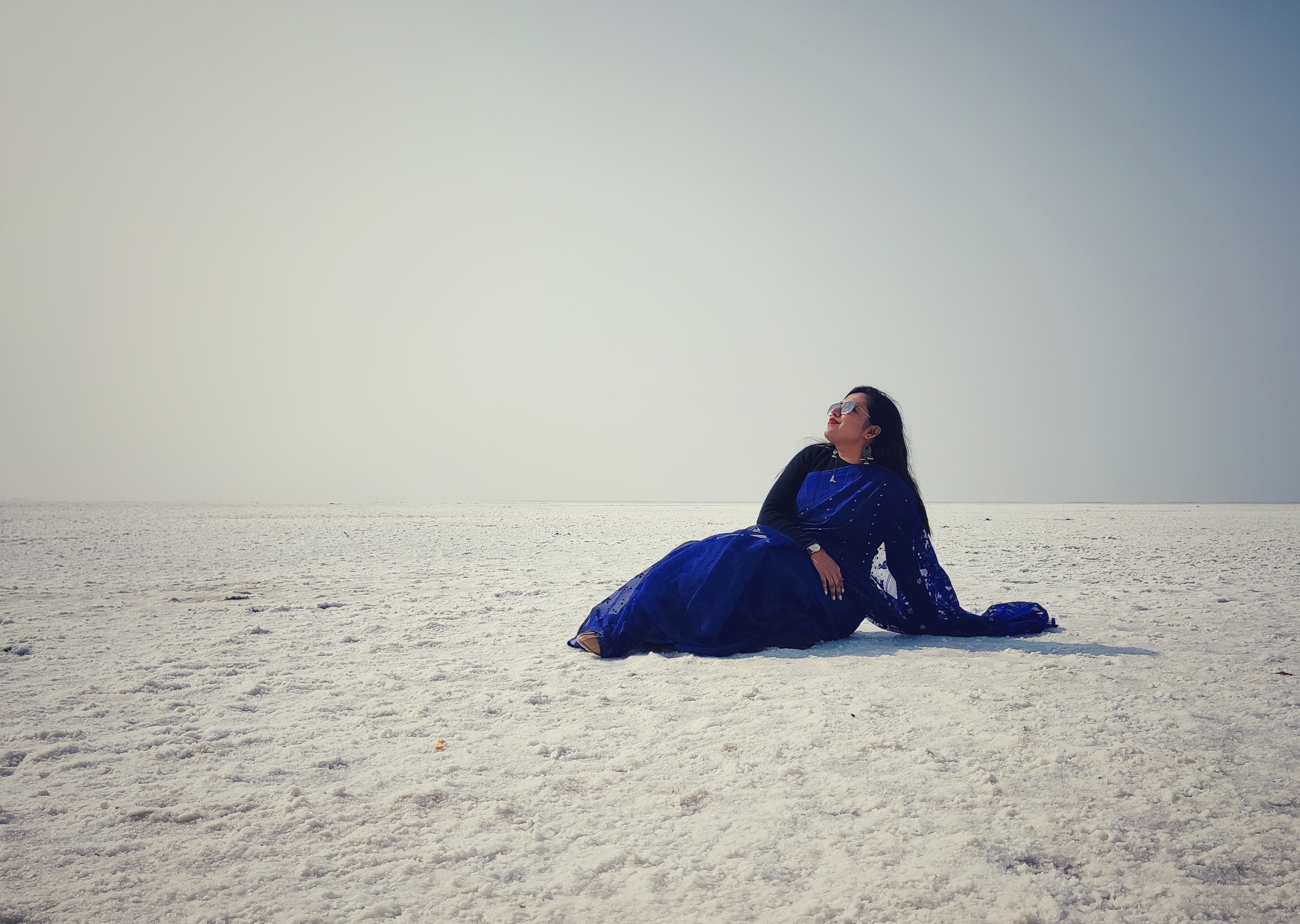
As far as the eyes could see, right up to the horizon, it is white. The entire ground is white with salt crystals and quite a bit of crowd around. Despite the crowd, the Rann is so huge and the space is so plentiful, it is easily possible to avoid fellow humans in the background of the photos if so desired.
The beautiful White Rann of Kutchh
There are options to go into the Rann up to a few kms using camel or horse-drawn carriages. There seemed to be provisions of driving on the Rann too, but I was not interested in that, so didn’t explore further. Toilet facilities are lacking at this spot. There is a toilet block nearby though, which is still in the construction phase and lacks water supply, hence cleanliness. Toilets are available at the border checkpoint and the tent city though, which should be accessible.
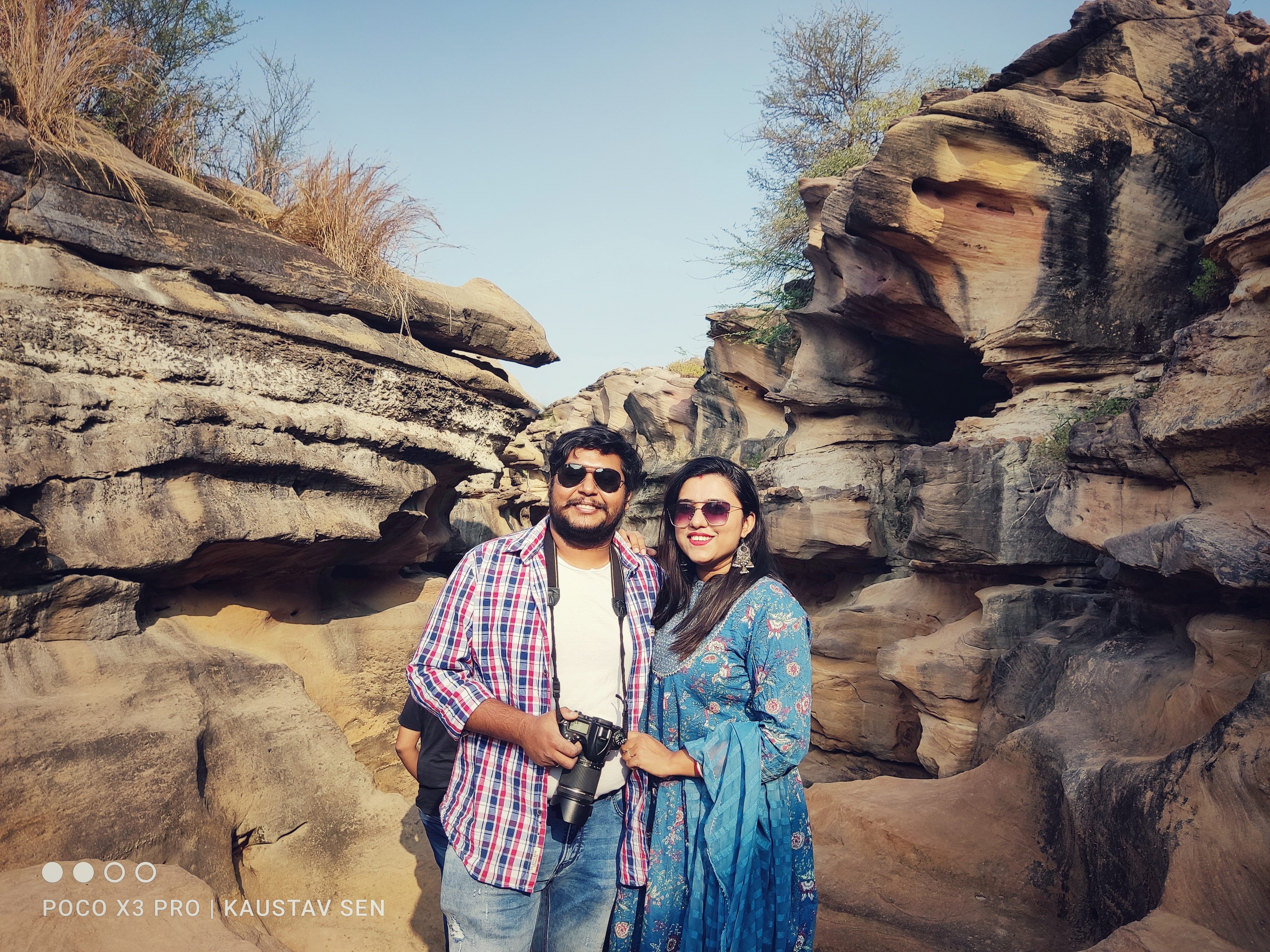
Next up, we had an 85 kms long trip to the next destination. En route, we stopped at the location where the Tropic of Cancer passes through and took a few photos. Our destination was the Khari river canyon. This is a river canyon or gorge of sorts made by the Khari river. At its deepest, it is about 50 ft deep. While it is not as big as the famed river canyons, it is still a unique feature and a first for us, so naturally, we were thrilled to see it. We took photos to our heart’s content and now, we turned back.
Us, at the Tropic of Cancer and the river gorge
En route, we had a quick lunch at a roadside dhaba and were looking at a drive of about 200 kms back to the resort. One can go back the way they came, across the lake, we took the conventional route through the outskirts of Bhuj, Rapar, Balasar to reach our destination. Of course, night fell before we were anywhere near the resort. The roads are quite empty, which, provide you with the confidence of driving quickly, also make you wary of the surroundings. Uneventfully, thankfully, we arrived back at our resort. The place is so pristine and has such little light pollution, stars are visible even in the dashcam’s video. We went out for a bit, switched off our lights and got off to admire the beautiful skies around, could identify a couple of constellations, saw a shooting star, then we felt cold and could hear foxes close by. My wife, not being fond of furry things, pets or otherwise, urged me strongly, to get back in the car, and hence we returned to the resort.
The second night, we stayed at the Flamingo resort, which was about 200m from the Khadir resort. The hosts are amazing and the fact that the stay at Flamingo caters to the residential school being run makes you feel good. After a hearty meal, we retired for the night. The next day, we would be visiting the nearly 5000-year-old metropolis of Dholavira in the morning, and then drive back home to Vadodara. Long day ahead!
Day 3
Our final day’s trip began with Poha and tea. A few photos at the Flamingo’s premises and off we were towards the Dholavira site. Today, we had decided, until it gets too crowded, my wife would be at the wheel, then I shall take over if required.
The Dholavira site is nothing short of a wonder. We all know of the Giza Pyramids, what if I told you, that here in Dholavira, people from the same age had homes with attached kitchens, had amphitheatres, had a complex multilevel water filtration plant, lived and traded and buried their dead. Without trying to take away the Pyramid’s thunder, I am simply saying, please come visit Dholavira. It used to be the biggest metropolis in what we know now as the Indus-Valley civilization. With a few hectares of space which has water tanks, wells, upper-middle-lower towns, houses, a common playground and a stadium, this place is not just a bunch of ruins from the past. In fact, this town a few millennia old is in better shape than a few forts we trek to near Pune. You can see the indentations made by repeated use of ropes, pulleys, earthen pots, etc. For someone who is remotely interested in history and of course has the patience to hear the guides out, this place is simply mesmerizing. We spent almost 3 hours here for the tour of the upper and middle town areas and then we were on our way back.
Glimpses of the metropolis at Dholavira, part of Indus Valley Civilization!
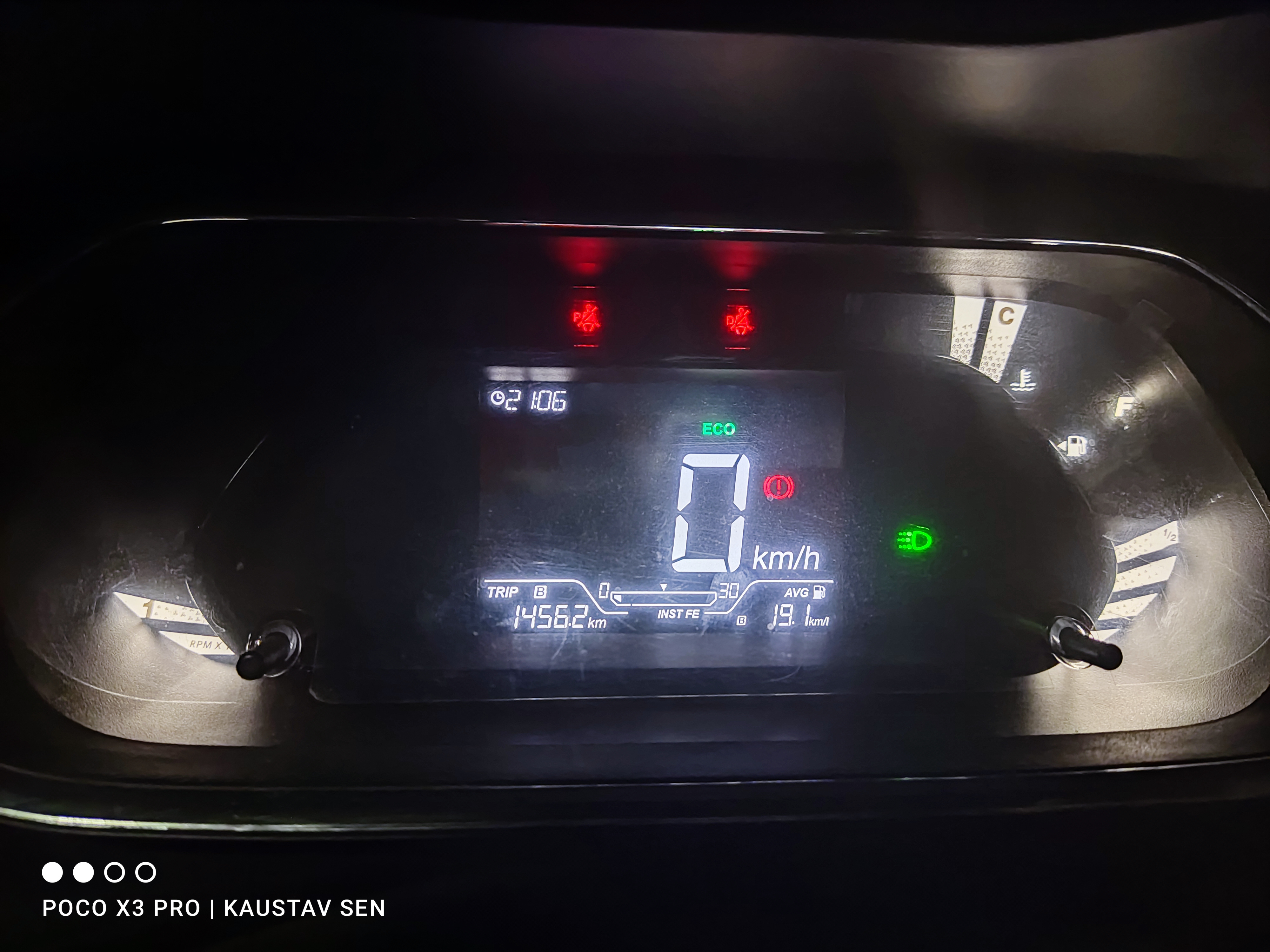
The route back was the same route as we had taken on the first day, we stopped at the same place again, utilized its resources, and were back home by about 2100h. In all, the car had run 1456 kms and the average calculated was 19.1 km/l. There was no physical fatigue, no joint pains or muscle cramps, but we both slept for at least 10-12 hours a day for the next two days, not complaining!
Final driving stats!
In all, the car went through some amazing roads to places with no roads and only rocks. There were patches that felt like they would kill the suspension, to getting stuck on a sandbank thanks to a wrong turn. In each of the situations, the car performed as good as it could be imagined and delivered what was expected out of it. By the end, I am hearing a faint rattle from the left front door and seats squeak a bit. The second service is due this Friday, hopefully, the issues will get sorted out with no issues and the service centre guys do not curse me on account of how dirty and grimy the car has become.
To conclude, I will echo the tagline for Kutch, Kutch nahi dekha toh Kuch nai dekha ( If you haven’t been to Kutch, you haven’t been anywhere).
Your comments, questions and suggestions are welcome and eagerly awaited.
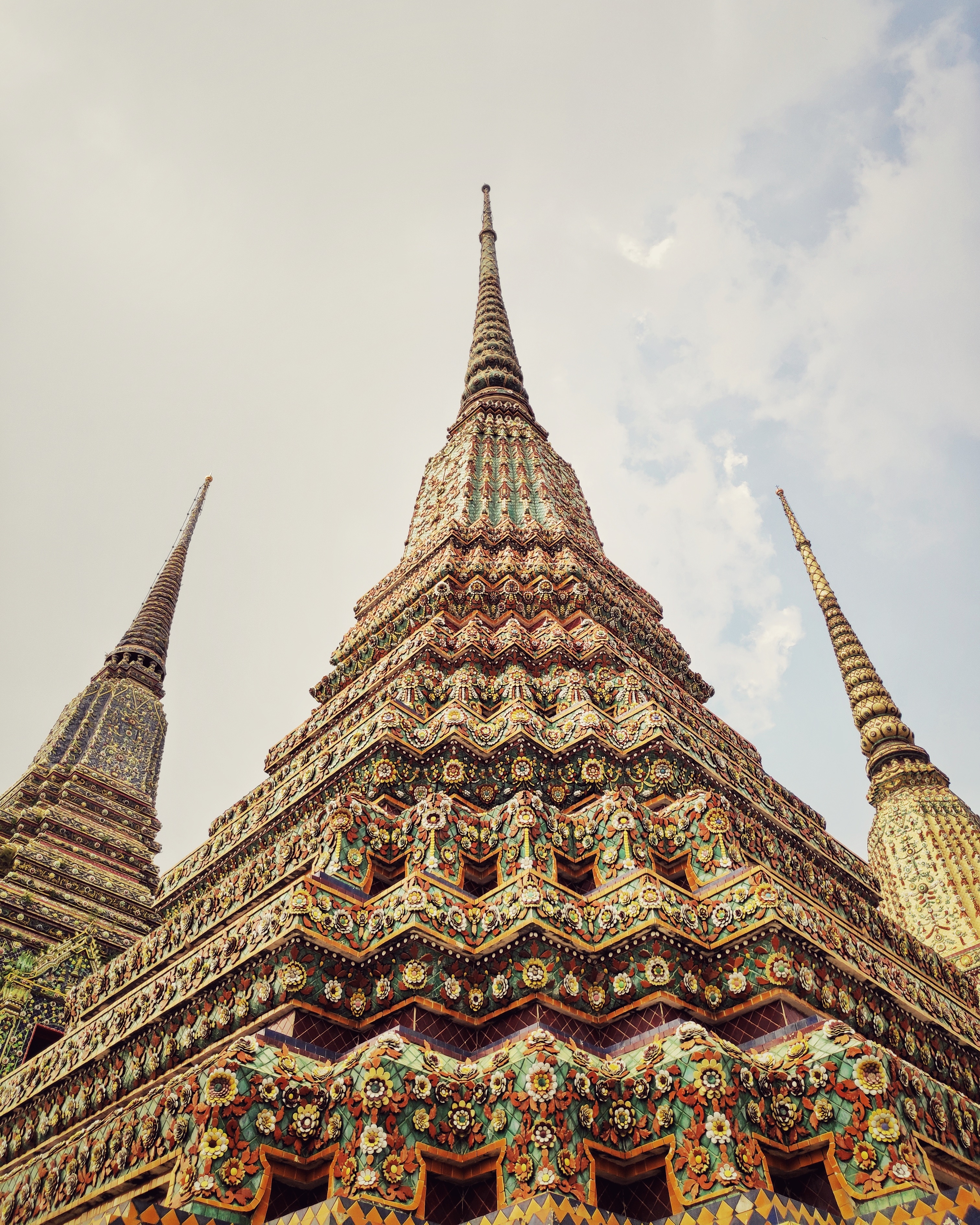
Now, with the Covid restrictions slowly easing up, tourism is bound to pick up pace. The timing is apt for a reminiscence of our trip to Thailand in January, 2020. Our trip was a weeklong one, covering Phuket, Krabi and Bangkok. The details follow below!
The planning began in early December ’19 scoping out the locations, tentative dates and duration of stay. We finalized to go to three places, Phuket, Krabi and Bangkok, spread over a duration of 1 week.
Our journey began from Mumbai to Bangkok. On the evening of arrival, we spent the night at a nearby hotel (Silver Gold Garden, Suvarnabhumi Airport) for we had the flight to Phuket early next morning. This is where our trip began in earnest.
At Phuket, we had booked for 2 nights’ stay at Arya Eightball Records Hotel, Patong. The hotel was clean, simple and served our purpose. We had planned to roam about the entire day on scooter and have a clean place to sleep, nothing fancy.
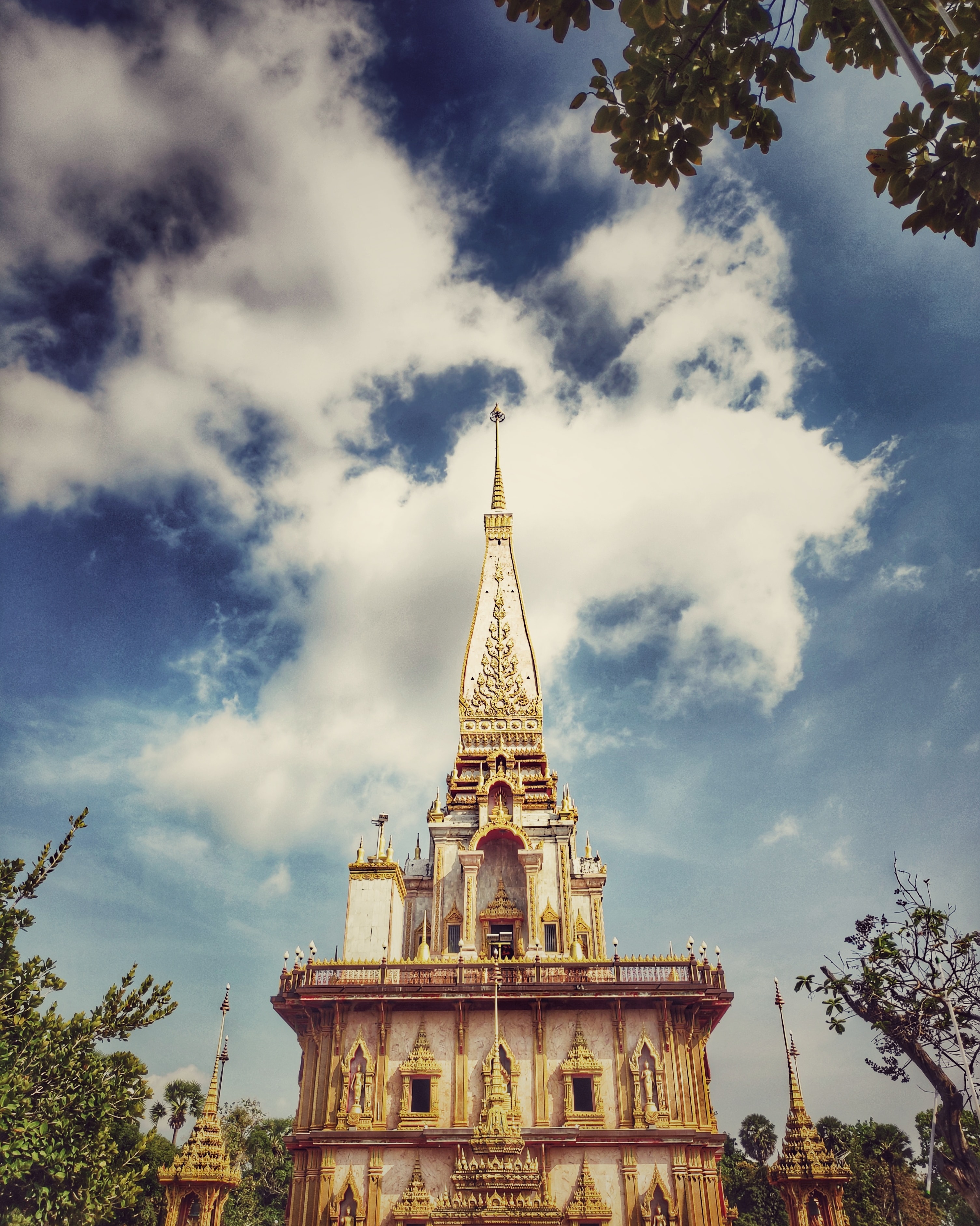
At Phuket, on the first day, we went to Wat Chalong, The Big Buddha and the Phuket Aquarium.
Phuket on Day 1
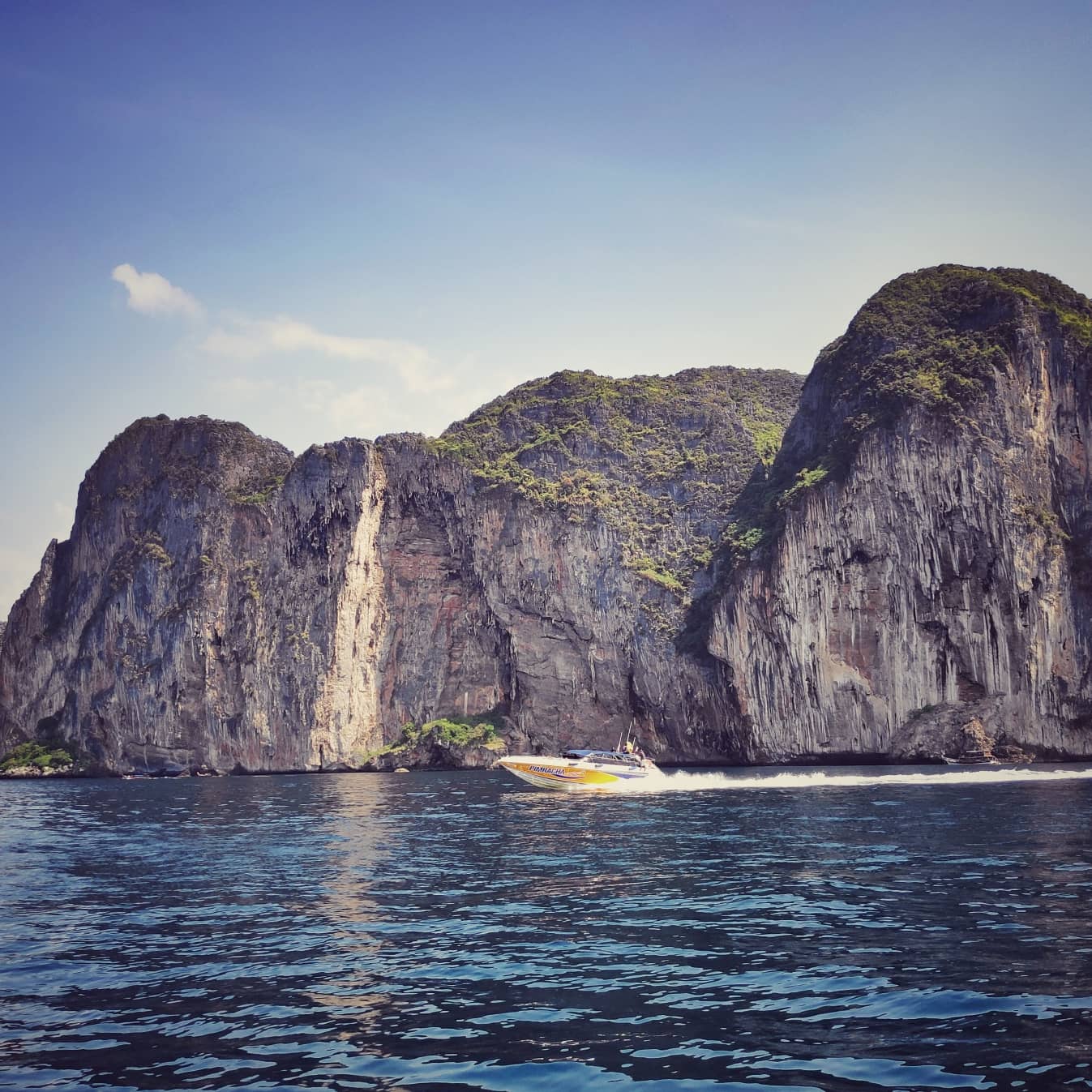
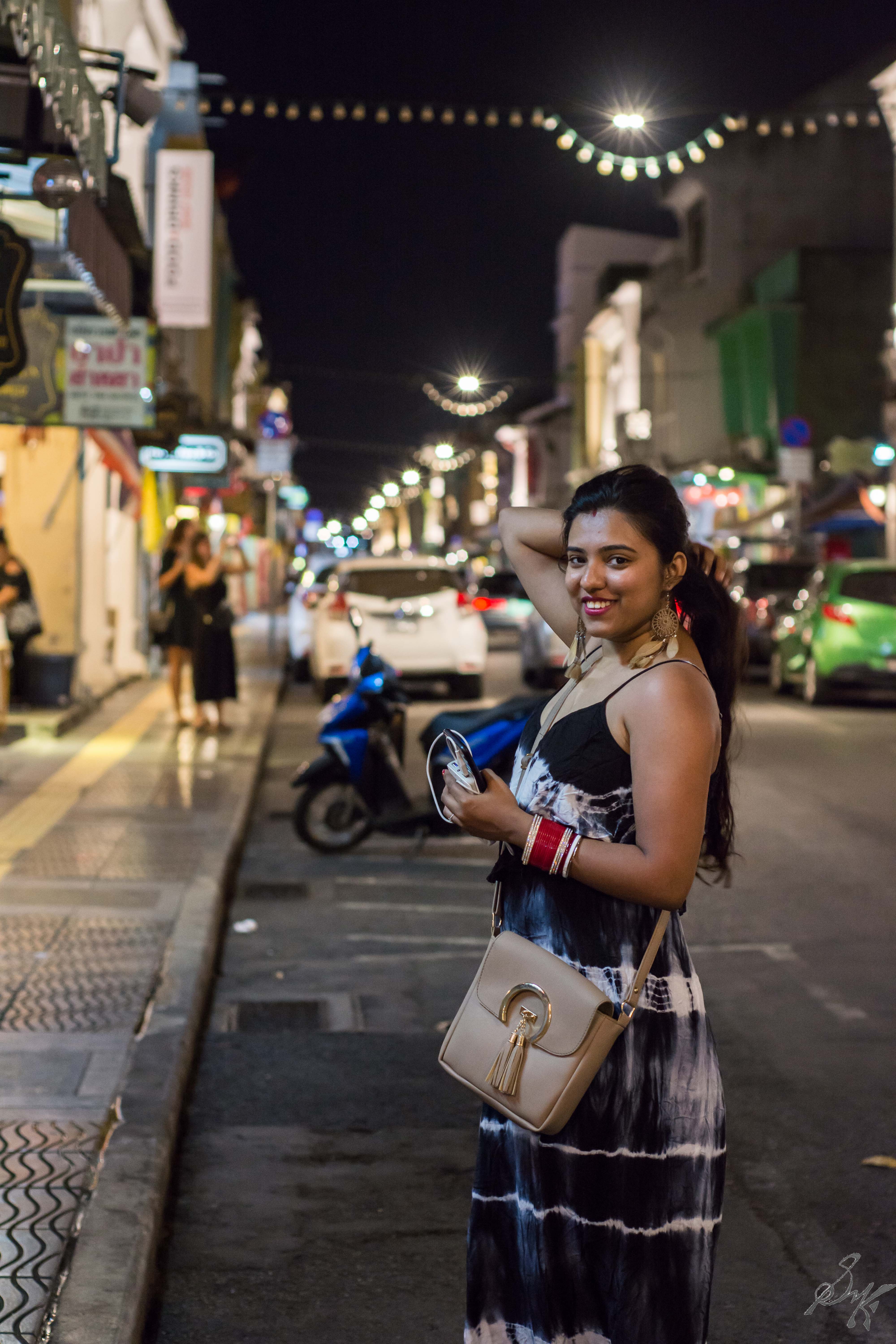
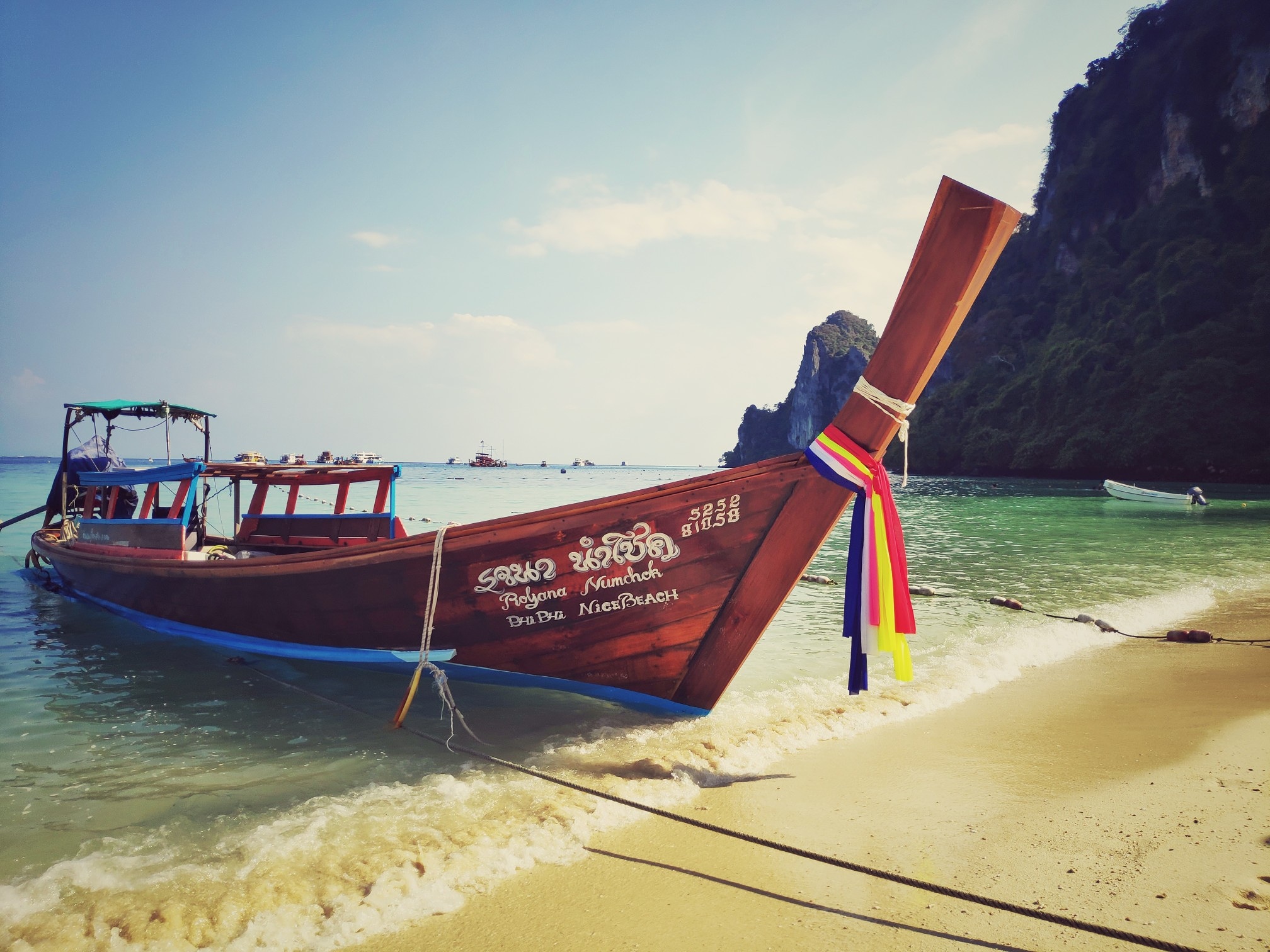
For the second day at Phuket, on recommendation from our host at the hotel, we booked a 3 Island day tour. It would be an entire day of island hopping to the Phi-Phi Islands and then back. Once we were back, we went to the Thalang Road to take some pictures and then to the Patong beach to find out why it is so (in)famous.
It was quite fun the stay at Phuket. With rolling hills all about and amazing roads, riding a scooter on the twists and turns are quite amazing. One must be a bit careful though, but it is fun.
From Phuket, on the next day, we took a mini-bus/van kind of a vehicle to Krabi. It was cheaper than flying or via boat, but it was more tiresome and time consuming.
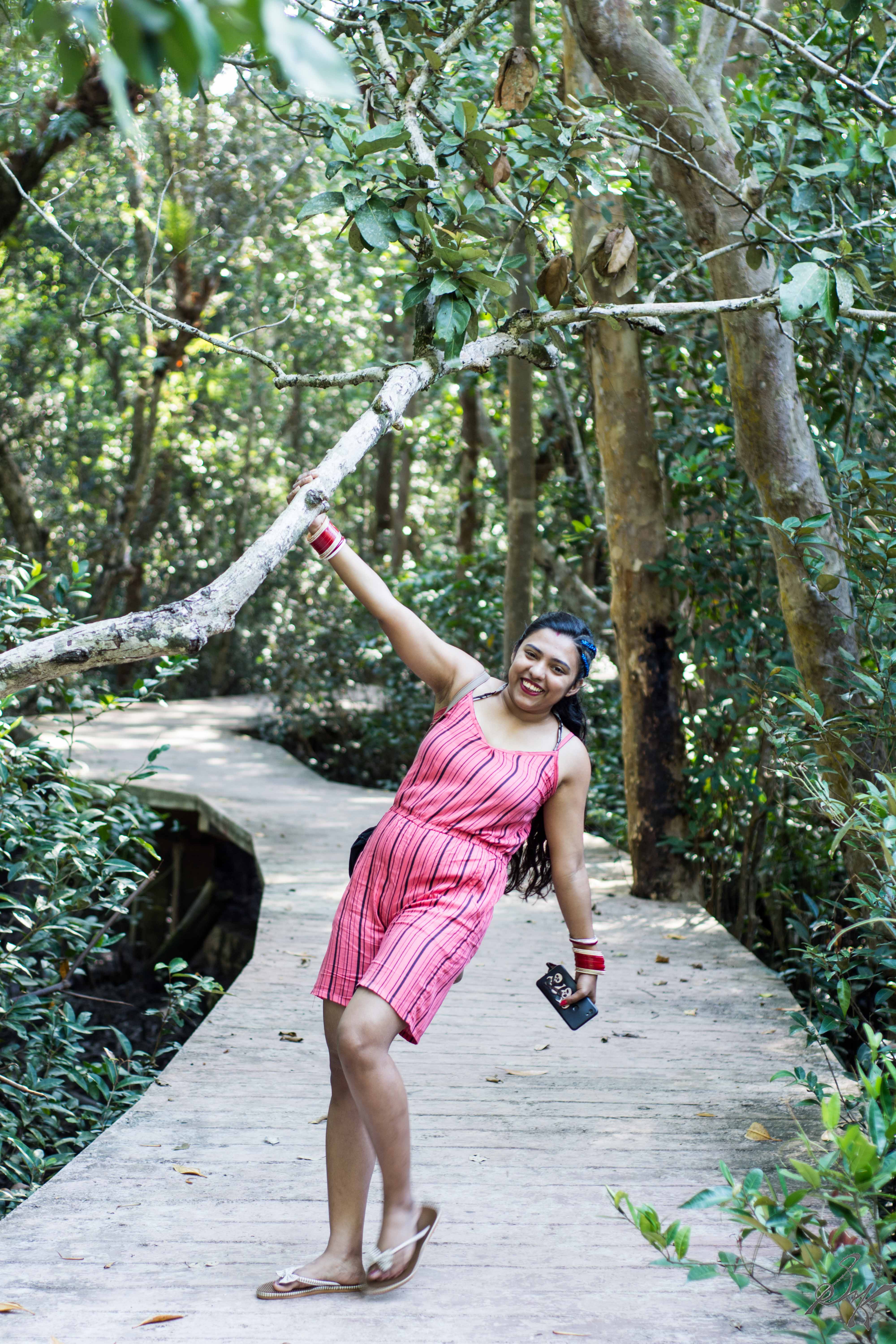
At Krabi, we chose to splurge on our stay. We stayed at an apartment booked via AirBnB at Muang. It is a few kms out of the Krabi town, peaceful, serene and very beautiful. At Krabi, we visited the Noppaharat Thara beach, the Ao Nang beach, took a small boat to the Railay Beach. One of the most amazing things to see was a shell cemetery. It is a place where shells, millions of years old have become fossilized and have now become effectively rocks. We also visited the Thapom Resort which is basically a mangrove forest with elevated walkways within to enjoy. It is interesting to see such forests up close, knowing the major significance they have in preventing rogue waves from causing destruction inland.
The sunset at the Nopparahat beach is absolutely spell binding and it makes you feel happy. Try not to miss it.
Krabi and around
The next day, we flew to Bangkok. As with the stay at Phuket, we needed a place to go to sleep at night and the Chocolate Mint Box was just the place for it. It was clean, simple and had complimentary breakfast, which was very tasty. At Bangkok, a realization that helped us a lot to save time and money, is to use the extensive and frequent boat service. Do not fall for the Tourist trap of Hop on Hop off boat, rather, travel as the locals do, in the express boats. They are economical and they shall get you from point A to B easily.
At Bangkok, we visited the Wat Arun and the Patpong night market. We made a quick tour to the China Town area too. We skipped the Grand Palace though and instead went to the Asiatique Sky. The place is nice and lively with the giant wheel being the main attraction. The Bangkok Eye provides a birds-eye view of the city and its surroundings.
At Bangkok
Apart from all the wonderful places to be, there were loads of amazing things to eat. The place is an absolute paradise for the non vegetarian people. Huge varieties of sea food along with the commonly available meats are for sale. Crocodile meat was also for sale, didn’t try it though. A fruit, which looks like Jackfruit for us back home is the Durian. Apparently it has such a smell, which some love and some hate, that you are not allowed to carry durians in cabs, buses, trains or flights. Someday, am sure I ll find out why it is so.
Food from the streets of Thailand
So, this was a quick recap of our weeklong Thai tour. The final cost to us, including the flights, transfers and boat tours was about ₹1.3 lakhs. So, in about ₹1.5 lakhs, it is possible for a couple to spend a week having fun at Thailand.
The Visa fee was waived at the time we went for our trip, but we paid 200 THB per head to skip the queue. That smoothened up the Visa entry procedure considerably. The people around are helpful and the signboards plentiful. There should be no problems. Booking a scooter is easy. Cost is reasonable, so is the fuel cost. We had to keep our passports as collateral to take the scooters, which feels a bit scary, but then, that’s how things are. One must always ensure that they are decently dressed while entering a place of worship and be respectful to the people. Give respect to earn it.
I hope that you enjoyed the account of our trip. More to follow soon.
First, we begin with what a time lapse video is. This is a video of a span of time which is compressed to a few seconds or minutes to observe a slow change in the setting. The best examples of time lapse videos (commonly called as simply timelapse) are the ones which show the making of huge structures or those of a day transitioning to night and vice versa.
Next, how do we make one. Timelapse are basically made of multiple photos, taken over a long period of time, and then stitched back together to make a video. The speed of the video is set in such a manner so that the video appears to be fluid and the resultant time of the video becomes a few seconds.
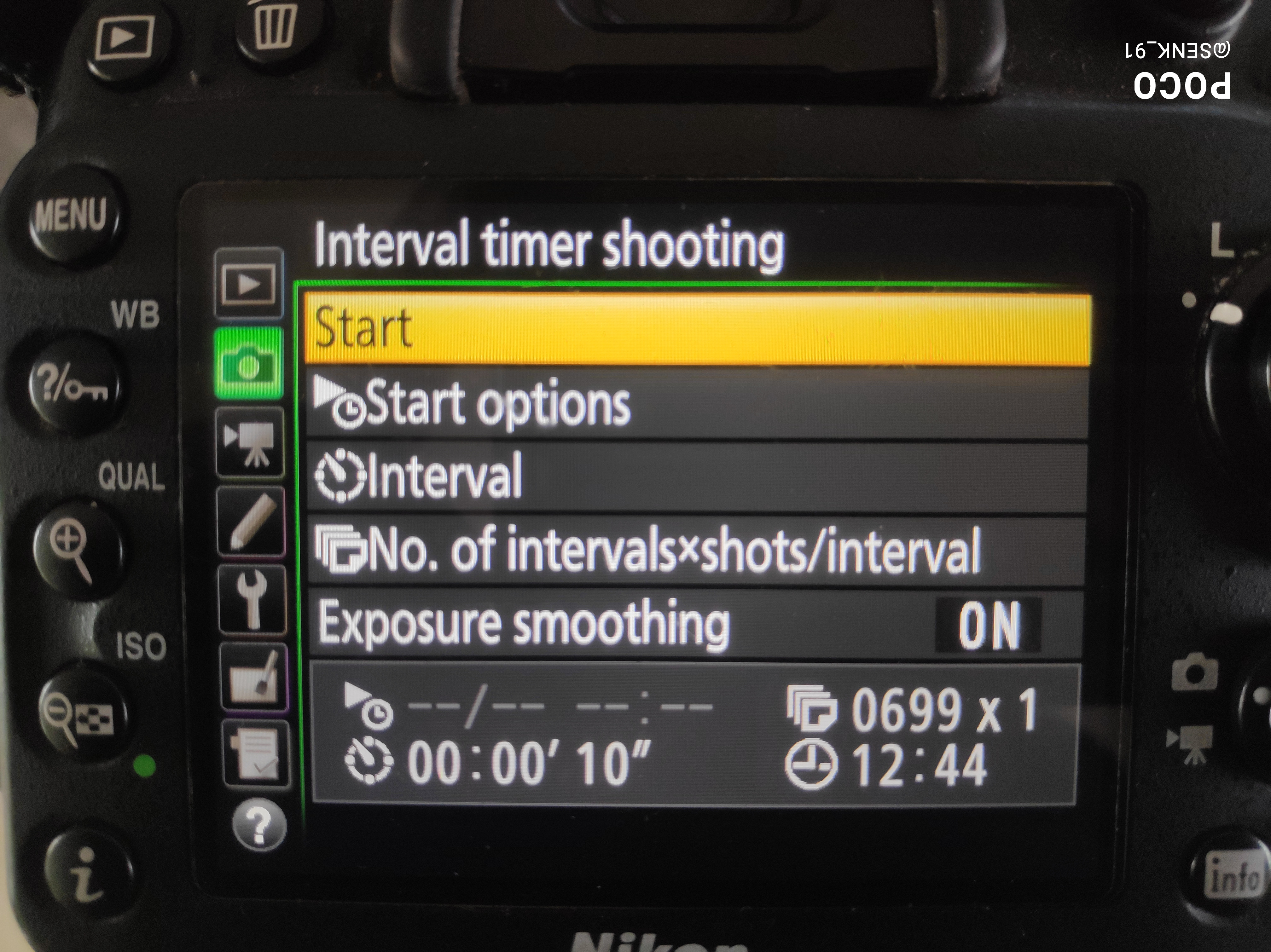
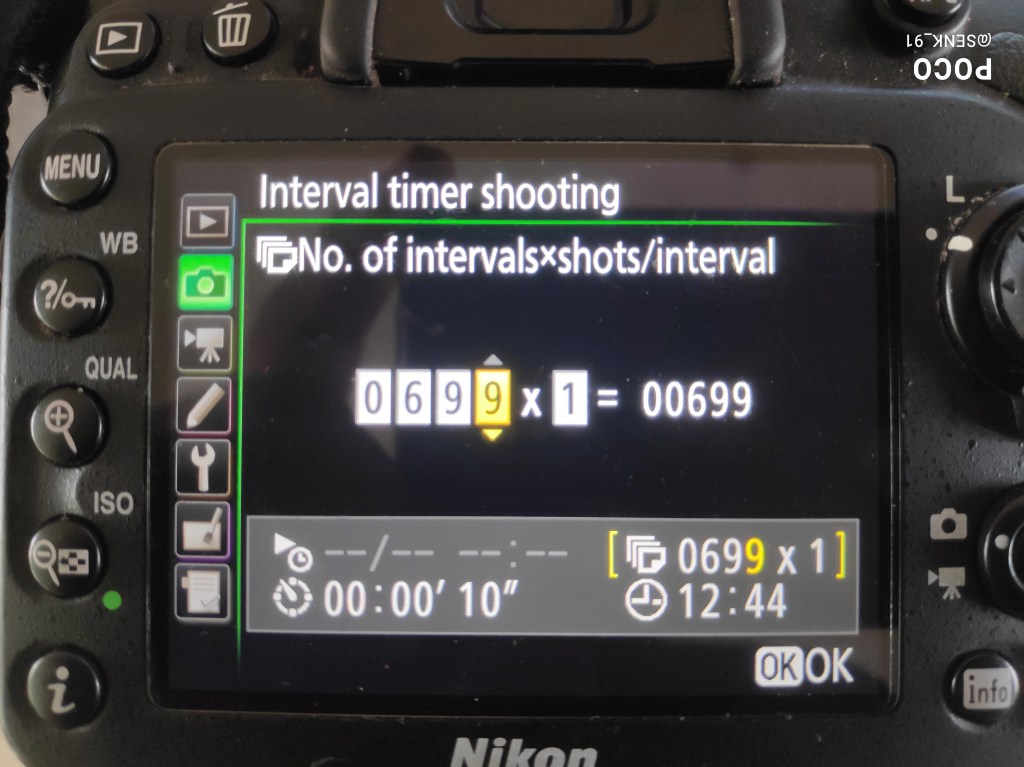
For this to be done, we need a device which is capable of taking photos at a fixed interval. So, either a camera with built in option for interval shooting, or an intervalometer which can be coupled with the camera. Below are some photos and their explanation. The camera being used here is a Nikon D7200.
Photo Shooting Menu In Nikon D7200
Interval Timer Shooting option
The photo above shows a setting where 699 photos shall be taken, with a 10 second interval between them. So, total exposure time is 6990 seconds. The setting can be done as shown in the below photos.
Interval timer shooting submenu
Interval timer shooting submenu 2
One sets the time interval between each shot, while the other setting is used to determine the number of intervals and number of photos in each interval.
One should pay attention to the fact that using these settings you can change only the number of photos being taken, not the photo’s settings. So, the ISO, Aperture, Shutter Speed and Focus has to be set by the user first.
Once the number of photos are taken, they must be processed to produce a timelapse video. There are multiple options to achieve this. Quick google searches lead to many paid and free options easily and the instructions are quite straightforward.
A calculation must be understood here. The relation between the number of frames and resultant video.
In the case we have here, we have a total of 699 frames, over a span of 6990 seconds. For a smooth video, it must be played back at about 30 fps (frames per seconds). So, my resultant video is going to be approximately, 699/30 = 23.3 seconds long. So, I shall be representing 6990 seconds, i.e almost 2 hours worth of exposure in about 24 seconds.
Add a music to the video which is fitting to it, and Voila! You have your timelapse! Check out the one I made using the settings explained above.
Timelapse video of a seedling unfurling
Offcourse there are apps available now in which all you must do is set the phone at a particular location, dial in the time you want the resultant video to be, or the exposure time, and once the exposure is done, the app returns you a expertly made video. In fact, some DSLRs also come with this option of inbuilt timelapse. Mine comes with the interval timer option only. Anyway, I hope the post is useful to anyone who wants to know about the wonderful thing a timelapse is.
Feel free to let me know of your thoughts in the comments below.
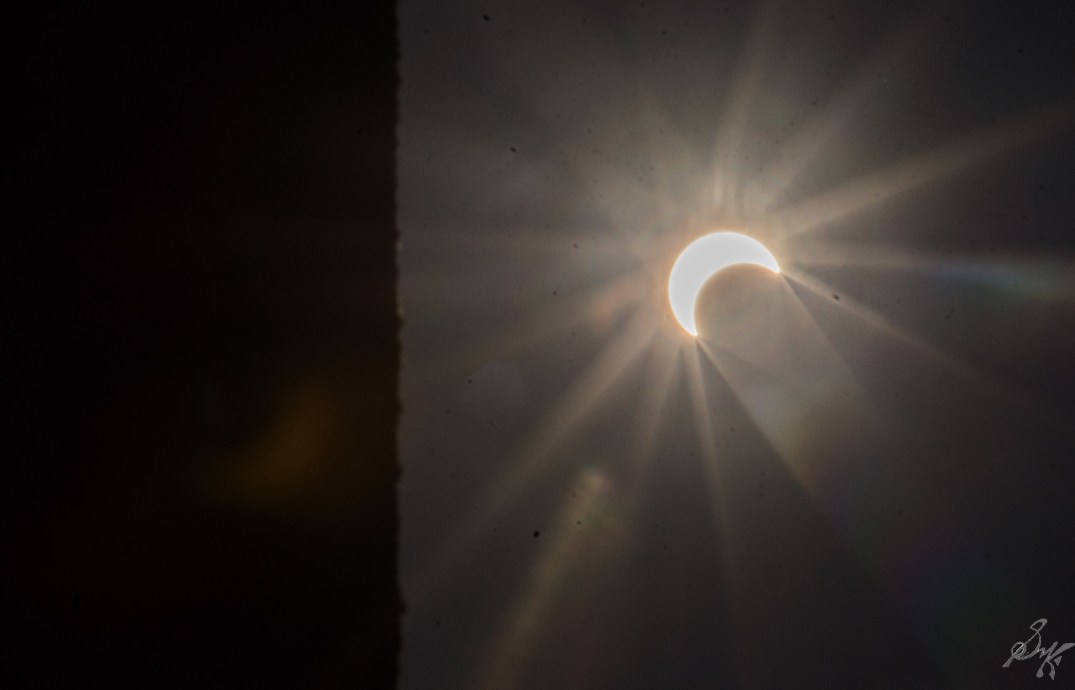
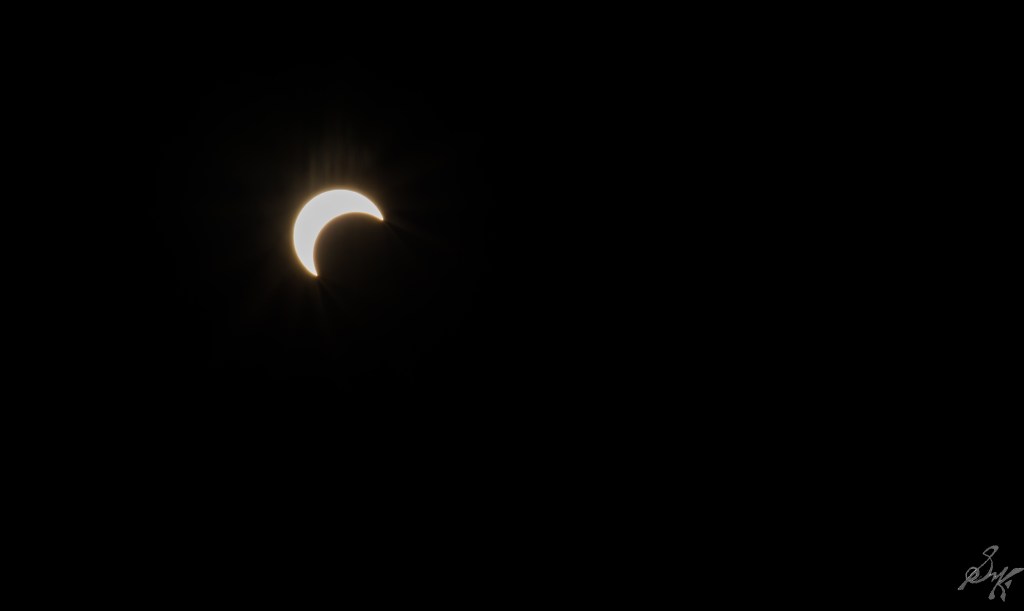
Solar eclipse is one of the natural phenomenons which draws awe every time it is visible. In the recent past, we were lucky enough to be able to witness a partial solar eclipse from Vadodara, Gujarat, India.
We didn’t use any special devices or gears to capture the eclipse rather than use the basic settings used to shoot the sun, namely, smallest aperture and a reasonably fast shutter speed.
What are the camera settings for capturing solar eclipse? F/36, 1/1600s and ISO 100 later, the outcome is as below!
As always, general precautions must be followed while looking at the sun. We used double polarized glasses to view the sun, though for little amount of time at a stretch.
An upcoming solar eclipse is scheduled in June 2020. Hopefully it shall be visible from Vadodara and more pictures of the same shall be shared.
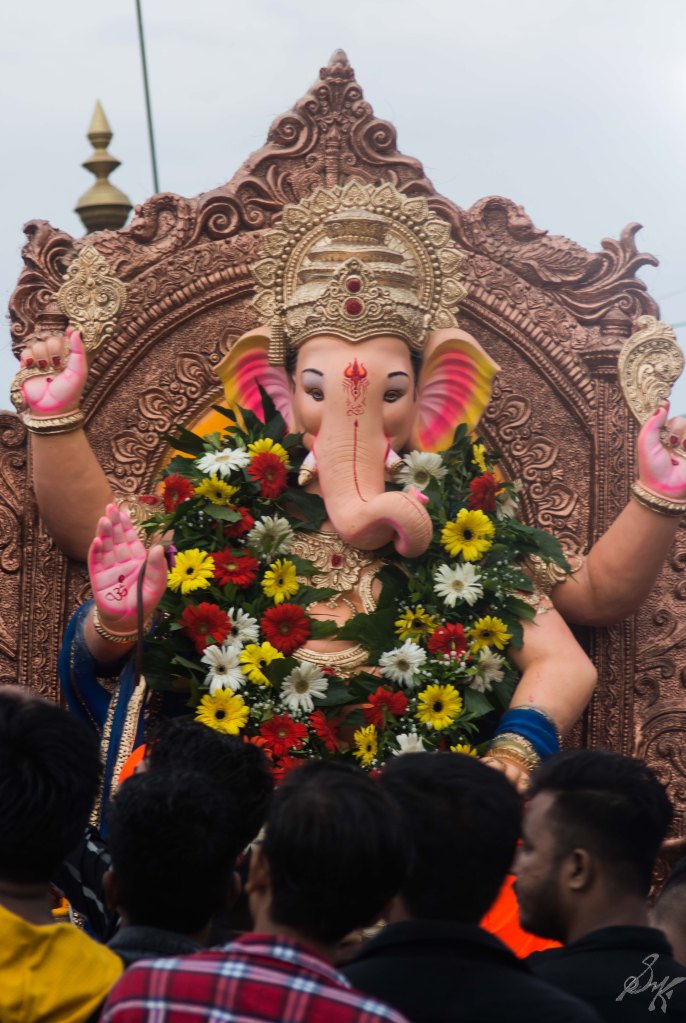
Since staying in Maharasthra, I have found Ganesh Chaturthi and the subsequent Visarjan quite a huge celebration. Off course, comparing the likes of Laalbaagcha Raja or Chinchpoklicha Chintamani is not justified, but here in Vadodara, the celebrations are vibrant and filled with enthusiasm.
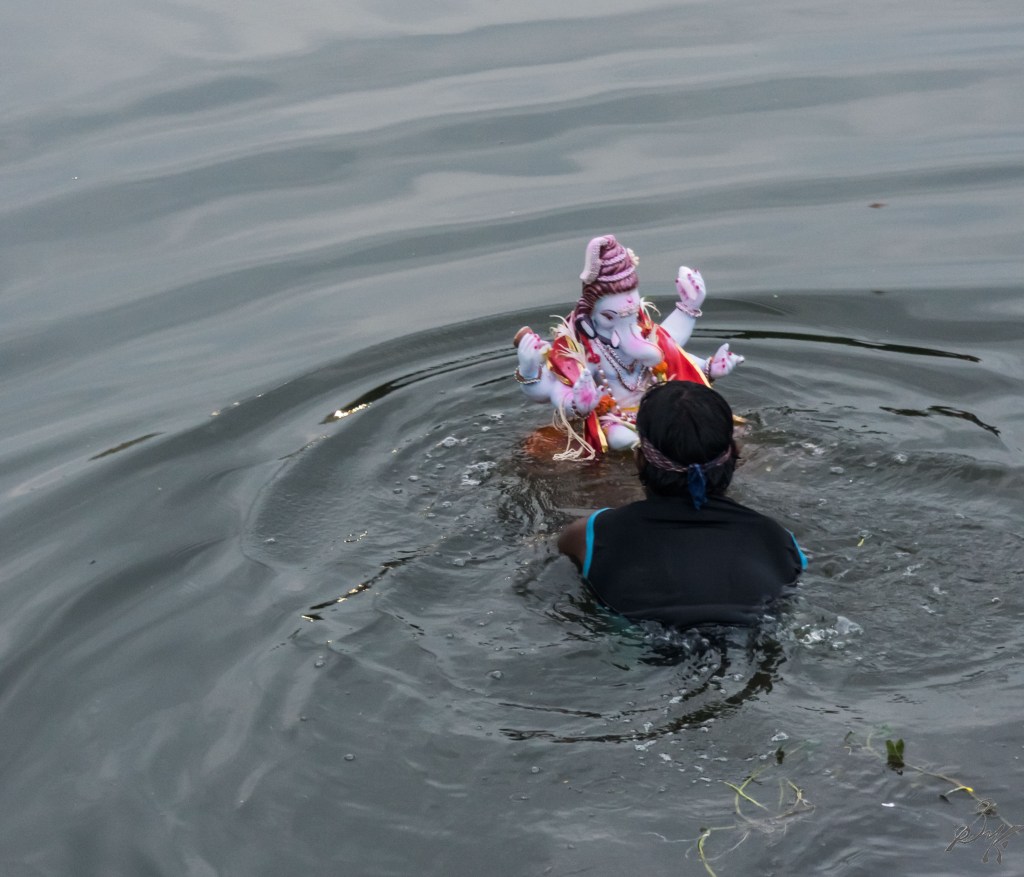
This time, I had the opportunity to cover a part of the visarjan at the Gotri lake at Gotri.
I loved the way each idol would be loaded on the platform and taken to the middle of the lake and then ceremoniously dunked in the water. This ensures a better immersion and hence a more complete dissolution of the idol. Let’s have a look.
I hear that the Sur Sagar lake hosts much bigger idols and draws a bigger crowd, hope to cover it next year.
It has been months since the last post and a lot has happened in my life since then. It is time that the posts must continue, once more!
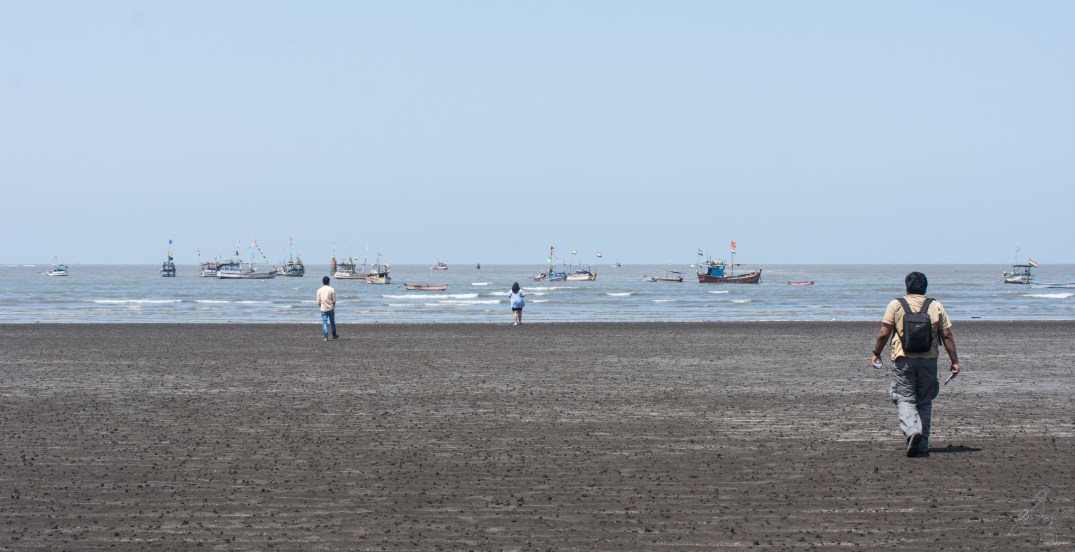
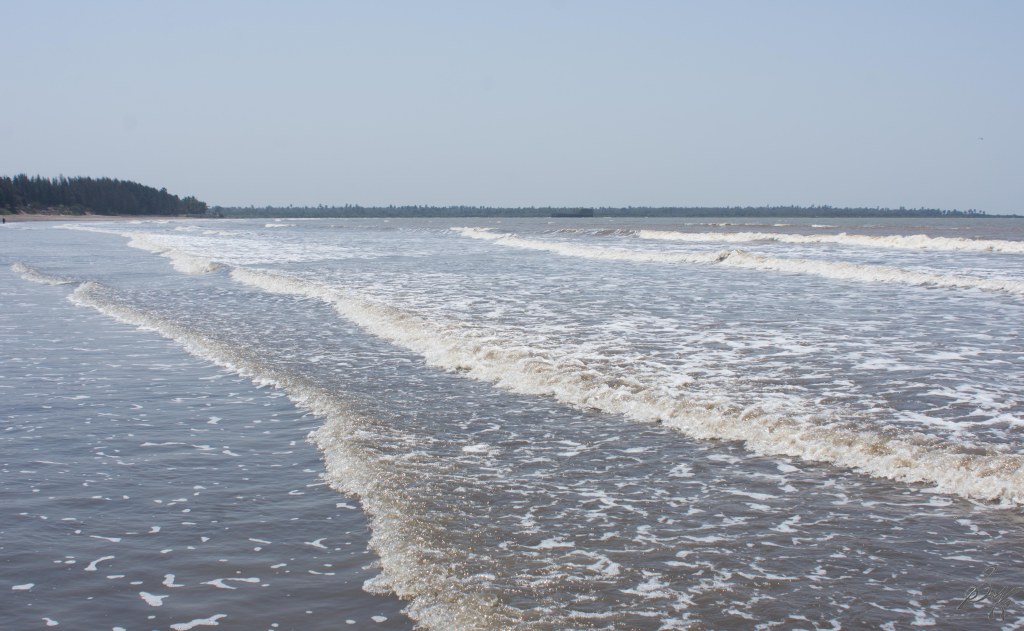
Let me take you all to Kelwa Beach at Palghar, Maharashtra. About 100 km out of Mumbai is this beach on the western coast of the country. The route is quite scenic and both the driver and the rider would enjoy the route. Some twists and turns along the road, a wide road and some natural beauty to keep one company. Following the route using Google Maps is easy and hassle-free. The place is quite amazing for a one-day trip with friends. Come, have a look!
As with all beaches, do not forget to carry loads of water and sunscreen. Have a beach ball along and you shall be having quite a nice time out there. The beach is frequented by locals mostly and is generally peaceful.
Go on, have a good time! Until the next post.. Cheers!!
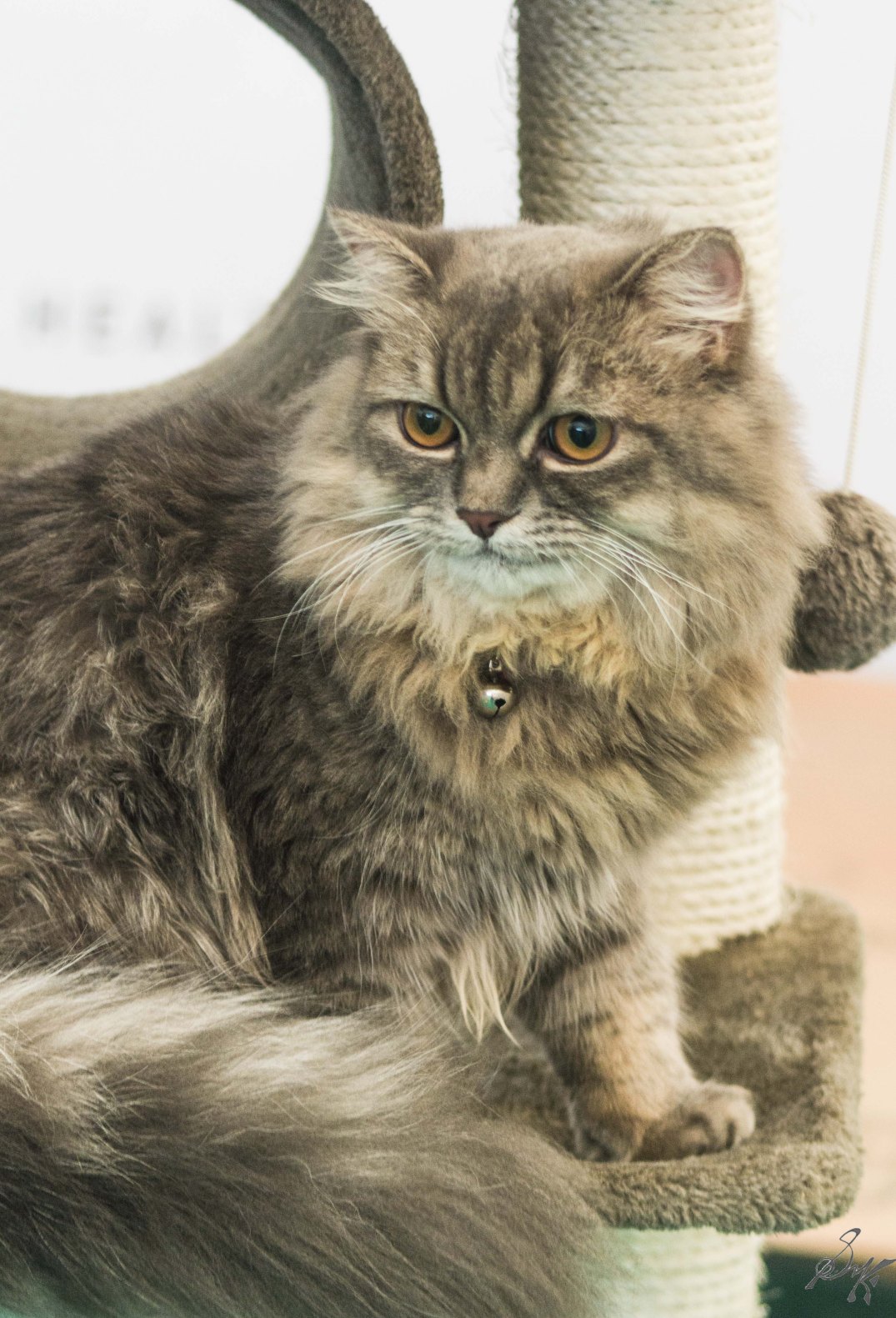
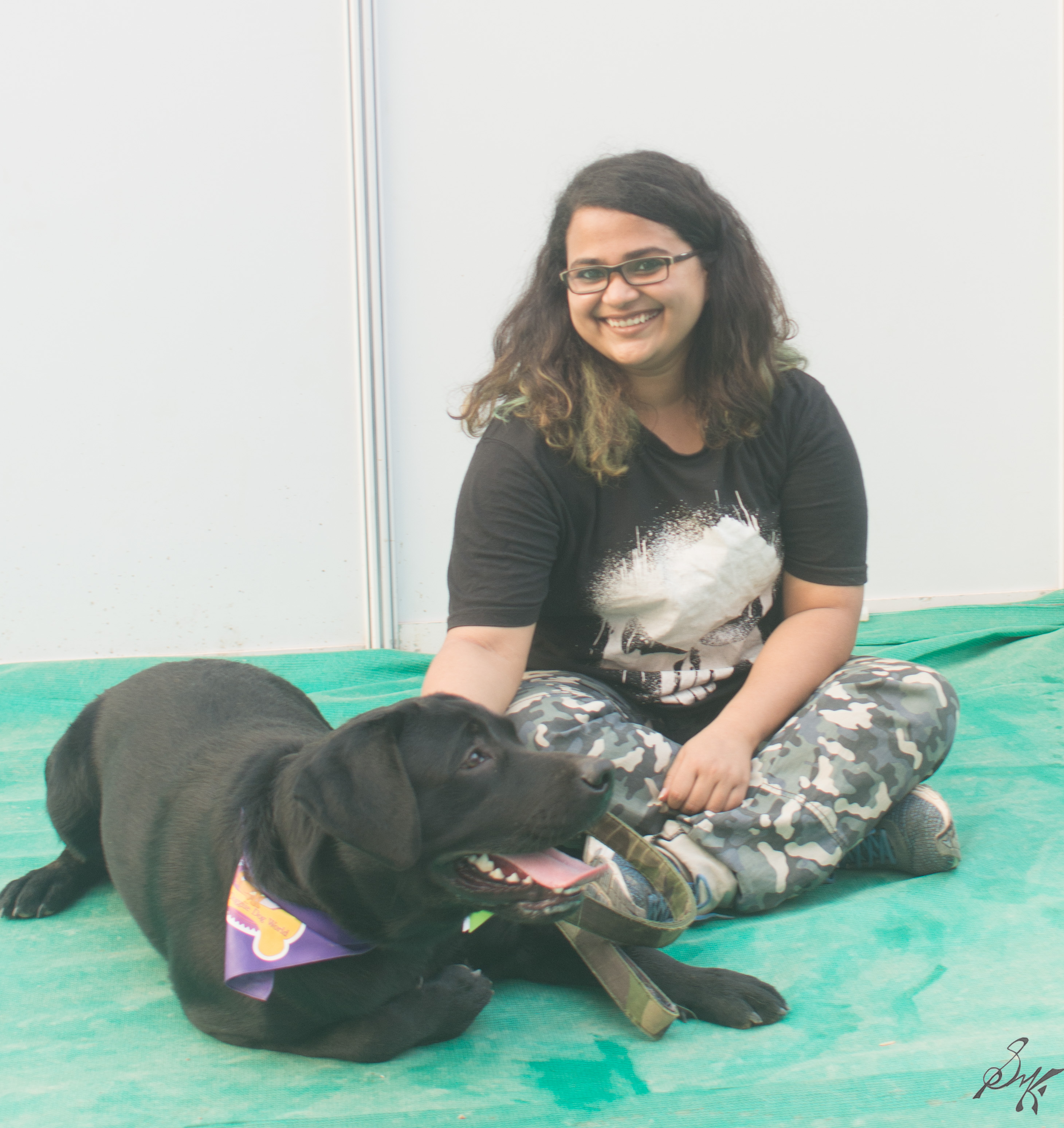
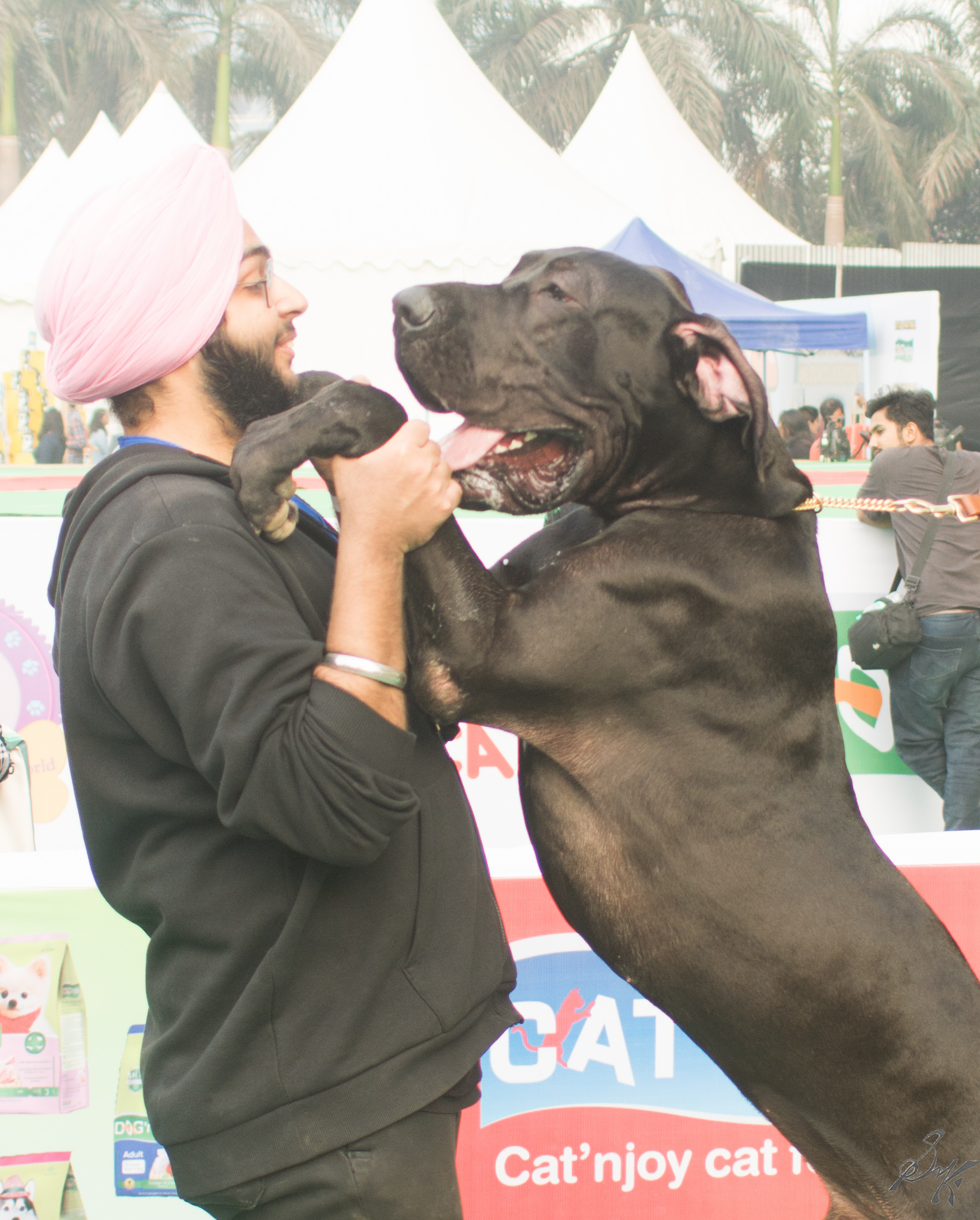
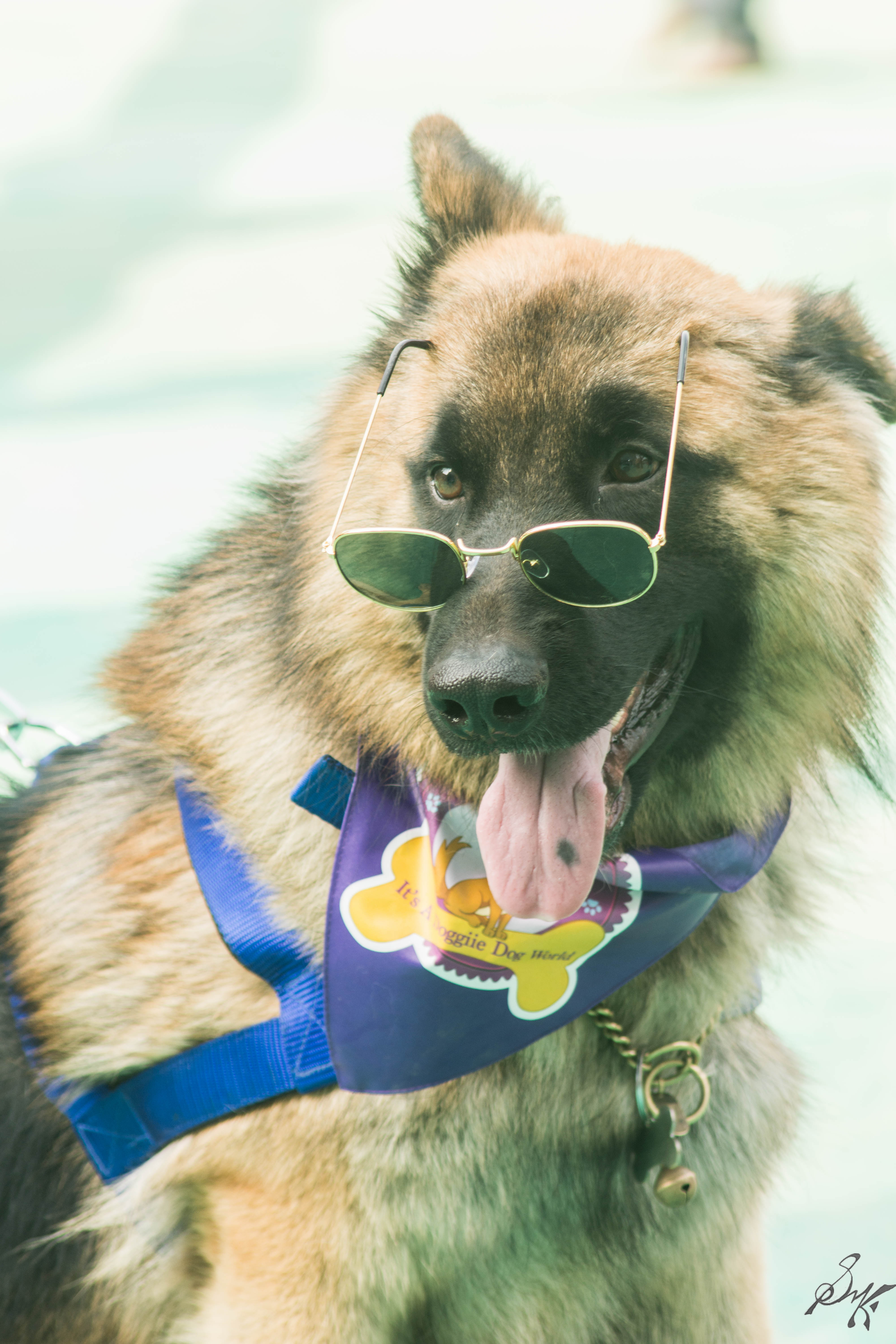
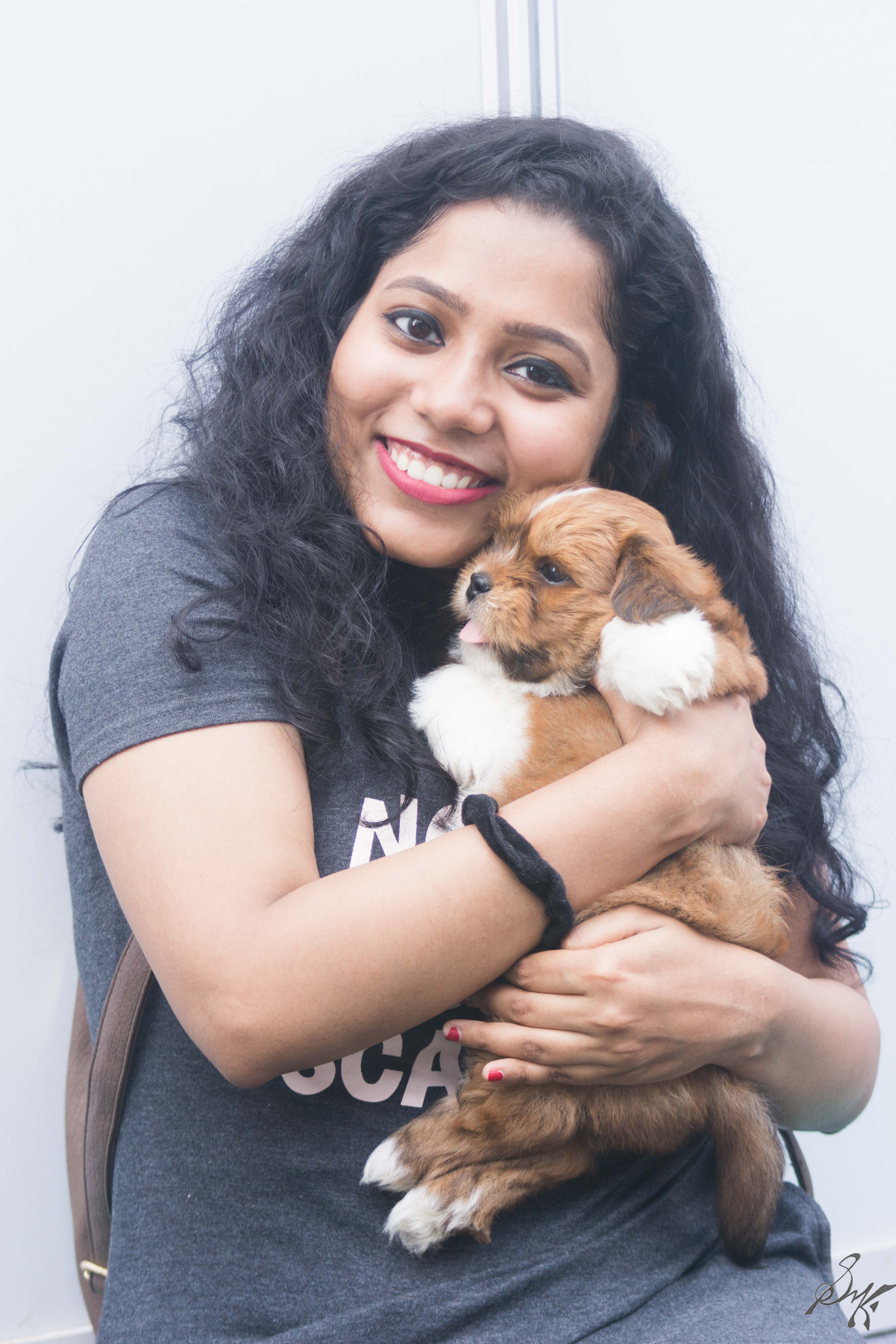
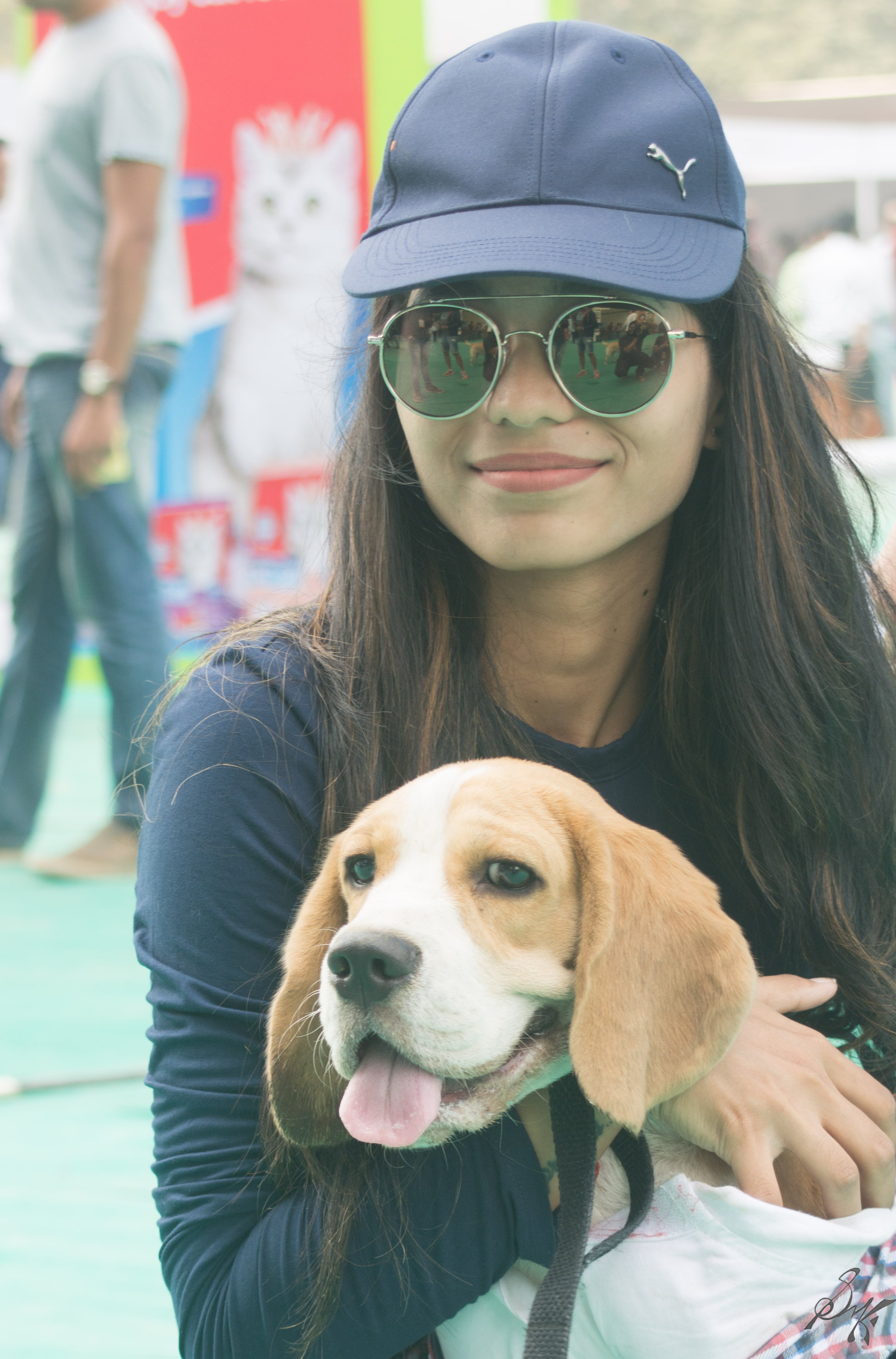
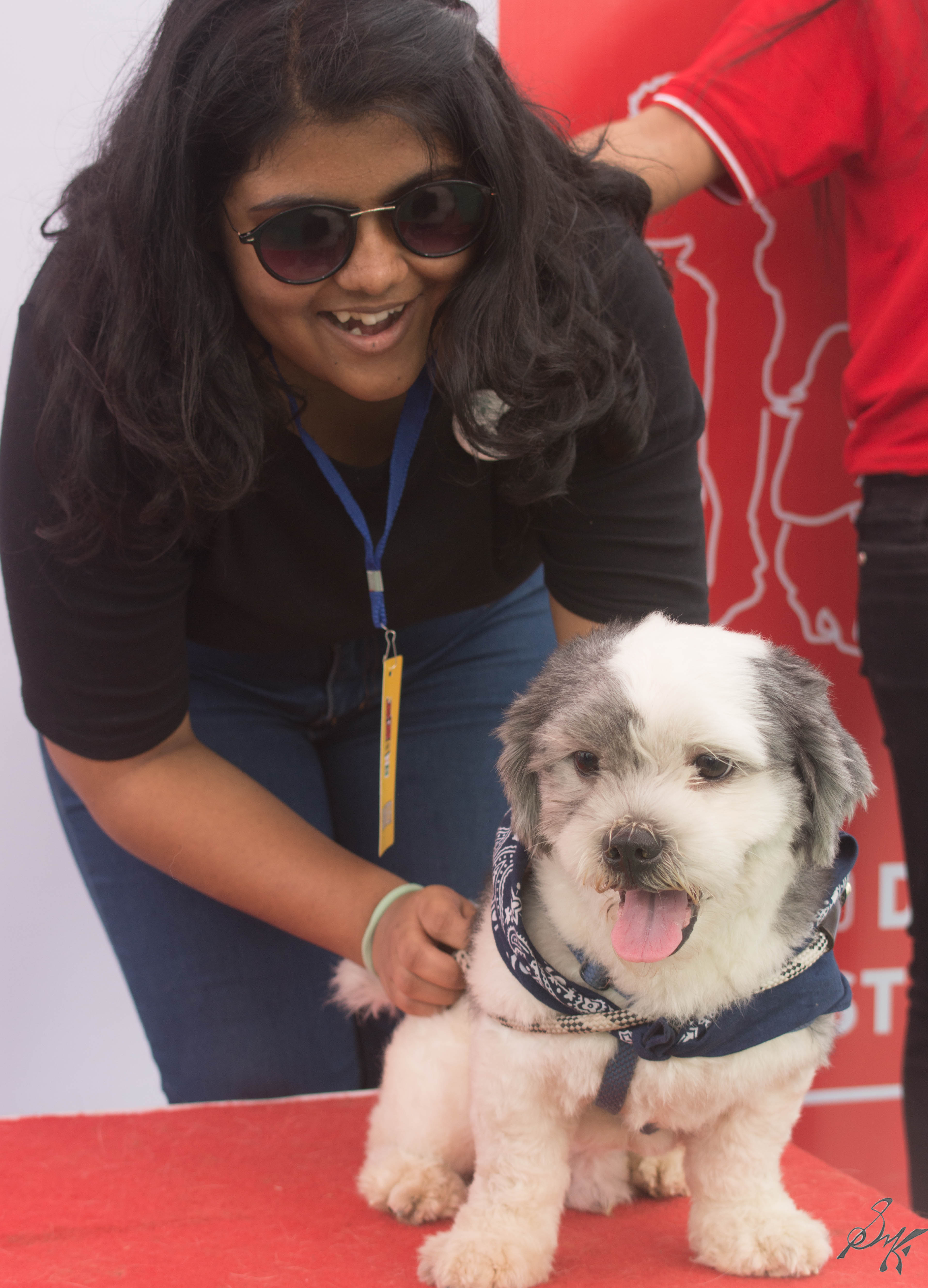
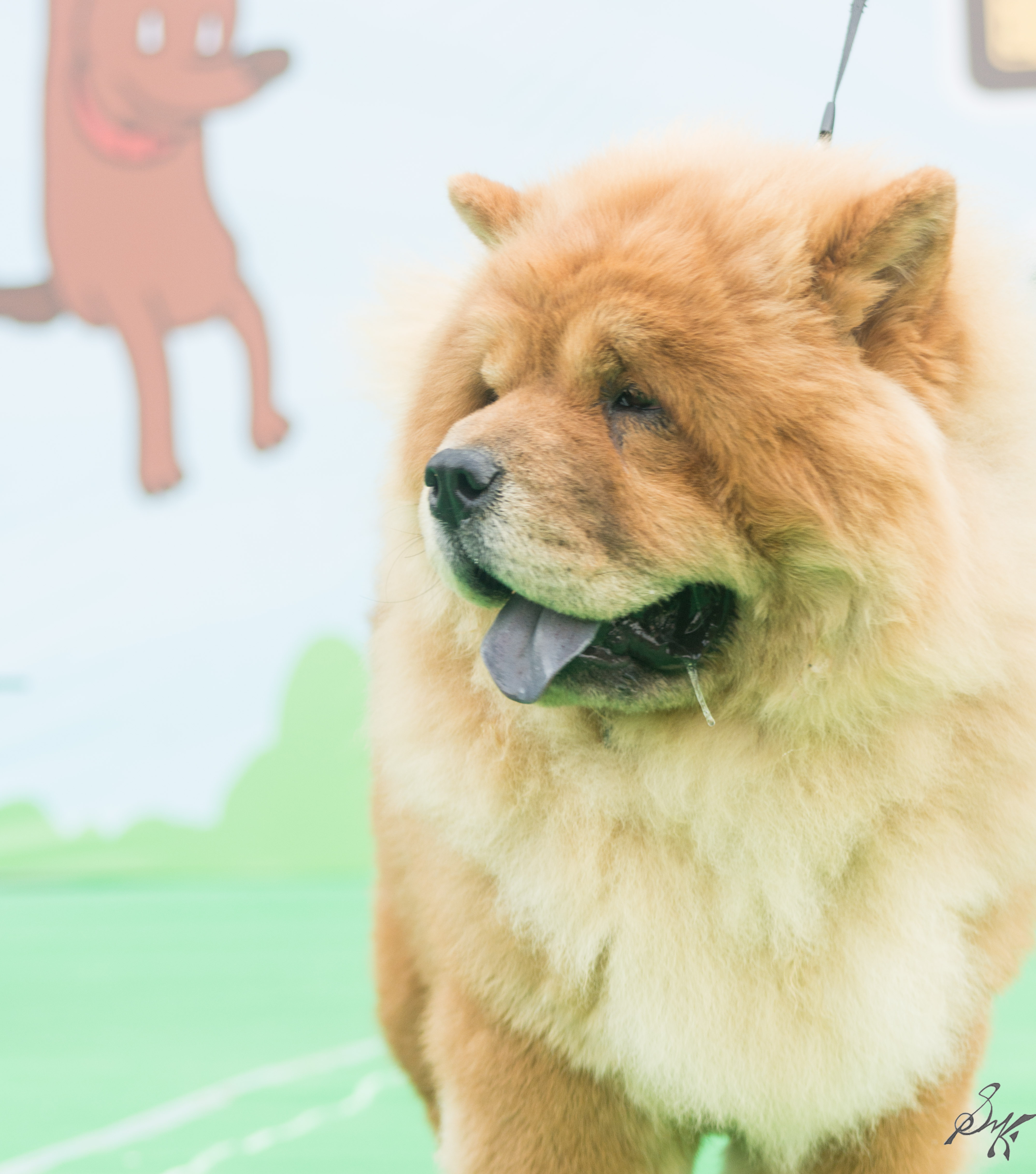
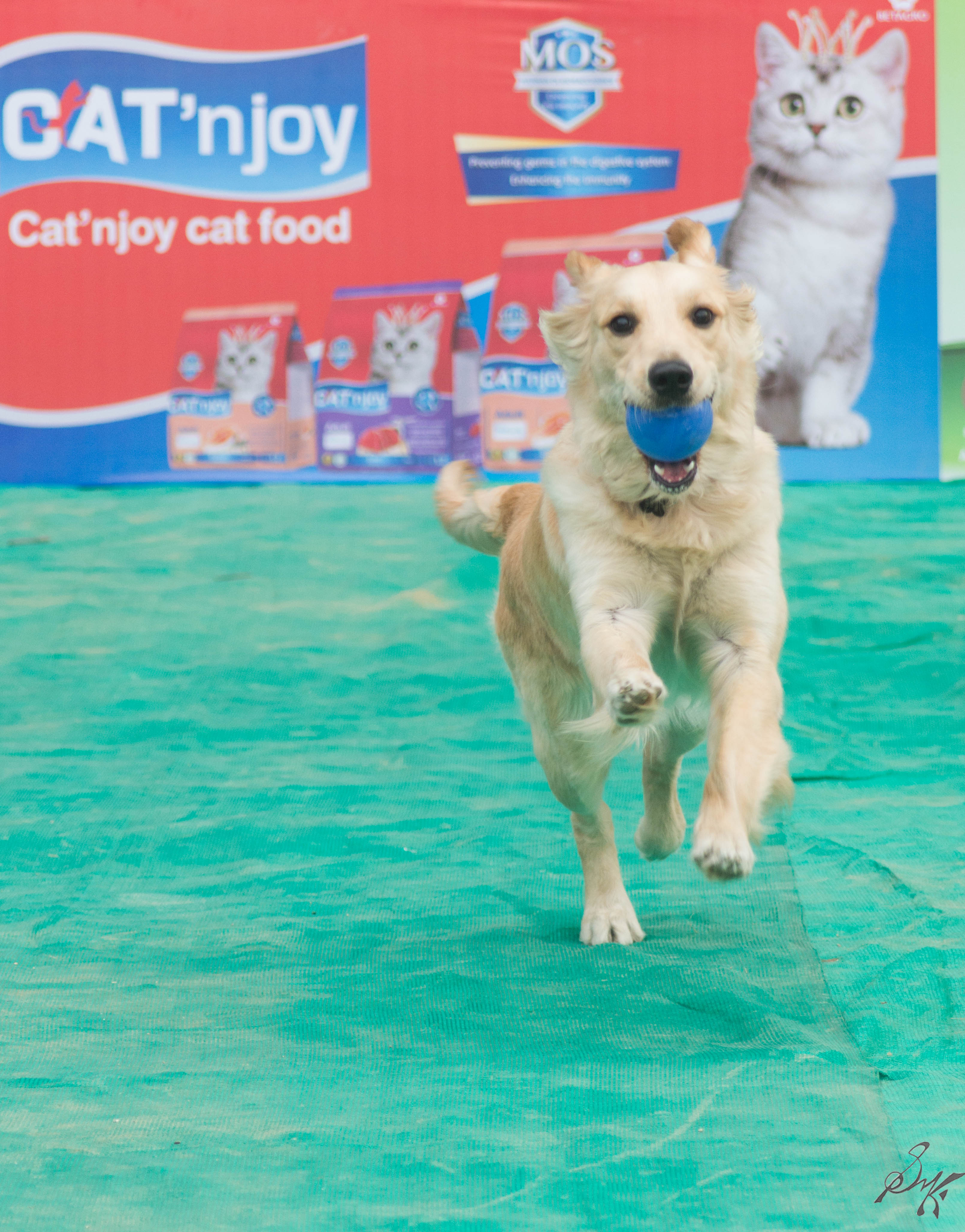
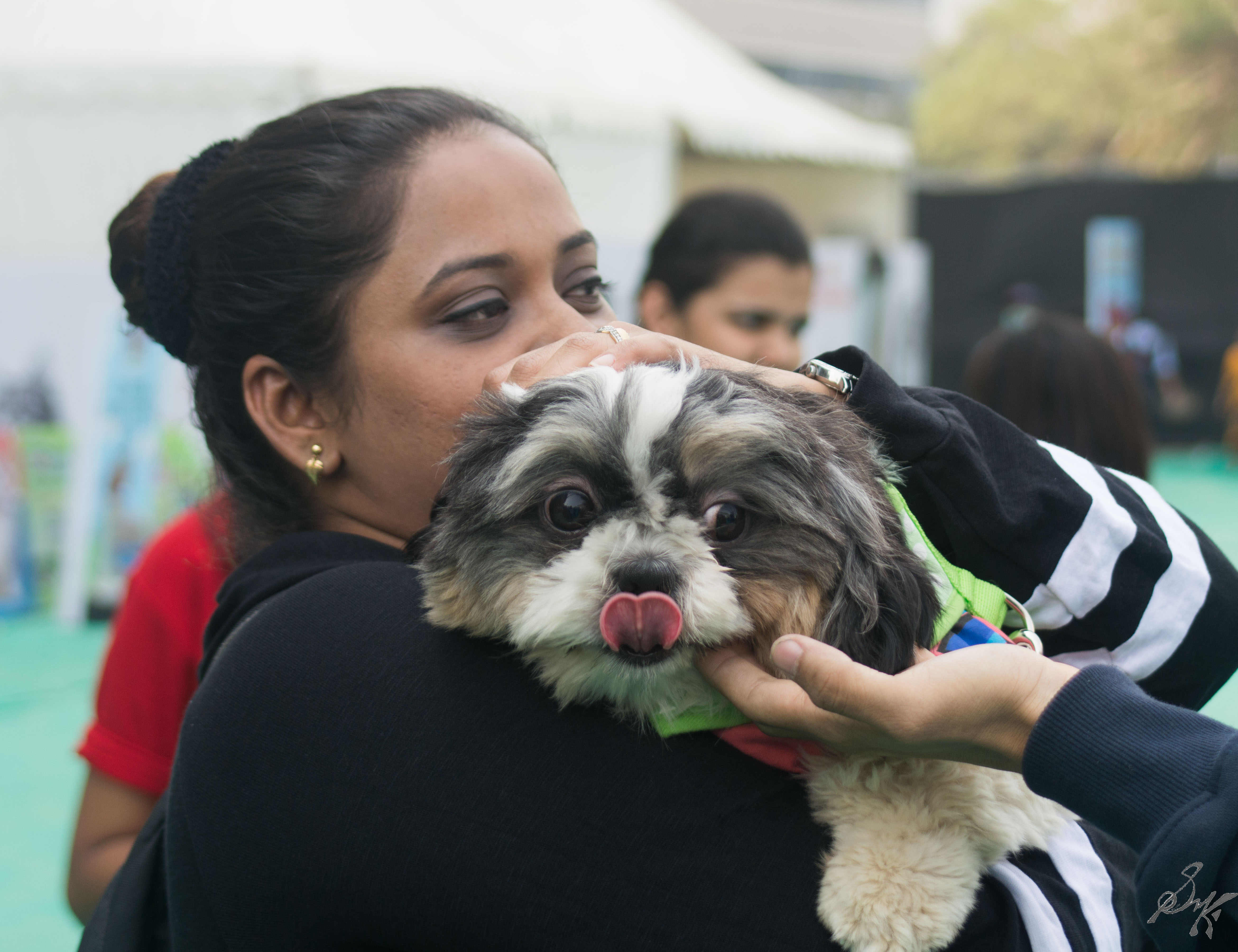
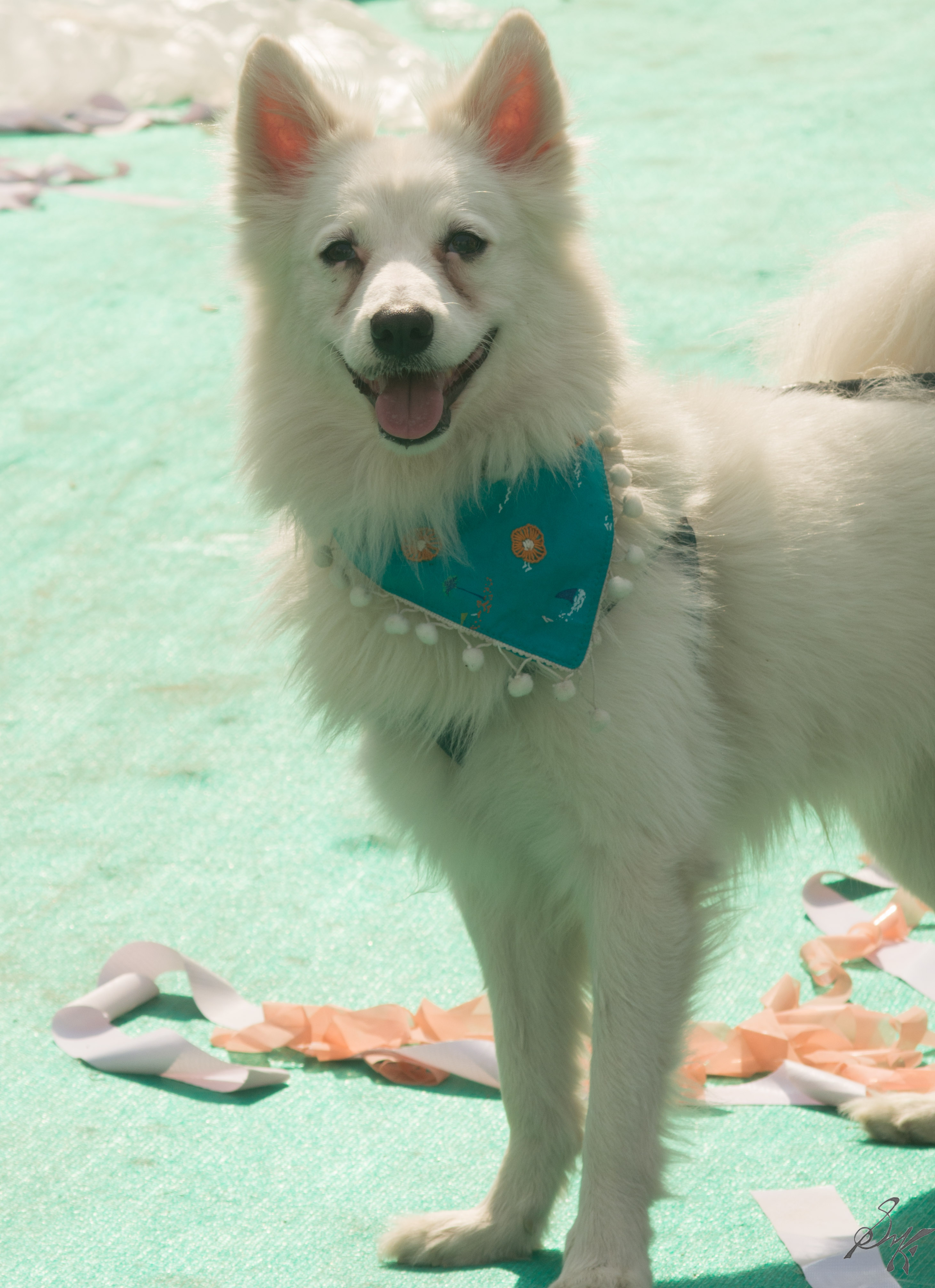
PetFed is one of the most popular pet meet that is organized annually at various locations around the country. Pets of all shapes, sizes and breeds are welcome and there are multiple events organized for them.
This year’s, PetFed Mumbai was organized on 19th and 20th of January. Below are some of the photos from the first day of the event to help bring back memories of the wonderful time spent in company of the furballs. Enjoy!
What I found quite amazing is that there were quite a few number of pets around and there was remarkably less snapping and fighting amongst them, they all got along so well. Kudos to the owners s who have trained their pets to behave well.
More photos from day 2 shall be uploaded soon. Cheers!!
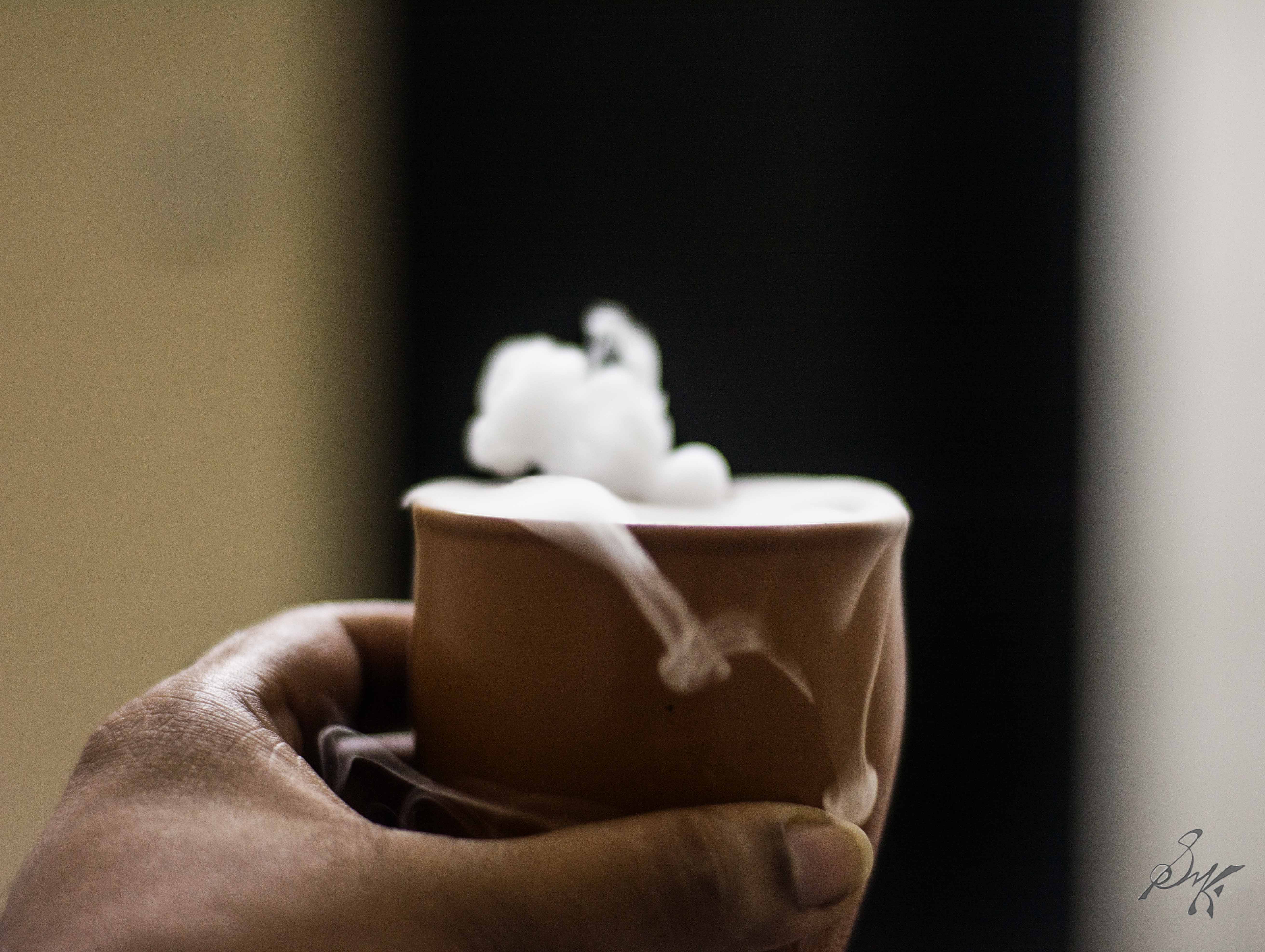
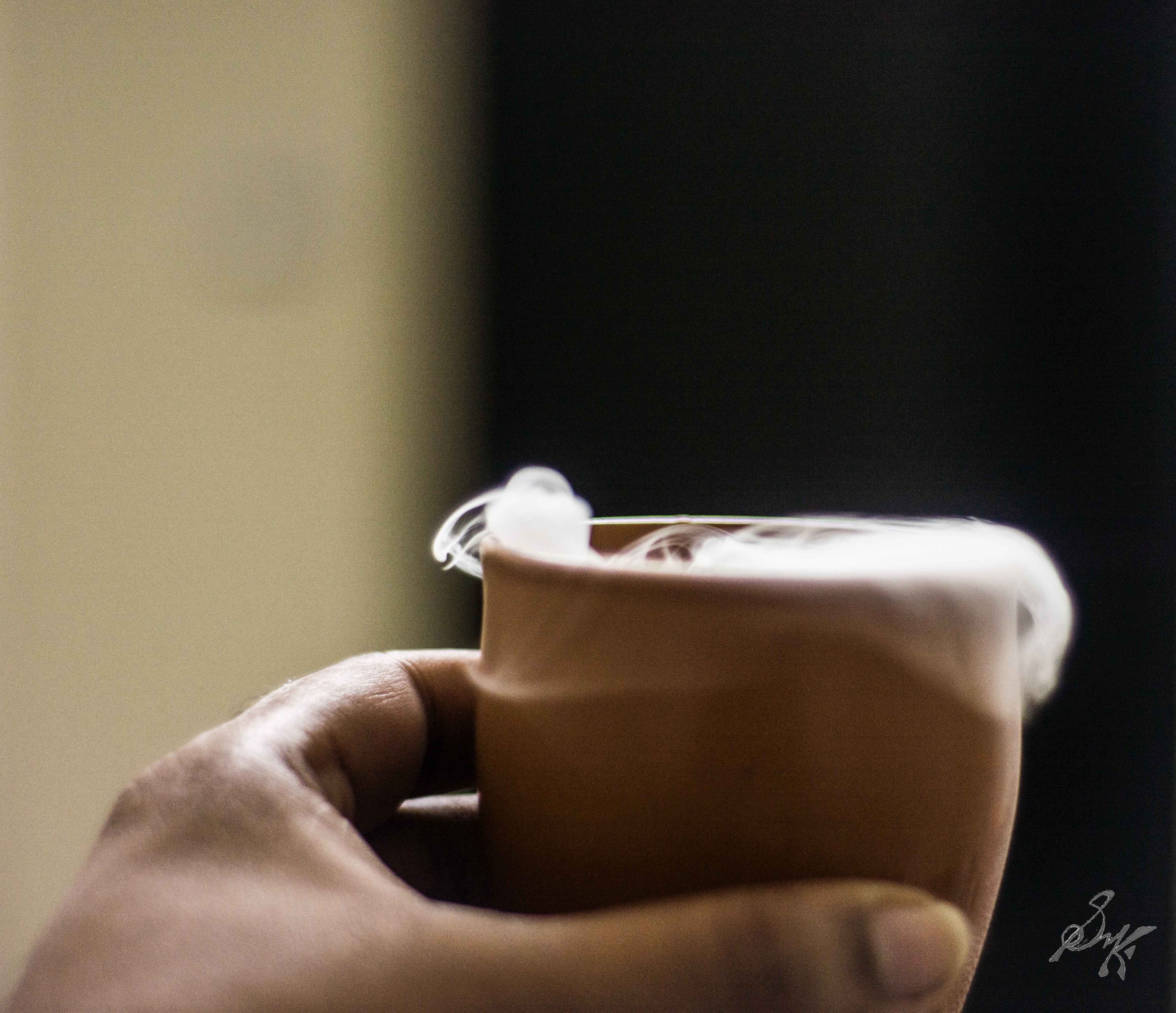
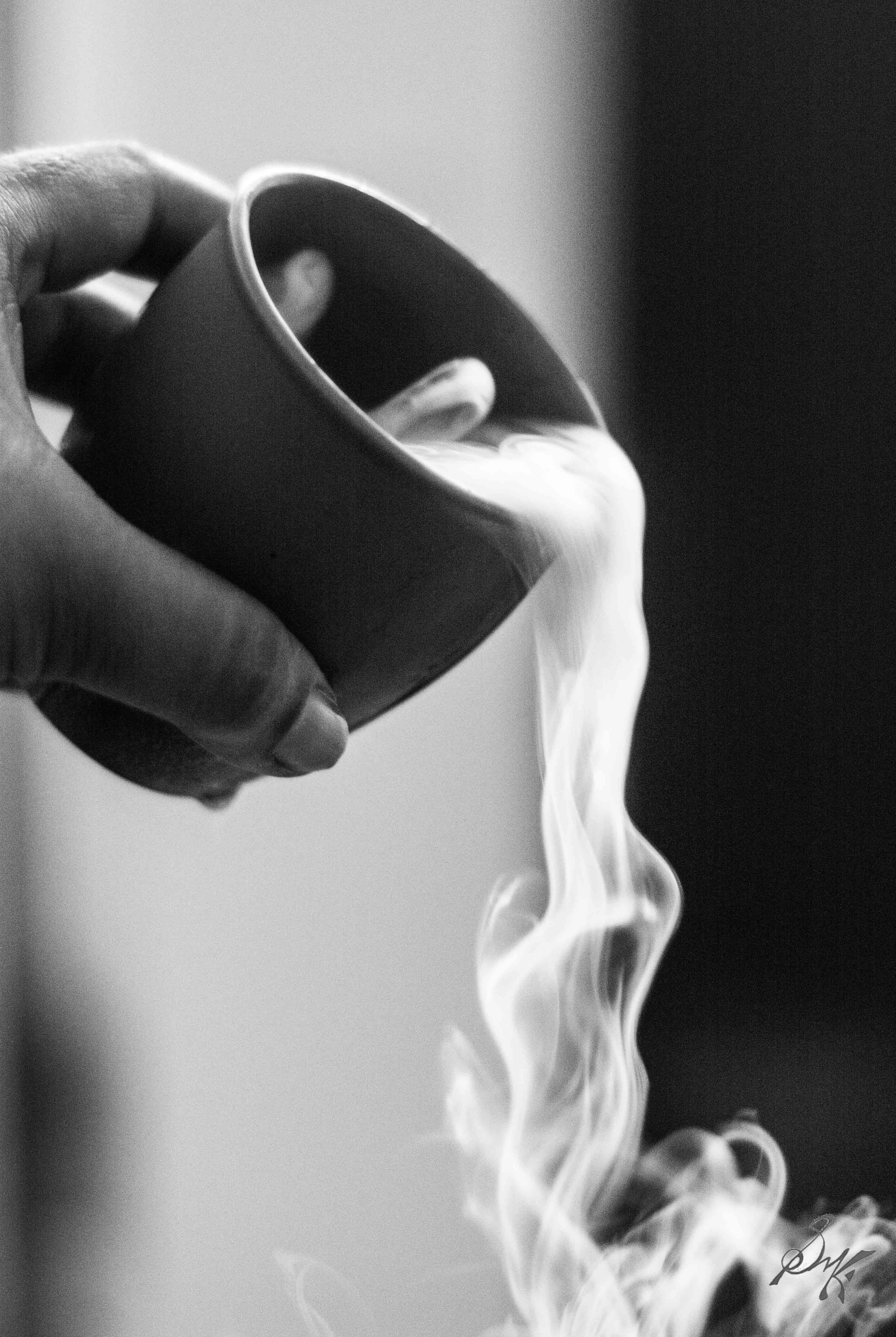
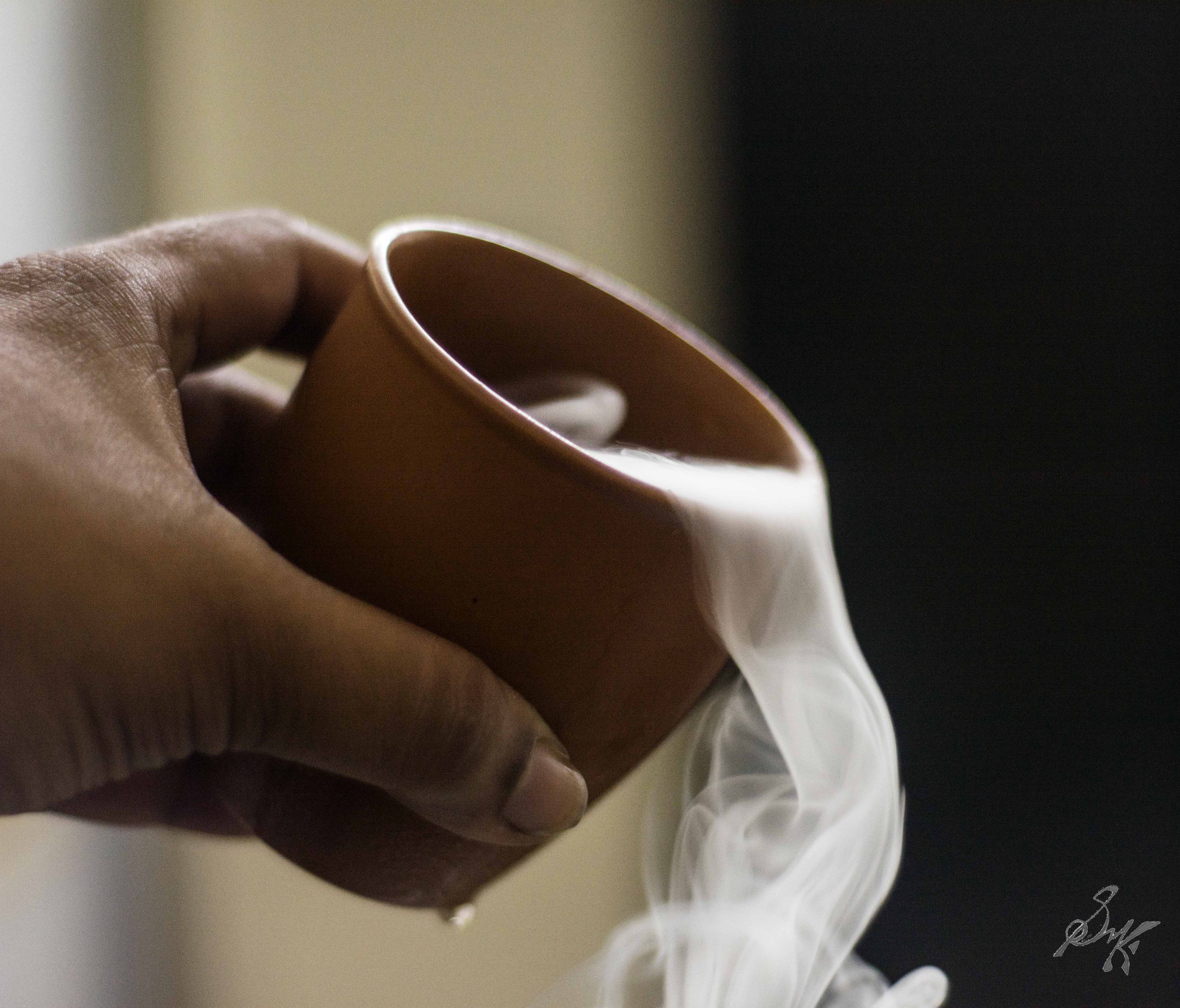
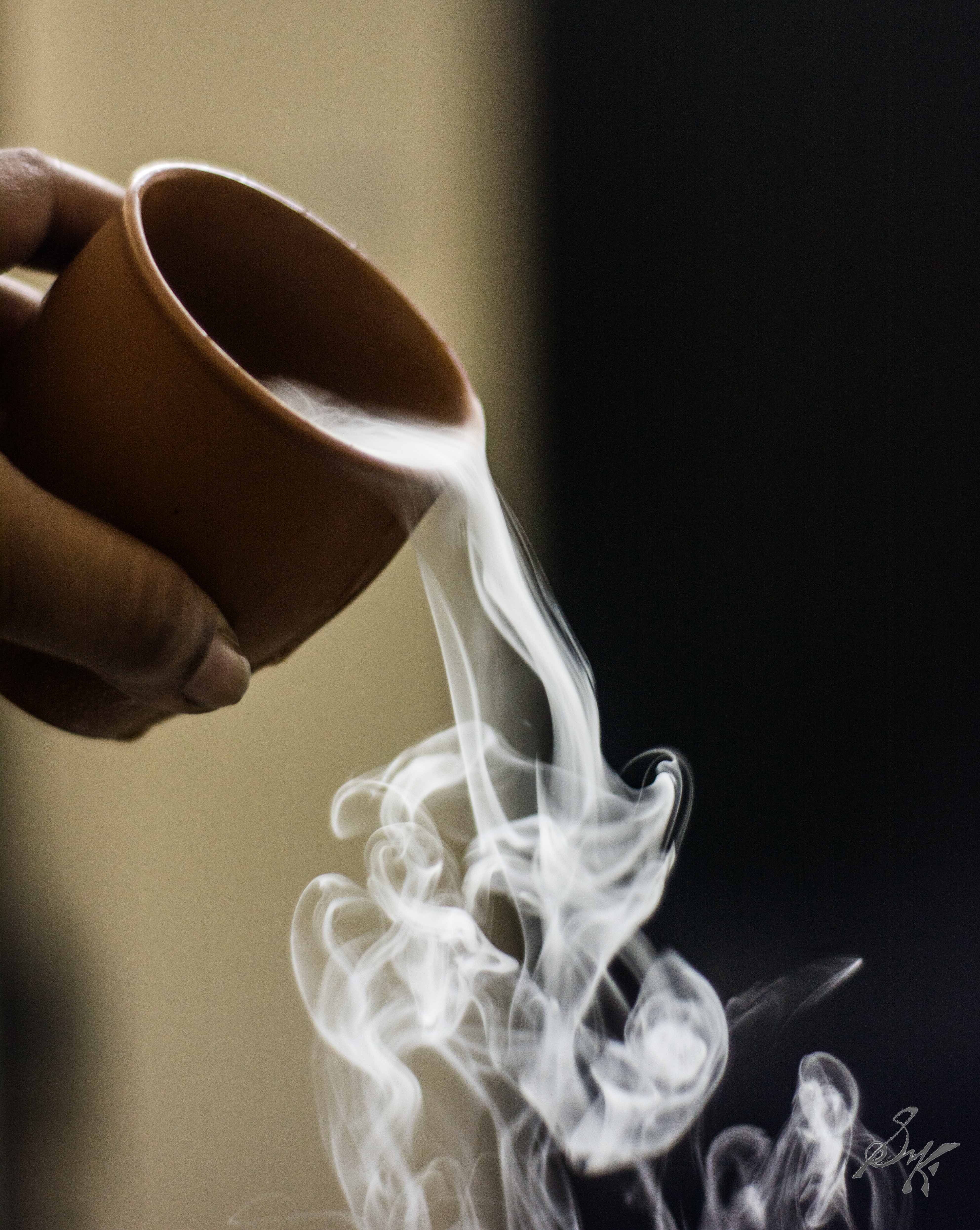
Hi there all. It has been quite sometime since the last post, I ll blame the hectic work schedules and in some effect, laziness for the same. Anyway, today we discuss, Dry Ice. Frozen Carbon Dioxide, when made into pellets to be used for cooling duty, is known as Dry Ice.
Dry Ice is of interest to us photographers since it produces thick smoke, when it comes in contact with water.
And the best bit, the smoke is cold, and heavier than air, so it flows!
This gives the opportunity to use the flowing smoke creatively. It can be used to provide artificial smoke in photos, to be used to as a background or otherwise.
So, there you have it, the secret to thick billowing smoke in the photos. Have fun it. Be careful though, it is carbon dioxide, so, preferably do not inhale a lot of it, and experiment in an open space.
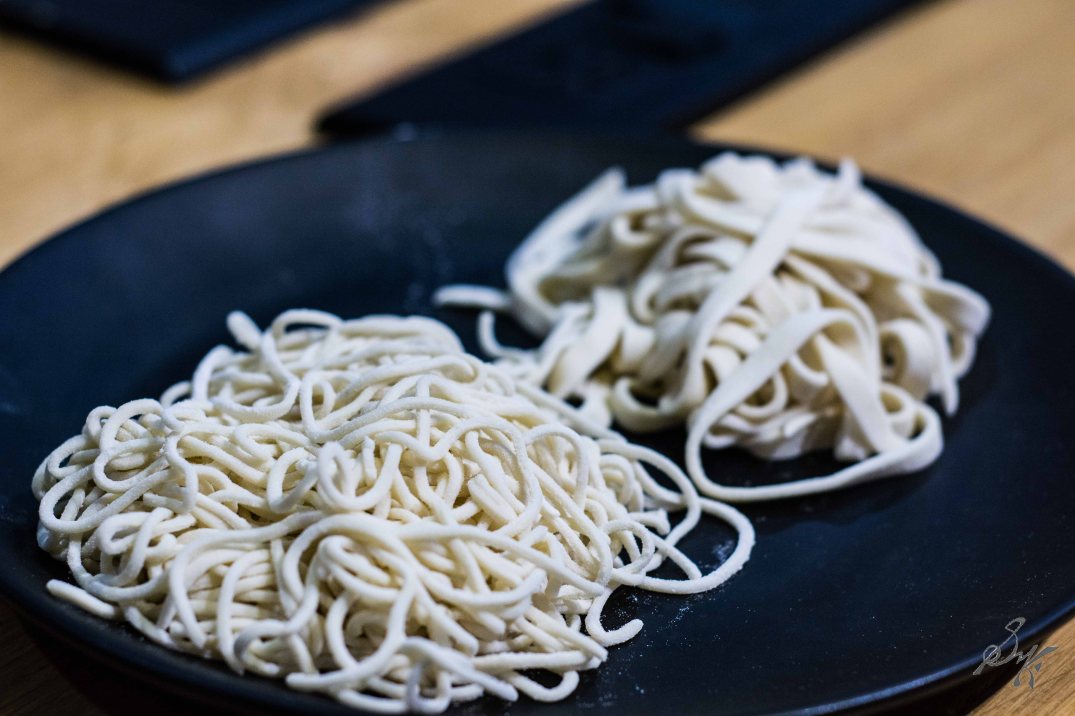
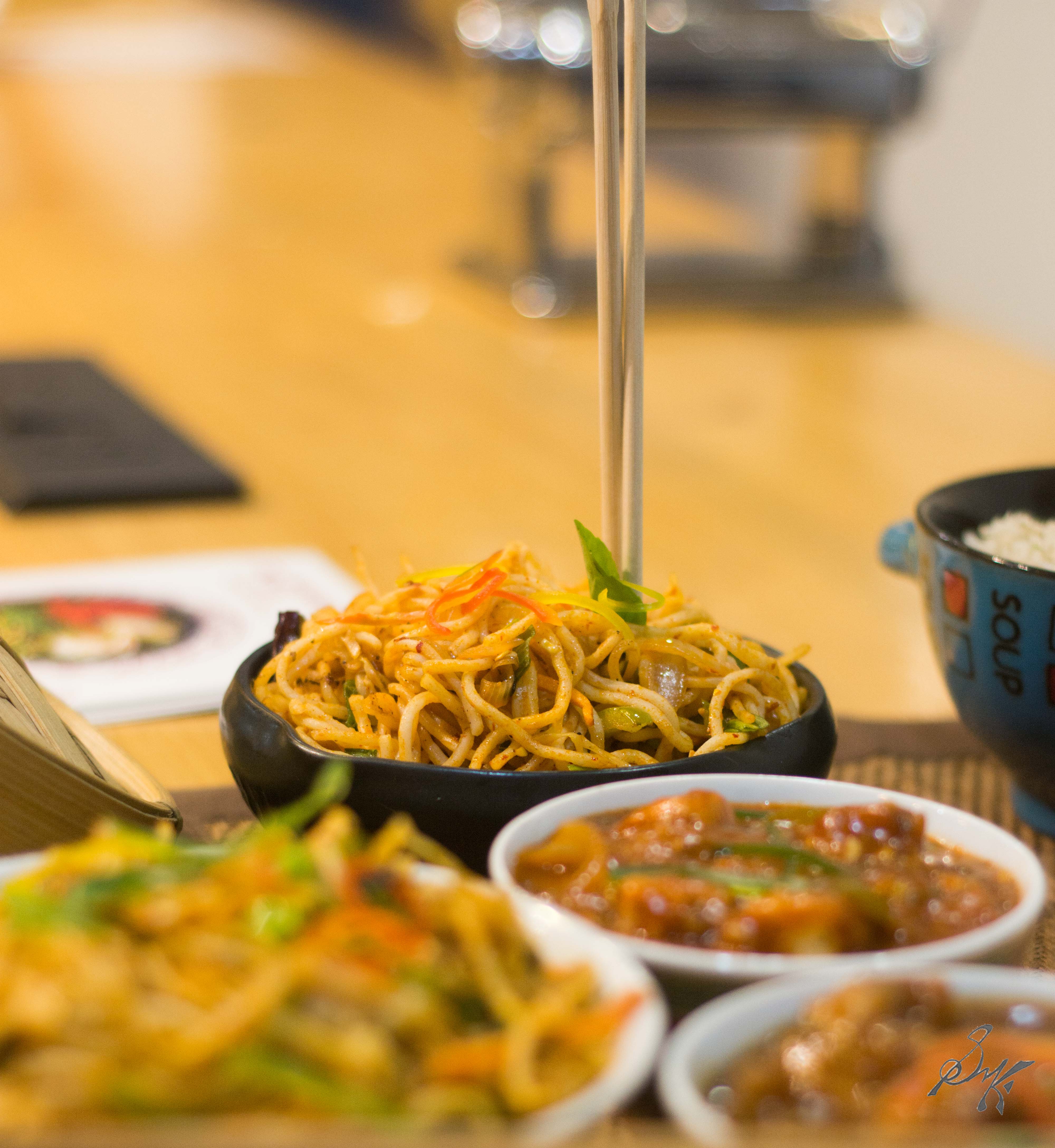
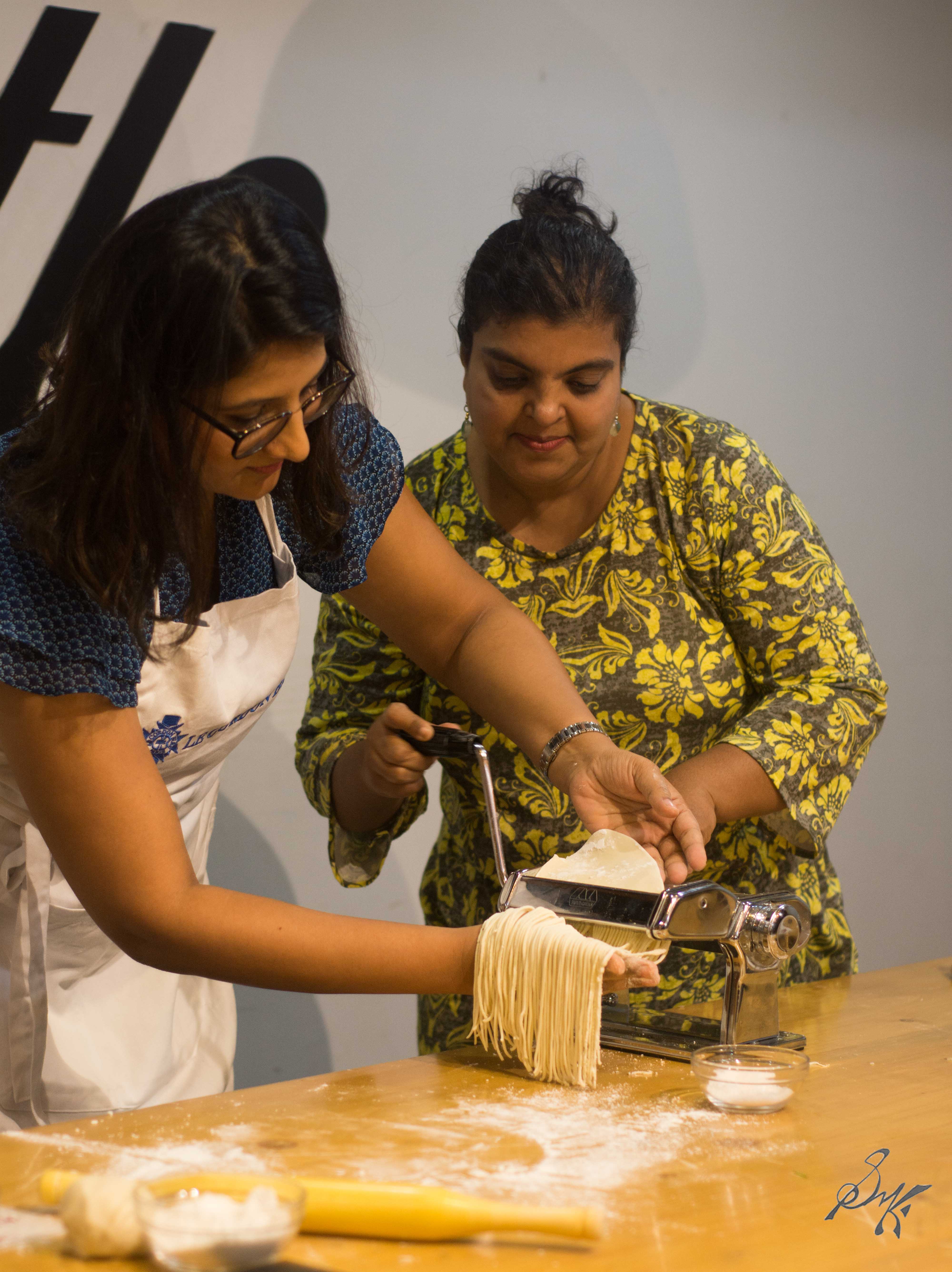
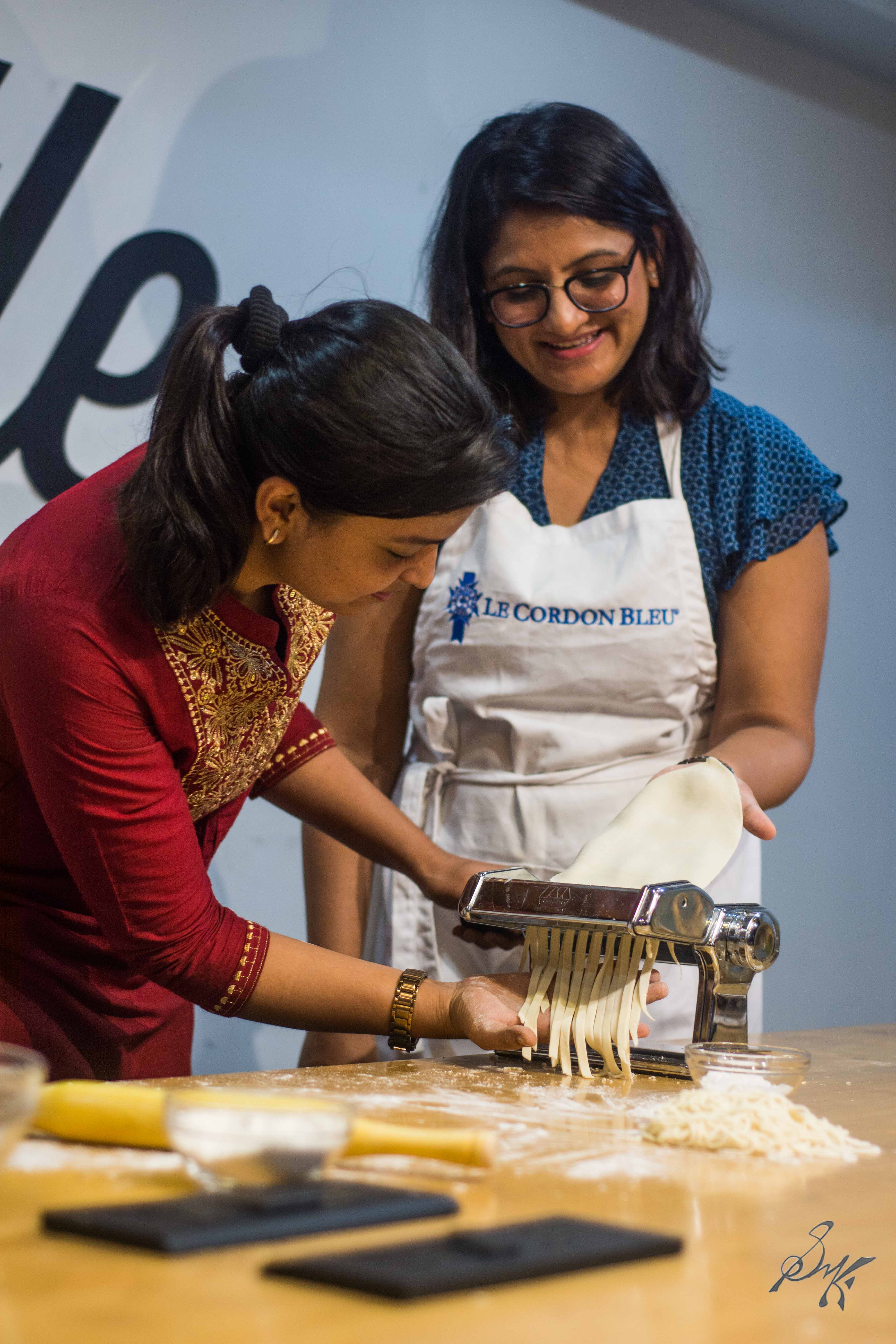
A few weeks ago, I received an email from Faaso’s inviting me to a Noodle Making class. It was straightforward, if I wanted to join in, I was to fill out a form and be at the said location that Saturday. I was not ready to give up on an invitation to free lunch :p
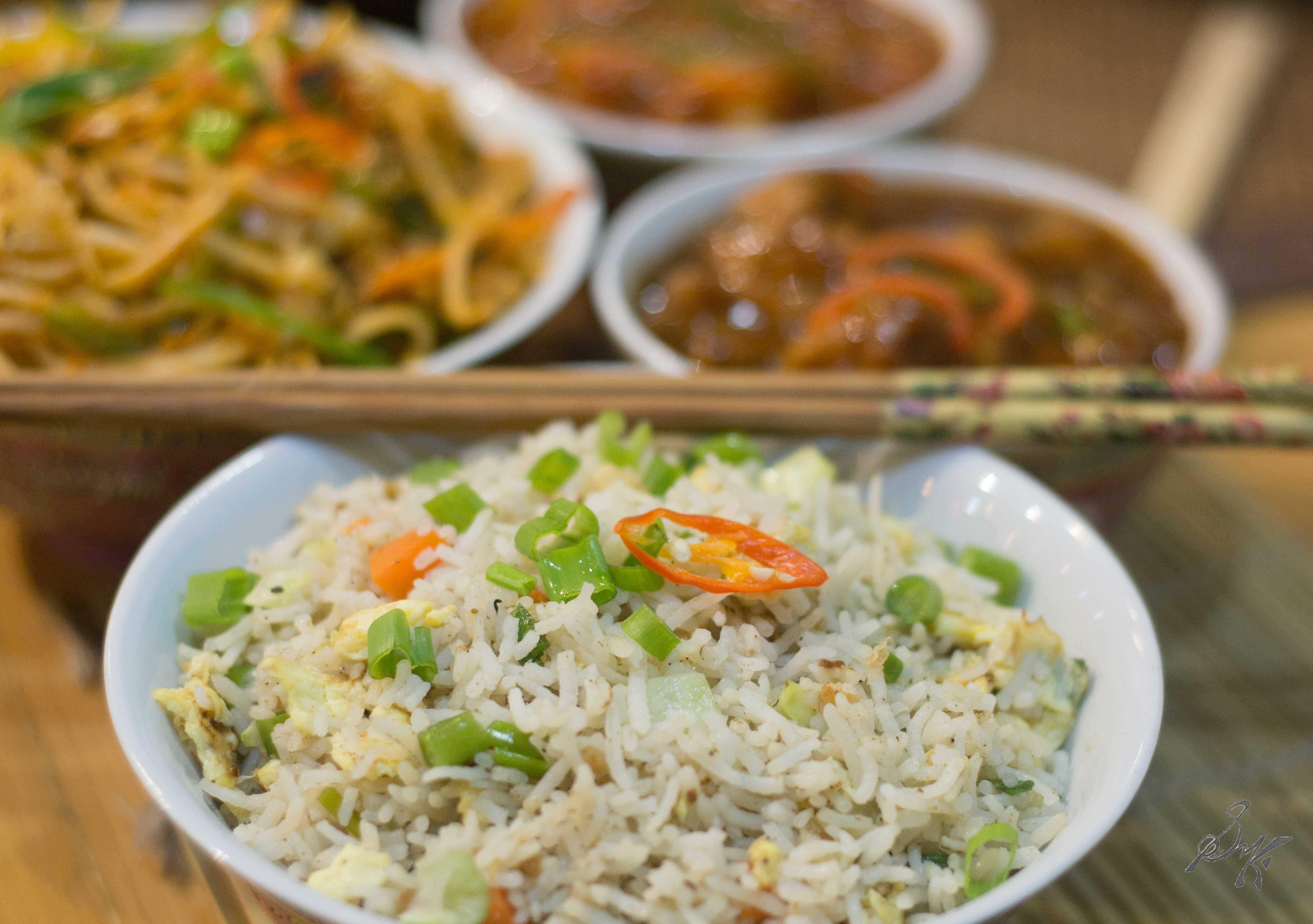
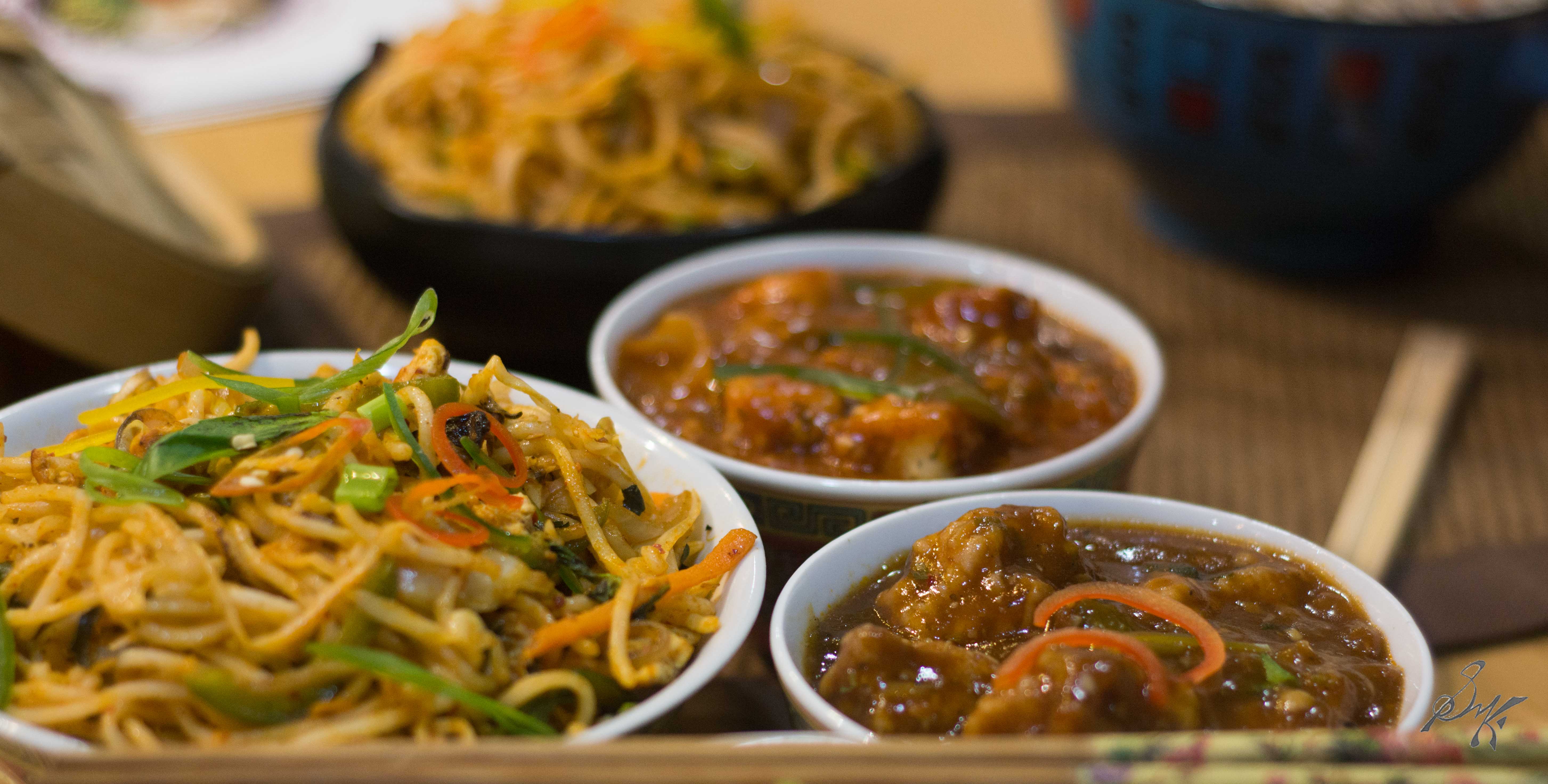
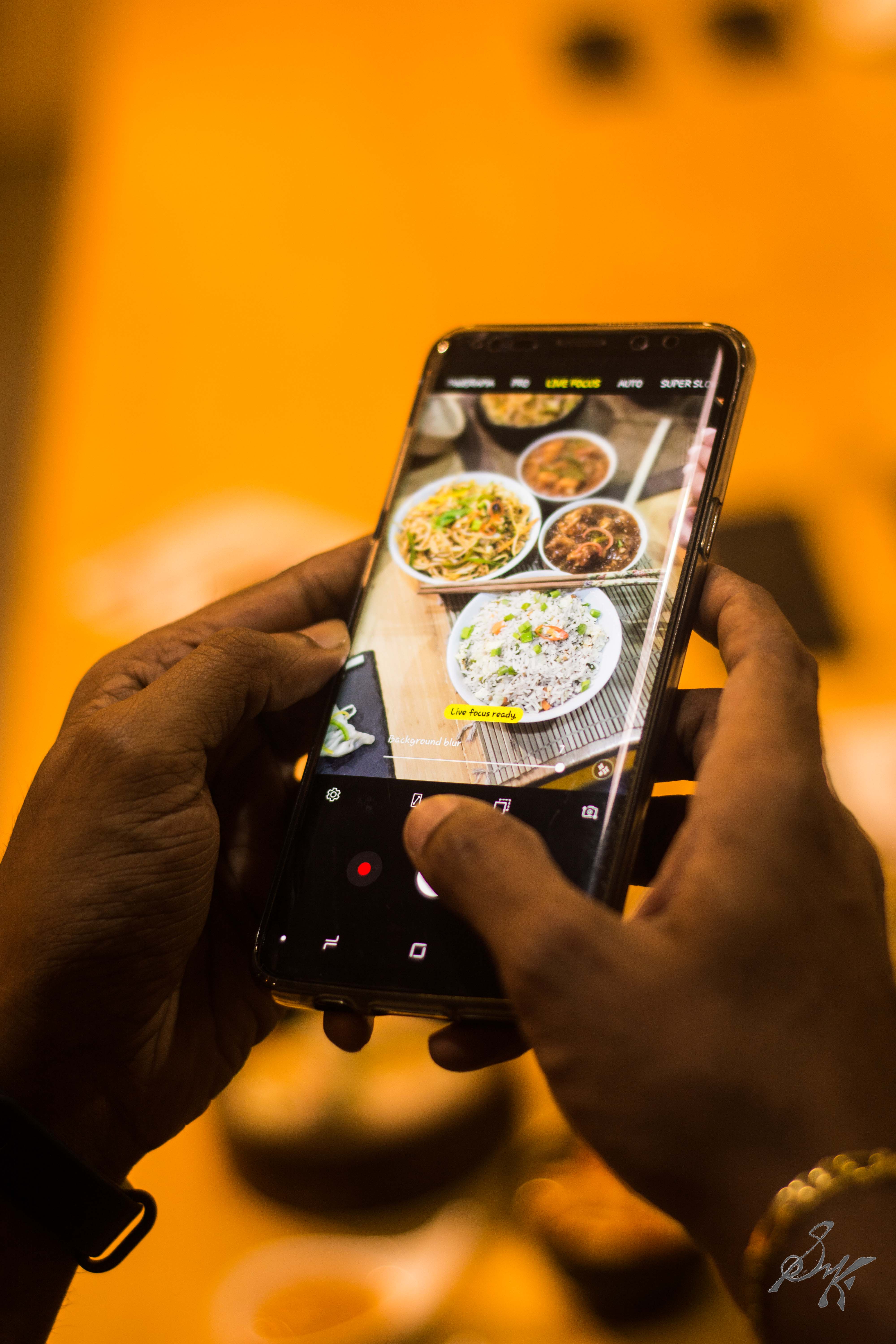
Off course, I had my camera with me while I attended the class, and I was not disappointed by my subjects at all. Behold, snapshots from the amazing noodle making class.
Our trainer for the day was Ms. Nidhi J, who is an amazing lady, a chef and a mompreneur.
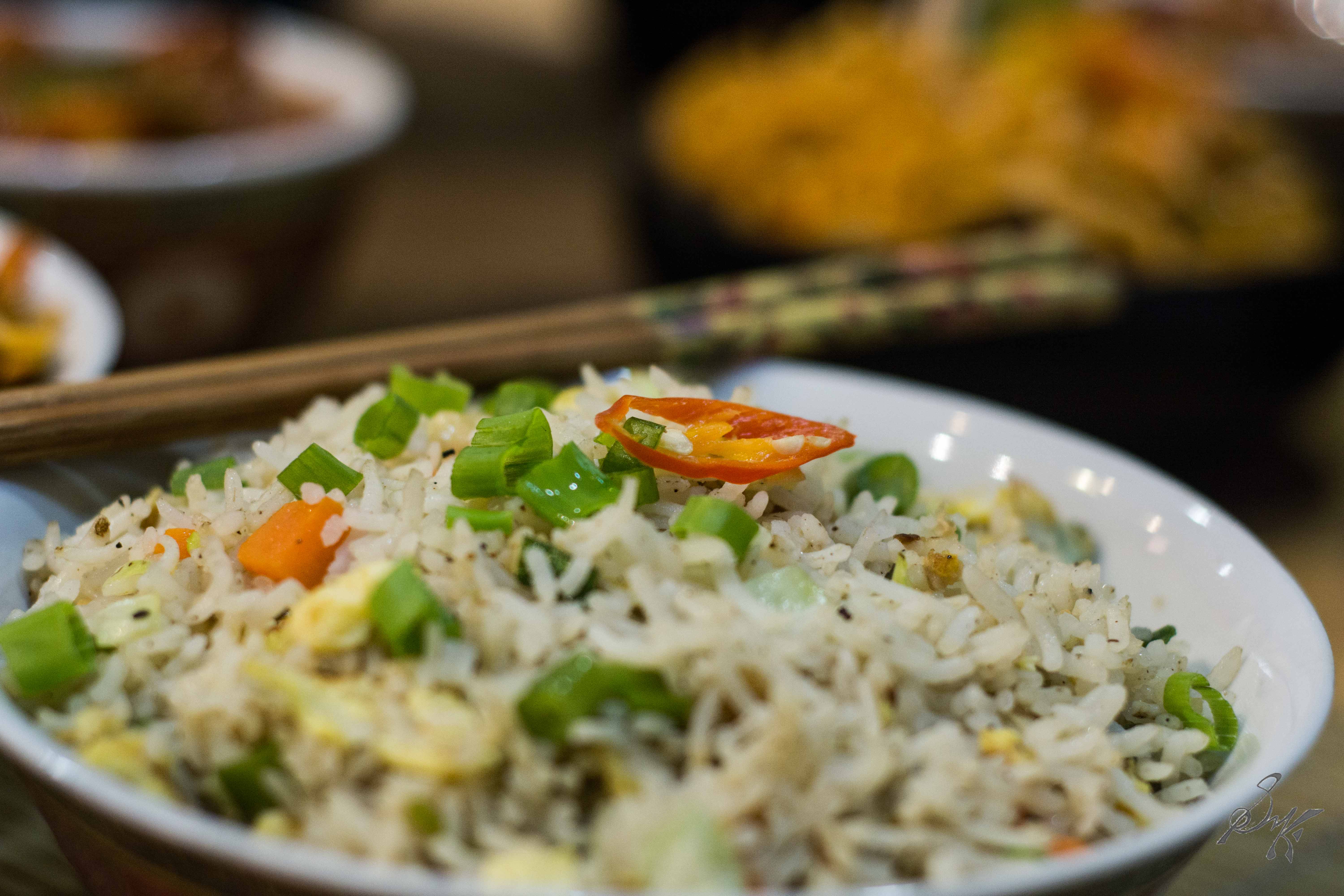
The class ended with us gorging on momos (dimsums), chicken fried rice, chilly chicken and iced tea hosted by the Mandarin Oak. Perks of moonlighting as a reviewer on Zomato 🙂
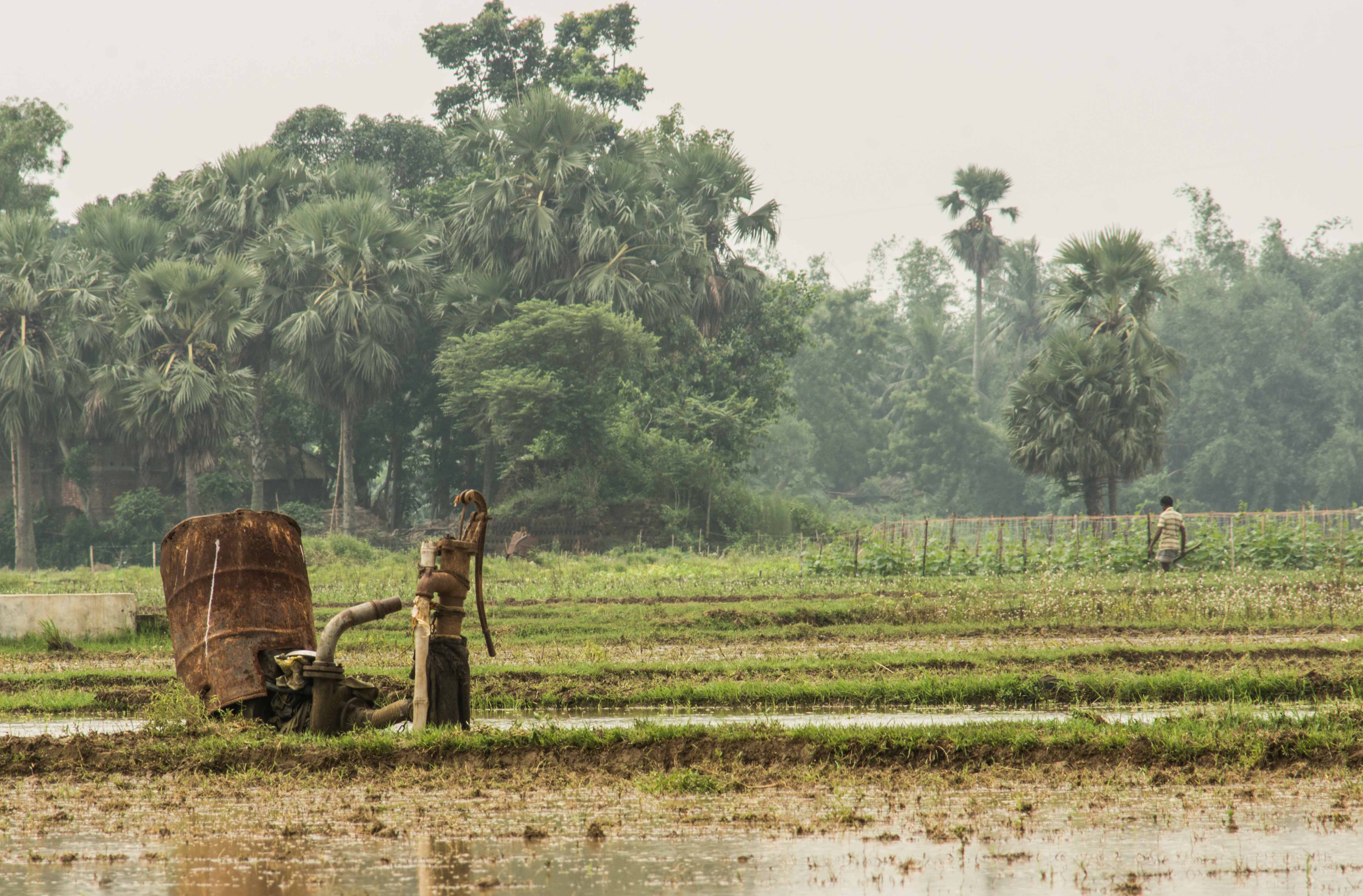
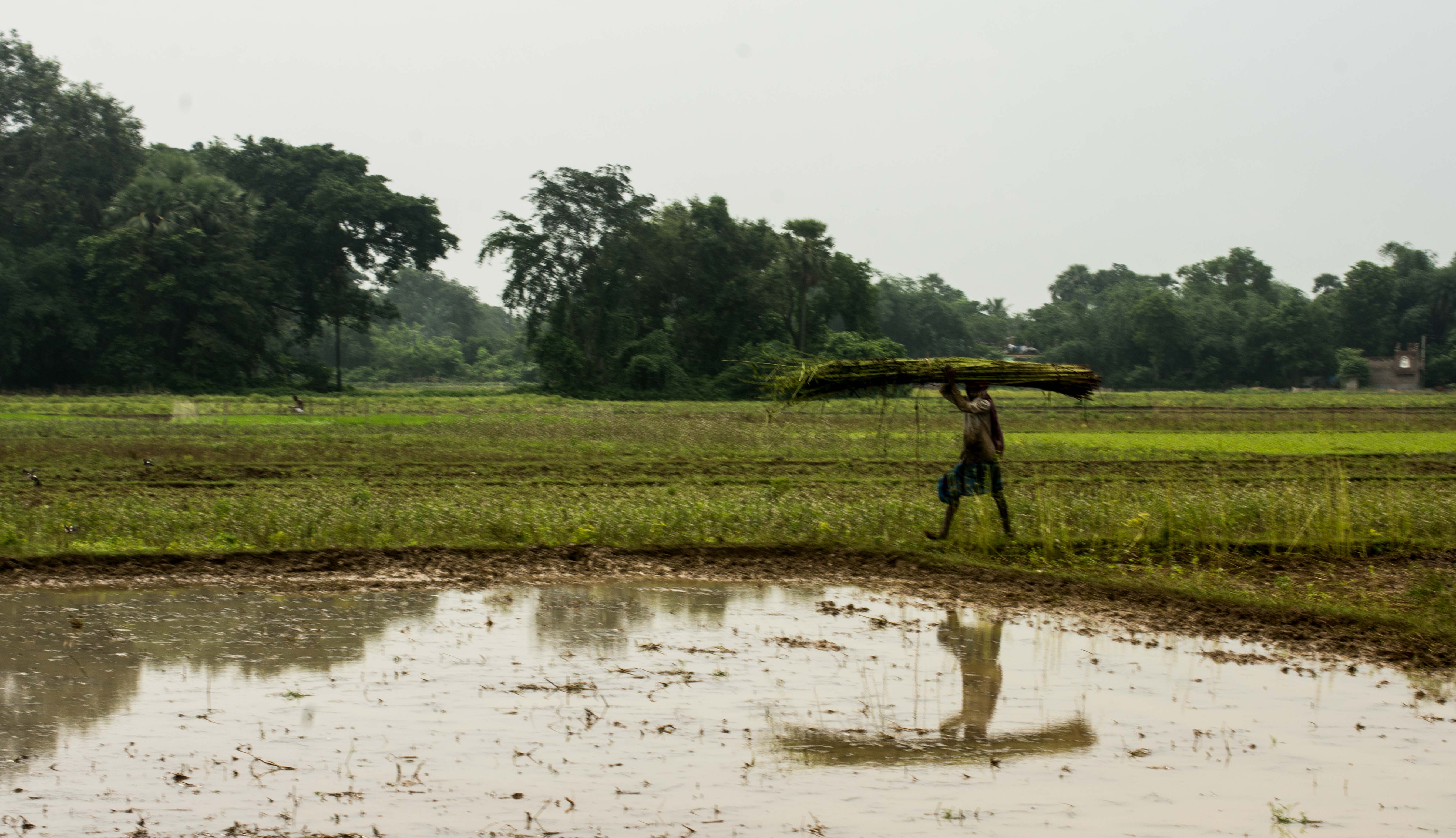
In this post, let me take you to the fields of my village. My village, Birati, is located in Hooghly district in West Bengal, India. Agriculture is still pretty much the mainstay source of income for the majority of the population out there.
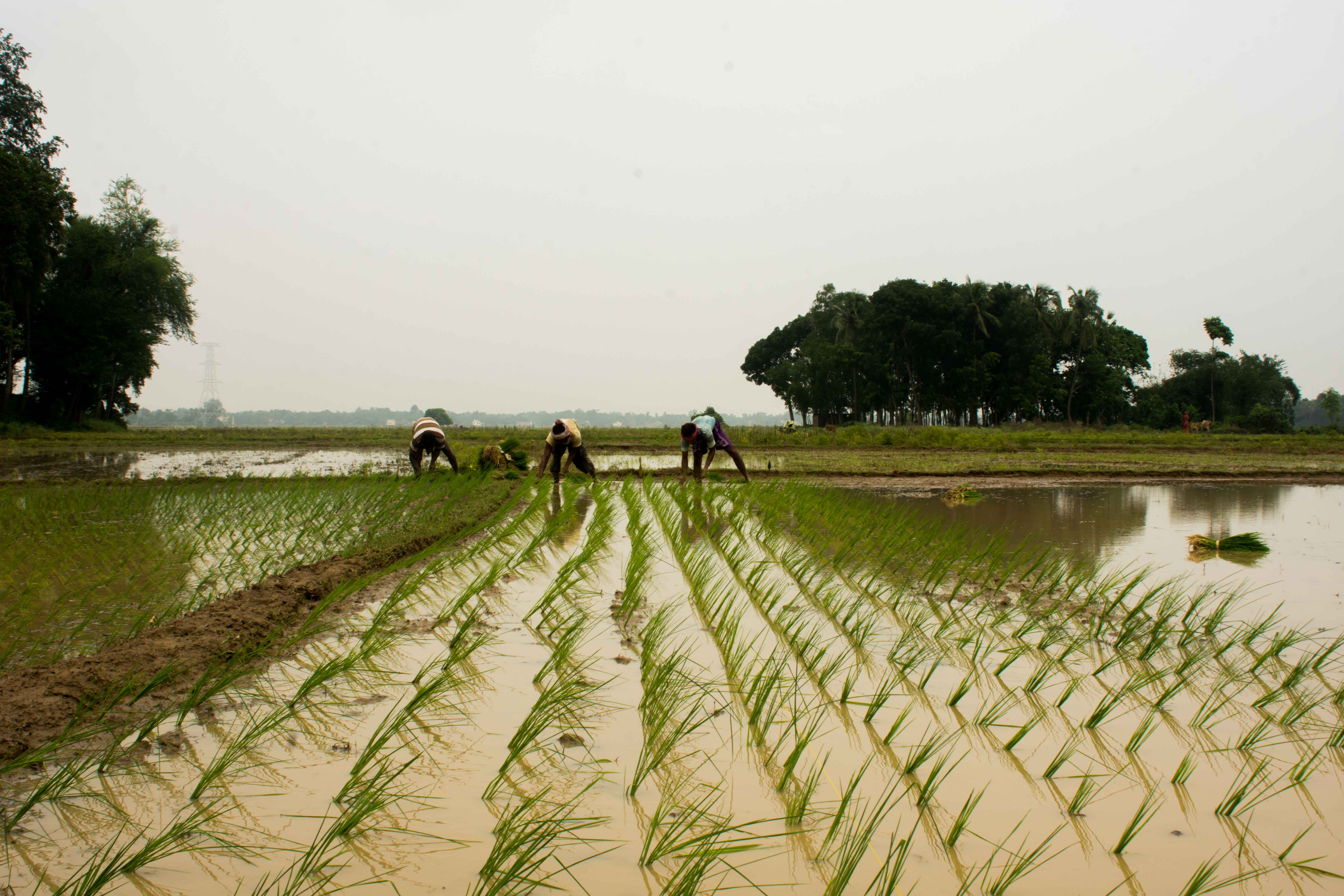
I was there for a couple of days last month, and it was the beginning of the rice plantation season. So, here is what transplantation of paddy looks like. Transplantation is when the saplings of paddy are moved from the nursery where they germinate to the fields where they shall actually grow to become lush green paddy.
In about three months time, these fields will turn golden yellow and the rice plants shall be ready to be cut, sheafed, thrashed, and go on to become edible rice grains. That is also the time around Durga Puja, so, I will be in my village for the same. An update can be expected on this topic. Plus, posts with insights into a Durga Puja at a bengali household shall be up too.
I was at a noodle making workshop lately. While learning how to make noodles, some amazing photo opportunities did come up, and I shall share them here, in the next post. Stay tuned.





























































 TRAVELOGUES AND TREASURES