AtoZ Challenge: PH – L: Lens Distortion

for Lens Distortion

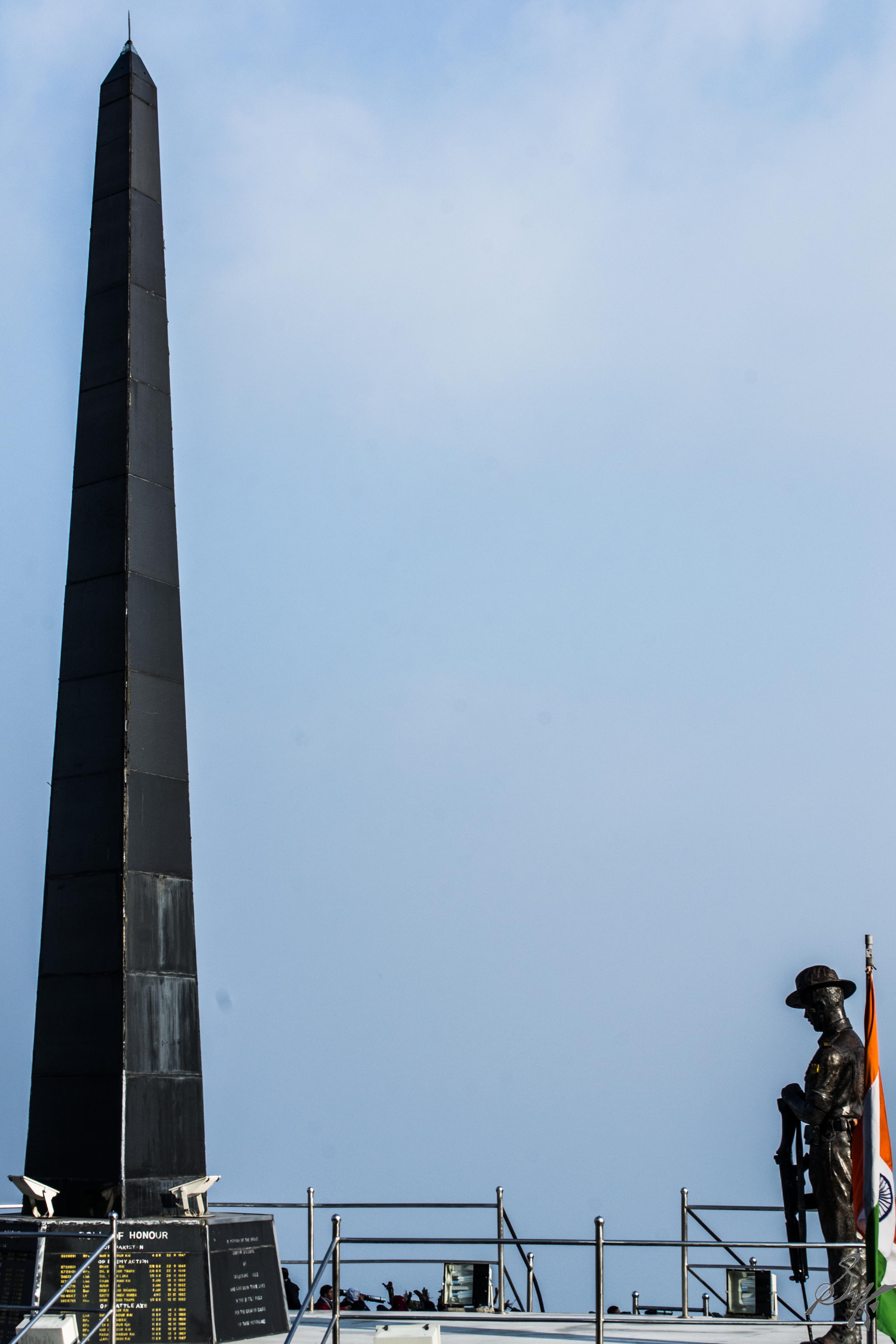
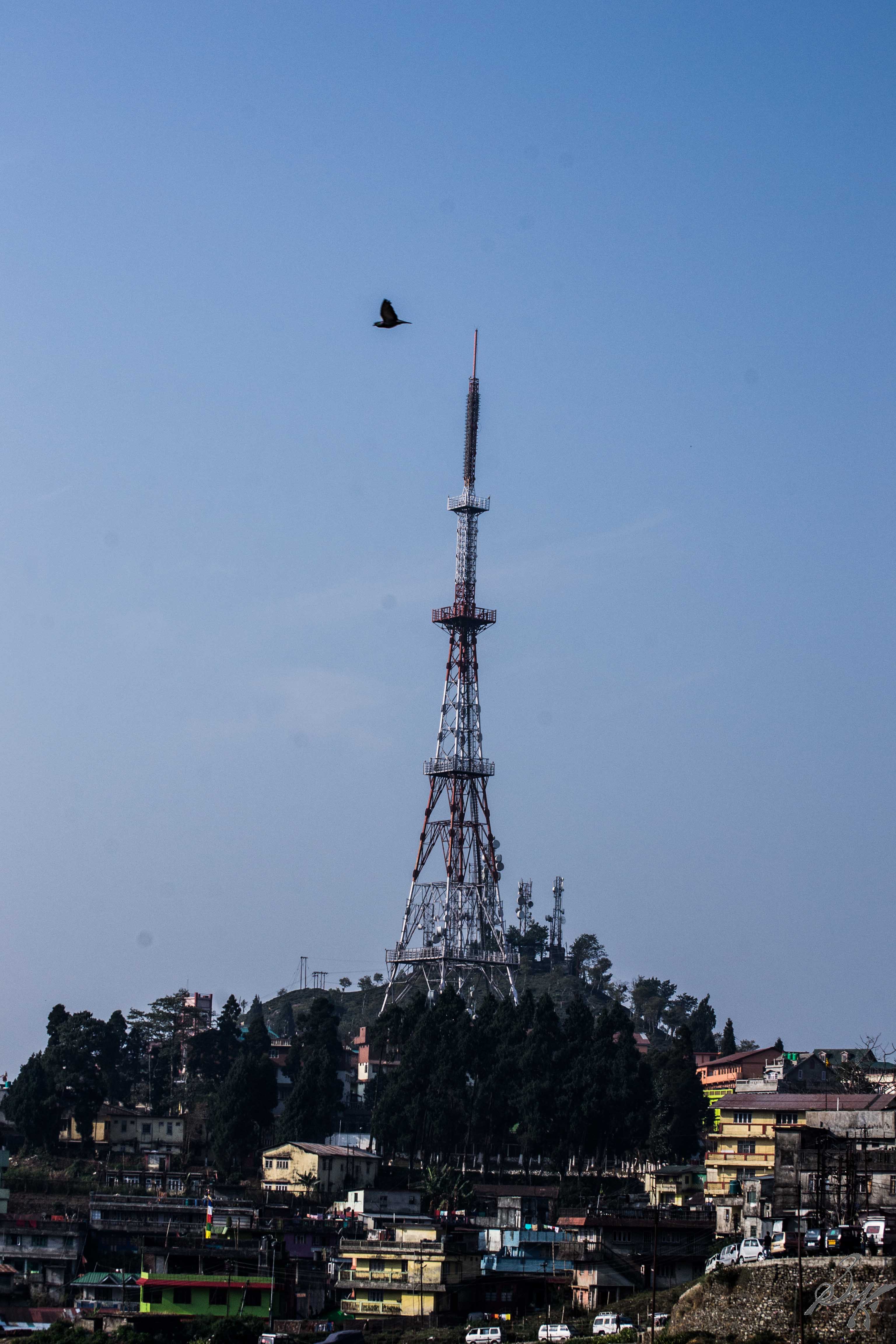
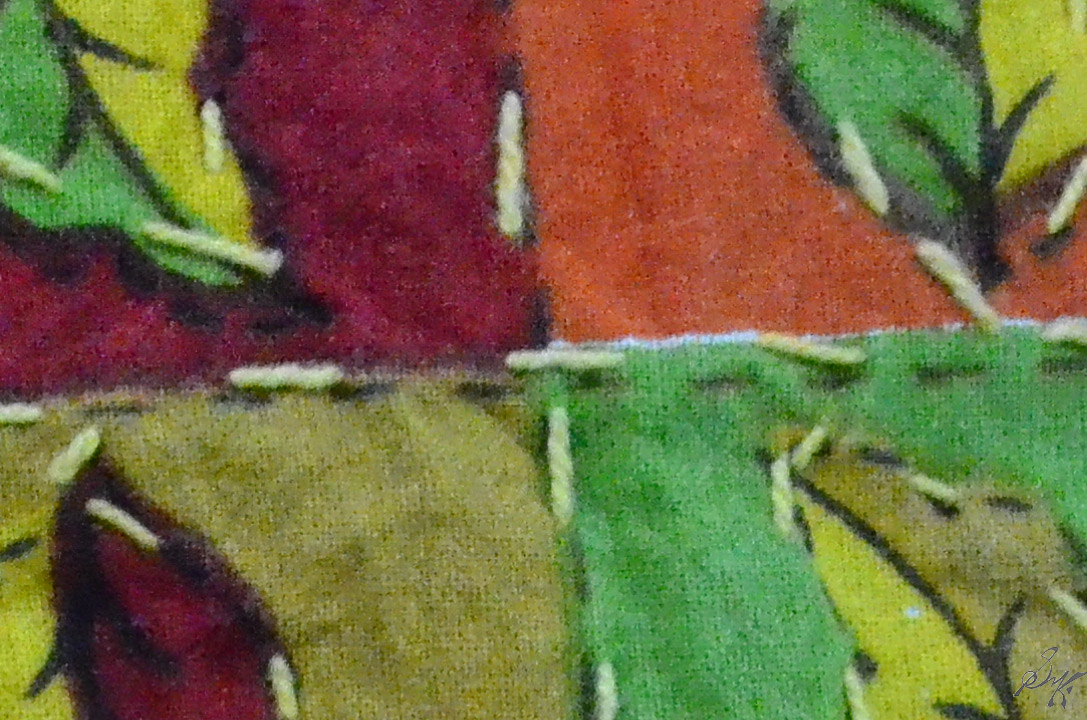
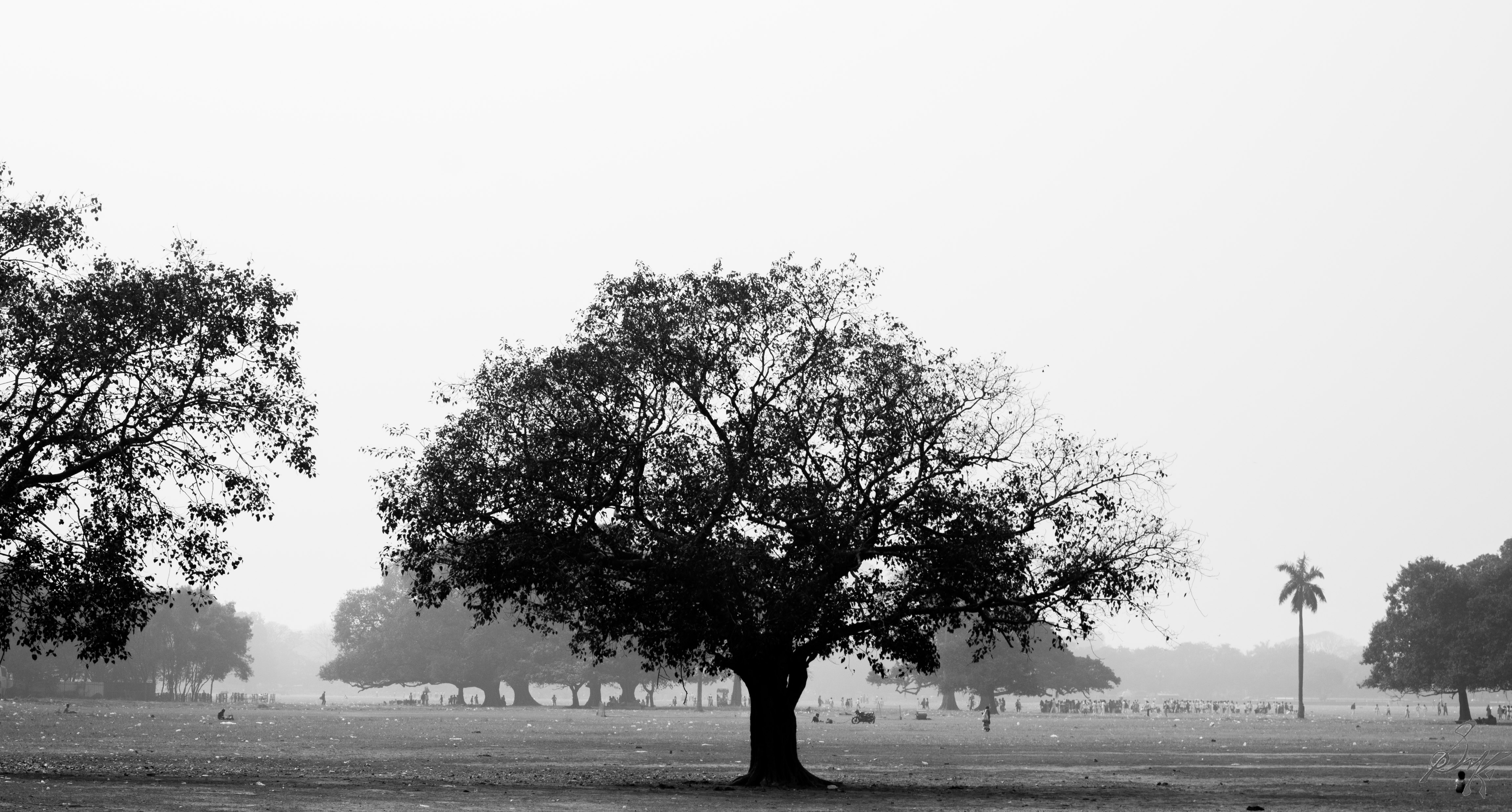
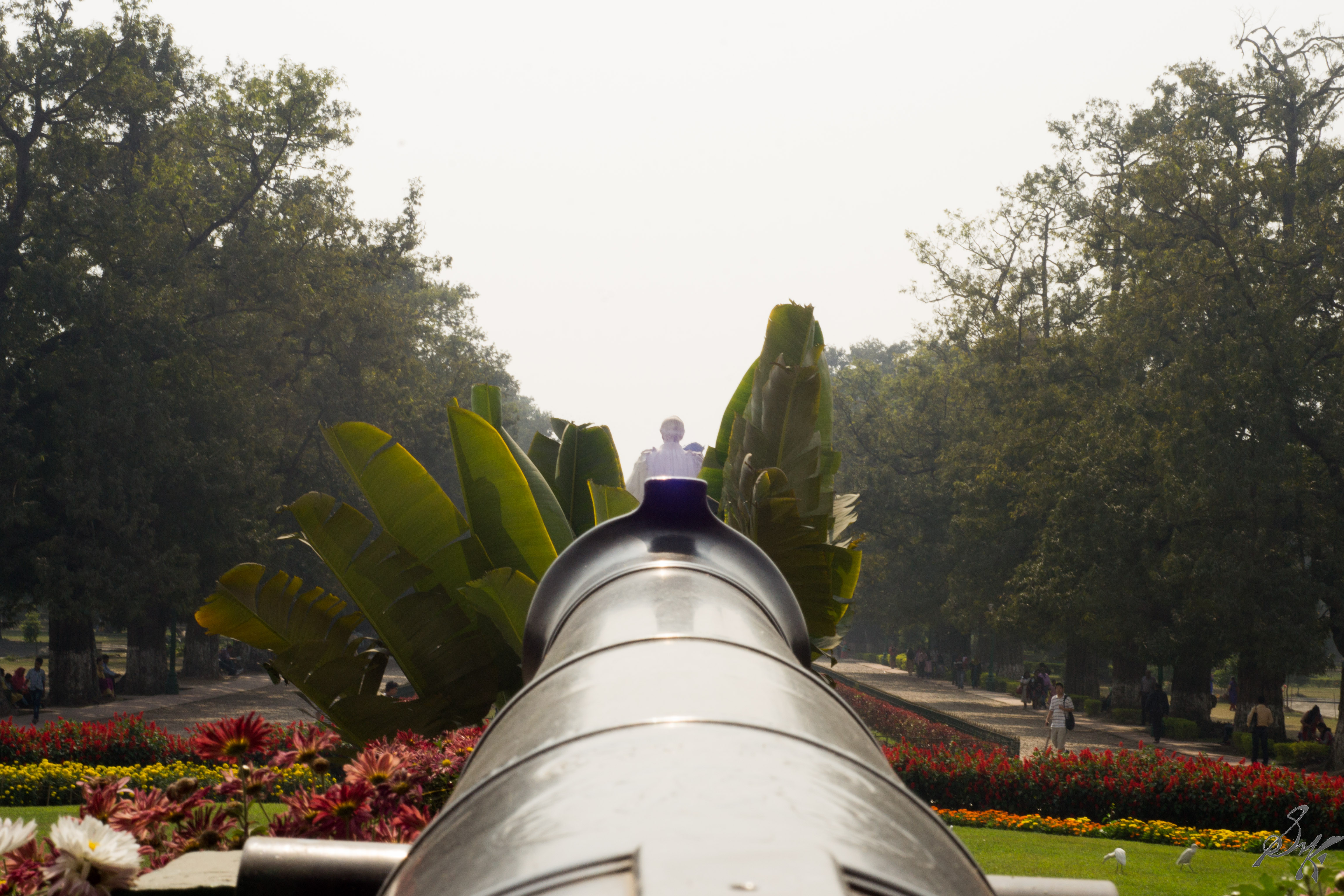
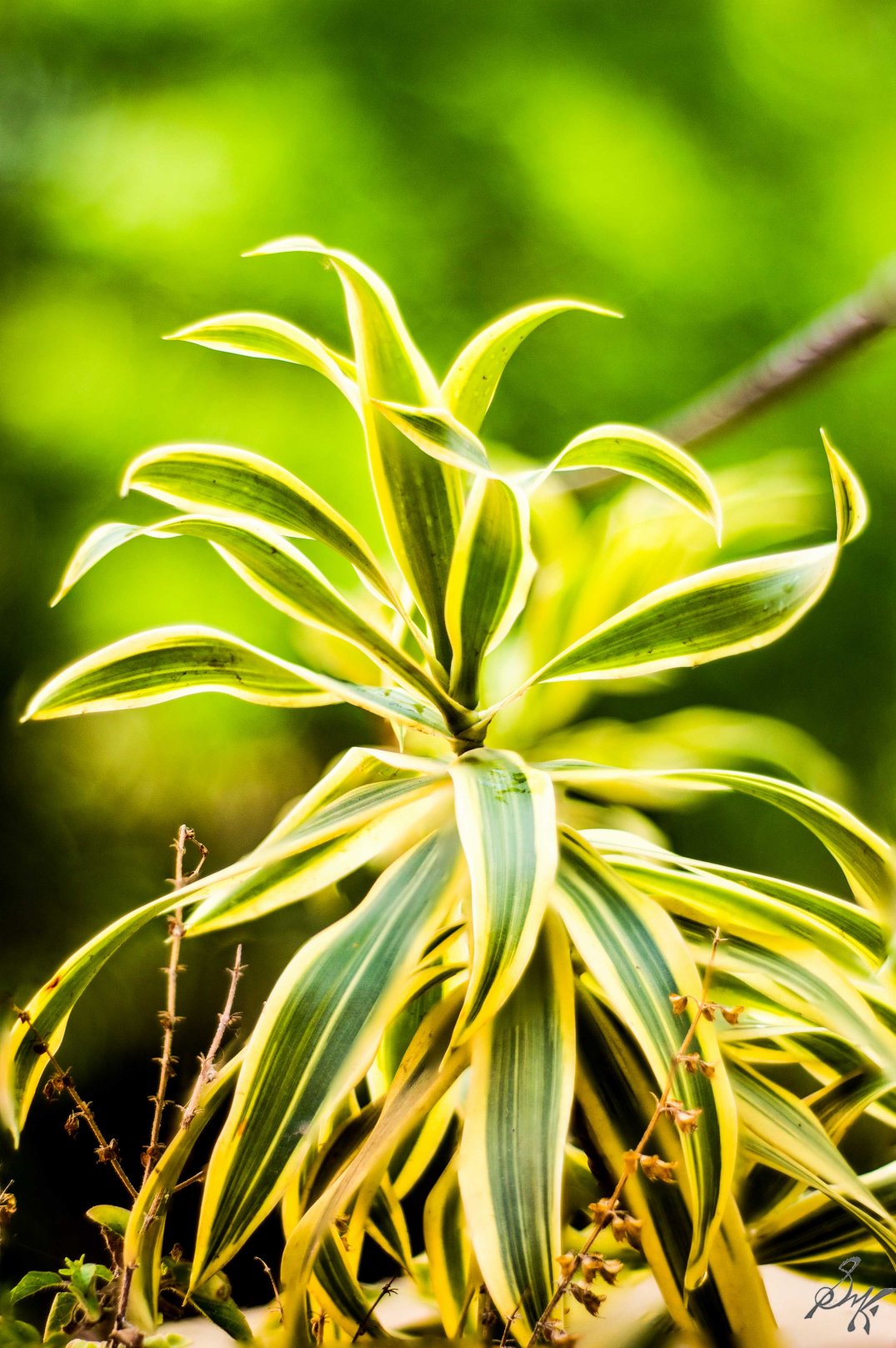
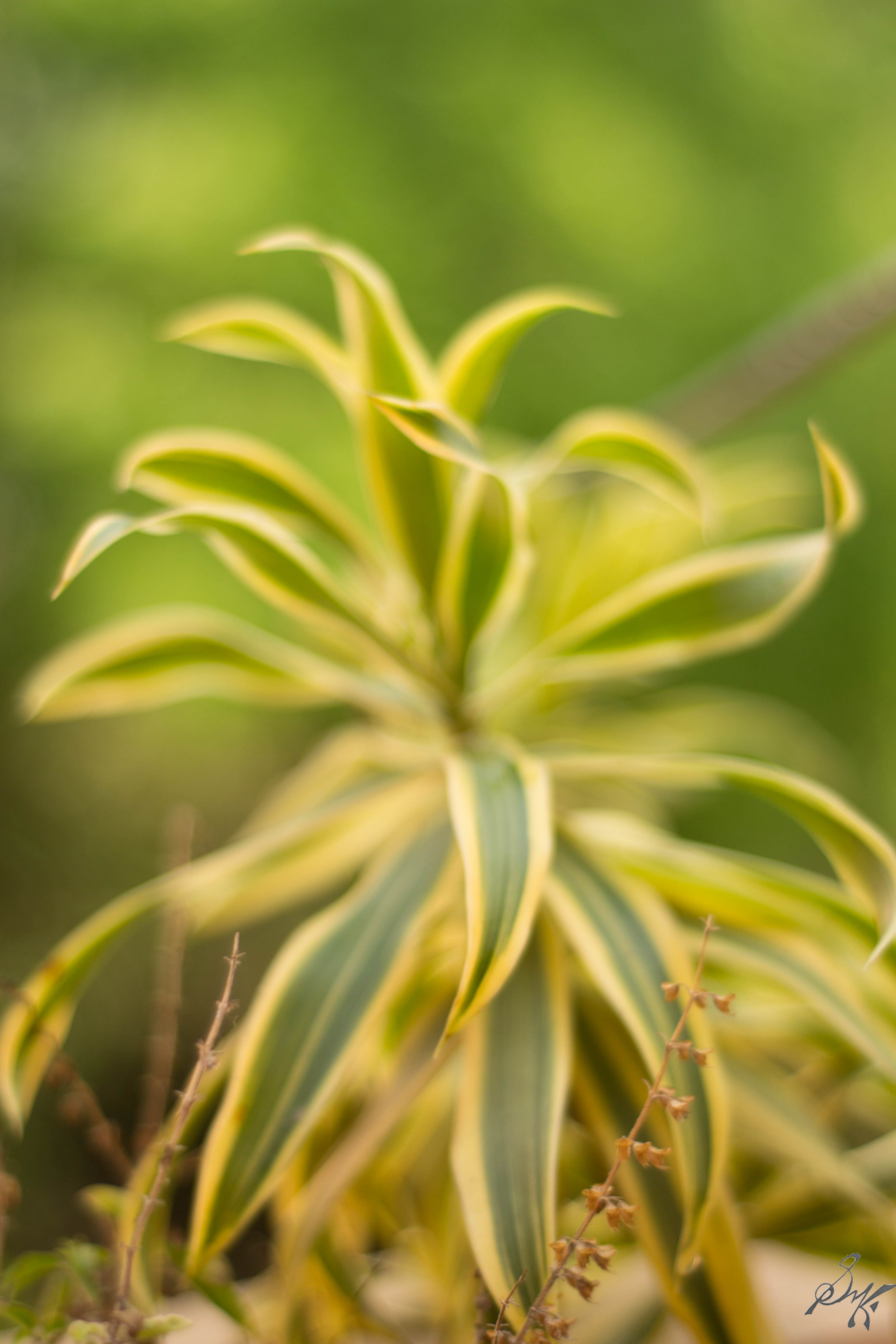
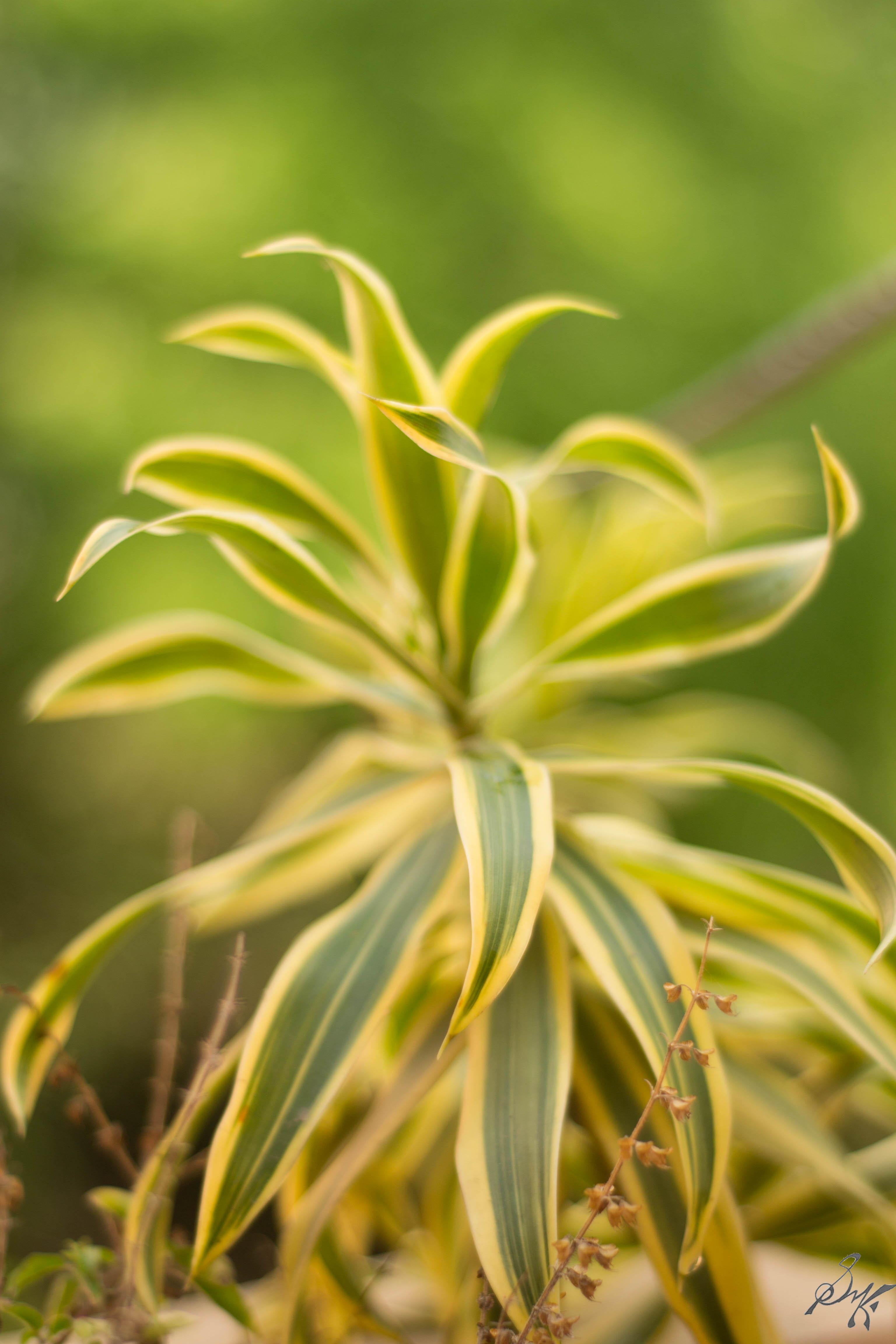
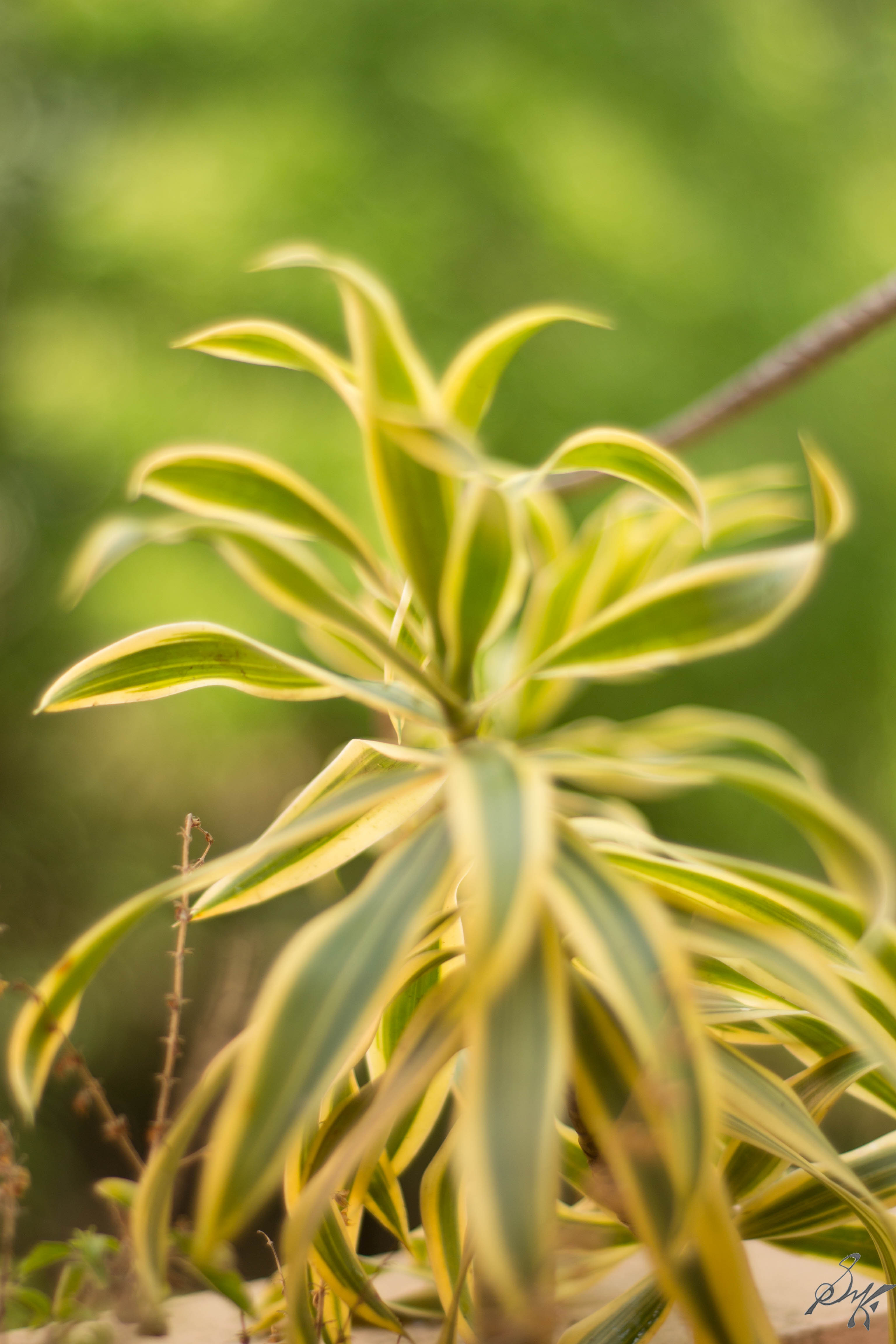
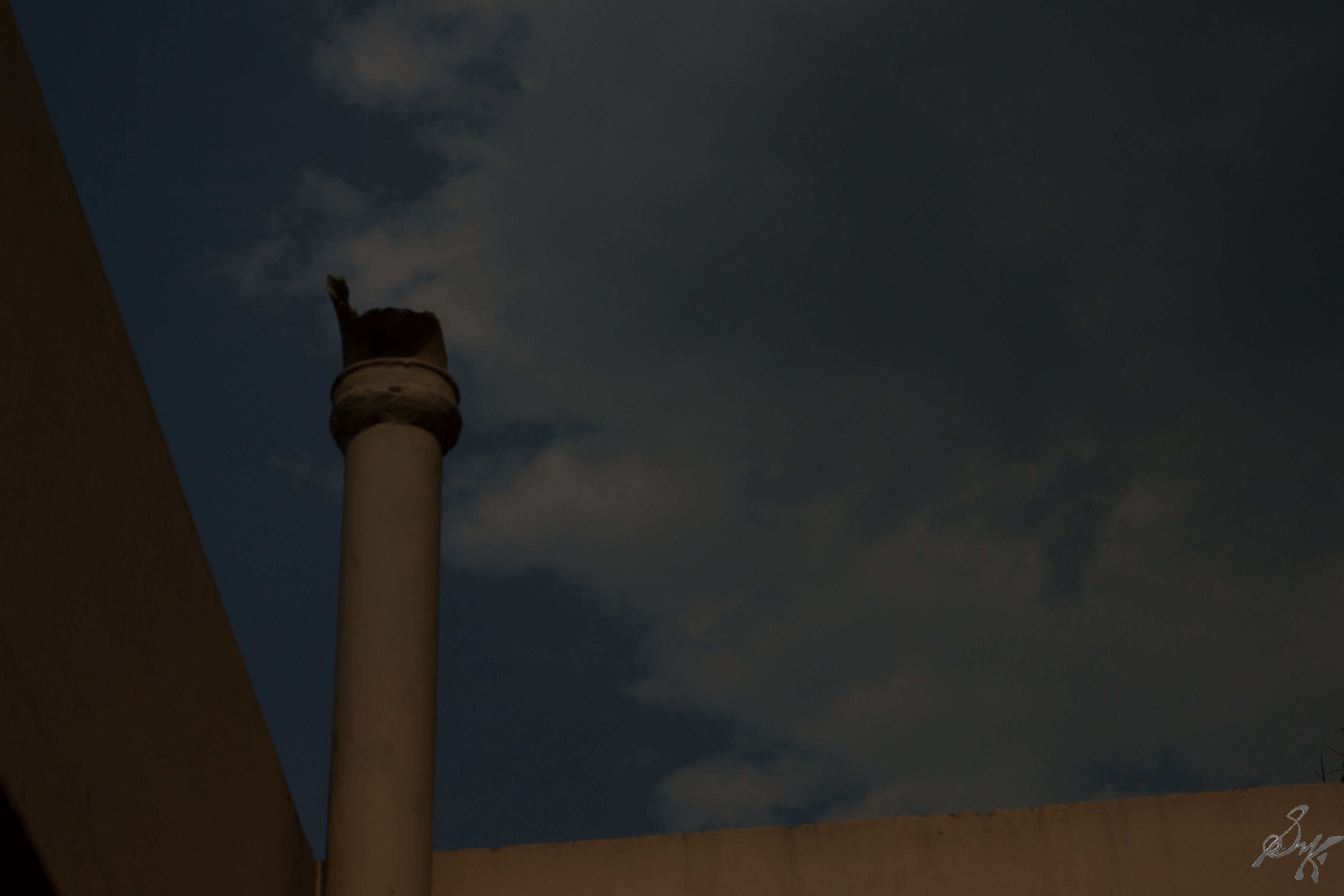
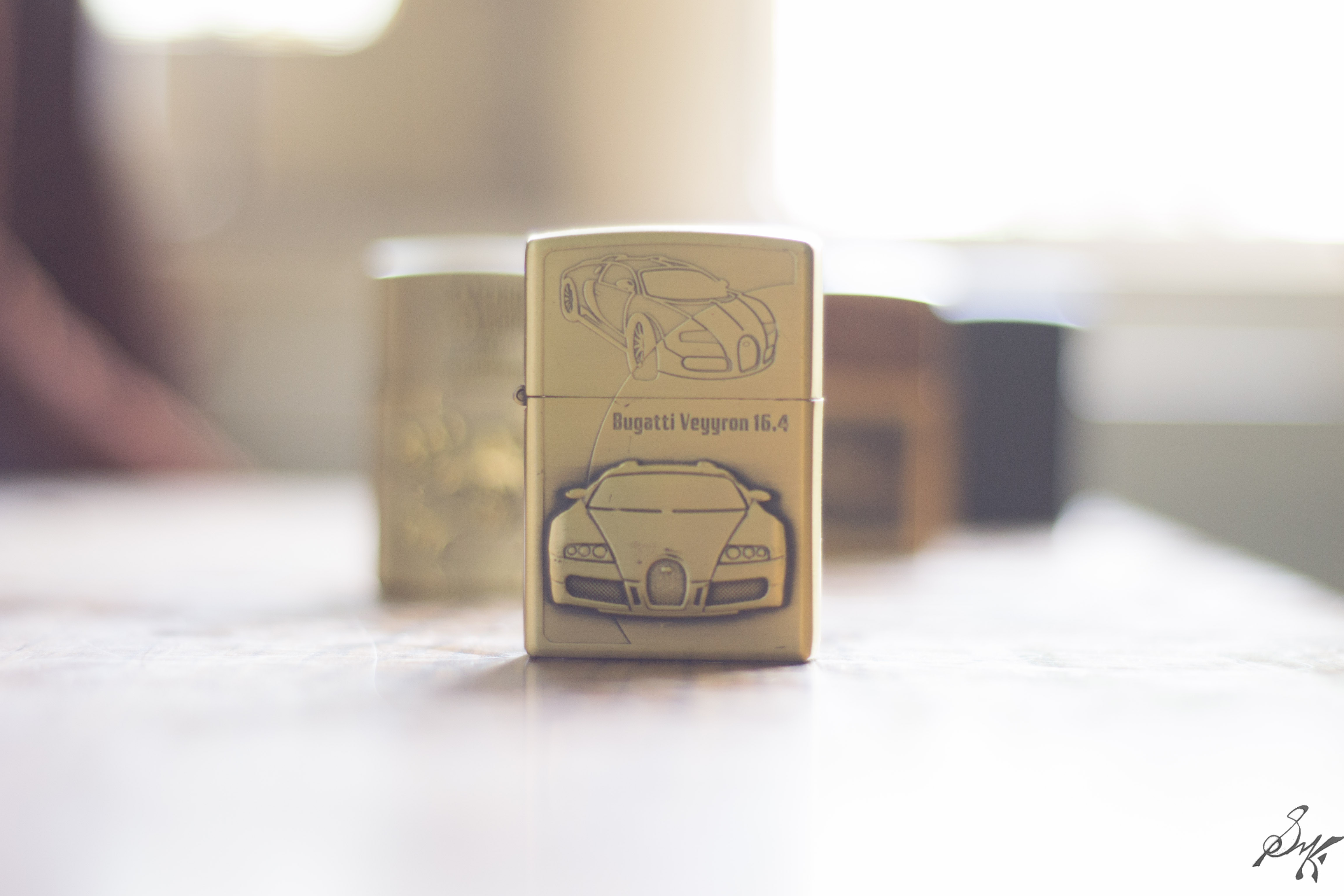
The lens refract light and hence certain amount of distortion is introduced. It might be in terms of picture quality, or changes in shape. Common are, barrel distortion and vignetting.
Barrel Distortion is where the photos bulge near the mid of the frame. Its pretty common, but less noticeable in the fixed focus lens.
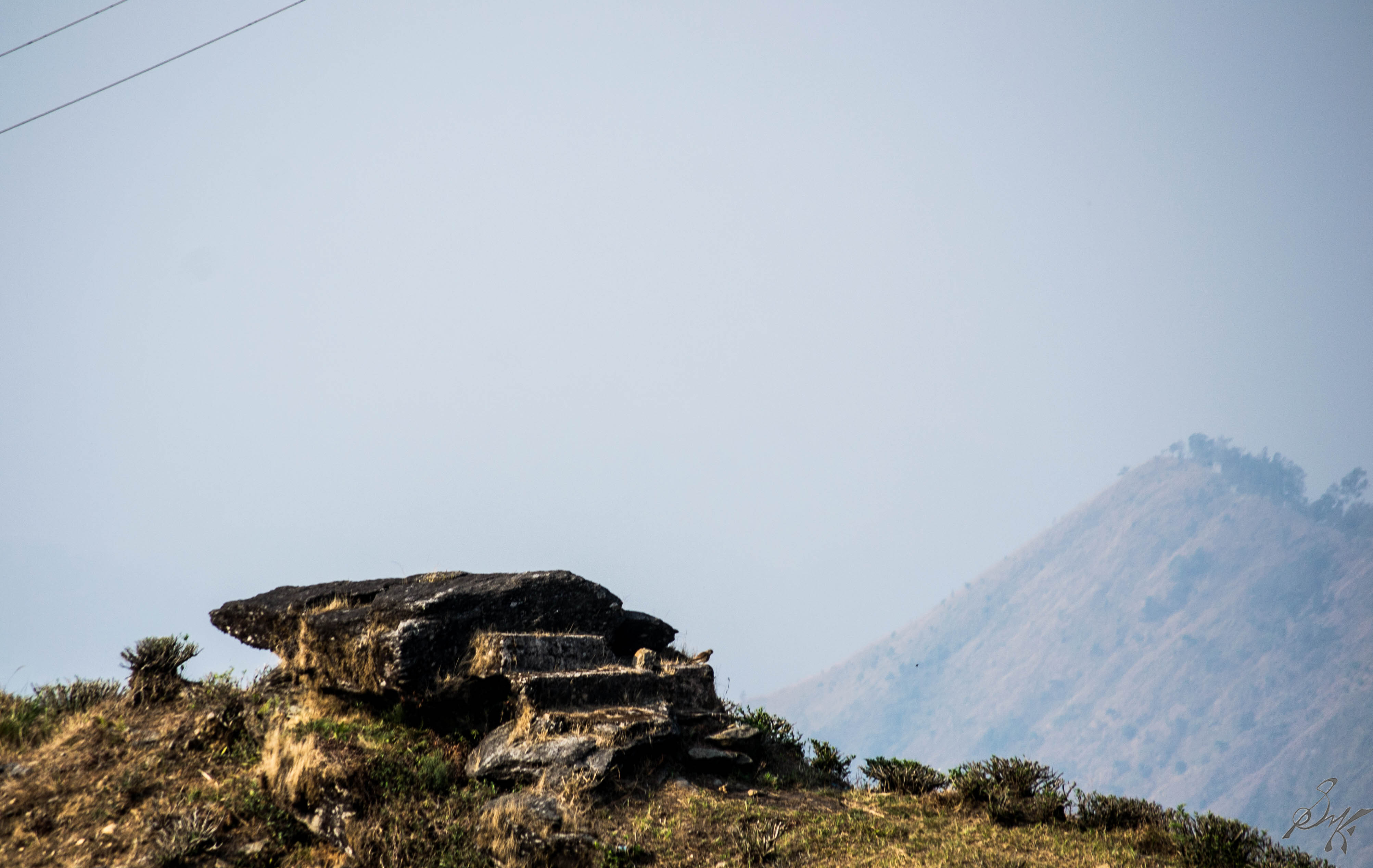
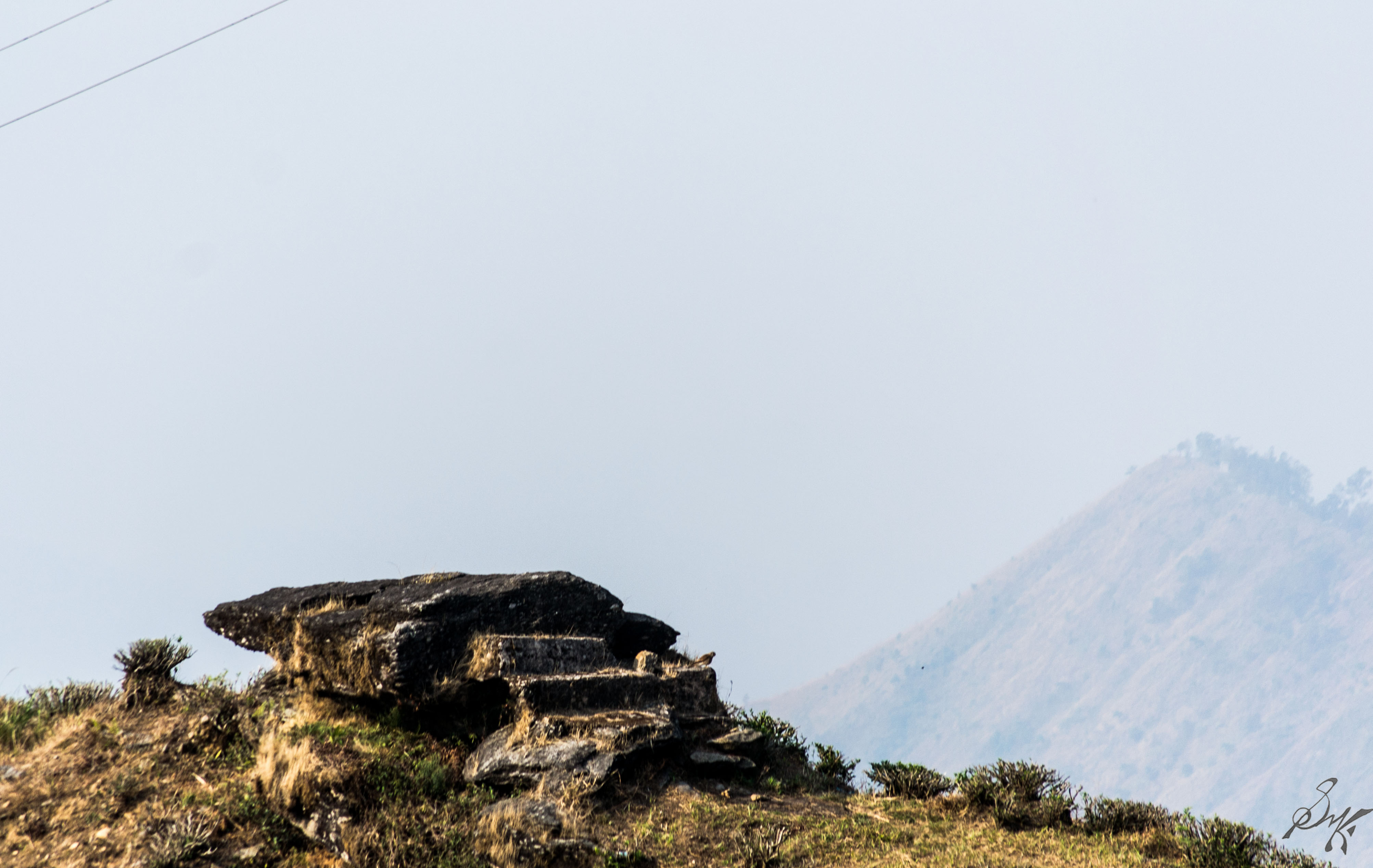
Vignetting, is when the edges of the photo become dark. In some cases, it adds a bit of drama but, it is still a lens issue.

Often, these are corrected by introducing appropriate lens information corrections during post processing.

Viewing full-screen helps 🙂

 DSC_2696-3 DSC_2696-3-2

 DSC_2338-2 DSC_2338-2-2

 DSC_2314-1 DSC_2314-1-2

This is a part of April AtoZ Challenge. Letters from A to K are completed, view them here.

Cheers!!
AtoZ Challenge: PH – K: Kelvin

for Kelvin(Colour Temperature)

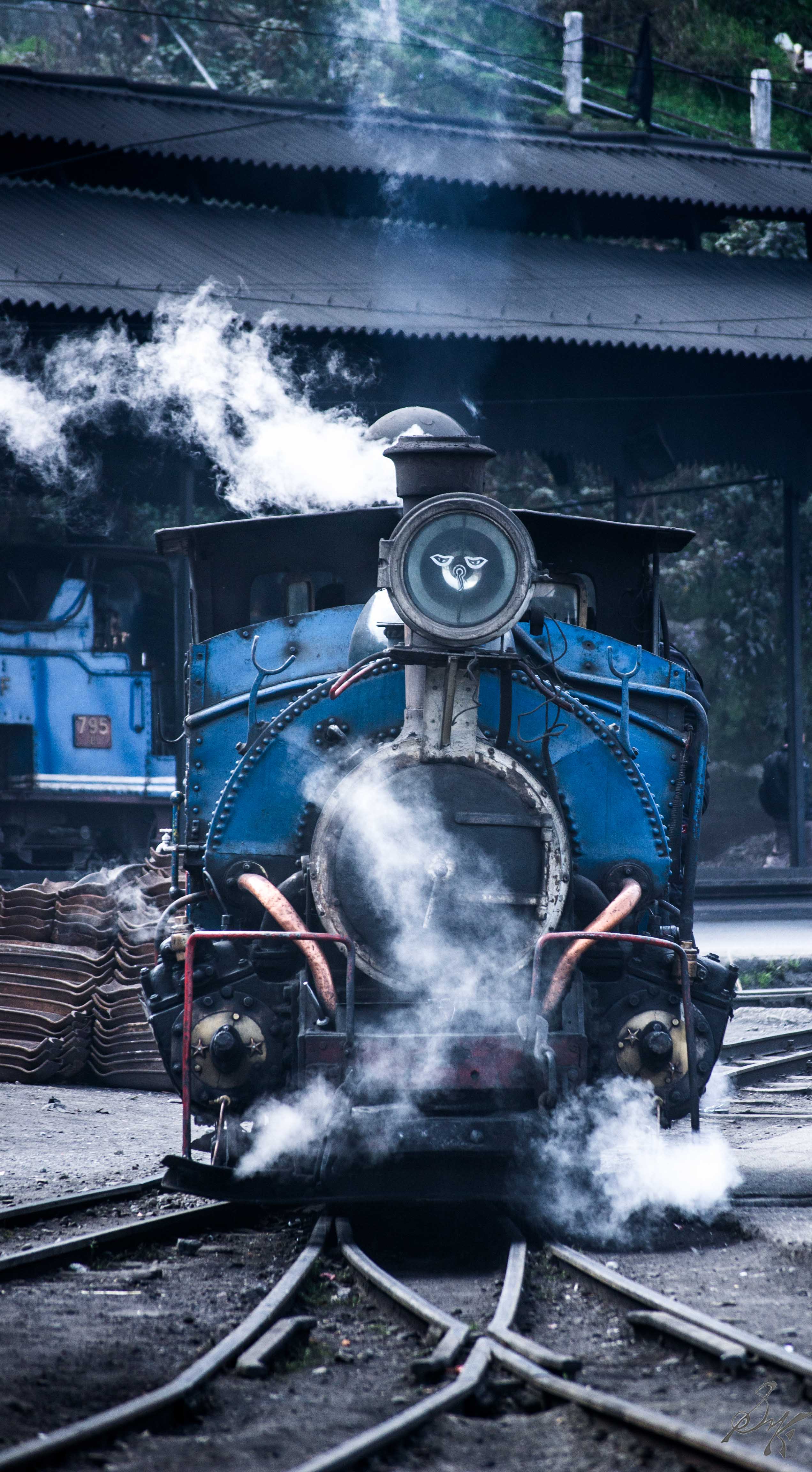
Yes, photographs also have a temperature aspect to them. They are judged with respect to which part of the spectrum the light might correspond and at what temperature of emission. What it means to me, I got another setting to fiddle with and tweak to my whim. Generally, changing the temperature, makes the photo appear more cooler or warmer. Cooler, being a bluish shade and warmer being the orange-yellowish shade. I use it to calibrate the white balance in my photos mostly. And yeah, shooting in RAW, helps a lot.

 DSC_a-2384-2  DSC_a-2384-3

This is a part of April AtoZ Challenge. A, B, C, D, E, F, G, H, I, J, K are done. Check them out.

Cheers!

Rise Up, Stay Afloat and Fly Away

Somehow, my original post, was lost. It has all the trails, and end up in a “Page Not Found” page. But hey, am not cool with that. So, Afloat, this is how I see it.

In my grand view of life, I feel there are three phases. Rise up, stay afloat and finally fly away. Each will have its own merits and to achieve them, will have its own set parameters. The journey is tough and no doubt, arduous too, but once we manage to consolidate, no stopping anymore.

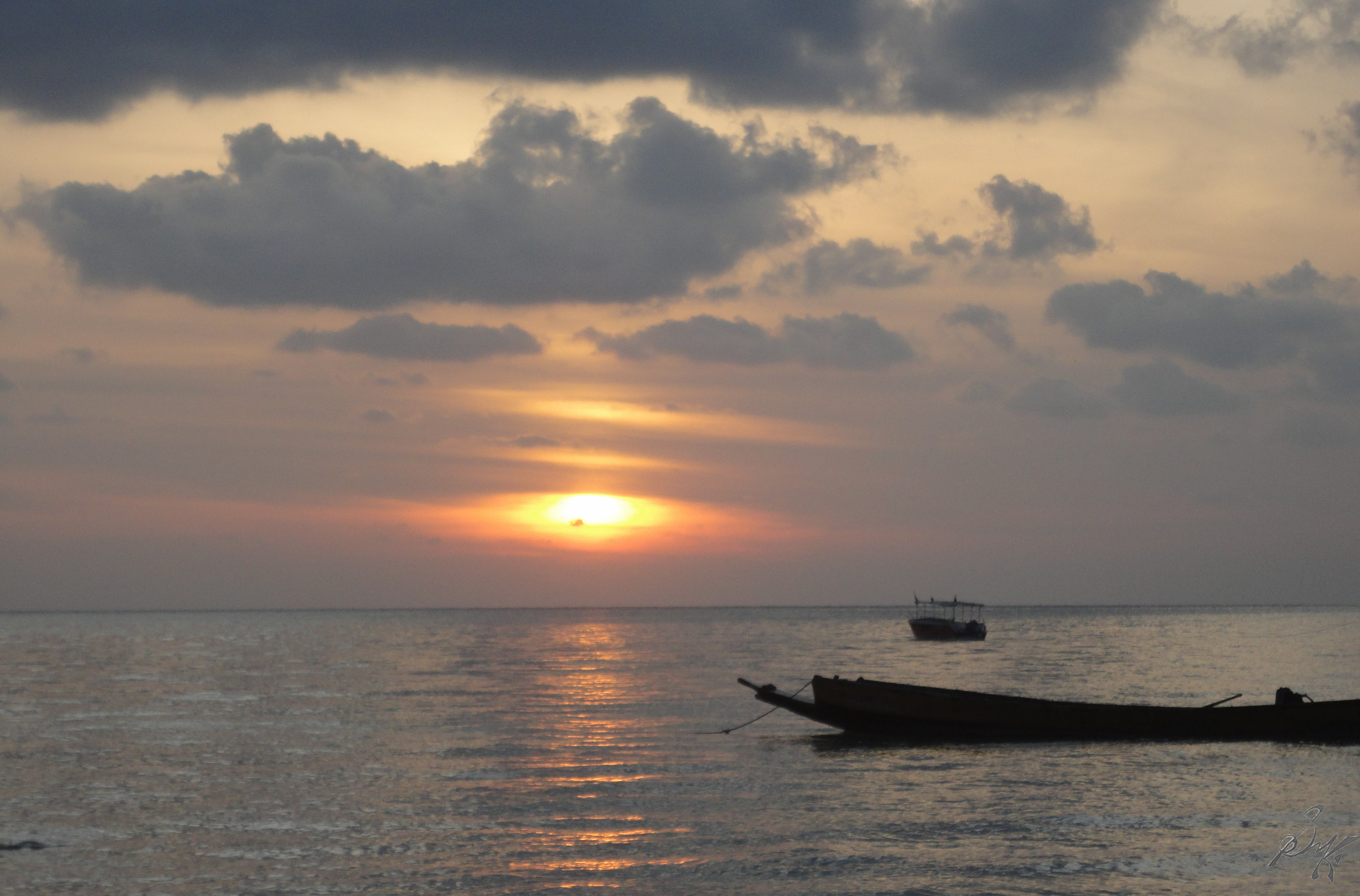
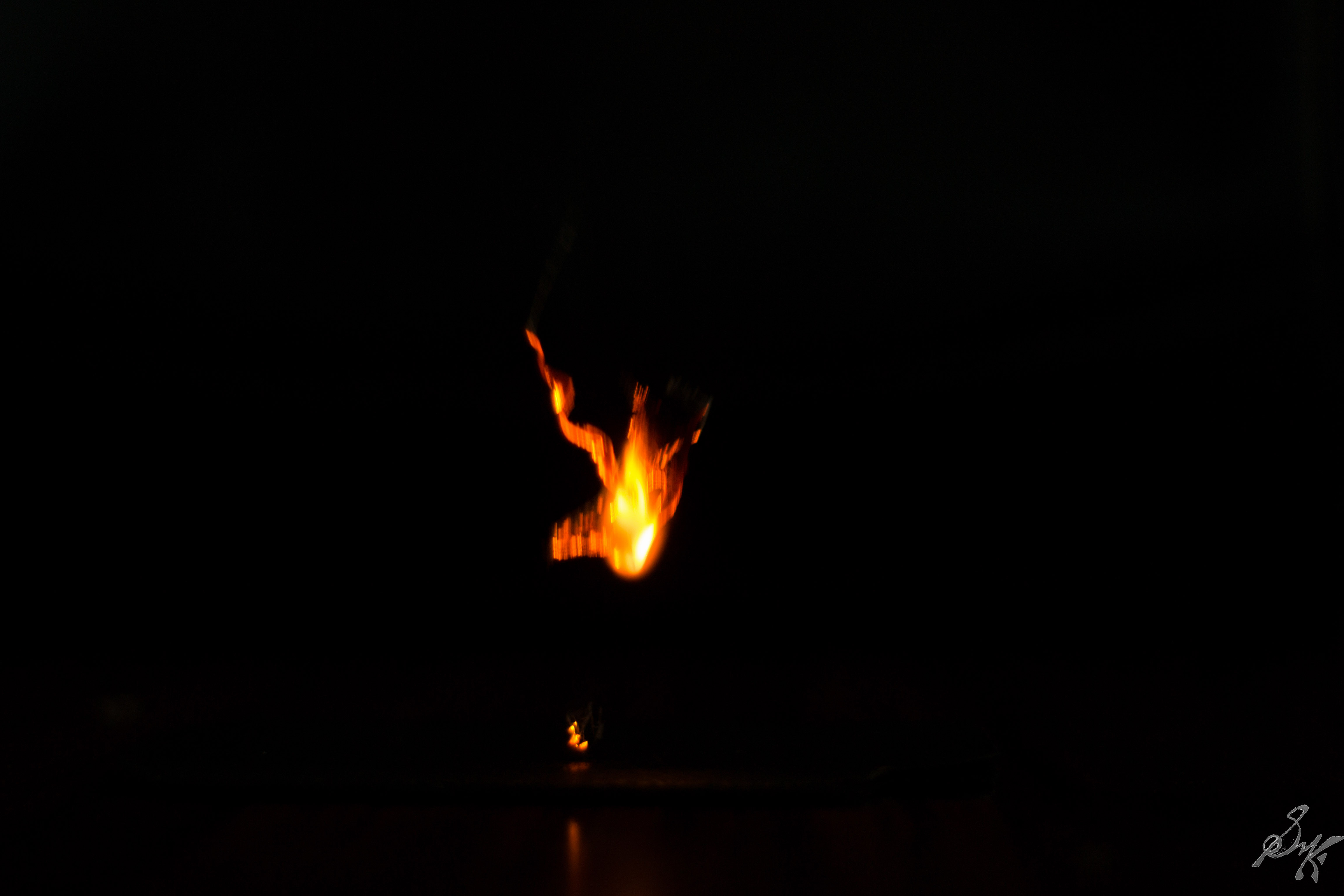
Here are two different instances of being afloat. One, over the liquid surface of Bay of Bengal, off the coast of Andaman Islands. And the other, floating in the invisible air, is a tiny bit of fire. Hope you like my take.

DSC_a-03736

DSC_5307-1

Cheers!!

AtoZ Challenge: PH – J: JPEG vs RAW

for JPEG vs RAW

In terms of shooting format, RAW has advantages over JPEG as there is more data ready at your disposal if you want to tweak the photo, such as a better dynamic range, scope of sharpness, noise reductions etc. While in a JPEG photo, smaller size, faster write speeds are the positives. If you need immediate delivery of the photos, go JPEG. But, if you have time to post process and maybe change a few things around, RAW it is. JPEG is like the print photo, while RAW is still the negative. Personally, I shoot RAW.

DSC_a-1672-2
The RAW photo


DSC_a-1672
The finished Product

This is a part of April AtoZ Challenge. A, B, C, D, E, F, G, H, I, J are posted. Do check them.

Cheers!!


AtoZ Challenge: PH – I: ISO

for ISO

ISO, in terms of the camera settings and use, is the measure of the sensitivity of the sensor. More the ISO number, more sensitive it is. More sensitive means more light gathering capacity with allows you more latitude while manipulating the other essential camera settings for the shot. But, there’s a trade off too. With increased sensitivity, there comes, increased noise. The camera software works upto a certain limit to suppress the noise, but then, it becomes a bargain between more light or more sharpness. Keeping a low ISO, is recommended for a crisp photo.
Details, here.

ISO400

ISO12800


This is a part of April AtoZ Challenge. A, B, C, D, E, F, G, H, I are done. Rest soon.

Cheers!!

AtoZ Challenge: PH – H: Hyperfocal Distance

for Hyperfocal Distance

Its basically, the focusing distance at which both the foreground and background are in focus. Generally, if we keep a fairly deep DOF, while focusing at infinity, almost everything stays in focus. But, if your photo has an object of interest in the foreground, that is comparatively closer to you, then Hyperfocal Distance comes into play. Two ways to do this. One, work out the actual point of focus and use it, else, focus almost one-third into the frame, and it should be fine. Else, go with focus stacking 🙂 Do bear in mind, this needs practice.

DSC_a-0280


DSC_a-0324

This is a part of April AtoZ Challenge. A, B, C, D, E, F, G, H are done. Rest of the letters are lined up too.

Cheers!!


AtoZ Challenge: PH – G: Grain

for Grain

Grain, is the old age, film days term for what we know as Noise now. Since most of us, wont see grains in photos anymore, lets talk about the Noise. When we increase the sensitivity of the sensor, we make it responsive to stray signals too. Being increased over a certain limit, based on the cameras, the extra signals start to show and reduce the image quality. Often noise is evident in low light photos, and/or when highly tweaked. HDR gets around it often, but if it doesnt ruin the photo, leave it be.

DSC_a-3046

DSC_a-2592

This is a part of April AtoZ Challenge. A, B, C, D, E, F, G are done. Rest to follow.

Cheers!!

AtoZ Challenge: PH – F: Focus Stacking

for Focus Stacking

Situation: My usable DOF is less than what is needed to cover my entire subject. Increasing the DOF will rob the dreamy effect and I don’t want that. What to do?

Solution: Use focus stacking.

We shoot a series of photos with focusing on the nearest point of focus of the subject and keep shooting till we reach the end of it, changing the focus, bit by bit every time. Then, we combine them and have a composite photo, where the subject is sharp. The background doesn’t change because we don’t change any camera settings here.

DSC_a-2869 DSC_a-2870 DSC_a-2871 DSC_a-2872 DSC_a-2873 DSC_a-2874

DSC_a-3
Stacked up and contrast boosted composite

This is a part of April AtoZ Challenge. A, B, C, D, E, F are done. Rest on hot pursuit.
Cheers!!

AtoZ Challenge: PH – E: Exposure Bracketing

for Exposure Bracketing

This is the raw material for the slightly advanced HDR (High Dynamic Ratio) photos. Suppose, in a landscape, if  we correctly expose the sky, the foreground is dark, and if we meter the foreground correctly, the sky is washed away. Instead, we take a series of photos exposing the various parts correctly, then we combine them in photo-editing software, and we have a composite photo, where everything is exposed correctly. Be careful though, aperture, focus and white balance must not change during the series. In some cameras, its an inbuilt function, others vary the shutter speed.

DSC_a-2867
Optimum exposure minus 1 stop


DSC_a-2868
Optimum exposure


DSC_a-2866
Optimum exposure plus 1 stop


DSC_a-2-2
Resulting HDR photo

This is a part of the April AtoZ Challenge. A, B, C, D, E are done. Rest to follow. Follow me and have fun.

Cheers!!


Blood Moon and some more…

Hi there,

If you followed the news, yesterday, i.e 4th of April, 2015, there was a lunar eclipse. The eastern part of India, the 7 sister states and the Andaman Islands, they got the view of  the complete penumbra to penumbra eclipse, but where I reside, it was more of a glimpse of the umbra and then the waning penumbra. Nevertheless, I perched myself up on the tallest rooftop I could find in the vicinity, and waited. The scheduled time for moon-rise was approx 1800 hrs, I was there from 1645h. No way was I going to miss that 🙂
Reaching early had a benefit. I set up my tripod, and got ready with plenty of time still left. And I managed some sunset cloudscapes too.

DSC_a-2902

DSC_a-2908

 DSC_a-2909 DSC_a-2924

Once the sun set, the scanning of the horizon began, and finally, around 1845h, the generally pearly white, but temporarily red orb came into view. I shot many photos, but later found just this one to my liking of the blood moon.

DSC_a-2939

Later, I continued with the shots of the eclipse for some more time. And then by 1900h, I came back. Then later at night, I shot a few more with the clouds passing over. Despite the noise in the photos, somehow, they seemed very soothing and peaceful.

DSC_a-2955

DSC_a-2959

DSC_a-2962

DSC_a-3016

DSC_a-3046

DSC_a-3059-2

I would like to try some more moon photos, but with a lens with a bit more reach. Till then, am satisfied with these. Happy shooting.

Cheers!!

AtoZ Challenge: PH – D: Depth Of Field

for Depth of Field (DOF)

DOF is significant in deciding if a photo is amazing or little off! As the name suggests, DOF is the part of the photo, which is in sharp focus. Its not a single point, but rather a span, a vertical plane. The depth varies directly with aperture. Smaller F number, smaller DOF. If you want a portrait, a smaller DOF is suitable, and in a landscape, for having both foreground and background in focus, a large DOF i.e a large F number. Having a large DOF helps, if you miss pinpoint focus. More, here.

 f1.8

f1-14

DSC_7111


This is a part of the April AtoZ Challenge. Letters A, B, C, D done. Follow me, for rest of the series is coming up next.

Cheers!!

Blurred away…

Often, we leave out the photos which have blurs in them, unintentionally. But, sometimes, the blurred photos also look pretty, and just keep them. Here is such a photo.

I was attempting long exposure zoom bursts, but then, I ended with these.

DSC_a-1381

Check out some more Blur photos here 🙂

Happy shooting!
Cheers!!