Minting your first NFT : A noob’s experiences!

Hi there,
I just minted my first NFT a couple of days back and what shall follow here is an account of my experience.

Before I begin in all earnest, know this, I am not a blockchain expert or a crypto wizard by any measure. I have a sketchy understanding of what they are and generally believe in escaping a situation, if it demands money online!

So, let’s begin!

We have heard of crypto currencies like Bitcoin, Ethereum, Ripple, Dogecoin etc. at a time when it was already past the early adoption phase. The first time when I came to know of Bitcoin, it was during the college days, around 2011/2012. The price of 1 BTC (bitcoin) was almost as much as 1 USD, which rapidly became 100 USD. The point being, that was a time when I did not have any disposable income to invest in a tech which I did not understand fully. Most of us Indians still don’t for that matter anyway. And by the time I had some money and knowledge to invest, it was 2017/18, 1 BTC was close to 10k USD, clearly out of reach. So, I ll say, we, as a generation missed out Crypto train big time.

So, when a new kid, NFT came on the block, I was keen on finding out what it was and how to make some money out of it. An NFT is a unit of data, which is stored on the blockchain, certifying its uniqueness and authenticity. The NFT can be anything digital, a photo, a video, a song, in fact it can be anything.

And YOU CAN MINT YOUR OWN NFT and sell it.

The market right now is in a nascent stage, so the opportunity for relatively unknown people to sell pieces of digital art and collectibles is still available. With that thought in mind, I decided to go ahead and mint my own NFT.

Everything costs money. Whether real dollars or rupees or the virtual ether, bitcoin etc. but it will cost money. So does minting your NFT. These charges are known as Gas fees. There are websites which proclaim “Gasless” NFTs where you can mint it, but pay no gas charge upfront. The trick employed here is, that the gas charge will be charged against the proceeds of the sale, if you manage to sell your NFT. Also, the gasless NFTs are not allowed to be transferred to your wallet, so, you dont own it, until it has been sold at least once.

I minted my first NFT using the gasless option on Mintable.
The process is easy enough. Sign up for the website, make a wallet in Metamask. Metamask is apparently quite a popular wallet which is used by some more online marketplaces too. Then, I uploaded the photo I wanted to mint. Put in some of the details and Voila! my first NFT was created.

Check it out here.

Once I created it, then did I realize that I did not make it downloadable, so now, even if someone pays 200 USD for my NFT, which is honestly a pretty picture, they will not be able to download it. They can resell it or use it for commercial purposes, but not download it. Kinda stupid, I know, but then, a mistake is a learning.

Also, since it was gasless, Mintable owns it as of now. So, I cannot use the same NFT to sell on a different marketplace, say Rarible, Foundation, Opensea, etc.

Gas fees, which you must pay for minting, keeps varying according to the time of the day, Ethereum vs USD values, network congestion, etc. These are just some of the causes. A website to track the gas prices graphically is this one. So, do check it out before minting. It may so happen that you wait for an hour, and pay a fraction of the gas fees as of now.

Bottom line, unless you invest money into this, chances that you will get money back is negligible. Read up a bit more, set aside a few of artwork or digital assets that you feel are worth being put out in the open market. Set aside a bit of money, about 200 USD to begin with and create a proper NFT, gas fees and all included. Then, list it on the different markets. Off course, loads and loads of marketing is needed. People must know that you exist and that you are interested in selling a digital asset. Consistency and perseverance are key to this too.

Make no mistake, this is a business and all principles of a business are applicable here. Prices fluctuate wildly and it is easy to get disheartened. But when you think of the rewards that are possible, the risk seems to be bearable.

Dear reader, please know this, NFT is still new. There is still scope to jump on this bandwagon before it becomes too huge to be unaffordable for most of us. Read up, research and take the plunge. At worst, you’ll lose 200 USD. At best, the returns are unlimited.

I have tried to put in my experiences and thoughts into this post as best I can right now. I ll continue to research and find ways to get the best bang for my ether.

Let me know of your thoughts and doubts and I shall try to come up with an answer, or we shall embark on a quest together to learn something new.

Cheers!!

Blogging to Vlogging : What changed ?

Hi there,
It has been almost a year since I was here, writing a blog. Why you may ask.
Did I not have new content? Did I not have the time? Was I lazy? Or did blogging become obsolete?

To answer the first three questions, I did have some new content. I got married, went for trips to Thailand, Dhuandhar falls, places in and around Vadodara, more recently Goa, so, yeah, I did have content. Time, to be honest, I did manage to extract some out of the daily schedule and had I really wanted to blog, I would have been able to. Lazy? Maybe a bit.

But then, when we come to the fourth question, Is blogging dying, that needs a bit more insight and discussion.

I began blogging in 2014. I had quit the first company and was preparing for further studies. I had picked up the hobby of photography back then and was trying to find ways in which I could reach out to the world and show my skill. I loved to write, spin stories around the photograph, so, blogging seemed to be the best option.
By 2016, I had managed to post more than 200 posts. Sometimes I would post multiple times a week, that was the heyday of blogging I would say. There were meetups, various forums for discussions, brand integrations and what not.
Vlogging was a new thing back then. A handful of stalwarts picking it up. Content creation was still mostly in the written media.
Looking back, that was the best year, till now. My rate of posts declined, so did the viewership. I will blame it largely on my own inaction of not being consistent, while not negating the influence of videos on the entire industry.

Videos and vlogs became the new thing since then. Youtube began being more user friendly and the content creators lapped up the opportunity with open arms. Videos are easier for the mass to consume and garner a following quickly, as compared to a blog. A prime reason is the language of the video. There is no restriction at all in a video. It can be in any language out there and that shall cater to a certain group of the population. While in a blog, in India, the language is mostly English with a handful more in the vernacular language. One can argue, that by writing, it develops your skills and makes you adept at the language, but from the point of view of the content consumer, it is simply easier to check out a video. It ll be shorter, have better visuals and it feels connected. This is true for the mass media and that is why best selling books get made into movies and often a well executed movie earns a lot more than the book. For example, one of the best sellers of our times, the Harry Potter collection by J. K. Rowling is estimated to have an earning of $7 billion, while the movies have earned more than $9 billion till now. One must take into account that the first HP book, The Philosopher’s Stone was published in 1997 (UK) and its movie was released in 2001. The figures keep on increasing.

It is not that Vlogging is all the easier than blogging. While it has the advantages of being able to reach to the consumer in a much direct manner, it does have its caveats. As always, content is king. You can get away with making transition videos on mini video apps and platforms, add a few filters and some music to it, but that is honestly, rubbish.
A well made video, which shall add some value to your consumer, requires preparation and research. The execution has to be better than the competition, the information has to be enriching and the content, engaging. Add to this, editing. One must edit their clips to form the final video. Off course, you can hire a team of people to do the backend jobs, but then you must pay them too. So, either you have enough money for recruiting a team, or you do it yourself. I must reiterate here, putting in a few transitions and filters is not editing, period. It includes honest effort and quite a lot of knowledge. All this becomes a hurdle to a newbie into the foray.

But then, the rewards are huge. The Vloggers who have managed to garner a following earn a lot. They earn from the revenue from the views of the videos, ads and also via collaborations. So, the risk reward scenario favours the tenacious and dedicated. And this increased scope of rewards has pushed many bloggers to explore the vlogging scene. Some have become exclusive vloggers, some try to keep a balance between the two.
I have also tried to keep up with the times and have spruced up the look of the blog. Added a few sections of tech and the new found skill, cookery. The cookery section is to be fuelled by the Vlog, Feastorama, which is a Youtube cooking channel, founded and maintained by me and my wife.

If you have made it till here, means you are still interested in the quintessential question, Is Blogging Dead? And the answer shall be No, it isn’t! It is turning to a niche though. The number of bloggers shall steadily fall, so shall their readership, until, there shall be a wave of revival where Vlogging will have become so mainstream that people shall return to reading.

Until that day arrives, we as bloggers, shall keep our head up and carry on with making new content for you to read, bookmark, share and re-read again 🙂

It feels good to be back writing. New posts shall be coming up soon.

Cheers!!

Dry Ice!

Hi there all. It has been quite sometime since the last post, I ll blame the hectic work schedules and in some effect, laziness for the same.
Anyway, today we discuss, Dry Ice. Frozen Carbon Dioxide, when made into pellets to be used for cooling duty, is known as Dry Ice. 

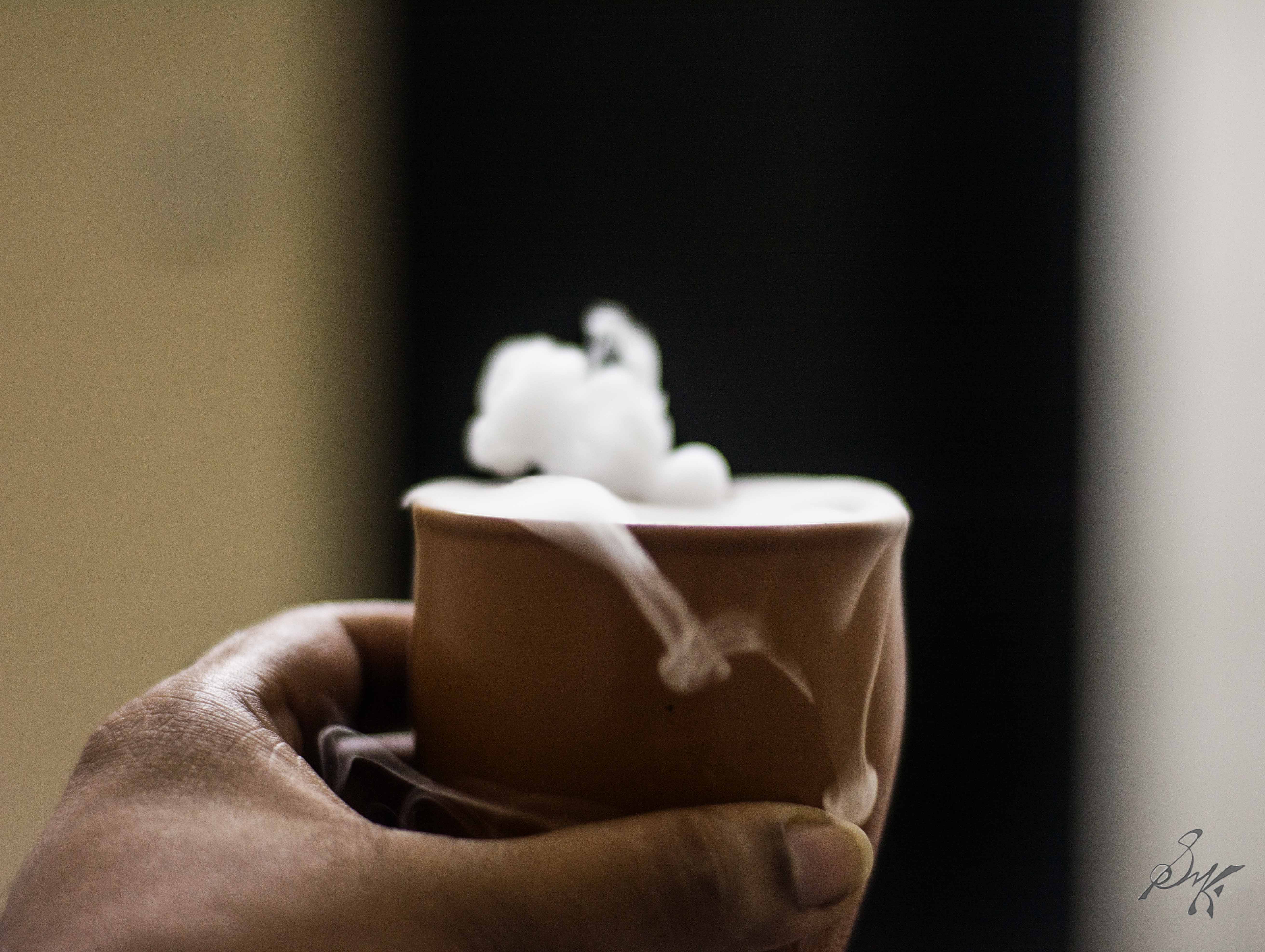
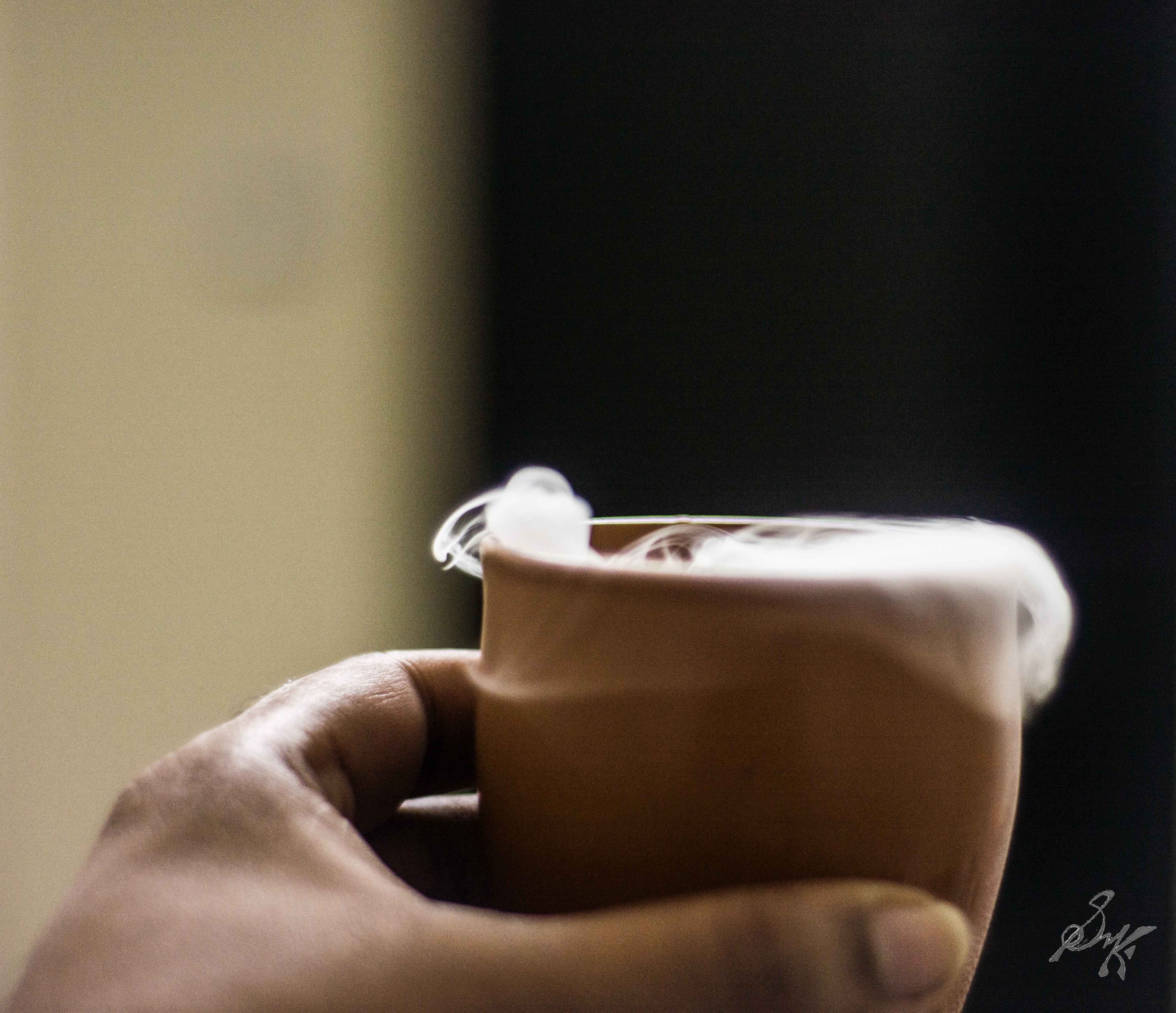
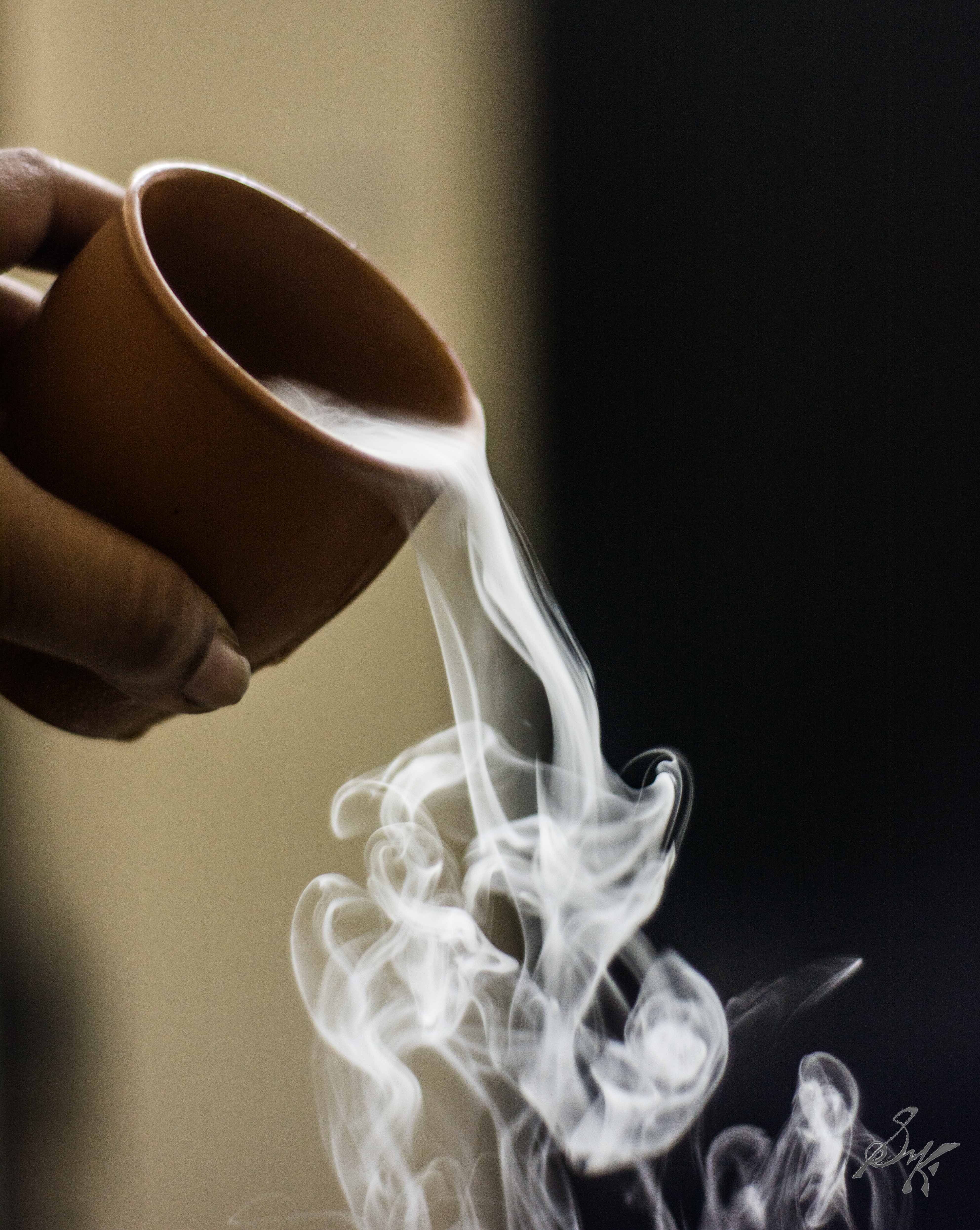
Dry Ice is of interest to us photographers since it produces thick smoke, when it comes in contact with water.

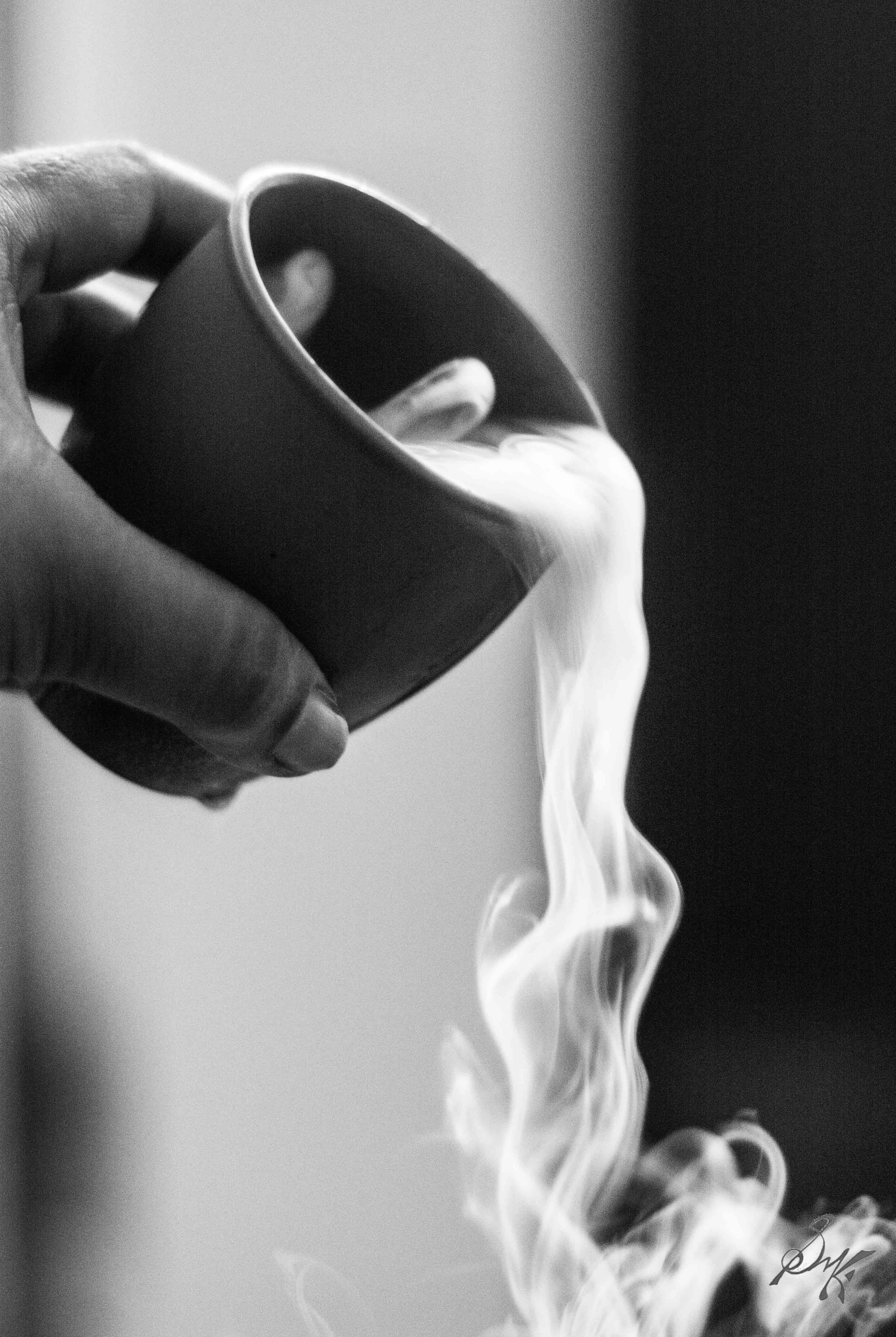
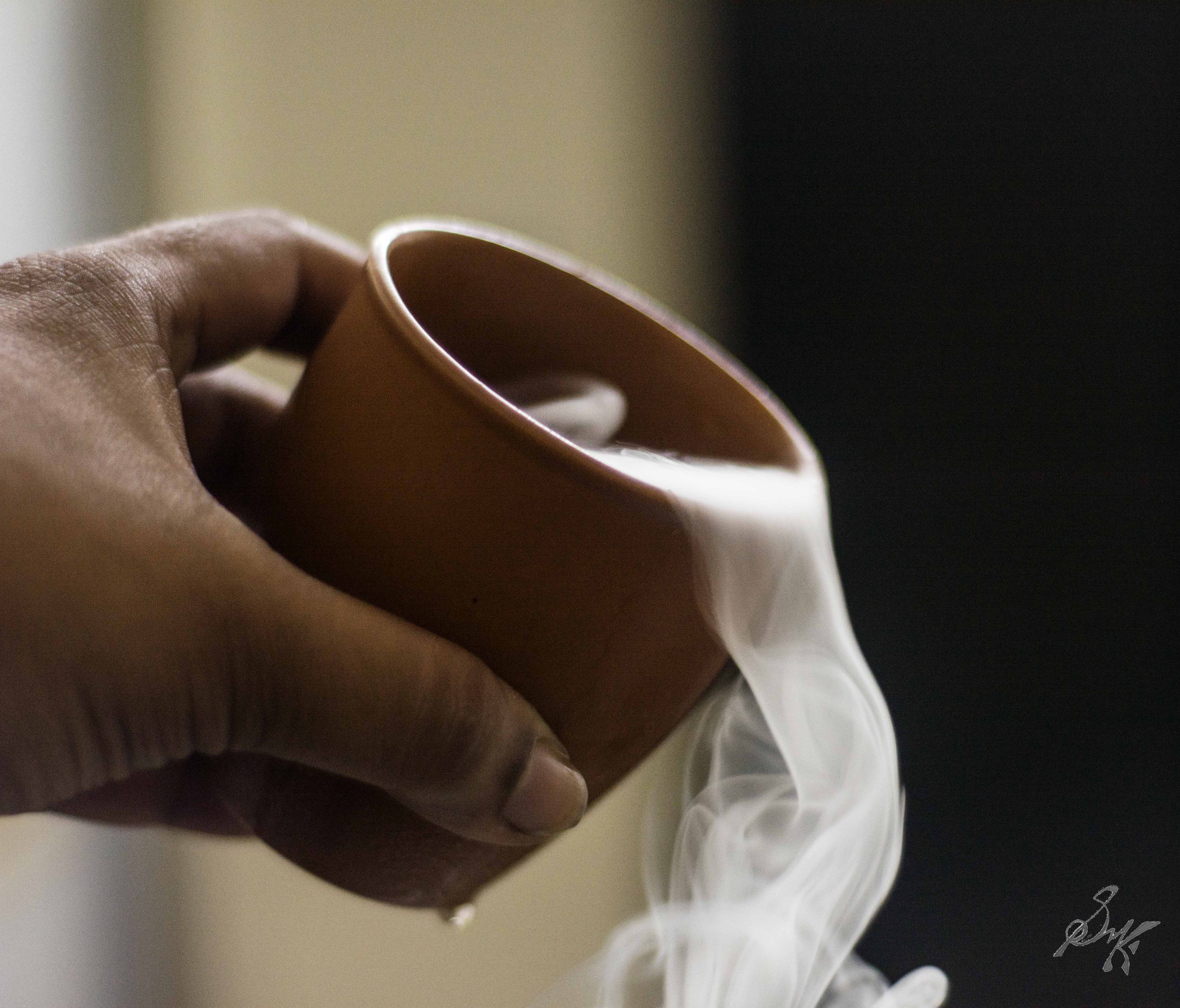
And the best bit, the smoke is cold, and heavier than air, so it flows!

This gives the opportunity to use the flowing smoke creatively. It can be used to provide artificial smoke in photos, to be used to as a background or otherwise. 

So, there you have it, the secret to thick billowing smoke in the photos. Have fun it. Be careful though, it is carbon dioxide, so, preferably do not inhale a lot of it, and experiment in an open space.

Cheers!!

TLR Camera : What it is and how to use one

Readers who are millennials or older, would recognize this camera either because someone in their family owned it, or they may seen it in the movies.

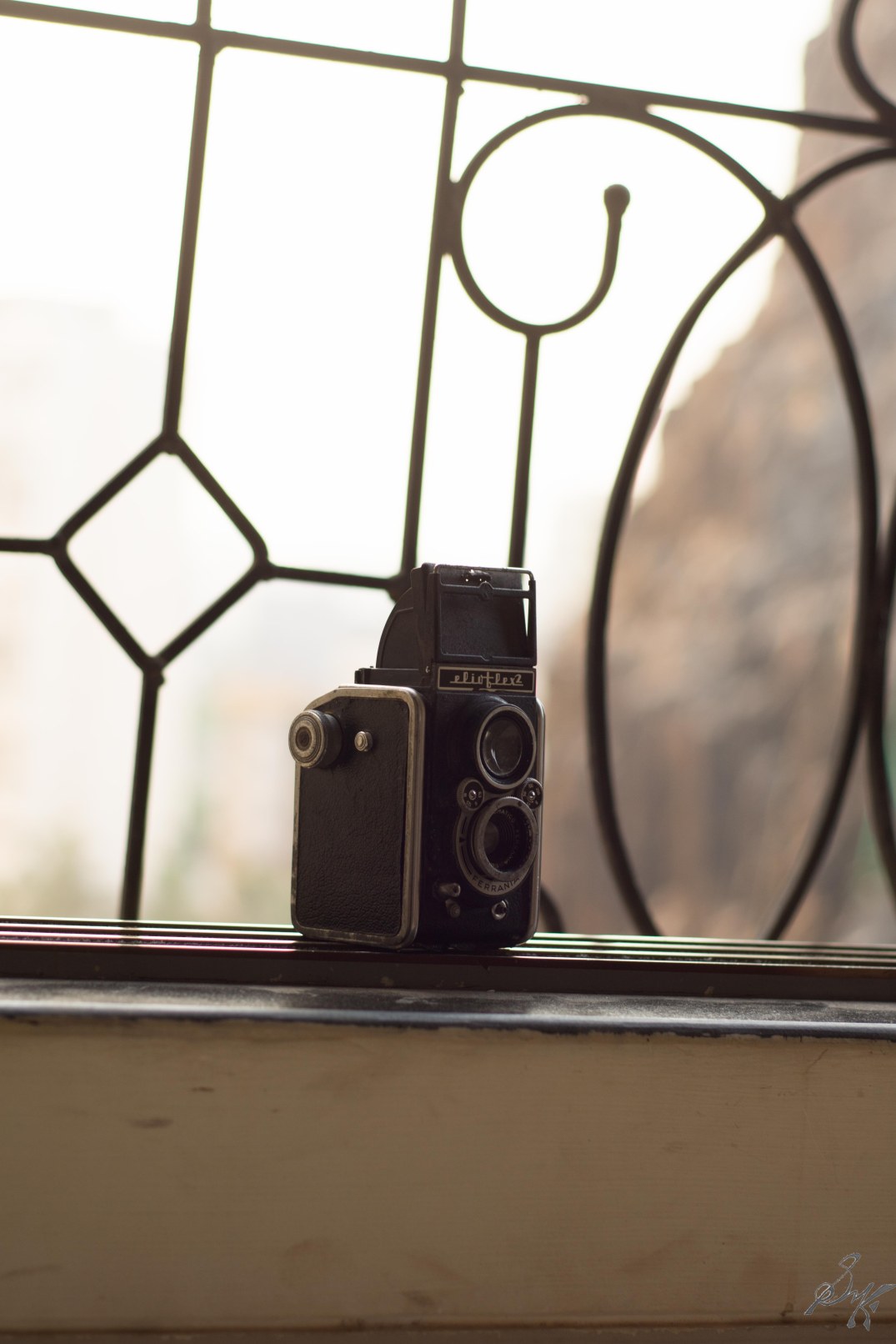
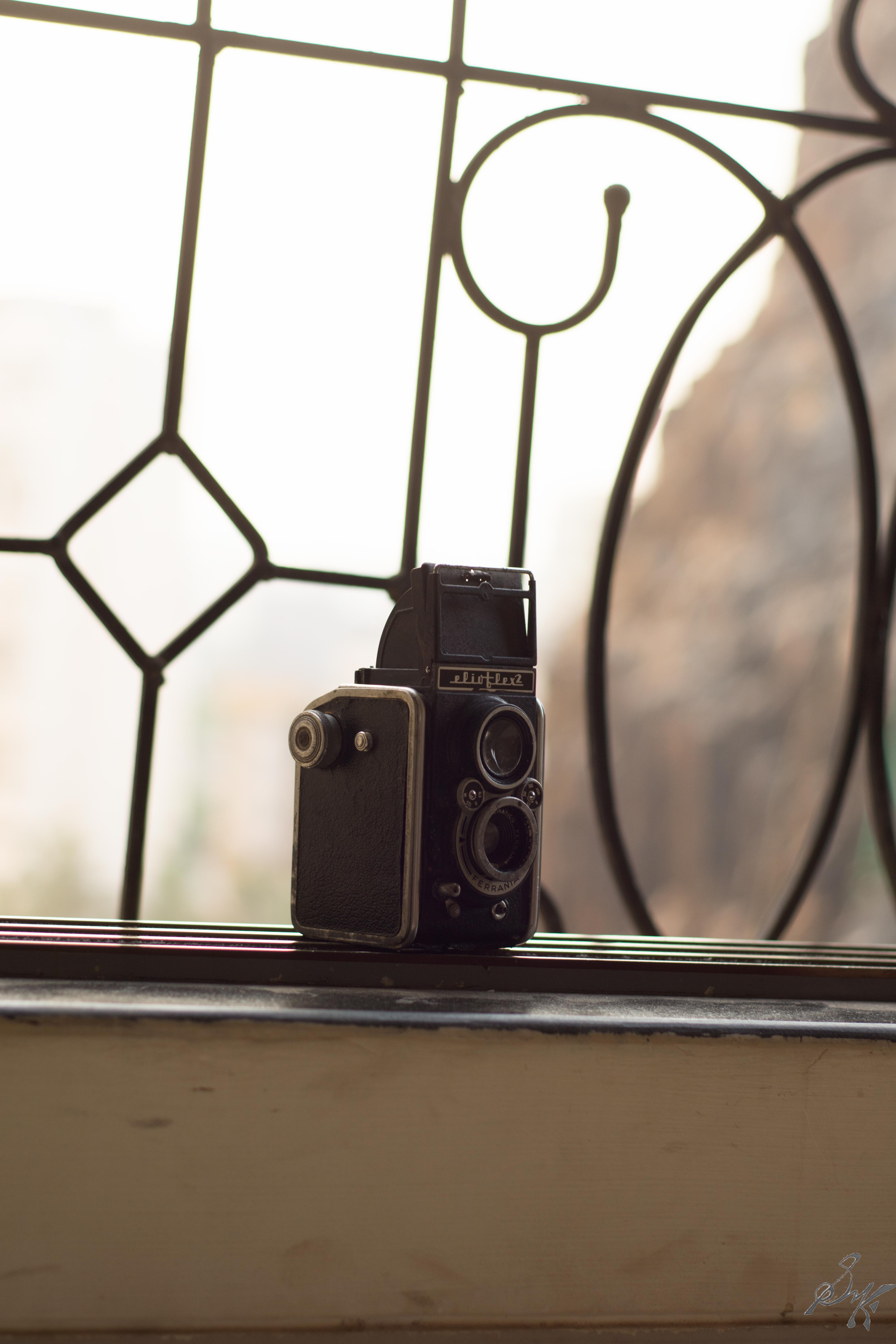
This here, is what a TLR looks like.

A TLR Camera, Mumbai, India

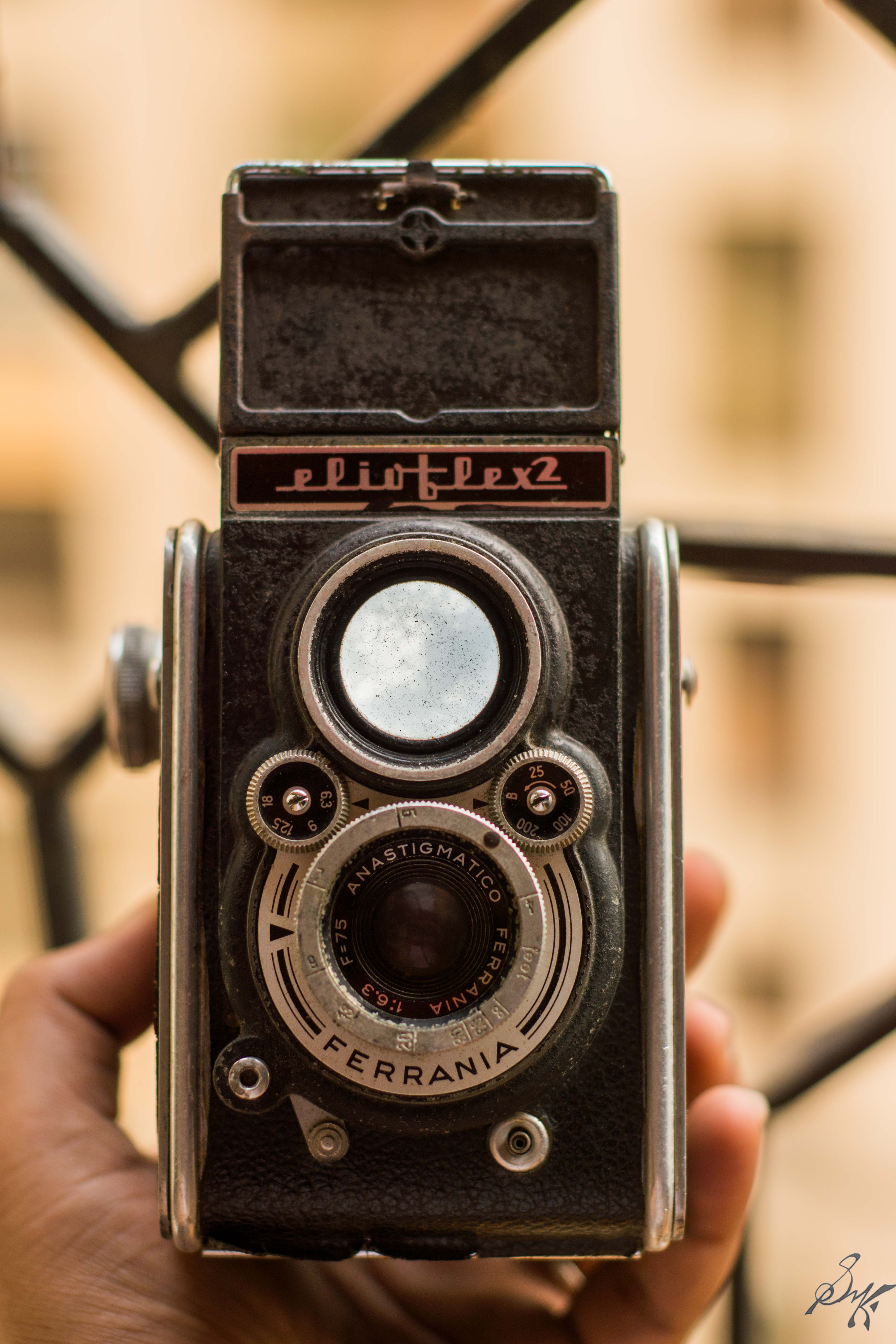
A TLR is a twin lens reflex camera, where there are two lens, which help in taking the images. The lens above lets you view your subject and focus by rotating the ring, which in turn focuses the bottom lens. The major advantage a TLR has over other formats is that your image does not get shut out due to the mirror movement as with SLRs. You also get a lower than eye level perspective of the scene. On the downside, there is parallax error and the options to stop down to preview the photo will not be available.

Front view of a TLR Camera, Mumbai, India

Behind the bottom lens, sits the shutter, and your film.

Back view of a TLR Camera, Mumbai, India

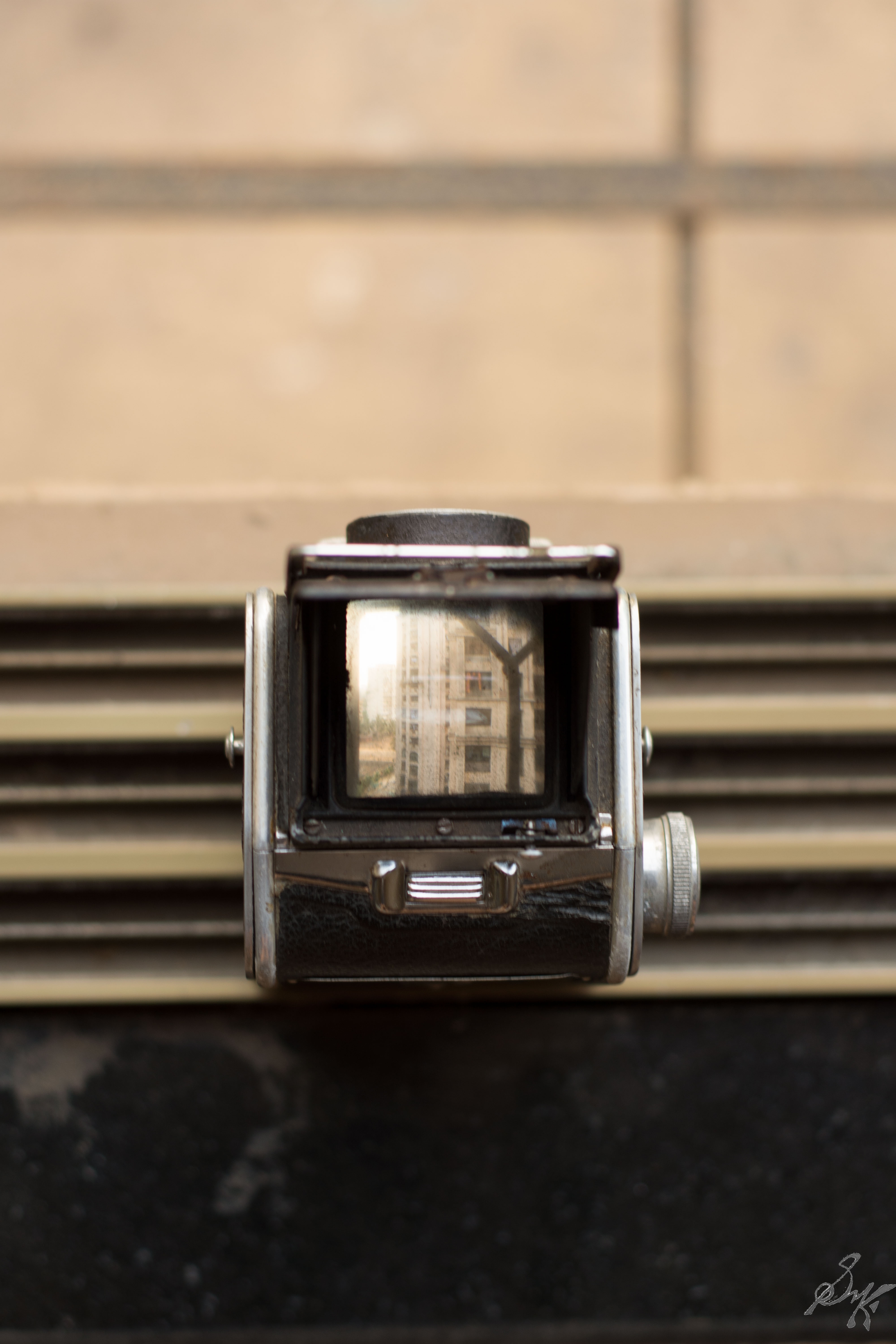
You view your would be photo from the top of the camera.

A view through the viewfinder of a TLR camera, Mumbai, India

The basic functions available on the camera are similar to the ones we use today. It has shutter speeds and aperture values that can be set easily. A unique thing was the distance scale on the bottom lens, which may be featuring here for this specimen here is more of a pseudo TLR, since the focus is fixed.

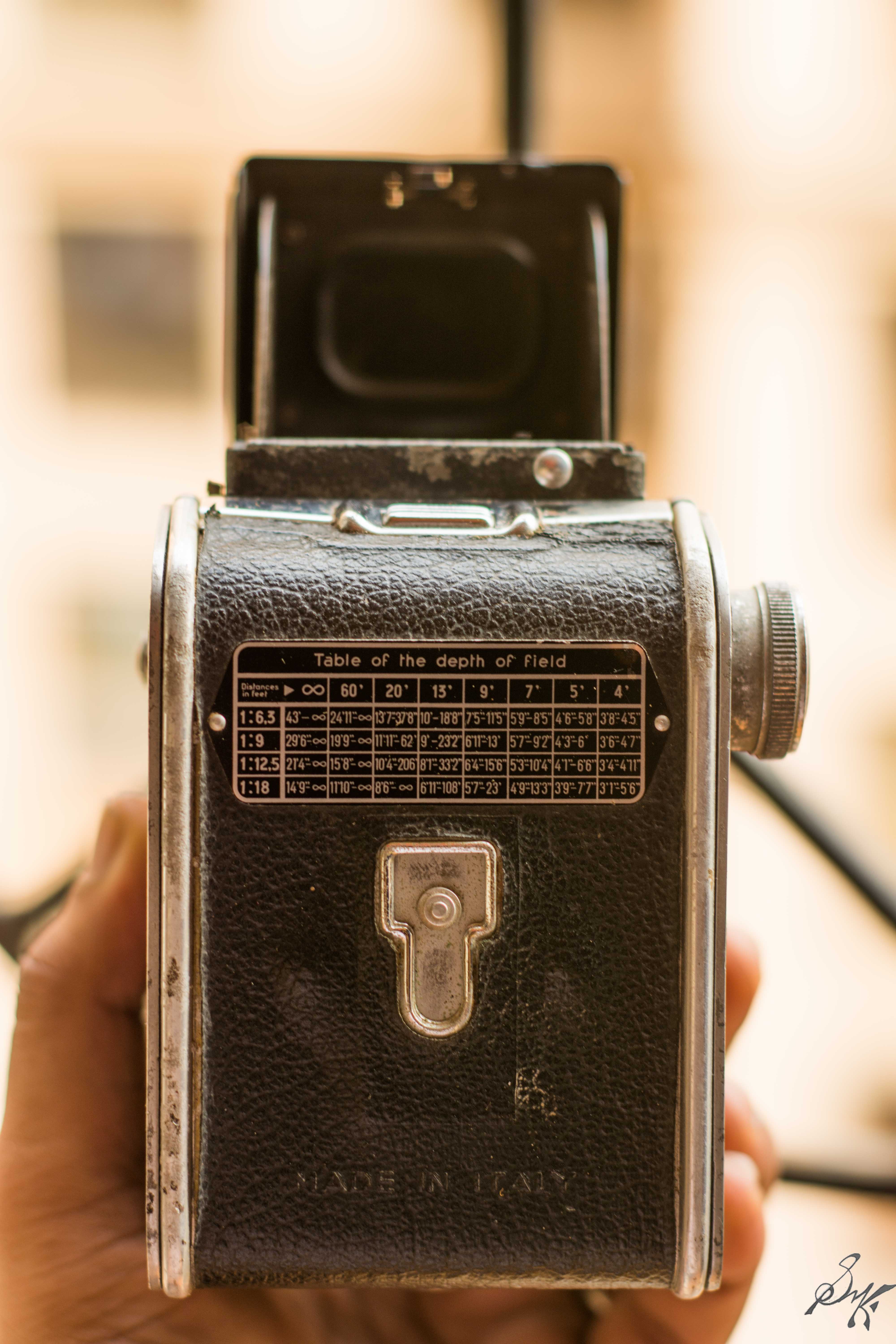
So, in a pseudo TLR, how to achieve sharp focus?? Flip the camera to the other side and read the scale.

Table of depth of field on the back of the TLR camera, Mumbai, India

This scale gives the hyperfocal distances and the appropriate DOF based on the aperture and the distance from the subject. You read the details off the scale and dial them in, and voila! you have a sharp image. One thing to note is that the image formed in the viewfinder is laterally inverted. Takes a little time to get used to, but once you do, it is quite fun.

Some may say that it is too much work, I ll say it is an amazing learning experience. This specimen on the 1950s Elioflex 2 from the Italian Ferrania was a gift to a dear friend Tara (a calligraphy expert by the way) scrounged from Chor Bazaar of Mumbai.

Maybe I ll go get a film camera and try out some film photography, what say readers?? Let me know of your opinions in the comments below!

Cheers!!

The Elephant Parade : Mumbai 2018

With the novel objective of raising awareness for elephant corridors across the country, The Elephant Parade India arrived at Mumbai this month.
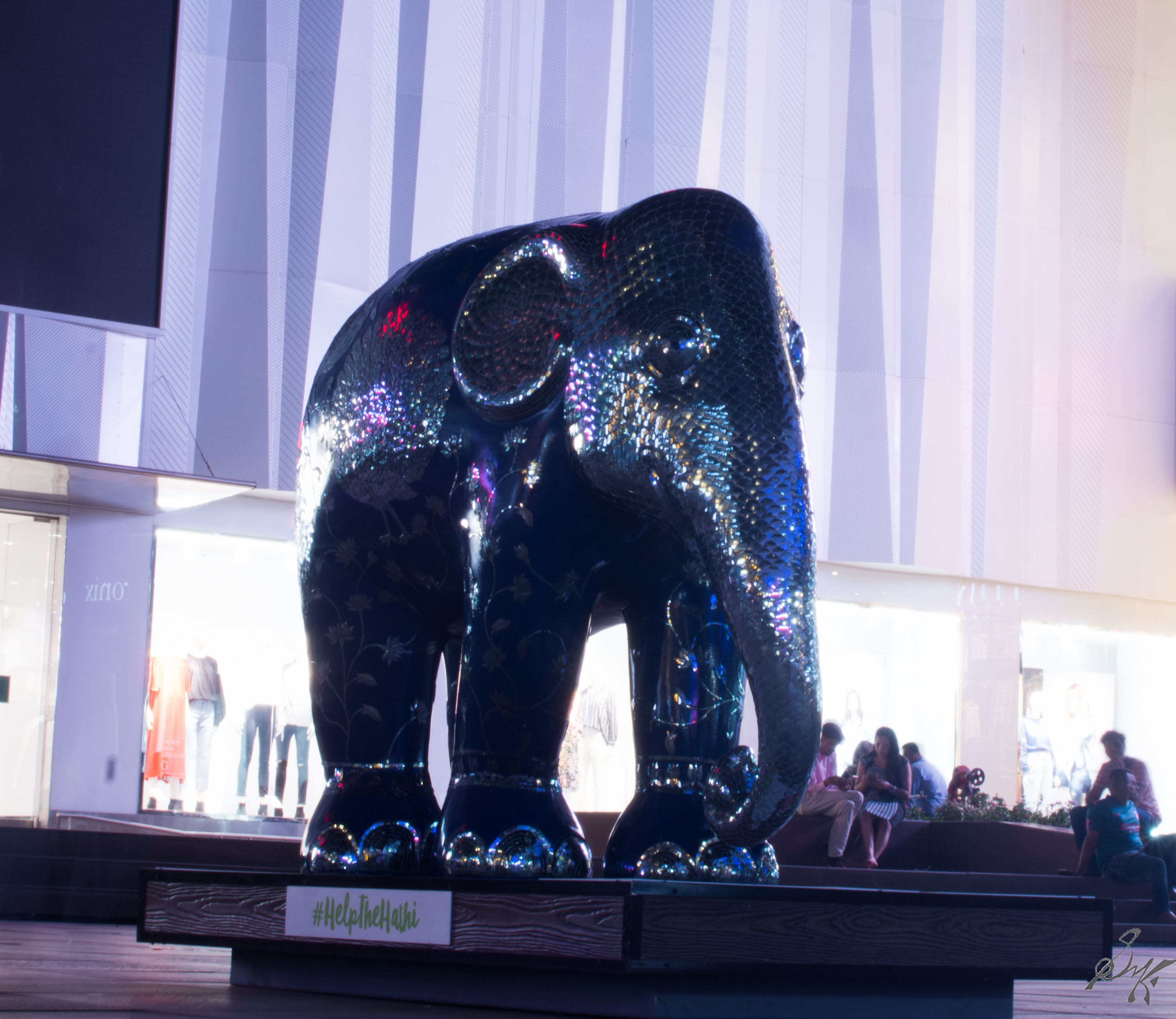
Along came exquisitely designed and painted elephant replicas, each having an interesting story to its own. Apart from being an awareness raising tool, it is also an amazing means to showcase the artist’s expertise and talent. I met with the following elephants at the Phoenix Marketcity at Lower Parel. The elephants shall be on display in various locations within the city and details can be found here.

Iridescent Elephant from Elephant Parade, Mumbai

Black Elephant from Elephant Parade, Mumbai

Blue Elephant from Elephant Parade, Mumbai

Black Shiny Elephant from Elephant Parade, Mumbai

Brown Exotic Elephant from Elephant Parade, Mumbai

Green Elephant from Elephant Parade, Mumbai

Black Elephant from Elephant Parade, Mumbai

Forest Elephant from Elephant Parade, Mumbai

These beautiful elephants are also available for sale using the website mentioned earlier. It is my recommendation that you go and have a look at these elephants as and when possible.

As a note to my readers who may be in Mumbai from 14-18 March, a set of these exquisite elephants shall be at the Bandra Fort during the above mentioned days. The opportunity to capture stunning photos is quite an unique one.

A trick to reduce the influence of crowds on the photo is to have a long exposure. The elephants being stable are sharp while the crowd fades away due to them moving swiftly. In case there are posey people in front of the elephants, they shall show up.  There shall be ghosting, for sure. This is the minimum hassle method to obtain a clear picture. Drawback being it can be used only when you can shoot a long exposure, meaning, day time shots are not possible. For the daytime shots, you can set your tripod and take a series of shots and then use the “Median” command in Photoshop to eliminate the crowd. Ghosting shall be minimal.

Go have fun, use a different technique and share your results in the comments below.

Cheers!!


Long Exposure : Demystified

Time and again, I have had requests and queries on how to take the amazing “trails” photos, today, I shall try to demystify them.

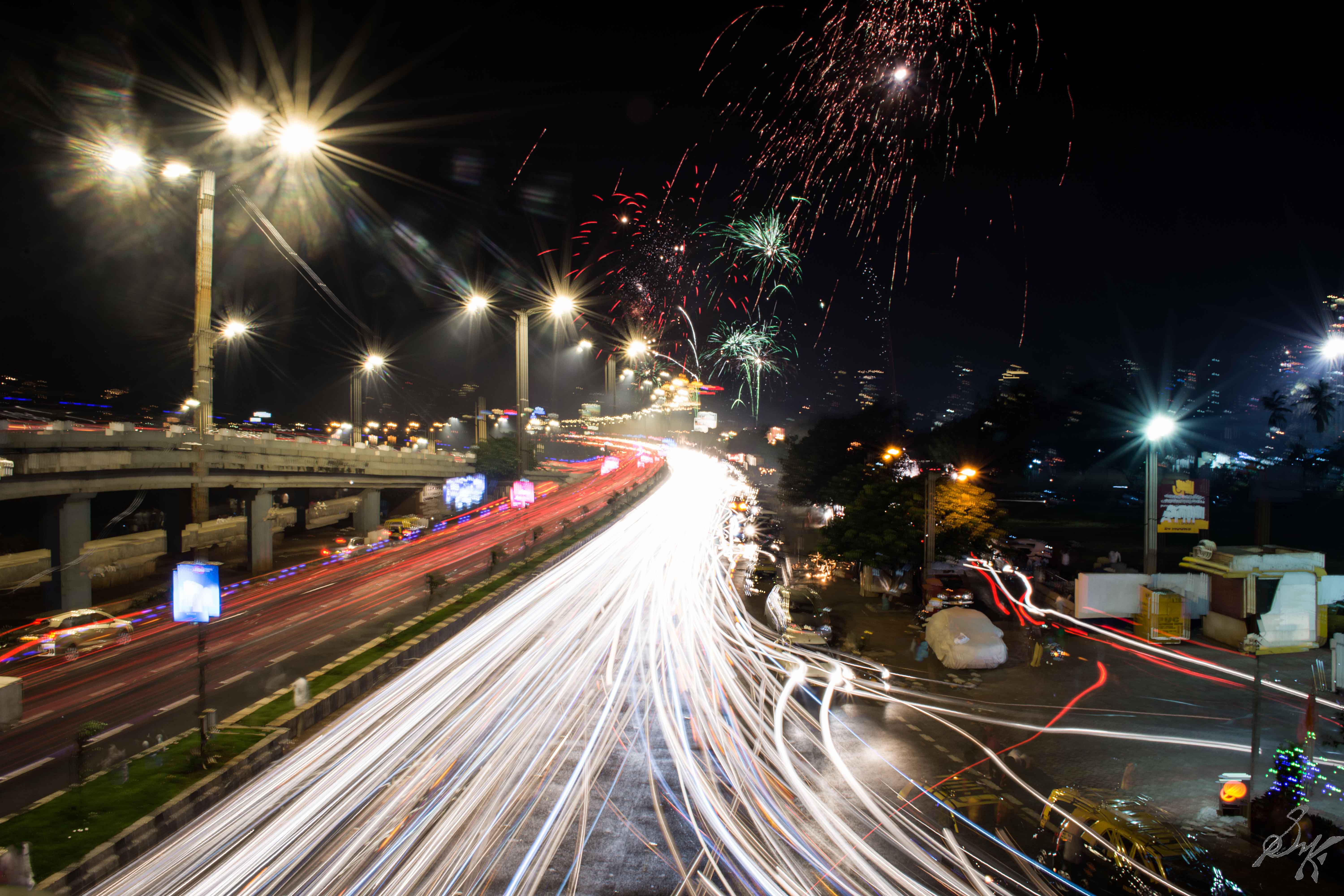
Long Exposure, Trails, Diwali Night, Marine Drive
The technique is called Long Exposure. As the name suggests, we make the photo’s exposure long. In doing so, any light source, or lit up object, that is incident on the sensor, shall be registered by it. In technical terms, we extend the time the shutter stays open, by decreasing the shutter speed. This causes the exposure to be “long”.

Here’s an example:

Long Exposure, Queens Necklace, Marine Drive, Mumbai

Now, to achieve this, we need to have a shutter speed that is low enough to form the light trails, while the aperture has to be such that the photo does not wash out, all the while maintaining the ISO at a level where there is not a lot of noise.
We can get to this unique combination by fiddling in the Manual mode:

Nikon D7200, Manual Mode setting

Or, by setting the camera in the Aperture Priority mode (AV mode in Canon).

Nikon D7200, Aperture Priority Mode setting

The objective should be to have an optimal exposure, despite the slow shutter speed.

Nikon D7200, Aperture Priority Mode setting

With enough practice, taking stunning photos shall not be difficult at all.
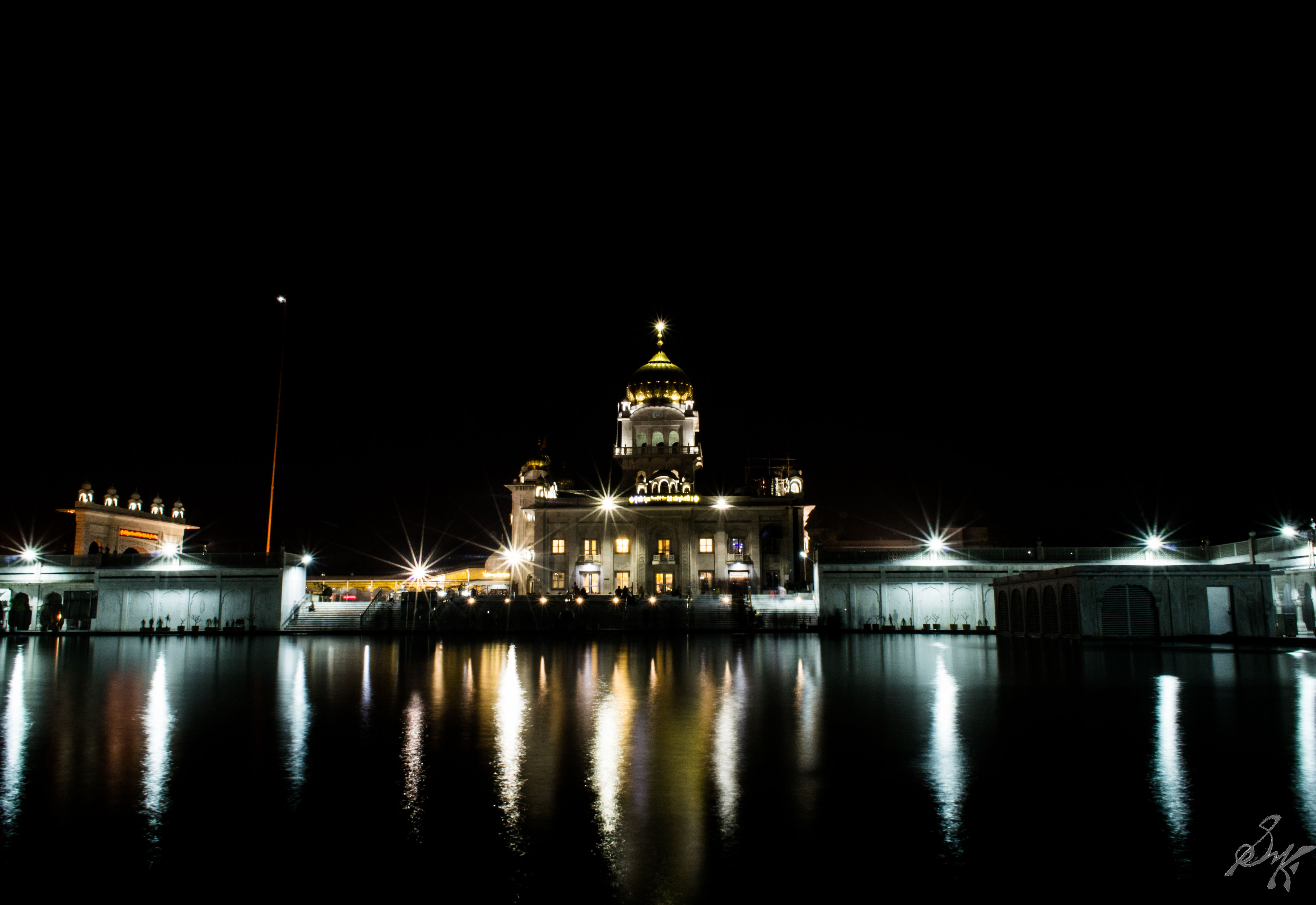
Long Exposure is amazing for smoothening out ripples in water, or giving the water a milky flowy look. Do try them out.

Long Exposure, Smootheing of Lake, Bangla Sahib, New Delhi

Slowing down water flow, Elephant Falls, Meghalaya

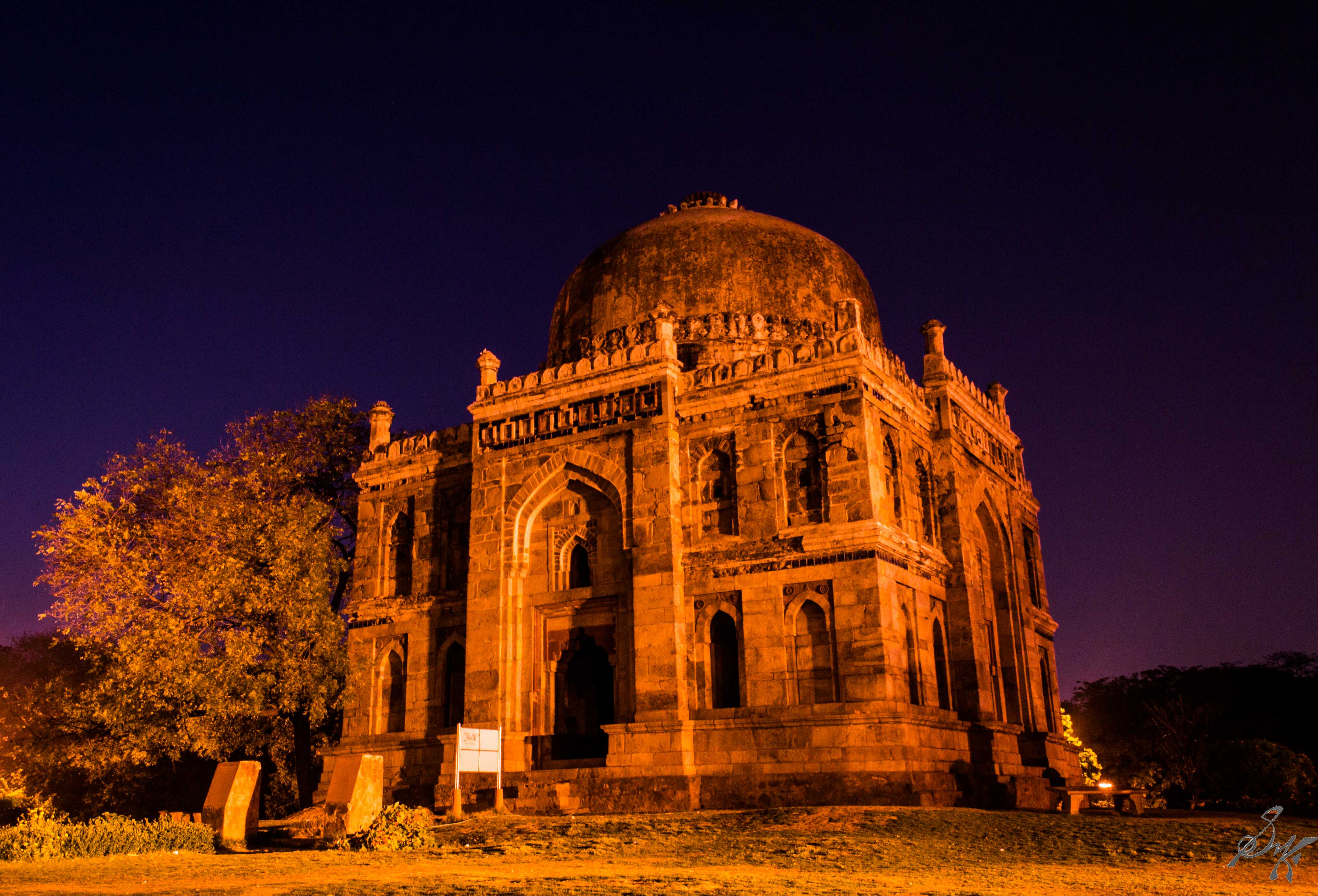
It is also useful to take photos in low light environments such as this dimly lit monument at the Lodhi Gardens, New Delhi.

Long Exposure, Lodhi Gardens, New Delhi

I shall conclude by stating that unless you practice, you shall not be perfect. Go out there, and explore the amazing world of long exposure.

Cheers!!

Macro Shots

Today, as I sit to type down this post, my bags are packed and ready to leave. I leave NICMAR, Pune in less than 6 hours and will be on my way to my home first, then to much bigger adventures. Last night while packing, I stumbled across two very prized possessions of mine, my self made reverse lens adapter and a pair o kerosene lighters.
Flipped it open, spun the wheel, the sparks erupted, felt good.
At around 0100h, I felt a tiny bit creative. So, here is what I did, past mid night, using the reverse lens adapter. Lens used, my trusted Nikon 50mm F1.8D, and the camera, Nikon D3100.

macro of tanks made on a zippo lighter

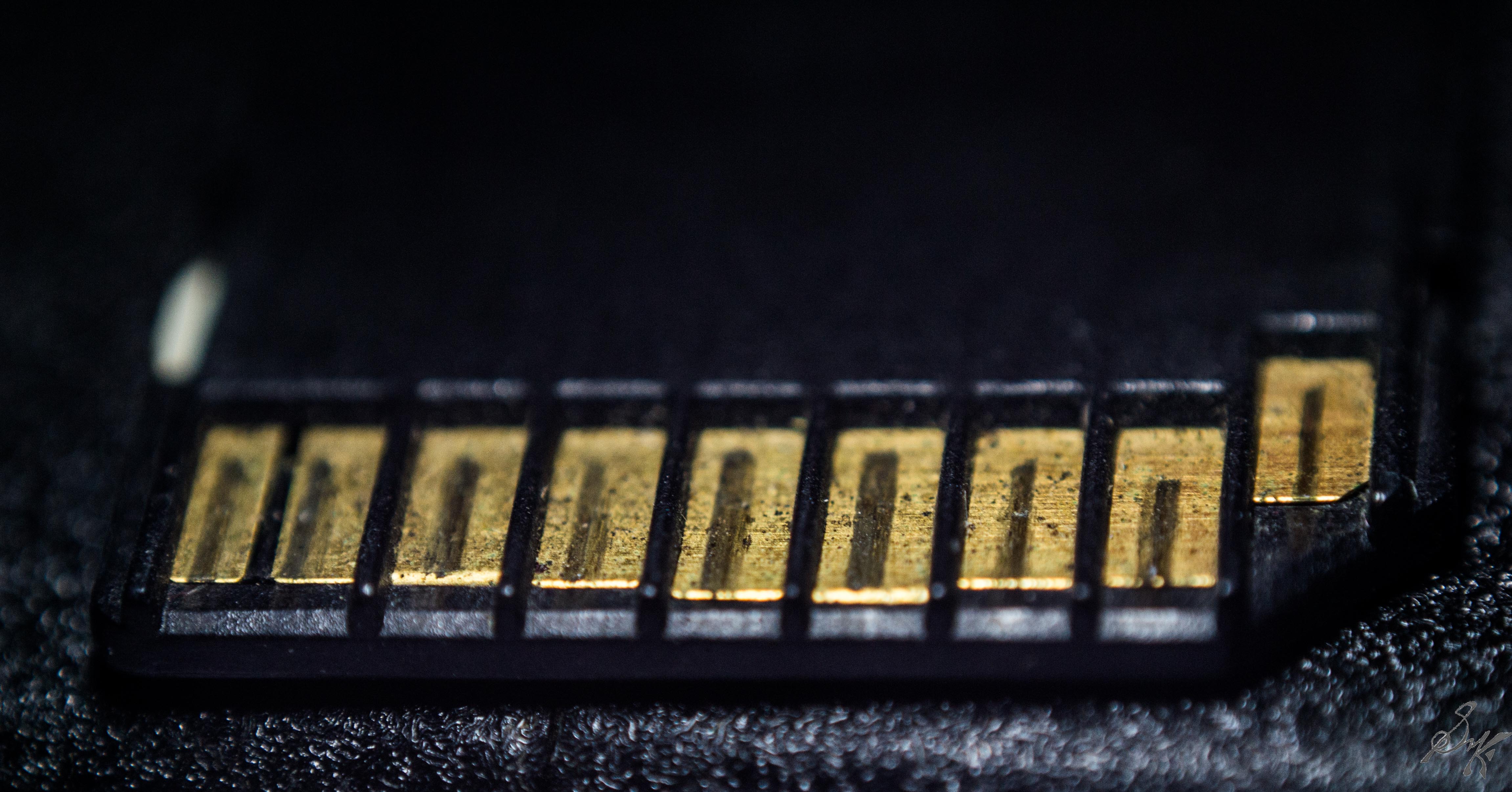
macro shot of a SDHC card

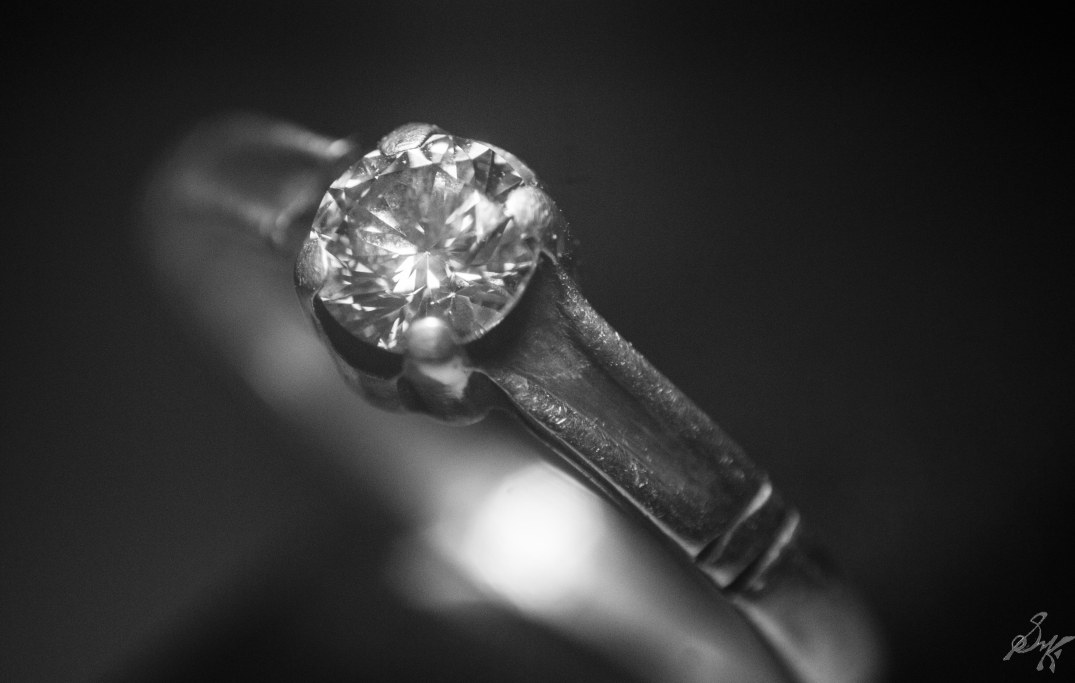
macro close up of a diamond ring

macro close up of the wick of a zippo lighter

macro close up of the striking wheel of a zippo lighter

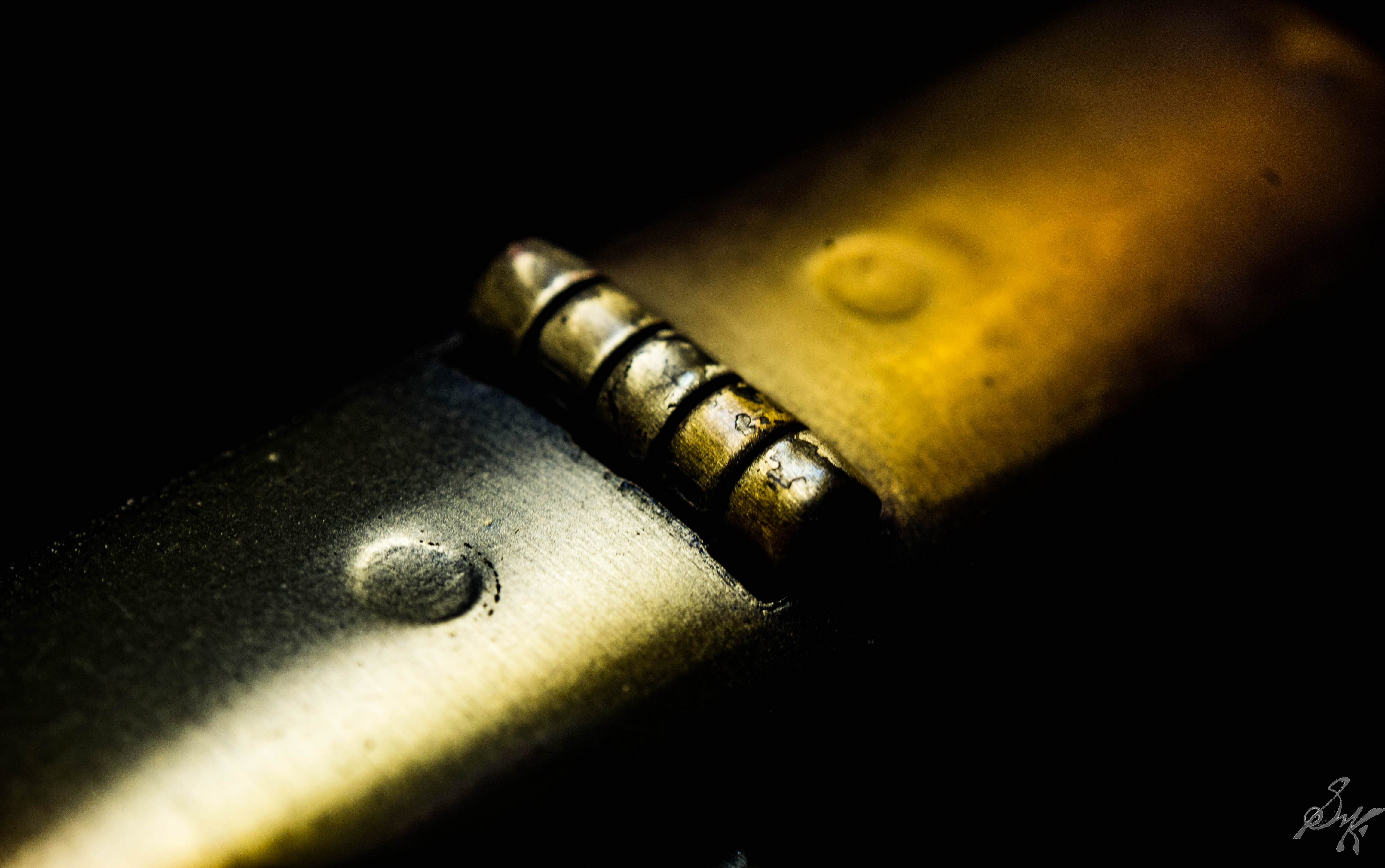
macro close up of the hinge of a zippo lighter

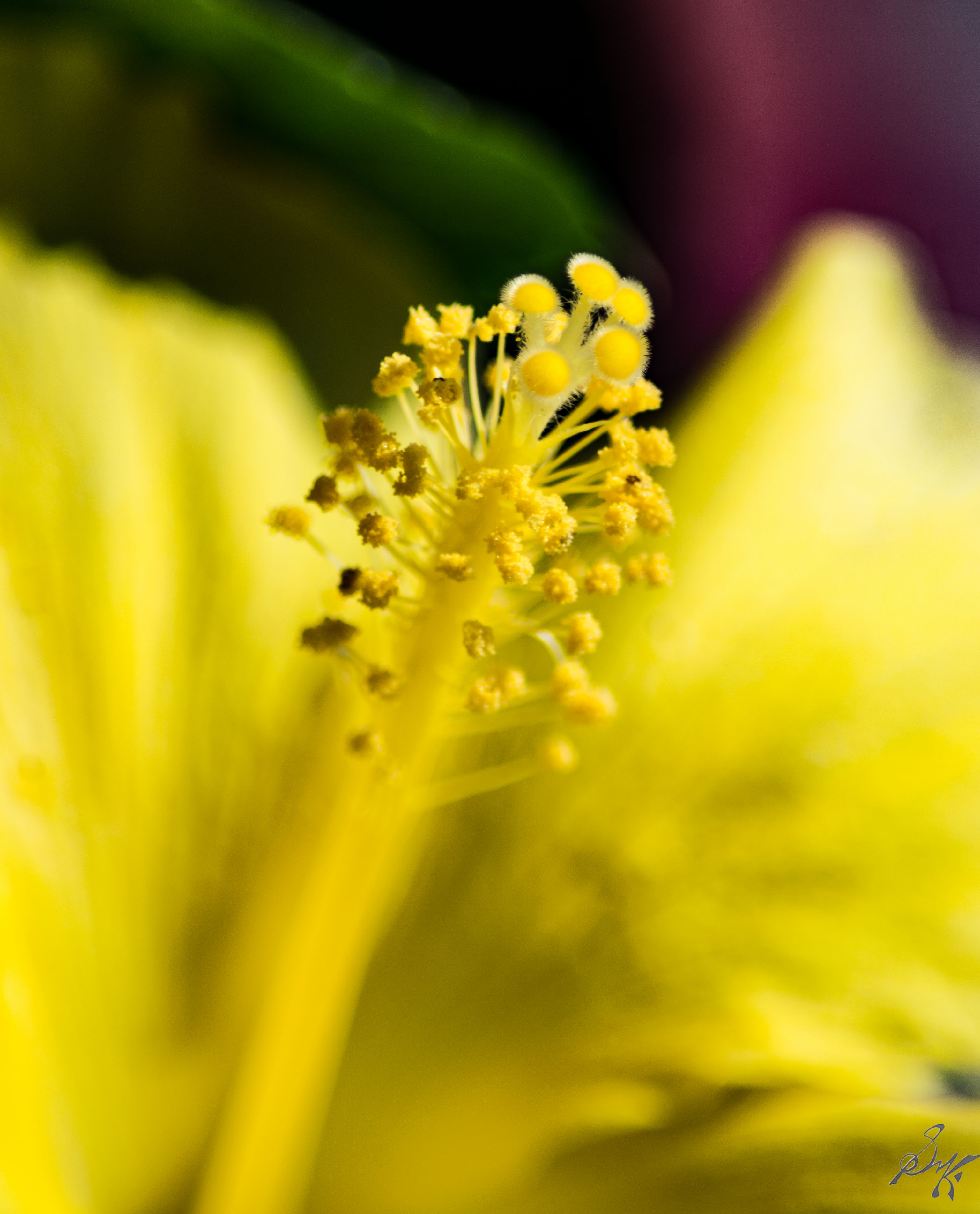
The following images are shot using the Tamron 70-300mm F4-5.6 macro lens, in the macro mode as control shots.

macro close up of the stalk of a flower

macro close up of a stalk of a flower

I ll infer that unless one is dedicated to shooting macros, the need for a macro lens, is quite limited. Often, a reverse mounted lens shall do the trick. Adding on, it is always much easier to use a full manual lens for reverse mounting because you can control the aperture ring and decide on the depth of field.

With this, I sign off from NICMAR, Pune. I shall be travelling for the next few days and shall also be visiting Delhi for almost a week, so that should make for a nice post.

Till then,
Cheers!!

Repurpose – Flash Diffuser

Photographers, both, budding and experienced, have faced the issue of flash whiteout quite often. Sometimes it can be handled by varying the settings and we immediately realize the importance of a flash diffuser.
Like the name suggests, it is used to diffuse the harsh light from the flash and make it more soft and soothing, while still lighting up the subject. It is useful as it does not produce harsh shadows and lights up more area, albeit in a little less intensity.
One can get clip on diffusers for the on board pop up flash, while the external flashes generally come with a diffuser flap. Here is a method of repurposing a used cigarette packet as a flash diffuser in a hurry.

Get a white pack, rip off the bottom of it carefully and pull out the silver or golden foil from inside, carefully so as not to tear it away.

Cigarette pack with a ripped bottom

Reverse the foil so that the shiny bit will be facing inwards.

Foil reversed in a cigarette pack

Push it to till the head, in such a way that light doesn’t escape and is rather reflected and the head behaves as the flash.

Foil positioned to reflect light

Clip it on your camera’s pop up flash. It may need a little tweaking here and there for it to be set correctly.

Repurposed pack clipped on on board flash

Repurposed pack clipped on on board flash another view

Results:


Brain coral, loses detail due to white out by direct flash
Normal flash


Brain coral, much more detailed due to diffused light
Same settings, with the diffuser

I hope you have found this useful. This is quick fix solution, a typical Jugaad 🙂

Cheers!!

Star Trails: What is and how to..

Shooting at night, and in long exposure is quite fun, one must agree. With a little tweak, the night can be turned  into dusk, if not bright day.
This shot, 0230 h. 30 seconds of exposure does this trick.

Long exposure photo of lake with landscapes mirrored into the lake.

We get enamoured by the photos of trails of lights across the sky, often in round or elliptical patterns about a stunning landscape. Some of my readers may already know what it is. What you have seen, is a star trail.
What is it? Well, as the earth rotates, from our point of view, fixed on the earth, we find the stars shifting. If we capture this shift, over considerable span of time, we shall get the path traced by the star. That illuminated trail, is the star trail.

Star trail photo over landscape. Multiple long exposure photos combined in one.

Things we need are quite minimal. We need a tripod, a camera with a means to take a certain number of shots over a period of time, a landscape and a starry night.

Set the camera appropriately on the tripod. In the settings menu, make it take photos till the battery runs out or at least 8gb worth of photos are captured. For the exposure settings, you ll have to take a couple of cold shots. Try with the minimum ISO and shutter speed at about 15 seconds. Take a shot and inspect it, if you can see at least one star in your display screen. A few trial and errors and you shall get the exposure right. Once done, set the camera on the interval shooting mode, and wait.

Now, what you shall get out of the shots is a series, where the only movement, preferably, will be of the stars. Get hold of the software, StarStaX, and load up the images. Follow the instructions and let the software process the photos. If done correctly, you should get yourself a beautiful star trail photo.

If you have reached till here, you have definitely earned the right to know what may go wrong. Take a look at the photo above, once more. Zoom it. Do you notice that there are tiny gaps between each trail. That gap is what 5 seconds looks like. Between each of my exposure, I had set a gap of 5 seconds. If you want a continuous trail, ensure, no gaps. You may have to shoot on JPEG for that, turn noise reduction off, so that as soon as the camera shoots one image, it can continue to the next one. You have got to ensure that there are no movements on your end. Before you put the photo into StarStax, it is advisable to convert them in JPEG, if you have shot in RAW. And while you are at it, make the uniform changes in all the photos using sync (Lightroom) or similar functions.

My exposure is about 120 photos, half an hour long. This was a proof of concept shot, to try out whats and hows. Now that I know, in near future, better, seamless shots should be expected.

Till the next post.
Cheers!!
Light Trails

Photography is all about how you play with light. Whatever be the kind of photography you do, light is the essential common denominator, be it portrait, landscape, macro, or any other thing you can think of.

Light trails are a mix of use of depth of field, controlled shutter speed and ISO. Along with the basic trinity, you also bring in creativity, and different props. The understanding of how a shot is being taken, or how it should be taken, is paramount while doing light trails, light paintings and such.

DSC_2735-5

DSC_2747-7

DSC_2749-8

DSC_2754-9

Its not always that a slow shutter is all you need. Sometimes, varying the light source also helps.

DSC_2758-11

DSC_2756-10

In the end, all that matters is, that you must have a lot of fun.

DSC_2761-12

DSC_2762-Edit-14

Have fun experimenting with different light sources. Understand this, when your shutter is open during an exposure, any and every movement of the light source pointing towards the camera, shall be captured by it. Use this to make shapes, letters, drawings .. the possibilities are limitless.

Good luck.

Cheers!!

5 directions for the Streets!

Street photography is always recognized as a challenging and equally rewarding venture. Its an adventure and often requires a certain skill to get the shots  right. It is difficult to put into words what shall make you a successful photographer on the streets, but practice and patience are a couple of sure shot ways to learn.

My experience in street photography has taught me a few things, which I would like to share here, which, I hope shall be of use to you , my dear reader.

  1. Be ready-
    It may sound very obvious, but is the first rule, nonetheless. Keep the lens cap off, the camera set in a probable setting, or be in a position to adjust on the fly and fire away. The opportunities present themselves at unexpected times, you must be ready.
    DSC_8410-1
    DSC_a-0103
    DSC_a-0100
  2. Keep an eye out-
    Look out for frames, people, settings which can be used to tell a story. Often, a nicely composed shot, can speak more than a thousand words.
    DSC_a-0132
    DSC_a-0137
    DSC_a-3103
  3.  Blend in-
    Try to blend in the crowd. Have a lens that is inconspicuous and is not cumbersome. I mean, yes, a 150-600 is an amazing lens, and can be used to isolate your subject effectively, but imagine using it right in the middle of a bazaar. People will actually be wondering if you are shooting them. The local police might be interested too. So, be realistic. Have a small, versatile lens on you. One that makes you comfortable, and doesn’t scare your subject away.DSC_8506-21
    DSC_a-0036
  1. Be discreet-
    There will be instances where you are better off not letting your subject know that they are being shot. Be at a distance, be camouflaged and shoot. You ll get the best shots if your subjects are in their natural environment.
    DSC_a-0123
    DSC_a-0169
    DSC_a-0087
  1. Be friendly-
    Have a smile on your face, and be ready to show the shots to your subjects. Do not creep your subjects out. Some may want to look at how they appeared, oblige them. Some might want not to be shot, heed them. If possible, ask for their permission if you really want the shot, and once you are done, show it to them. Often, they ll be ready to give you another shot, if the first one was not good enough.

    DSC_a-0259 DSC_a-3113

There shall be many missed shots, composition fails and angry glares too, but you ll have to skim them off and cope with the constraints, and once you manage to adjust, you ll see a whole world of opportunities opening up. Good luck.
Cheers!!
10 Hacks to stunning portraits

Photographs are generally classified on terms of locations, themes, stories they depict, subjects they focus on, so on and so forth. As the multitude of classifications exist, so are the personal favourites. My favourite is portrait.
The main objective of the portrait from my point of view is to portray certain emotion, or a certain feeling through the photo.  My model should be the point of focus, and the emotions felt, the expressions emitted should be captured in the best of possibilities. If I manage to show to my audience, what my subject felt while the shot was taken, I feel, its a good portrait.

Today, I shall put down certain points which I feel are important while taking portraits. I keep these points in my mind while shooting and so far, they have served me well.

1. Focus on the eyes: The first rule, by me, is the focus should be on the eyes. Not on the nose, not on the lips, the EYES. Why? Because consciously or not, that’s the first thing that catches our eye in the photo. So, a sharply focused eye of the model, makes the photo likable immediately.

DSC_9004-97-7
Sharp focus is on the eyes

2. Let the eyes see: I ll explain this, in simpler terms. I mean, let the photo be such that the model has some place to look to, that the viewer also looks towards the way the model is watching. Let the curiosity be there. If the model is looking towards left, leave some space in the left, and vice versa.

DSC_8996-96-6
She looks to her left, so thats where the space should be

3. Change the angles and point of views: All shots need not be taken right from the eye level. Go up, go down or maybe, just take a step back. They all work wonderfully.

DSC_5801-13
Take a step back, and let her beauty fill the frame

DSC_8515-49-4
Make her look up to you

DSC_0050-7
If needed, get down on the ground too

4. Anticipate Movements:  While shooting at an event, you shall come across conditions where your model is in motion. Observe the patterns and anticipate the movements, be ready and press the shutter at the right moment. With a bit of practice, sharp shots of moving people will not be difficult.

DSC_8973-91-5
Anticipate the pattern

DSC_9196-8-9
Prefocus, be ready and shoot!

5. Go Candid:  Here, you just need to be on the prowl. Keep your eyes peeled for subjects to be shot. Sometimes they notice you and the expression changes, the objective is to shoot before the expression changes. But be advised, the shots may not be as you would have wanted them to be, but then, sometimes, gems emerge too.

 DSC_7548-1-1 DSC_9019-7

6. Bokeh to the rescue:  If you have a background which has distractions, or maybe you just dont want the background, open the aperture wide and let the background fade.

DSC_7859-7-1
The tip of the finger is all I am interested in, rest all should fade

DSC_5815-17
To isolate the model from the distracting background, use a wide aperture

7. Use Flash:  When shooting in the dark, or poorly lit conditions, use the flash as a last resort. With a few test shots, gauge what strength and what shutter speed you need to do justice to your model. Once found, fire away.

DSC_9188-6-8
The flash gives the adequate light and also helps freeze the motion

DSC_8998-6
Combination of Flash and wide aperture helps isolate the model and also provide proper lighting

8. Get close:  Often to capture the expression, you must get very close to your model. But be advised, do not disturb the natural surroundings in the process.

DSC_8434-33-3
Concentration….captured

9. Ask the model to smile: This trick, never gets old. Ask your model to relax and take a seat. Bring out your gear and show them how to take a shot, and when they have relaxed, ask them to smile….voila! You have a genuine and happy smile,

DSC_8338-2-2
Effortlessly beautiful

10. Try Monochrome: For a lot of shots, the monochrome version appears to be of more depth. Try it out, but dont overdo it.

DSC_5865-38
Beauty as I know best

So, there you go. 10 simple tips to get you going on your next portrait shooting trip. Go on, have fun and shoot some wonderful portraits.

Thanks a lot to the wonderful models here: Nikhila, Gowri, Rishika, Shruti, Soma, Mayukh, Shweta, Parthivi, Aakash, Anushree, Yogi and my muse, Tuhina. You all are simply wonderful 🙂

Cheers!!